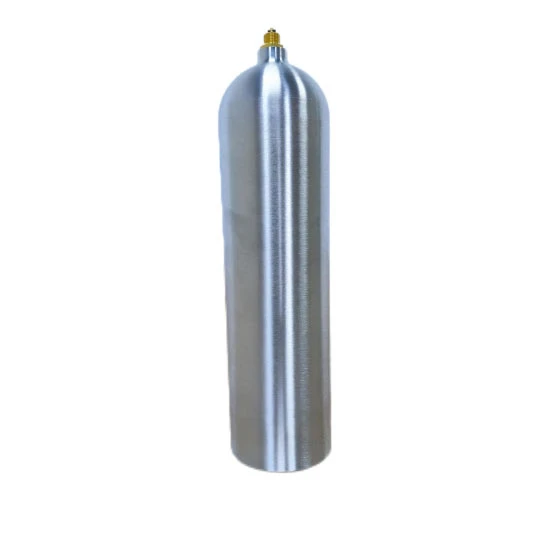
Professional Stainless Steel Cream Charger and Gas Cylinder Pipe Price
Professional culinary operations and high-end beverage services rely on precision aeration to achieve the perfect texture. The 8g stainless steel cream charger provides a high-purity delivery system for Nitrous Oxide (N₂O), transforming liquid cream into a smooth, airy foam through rapid expansion. Unlike basic carbon steel alternatives, the stainless steel construction ensures that the gas remains uncontaminated, preventing oxidation and extending the shelf life of the cartridges. This makes them an essential tool for chefs and mixologists who prioritize hygiene and consistent performance in fast-paced environments.
Whether integrated into a high-volume bakery or a boutique cocktail bar, the efficiency of these chargers lies in their ability to dissolve gas into fats quickly, creating a stable structure that maintains its volume. For procurement managers, understanding the relationship between material grade and long-term operational costs is key to optimizing their supply chain. By utilizing food-grade certified gases and durable housing, these chargers eliminate the risk of metallic aftertastes, ensuring the sensory integrity of the final product.

The Technical Advantage of Stainless Steel in Pressurized Gas Delivery
The choice of stainless steel over traditional carbon steel for 8g chargers is a strategic decision based on material science and food safety. Stainless steel possesses a natural chromium oxide layer that provides superior corrosion resistance. In the context of industrial gas storage, this prevents the internal walls of the cylinder from reacting with the contents or degrading due to humidity during storage. This architectural stability ensures that the 99.9% purity of the food-grade N₂O is maintained from the factory to the dispenser.
From an engineering perspective, these chargers are designed to withstand significant internal pressure without deformation. The seamless construction minimizes the risk of leaks, which is critical for maintaining the precise 8g filling weight required for consistent aeration. When a charger is pierced, the gas expands rapidly; the structural integrity of the stainless steel body ensures that this release is controlled and safe, meeting international safety standards for pressurized vessels.
- Corrosion Resistance: Prevents rust and contamination during long-term storage.
- High Purity: Maintains E942 N₂O standards without metallic leaching.
- Durability: Resists deformation under high pressure, ensuring operational safety.
- Recyclability: Stainless steel is 100% recyclable, aligning with sustainable kitchen goals.

Diverse Applications Across the Culinary and Mixology Sectors
The versatility of the 8g stainless steel cream charger extends far beyond simple whipped cream. In the realm of molecular gastronomy, chefs utilize these chargers to create "espumas" or savory foams, which add a sophisticated textural dimension to gourmet dishes. By dissolving the gas into a liquid base containing proteins or fats, they can create light, airy emulsions that would be impossible to achieve through manual whisking. This allows for precise control over the density and mouthfeel of the topping.
In the beverage industry, the application shifts toward mixology and coffee artistry. Bartenders use N₂O to create cocktail foams that sit atop a drink without collapsing, adding both visual appeal and a creamy texture. Similarly, cafes use them for rapid topping of lattes and hot chocolates. Because each charger is calibrated to a specific weight, businesses can maintain strict portion control, typically producing up to half a liter of whipped cream per cartridge, which directly reduces ingredient waste and improves profit margins.
Beyond food, these chargers are used in specialized infusions. The pressure allows flavors to penetrate liquids more deeply and quickly than traditional steeping methods, enabling the creation of rapid-infused oils or spirits. This efficiency makes the 8g charger a multifunctional tool for innovation in any professional kitchen or bar.
Evaluating Procurement Criteria for High-Pressure Gas Equipment
When sourcing gas equipment, procurement officers must look beyond the immediate gas cylinder pipe price and evaluate the total cost of ownership and safety compliance. A critical factor is the certification of the gas; food-grade N₂O must comply with COA and MSDS standards to ensure it is free from impurities that could affect taste or health. Using non-certified gases can lead to inconsistent foam stability and potential regulatory issues during health inspections.
Another essential consideration is the compatibility of the charger with existing dispensing hardware. The 8g size is the industry standard, but the material of the charger impacts the frequency of equipment maintenance. Stainless steel chargers are less likely to leave residue or debris in the dispenser valve, reducing the need for frequent deep-cleaning and extending the lifespan of the cream siphon. Furthermore, buyers should assess the supplier's ability to provide OEM/ODM solutions, such as customized branding, which is vital for distributors building their own market presence.
Reliability in the supply chain is the final pillar of procurement. Because these are consumables, a stable lead time and consistent batch quality are non-negotiable. ISO-certified manufacturing processes, such as those employed by Zhuzhou XingYe Chemical, ensure that every batch undergoes traceable testing, mitigating the risk of defective cartridges that could cause operational downtime in a commercial kitchen.
Technical Specifications and Material Comparison
| Feature | Stainless Steel (8g) | Carbon Steel (Standard) | Application Suitability | Impact on Quality |
|---|---|---|---|---|
| Corrosion Resistance | Very High | Medium/Low | High Humidity Areas | Prevents Rust Contamination |
| Gas Purity | 99.9% Food-Grade | Varies by Grade | Professional Culinary | Pure Taste, No Metallic Notes |
| Shelf Life | Extended | Standard | Bulk Long-term Storage | Consistent Pressure Over Time |
| Recyclability | 100% Recyclable | Recyclable | Eco-conscious Businesses | Reduced Environmental Footprint |
| Compatibility | Universal 8g | Universal 8g | All Standard Siphons | Seamless Integration |
Ensuring Operational Safety and Regulatory Compliance
Safety is paramount when dealing with pressurized gases. The 8g stainless steel charger is engineered to be an airtight system, preventing accidental leakage. However, operational safety depends on correct handling and storage. These cylinders should be kept in cool, dry environments away from direct heat sources to prevent pressure buildup. In professional settings, staff should be trained on the correct insertion technique into the cream dispenser to avoid valve damage and ensure a clean release of the gas.
From a regulatory standpoint, the use of food-grade N₂O (E942) is mandatory for any product intended for human consumption. This ensures that the gas is produced via controlled ammonium nitrate decomposition, eliminating harmful by-products. Companies that utilize ISO9001 certified quality management systems can guarantee that their production lines follow strict safety protocols, from the initial filling process to the final pressure test. This traceability is essential for businesses that undergo rigorous food safety audits.
Additionally, the end-of-life management of these chargers is a key part of operational safety. Once depleted, the stainless steel cartridges should be collected in dedicated recycling bins. Because of the material's high value in the scrap metal market, establishing a recycling loop not only supports sustainability but can also be a cost-effective waste management strategy for large-scale operations.
Future Trends in Gas-Powered Culinary Technology
The industry is moving toward higher precision and greater sustainability. We are seeing a shift where professionals no longer view chargers as simple commodities but as precision tools. The demand for customized formulations—such as specific gas blends for different types of foams—is increasing. This trend is driving manufacturers to offer more flexible OEM solutions, allowing brands to tailor the packaging and purity levels to specific niche markets, such as molecular mixology or high-end pastry arts.
Furthermore, the integration of smarter dispensing systems is making the use of 8g chargers more efficient. Newer dispensers are designed to maximize the gas extraction from each cartridge, reducing waste. As the global focus on the "green economy" intensifies, the preference for stainless steel over carbon steel is expected to grow, driven by the material's superior recyclability and the reduction of chemical coatings often found on cheaper steel options.
Ultimately, the goal is a closed-loop system where the purity of the gas, the durability of the cylinder, and the ease of recycling work in harmony. For the modern business owner, investing in high-quality stainless steel chargers is not just about the immediate result in the bowl or glass, but about future-proofing their operation against stricter environmental regulations and rising consumer expectations for purity and sustainability.
Frequently Asked Questions About Stainless Steel Cream Chargers
What is the main difference between stainless steel and carbon steel chargers?
Stainless steel chargers offer superior corrosion resistance and durability compared to carbon steel. This prevents rust from forming on the cartridge, ensuring the N2O gas remains uncontaminated and extending the product's shelf life, which is critical for long-term storage in professional kitchens.
Is the gas used in these chargers safe for food consumption?
Yes, provided they are food-grade. Our chargers use 99.9% pure food-grade nitrous oxide (E942), which complies with international safety and hygiene standards (COA, MSDS), ensuring no metallic taste or harmful impurities are introduced into your food or drinks.
How many chargers are typically needed for one liter of cream?
Generally, one 8g charger is sufficient to prepare up to half a liter of whipped cream. However, this may vary slightly depending on the fat content of the cream and the specific dispenser being used.
Can these chargers be used for anything other than whipped cream?
Absolutely. They are widely used in molecular gastronomy for creating savory foams, infusions, and mousses, as well as in mixology for adding light, airy textures to cocktail toppings.
Are 8g stainless steel cream chargers recyclable?
Yes, stainless steel is fully recyclable. Once the charger is empty, it should be disposed of in a metal recycling bin, making it a more sustainable choice than non-recyclable alternatives.
What should I check when choosing a supplier for these cartridges?
You should verify that the supplier is an ISO-certified manufacturer, ensures 99.9% gas purity, provides clear certifications (MSDS/COA), and offers scalable production capacity for bulk demands to ensure a stable supply chain.
Technical and Industry References
- ISO Standards for Quality Management Systems
- European Food Safety Authority - Food Additives Guidelines
- NIST Guide to Pressurized Gas Measurements
- WHO Food Safety Standards and Regulatory Frameworks
For professional culinary businesses seeking reliable, high-purity aeration solutions, choosing stainless steel technology is a critical step toward quality and safety. If you have specific requirements for bulk supply or customized OEM branding, our team is ready to provide technical guidance and cost-efficient gas solutions tailored to your operational scale.
Related Gas Equipment and Solutions