- sales@whipway.com
- Mon - Sat at 9:00AM to 6:00PM
When procurement managers or industrial operators search for the empty gas cylinder price 14.2 kg, they are rarely just looking for a number. The cost of a pressure vessel is a reflection of its material integrity, its certification grade, and the long-term safety it guarantees under extreme internal pressures.
In the industrial gas sector, the 14.2 kg capacity is a common standard for various portable applications, but the price variance between a standard steel shell and a high-grade aluminum alloy cylinder can be significant. Understanding what drives these costs—from wall thickness to valve specifications—is critical for optimizing operational budgets without compromising safety.
This analysis examines the technical determinants of gas cylinder pricing, the essential safety standards for high-pressure storage, and how to evaluate the total cost of ownership for industrial and specialty gas containers.


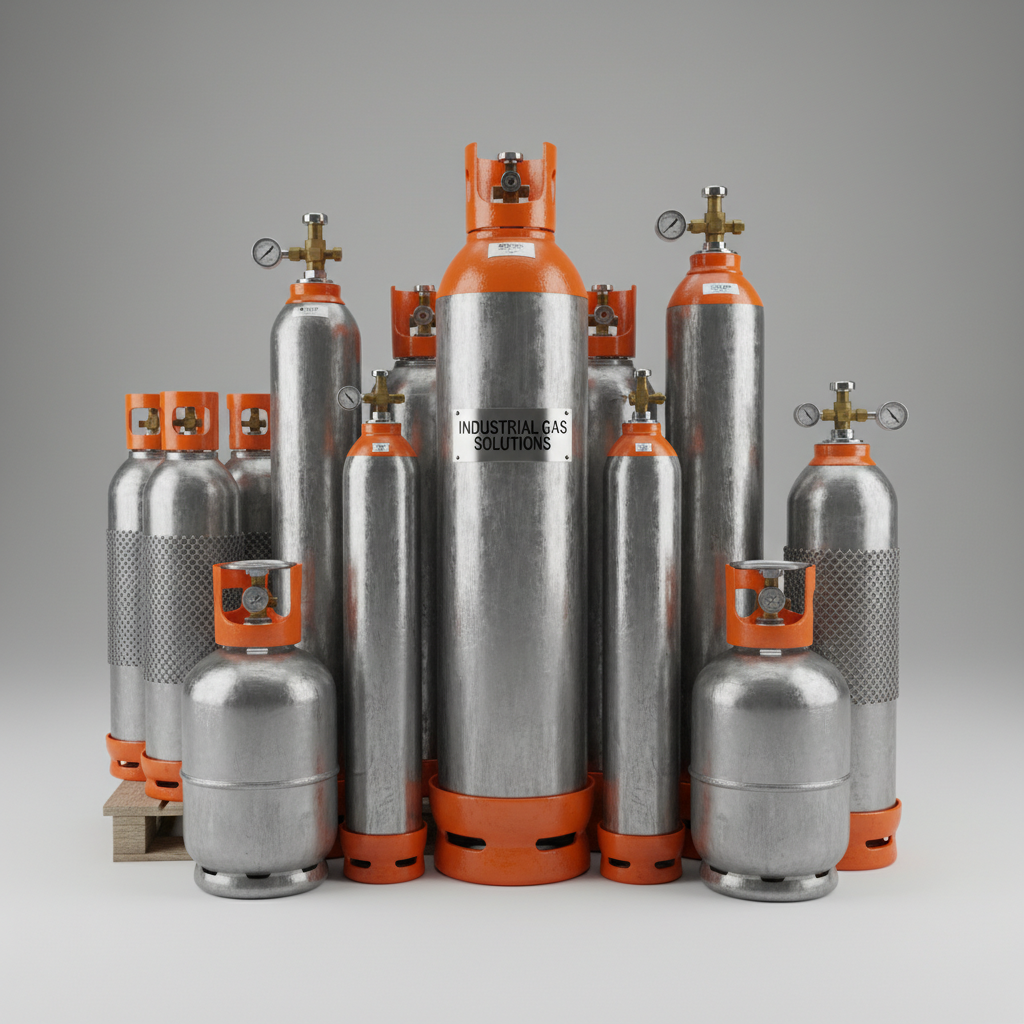
The primary driver of the empty gas cylinder price 14.2 kg is the base material. Steel cylinders are typically the most economical option, offering high durability and strength, making them ideal for static industrial use. However, they are prone to corrosion if the internal coating fails.
Aluminum alloy cylinders, such as those used in professional diving and medical oxygen supply, command a higher price due to their lightweight properties and natural resistance to corrosion. For applications requiring mobility or high-purity gas, the investment in aluminum pays off through reduced transport costs and extended service life.
Safety in high-pressure storage is governed by the Working Pressure (WP) and the Test Pressure (TP). A cylinder rated for 20MPa requires different wall thickness and metallurgical precision than one rated for 200-300 bar. The higher the pressure rating, the more stringent the manufacturing tolerances must be, which directly increases the production cost.
Beyond the shell, the valve assembly is a critical cost component. Precision-engineered nozzles and safety helmets—protective caps that prevent mechanical damage to the valve—are essential for ensuring that the gas flow is controlled and the cylinder remains leak-proof. In diving oxygen tanks, these components must withstand not only internal pressure but also external hydrostatic pressure.
Regular maintenance, including hydrostatic testing and seal replacement, is mandatory to maintain safety. Over time, sealing performance can decrease, necessitating timely service to prevent catastrophic failure. The inclusion of high-grade seals and certified valves in the initial purchase price often reflects a lower long-term maintenance burden.
Not all cylinders are created equal because not all gases are the same. The interior surface finish of a cylinder must be tailored to the gas it will hold. For example, food-grade CO2 or medical-grade oxygen requires a higher level of internal cleanliness and specific passivation treatments to prevent contamination.
The cost of a cylinder is not merely based on the metal weight, but on the certification of its interior—whether it meets ISO food-grade standards or medical-grade purity requirements for respiratory therapy.
Specialty gases, such as Ethylene or Nitrous Oxide used in cream chargers, often require specialized valves to handle specific flow rates and prevent backflow. When evaluating the price of an empty cylinder, it is vital to confirm if the vessel is "pre-certified" for the specific gas grade required for your application.
Fabrication costs are influenced by the complexity of the manufacturing process. For instance, seamless drawing and piercing for high-pressure steel cylinders involve more energy and precision than simple welded shells. The addition of safety features, such as burst disks and muffle nozzles, adds incremental costs but is non-negotiable for industrial safety.
To better understand the price distribution, we can look at the relative impact of different factors. While raw material is the largest component, certification and precision machining for valves represent a significant portion of the value added.
The choice of cylinder capacity—whether it is a small 0.35L unit for rapid self-rescue or a larger 14.2 kg industrial unit—depends entirely on the expected duration of use. In underwater exploration, for example, a 2L cylinder may provide up to 4 hours of respiration, whereas rescue devices are optimized for shorter, high-intensity bursts of 40 to 50 minutes.
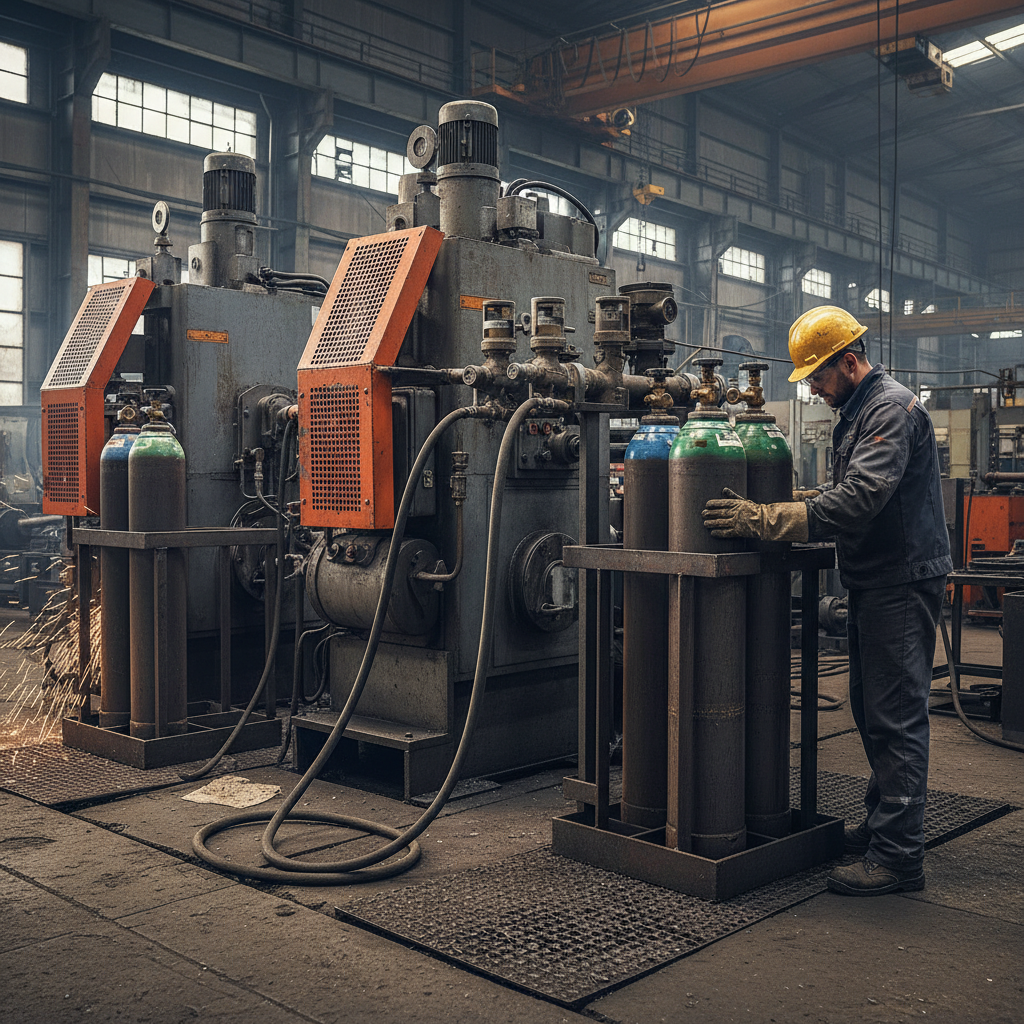
For industrial operators, the 14.2 kg standard balances portability with sufficient volume to reduce the frequency of refills. When selecting a cylinder, one must consider the trade-off between the convenience of a smaller, cheaper tank and the operational efficiency of a larger vessel that requires fewer logistical rotations.
The industry is moving toward composite materials to overcome the weight limitations of steel. While aluminum is a middle ground, carbon-fiber wrapped cylinders are beginning to appear in high-end diving and aerospace applications. These offer significantly higher pressure ratings with a fraction of the weight, though they come with a substantially higher initial price point.
Sustainability is also becoming a factor. Modern cylinders are designed for longer service lives and are fully recyclable. The focus has shifted from "lowest initial cost" to "lowest cost per refill cycle," emphasizing the importance of high-quality valves and corrosion-resistant internal coatings.
Furthermore, the integration of smart sensors in some high-end tanks allows for real-time pressure monitoring, reducing the risk of running out of gas unexpectedly. This technological leap is transforming the cylinder from a passive container into an active part of the life-support or industrial system.
When comparing options for an empty gas cylinder, the decision should be based on a weighted matrix of application needs. A medical facility will prioritize purity certifications and ease of sterilization, while a construction site will prioritize impact resistance and low cost.
It is common for buyers to overlook the "hidden costs" of cheap cylinders, such as more frequent hydrostatic testing requirements or the need for more expensive replacement valves due to poor initial quality. A high-quality aluminum cylinder may have a higher upfront cost but offers a lower total cost of ownership over a 10-year period.
The following table provides a relative assessment of different cylinder types to assist in the selection process based on specific industrial requirements.
| Material Type | Corrosion Resistance | Weight Factor | Ideal Application |
|---|---|---|---|
| Industrial Steel | Moderate (Coated) | Heavy | Static Factory Use |
| Aluminum Alloy | High | Light | Diving / Medical |
| Composite / Carbon | Very High | Very Light | Professional Rescue |
| Food-Grade Steel | High (Passivated) | Heavy | CO2 / Beverage Grade |
| High-Pressure Al | High | Medium | Specialty Gas R&D |
| Standard Alloy | Moderate | Medium | General Industrial |
The price is primarily determined by the material (steel vs. aluminum alloy), the maximum working pressure (WP), the quality of the valve assembly, and the certification grade (e.g., food-grade, medical-grade, or industrial-grade). Higher pressure ratings and specialized certifications for purity increase the manufacturing cost and the final market price.
Maintenance intervals vary by local regulations, but generally, cylinders should undergo a visual inspection every year and a hydrostatic test every 2 to 5 years. This ensures that the vessel's structural integrity remains intact and that seals have not degraded, preventing dangerous leaks under high pressure.
No. Medical oxygen cylinders must meet strict purity standards and undergo specific internal cleaning and passivation processes to ensure no contaminants are introduced into the breathing gas. Using a non-certified industrial cylinder for medical purposes can pose serious health risks to the patient.
Aluminum cylinders are preferred for diving because they are lighter and naturally corrosion-resistant in saltwater environments. Steel cylinders, while stronger and capable of holding more gas for the same size, are heavier and require better coatings to prevent rust, making them less ideal for frequent underwater use.
Not necessarily, but high-quality certifications (ISO, CE, etc.) usually come with a higher price due to the rigorous testing involved. When evaluating price, look for traceable batch testing and certified material reports rather than just the cost, as safety is the primary requirement for any pressure vessel.
The safety helmet is a protective cap that covers the cylinder valve. Its role is to prevent the valve from being bent, sheared, or damaged during transport or accidental drops. A damaged valve can lead to an uncontrolled release of high-pressure gas, which can be extremely dangerous.
Determining the value of an empty gas cylinder involves more than a simple price comparison. By analyzing material properties, pressure ratings, and certification requirements, operators can ensure they select a vessel that balances operational efficiency with absolute safety.
Whether utilizing high-pressure aluminum alloy cylinders for diving or steel vessels for industrial gas storage, the priority must always remain on the integrity of the vessel and the reliability of its valve system. Investing in certified, high-grade equipment reduces the risks of failure and lowers the long-term maintenance costs of your gas infrastructure.