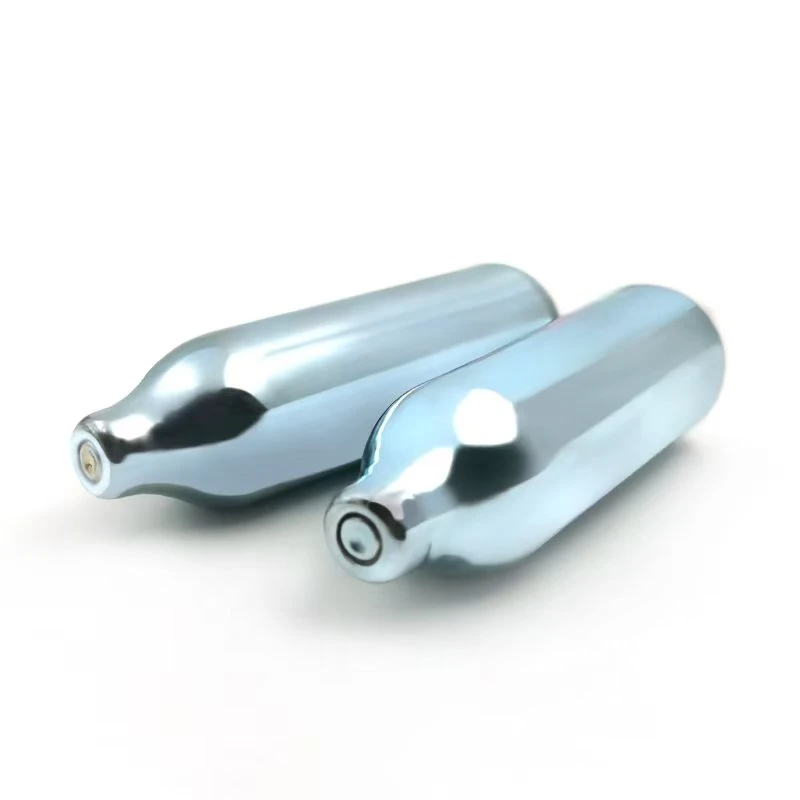
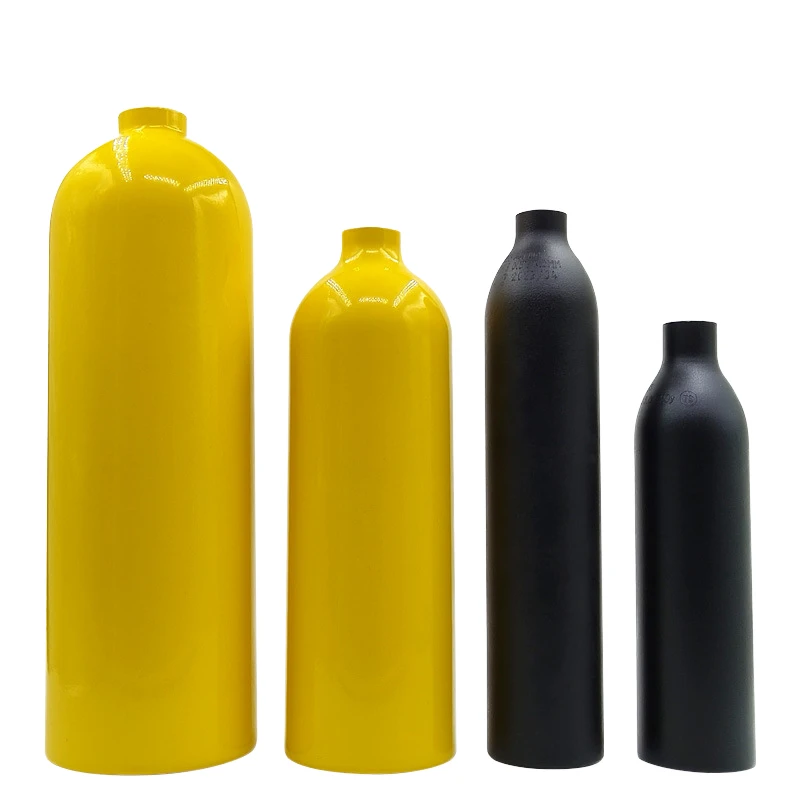
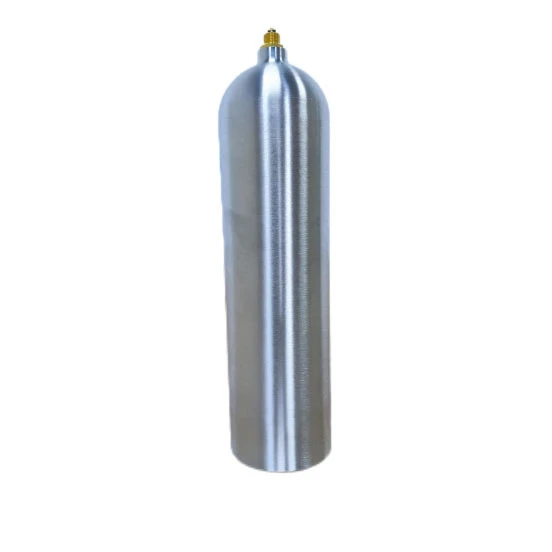
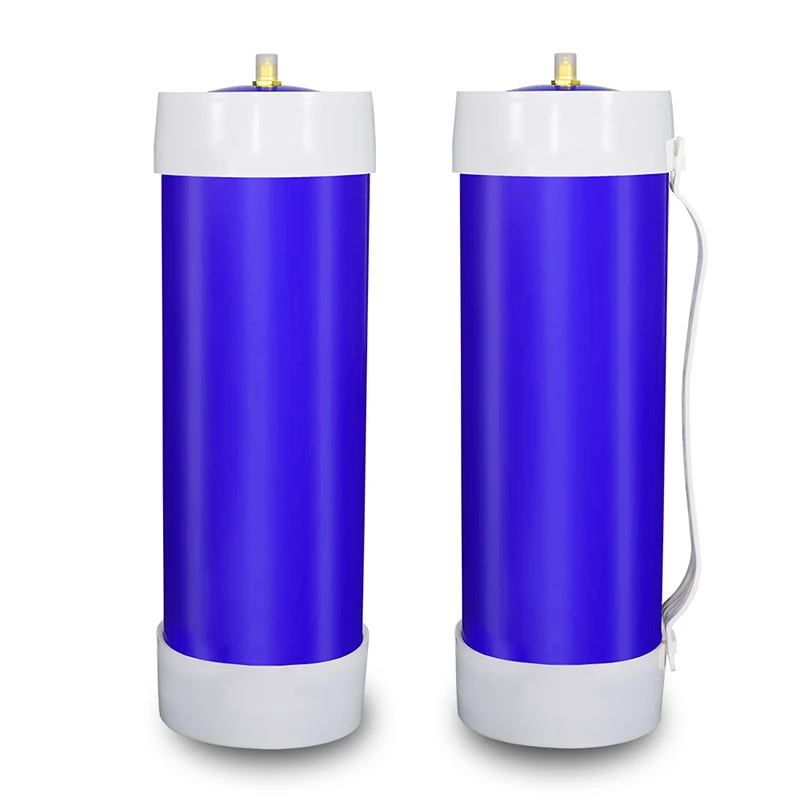
Chile's unique geography, characterized by extreme altitude variations from the Atacama Desert to the Patagonian south, places immense stress on large gas bottles. The chemical manufacturing sector in Chile relies heavily on stable gas supplies for food additive synthesis and basic chemical processing, requiring vessels that can withstand rapid temperature fluctuations.
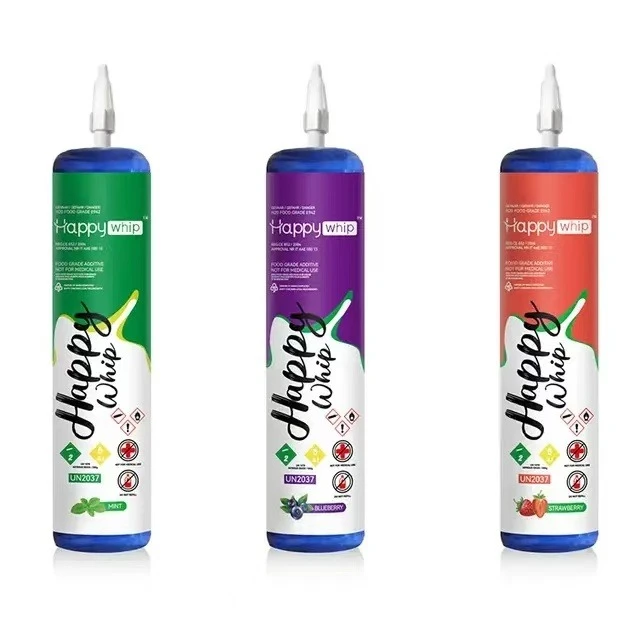
Currently, the market is seeing a transition toward more standardized capacities. While industrial plants utilize bulk tanks, the distribution network depends heavily on the 9 kg gas bottle for medium-scale laboratory use and small-scale chemical additives production, balancing portability with operational volume.
Regulatory pressure from Chilean safety standards (SEC) has forced a shift toward higher-grade alloys. The reliance on the gas cylinder as a primary transport unit means that corrosion resistance against coastal humidity in Valparaíso and Antofagasta has become a non-negotiable technical requirement.