
Industrial Gas Solutions: Premium 9 kg gas bottle for Saudi Arabia

Providing high-pressure, corrosion-resistant containment solutions for the basic chemical raw materials and food additive sectors across the Kingdom.

Industrial Gas Solutions: Premium 9 kg gas bottle for Saudi Arabia

Specializing in the manufacture of high-durability cylinders designed for the extreme temperatures and rigorous industrial demands of the Saudi Arabian chemical landscape.

Market Status of Industrial Gas Storage in Saudi Arabia

Navigating the complexities of chemical raw material distribution in a desert climate.

In Saudi Arabia, the industrial gas sector is heavily influenced by the petrochemical boom and the extreme thermal fluctuations of the Arabian Peninsula. The demand for large gas bottles has surged as domestic manufacturing of basic chemical raw materials expands under Vision 2030, requiring stable and safe storage solutions.

The local market faces a critical challenge: high ambient temperatures and saline coastal air, which accelerate the oxidation of standard steel. This has led to a strategic shift toward high-grade alloy the gas cylinder designs that can withstand internal pressure spikes caused by external heat without compromising structural integrity.

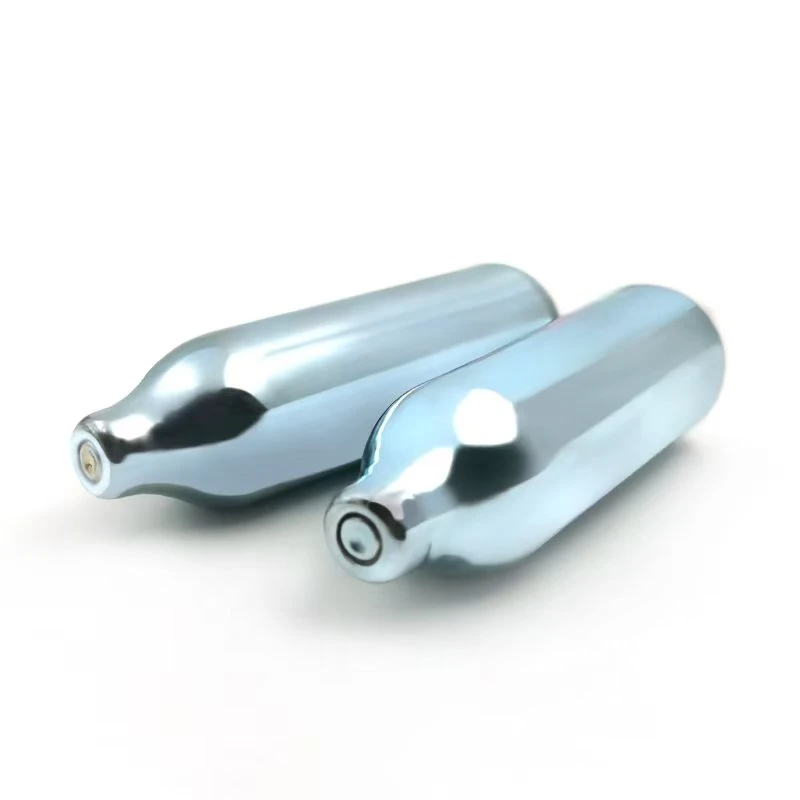
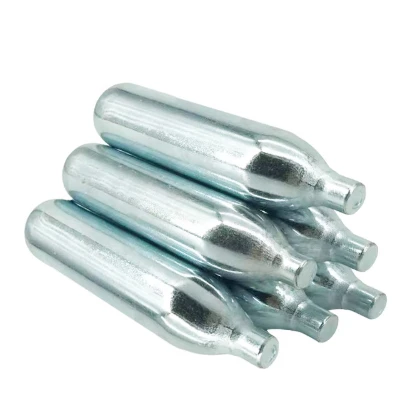
Furthermore, the logistics of distributing food-grade additives and industrial gases to remote mining sites and urban hubs in Riyadh and Jeddah require a versatile range of sizes, from the portable 3kg gas cylinder for small-scale labs to bulk industrial capacities.
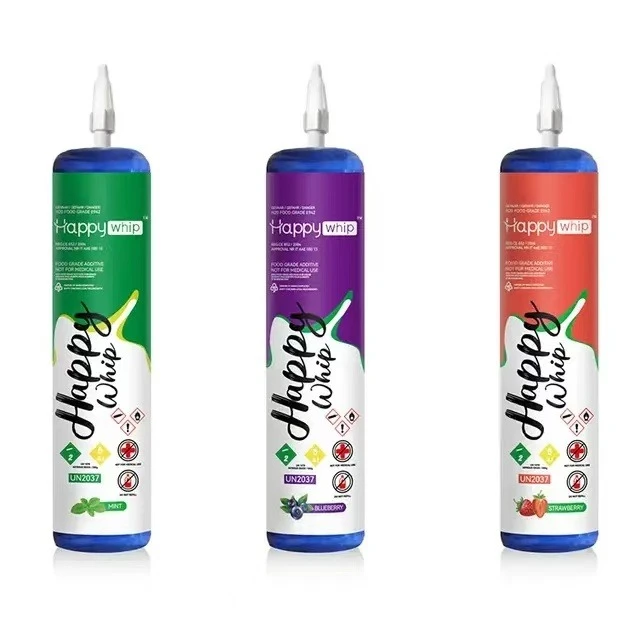
Evolution and Trajectory of Gas Containment Tech

From basic carbon steel to smart-monitored pressure vessels.

Market Development History

During the late 20th century, the Saudi market relied primarily on imported heavy steel tanks with basic anti-corrosive coatings, which often failed under the intense UV exposure of the region.

Between 2010 and 2020, the industry transitioned toward standardized precision engineering. The introduction of the 8.5 kg gas bottle became a benchmark for mid-sized industrial applications, balancing portability with sufficient volume for chemical processing.

Currently, the market has entered the era of "Specialized Metallurgy," where cylinders are engineered with seamless forging techniques and internal epoxy linings to ensure zero contamination for high-purity food additives.

Future Development Trends

Composite Material Integration

Moving toward Type IV composite cylinders to reduce transport weight and increase safety margins in high-heat environments.

IoT Pressure Monitoring

Integration of RFID and smart sensors to monitor fill levels and leak detection in real-time across vast industrial complexes.

Green Hydrogen Compatibility

Adapting the current fleet of cylinders to handle hydrogen embrittlement as Saudi Arabia invests in green energy production.

Future Outlook for Saudi Chemical Gas Logistics

Analyzing the next 5 years of industrial gas storage trends.

Climate-Adaptive Coatings
Implementing advanced ceramic-polymer coatings to reflect solar radiation and prevent internal gas expansion.
Precision Volume Scaling
Shift toward customized capacities like the 8.5kg and 9kg range to optimize supply chain efficiency.
Regulatory Standardization
Aligning with SASO standards to ensure global safety compliance for chemical gas transport.
Circular Economy Model
Implementing advanced refurbishment programs for industrial cylinders to reduce steel waste.

Industry Outlook

Google search trends indicate a significant rise in queries for "high-pressure gas safety" and "composite cylinder suppliers" within the GCC region. This suggests that Saudi enterprises are prioritizing safety and weight reduction over the lowest initial cost.

The future will see a convergence of chemical engineering and digital logistics, where the physical gas cylinder becomes a data point in a larger, automated supply chain for the Saudi manufacturing sector.

Localized Application Scenarios in Saudi Arabia

Practical deployment of gas storage across diverse sectors.

1. Jubail Industrial City Petrochemical Plants

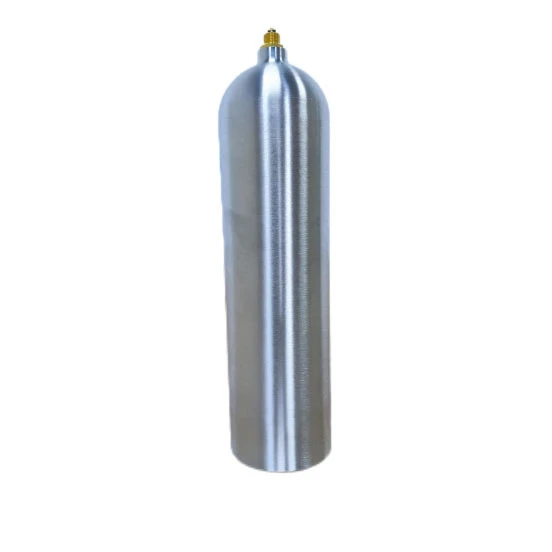
Deployment of large gas bottles for the storage of inert gases used in the synthesis of basic chemical raw materials, ensuring stability against high external heat.

2. Riyadh Food Processing Hubs

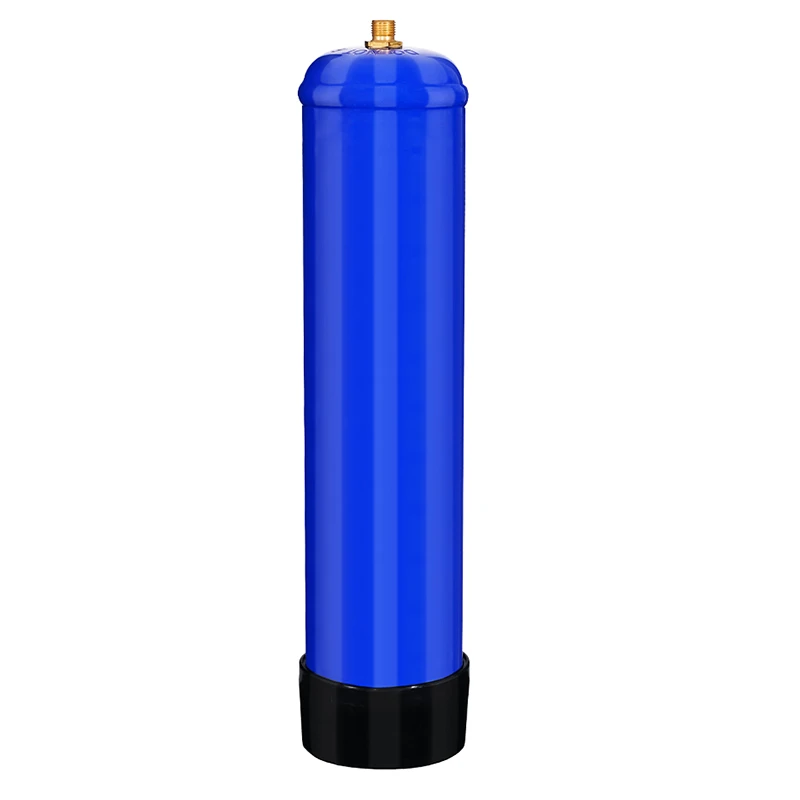
Utilization of specialized 9 kg gas bottle units for food-grade nitrogen and CO2 used in packaging and additive preservation.

3. NEOM Construction & Fabrication Sites

Use of the 3kg gas cylinder for portable welding and cutting operations in remote architectural project zones.

4. Eastern Province Laboratory Facilities

Implementation of the 8.5 kg gas bottle for precise dosage of reagents and catalyst gases in chemical research labs.

5. Jeddah Port Logistics & Shipping

Deployment of heavy-duty the gas cylinder arrays for vessel purging and industrial cleaning services at the coast.

Brand Story

Global Development History of Zhuzhou Huanye Chemical Co., Ltd.

Foundational Excellence

Established as a leader in chemical containment, focusing on the fundamental physics of high-pressure gas storage to solve the problem of leakages in basic chemical manufacturing.

Technological Breakthrough

Developed a proprietary heat-resistant alloy forging process that significantly increased the safety factor for cylinders used in extreme climates like Saudi Arabia.

Global Market Expansion

Extended operations to the Middle East, adapting product specifications to meet the rigorous demands of the petrochemical and food additive industries.

Quality Standardization

Achieved international certifications, ensuring every cylinder produced meets the highest global safety and purity standards for chemical transport.

Vision for the Future

Committed to driving the transition toward sustainable, smart gas storage solutions that empower the global chemical and food additive sectors.

Comprehensive Gas Storage Portfolio for Saudi Arabia

From compact laboratory cylinders to industrial-scale containment solutions.

Common Questions on Industrial Gas Storage in Saudi Arabia

Expert answers to technical and regulatory queries.

How do I choose between a 3kg gas cylinder and a 9 kg gas bottle for lab use?

Choice depends on consumption rate and space. A 3kg unit is ideal for low-volume additive testing, while the 9kg version is suited for continuous industrial chemical analysis.

Are large gas bottles safe for outdoor storage in Saudi heat?

Yes, provided they are equipped with thermal-reflective coatings and pressure-relief valves designed for the Kingdom's high ambient temperatures.

What is the lifespan of a standard 8.5 kg gas bottle in saline environments?

With our advanced anti-corrosion epoxy lining, the lifespan is significantly extended compared to standard steel, though regular hydrostatic testing is required every 5 years.

Does the gas cylinder comply with Saudi Arabian SASO standards?

All our products are manufactured to align with international ISO and local SASO safety requirements for the transport of industrial gases.

Can these cylinders be used for food-grade additive gases?

Absolutely. We provide high-purity internal polishing and cleaning to ensure no chemical residue interferes with food-grade gas quality.

What is the best way to transport a 9 kg gas bottle across remote regions?

Using secured vertical racks with vibration-dampening mounts is recommended to prevent valve damage during transit across rough desert terrain.

Request a Technical Consultation

Connect with our engineers to optimize your industrial gas storage infrastructure in Saudi Arabia.

Contact Us Now
phone email whatsapp up icon

If you are interested in our products, you can choose to leave your information here, and we will be in touch with you shortly.