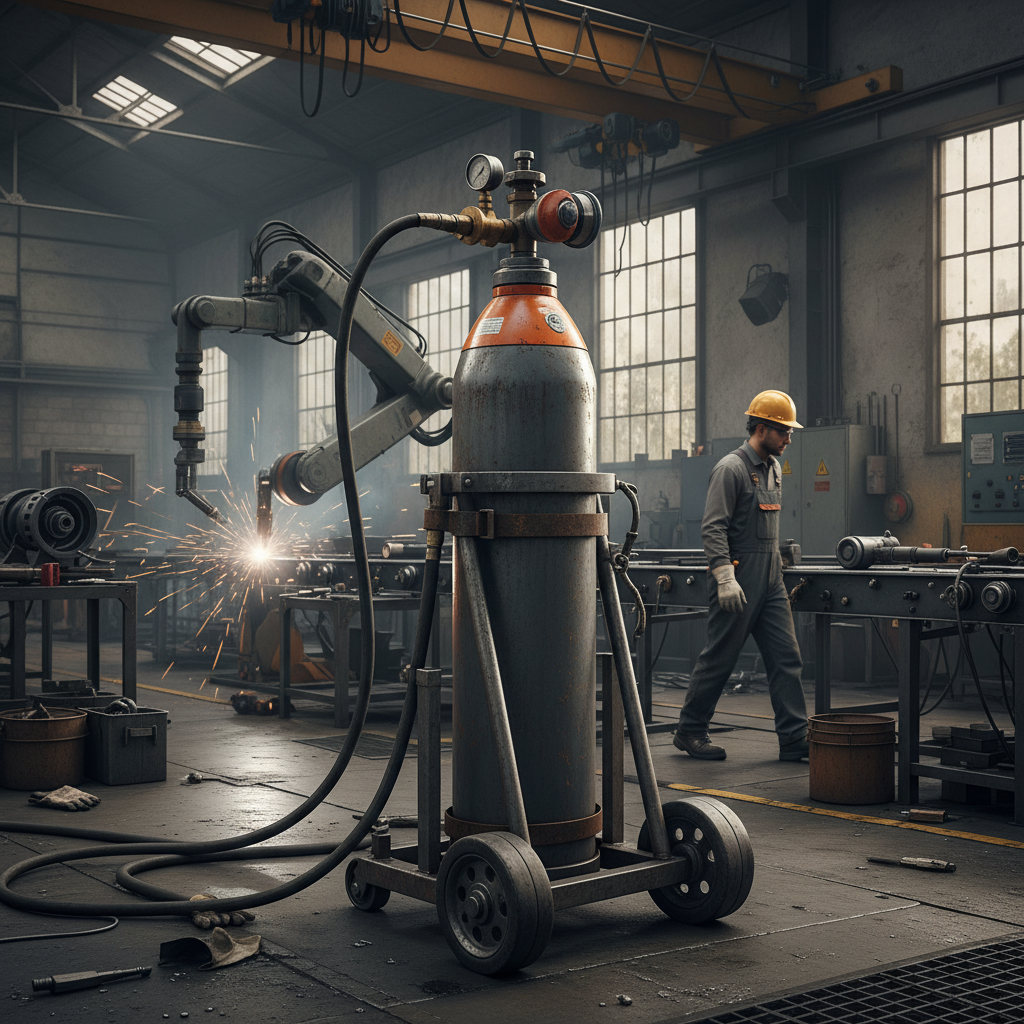
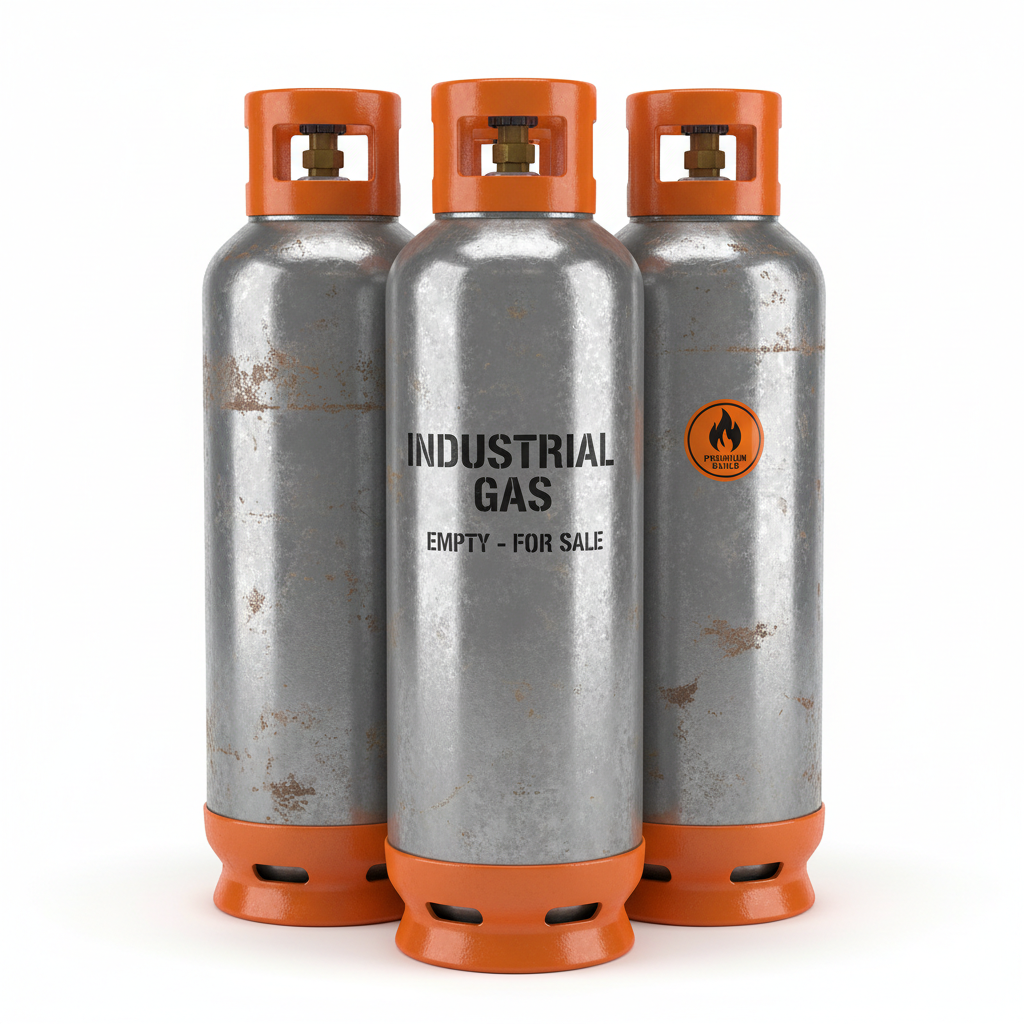
Industrial gas cylinders are the unsung heroes of modern industry. From healthcare to manufacturing, construction to food processing, these robust vessels deliver essential gases that underpin countless processes. They aren’t glamorous, but they’re fundamentally critical, and as someone who spends my days on construction sites, seeing how reliant we are on a steady, safe supply of gases – welding shields, oxygen for cutting, even calibration mixes – really drives home their importance. Understanding their construction, safe handling, and the evolving technologies surrounding them is vital for anyone involved in industrial operations.
The sheer scale of industrial gas cylinder usage is enormous. Globally, millions of cylinders are in circulation, supporting a multi-billion dollar industry. According to the Compressed Gas Association (CGA), North America alone sees billions of dollars in industrial gas sales annually, the vast majority transported and stored in cylinders. This reliance creates both opportunity and challenge – the need for efficient logistics, rigorous safety standards (ISO 11119-3 is the key standard for cylinder inspection), and ongoing innovation to improve cylinder design and materials.
At its core, an industrial gas cylinder is a pressure vessel designed to contain and transport gases at high pressure. This simple definition belies the complex engineering and stringent regulations that govern their manufacture and use. They’re not just metal tubes; they’re precision-engineered components, and handling them correctly, understanding the risks, and choosing the right cylinder for the job can be the difference between a productive day and a serious incident.
The Importance of Industrial Gas Cylinders
You can’t walk onto a construction site, into a welding shop, or even a hospital without seeing these things. They're the lifeblood of many operations. As someone who’s wrestled with these cylinders for years, I can tell you, it’s not just about the gas inside. It's about the reliability of the vessel, the safety protocols, and the logistical challenges of getting the right gas to the right place at the right time. We’re talking about potentially dangerous materials under high pressure, so getting it right is critical.
They are critical in process optimization. Imagine trying to perform precise welding without a consistent supply of shielding gas, or medical procedures without oxygen. The impact on efficiency and quality would be dramatic, not to mention the risks to personnel. They are often the enabling factor to new technology as well.
Global Relevance and Industry Context
The industrial gas market is a truly global one, driven by economic growth and expanding industrialization, particularly in emerging economies. Asia-Pacific represents the largest and fastest-growing market, fueled by demand from manufacturing, healthcare, and infrastructure development. Europe and North America remain significant consumers, but growth is slower, focusing more on specialized gases and sustainable solutions.
The industry is highly regulated, with organizations like the CGA, the European Industrial Gases Association (EIGA), and national standards bodies setting stringent requirements for cylinder design, testing, and transportation. These regulations aim to minimize the risk of accidents and ensure the safe handling of hazardous materials. Ignoring these standards isn't an option – the consequences can be devastating.
One of the biggest challenges we face is balancing the need for reliable gas supply with the environmental impact of cylinder production and transportation. The carbon footprint associated with manufacturing steel cylinders, transporting them long distances, and eventually recycling them is significant, and is driving a push for lighter-weight materials and more efficient logistics.
Defining Industrial Gas Cylinders
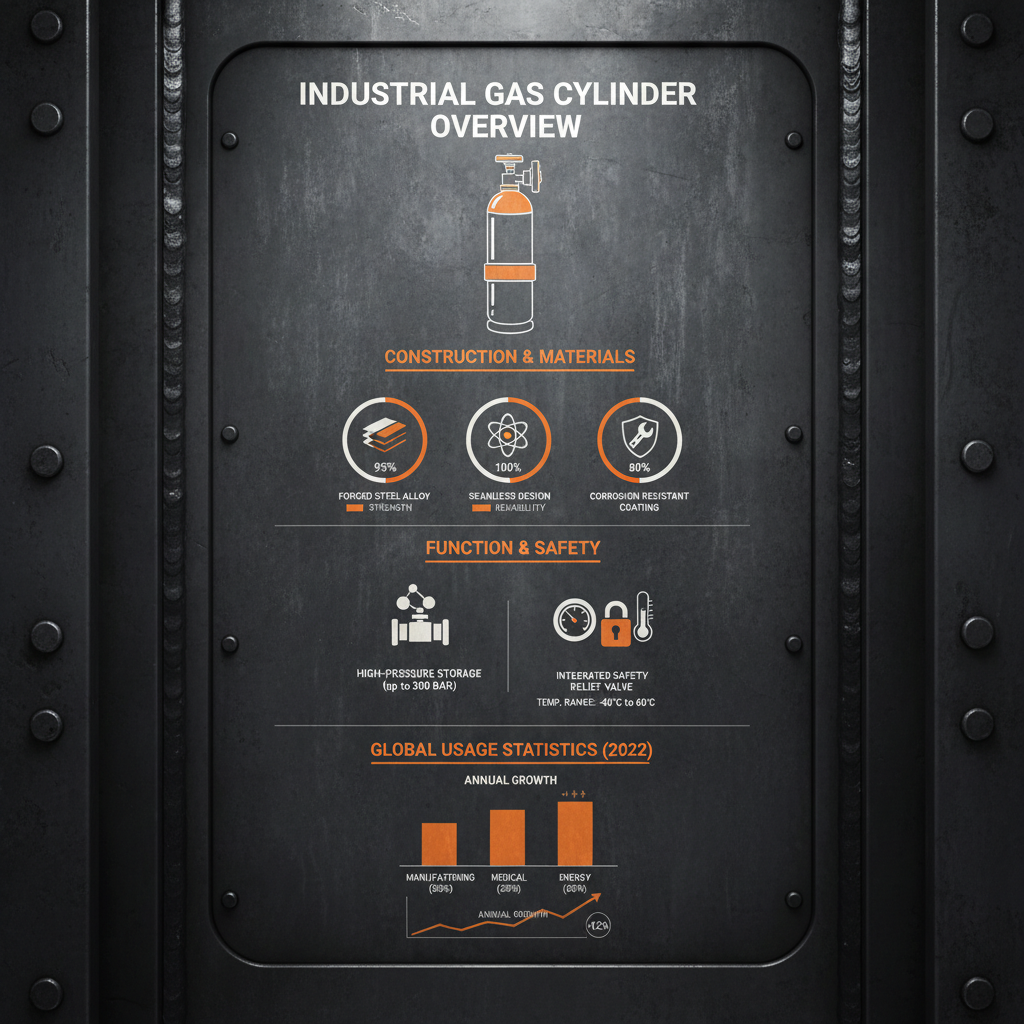
Simply put, an industrial gas cylinder is a container designed to hold and transport compressed gases at pressures significantly higher than atmospheric pressure. They come in various sizes and materials – typically steel or aluminum alloys – and are categorized by their working pressure and gas type. The design is all about containing that pressure safely.
What’s often overlooked is their connection to modern industry and even humanitarian needs. Beyond the obvious industrial applications, cylinders containing medical oxygen are vital in hospitals and emergency response scenarios. Nitrogen is used in food preservation and cryogenic applications. The list goes on. They aren’t just about heavy industry; they touch almost every aspect of our lives.
The crucial thing is that a cylinder is more than just a container. It’s a highly engineered safety device. Each cylinder undergoes rigorous testing, including hydrostatic testing to verify its ability to withstand the designed pressure, and visual inspections to detect any defects. It’s a system built on redundancy and careful monitoring.
Key Factors in Industrial Gas Cylinder Design
There are several critical factors that dictate the design and performance of an industrial gas cylinder. First, durability is paramount. These cylinders are subjected to harsh conditions – rough handling, extreme temperatures, and corrosive environments – so they need to be built to withstand significant stress. Material selection and manufacturing processes are critical here.
Second, pressure rating is obviously key. The cylinder must be able to safely contain the gas at its intended pressure, with a significant safety margin. This dictates the wall thickness and the materials used. Third, material compatibility with the gas being stored is vital to avoid corrosion or other reactions. Finally, portability and size are important considerations, balancing ease of handling with the volume of gas required.
Industrial Gas Cylinder Performance Metrics
Applications Across Industries
The applications are incredibly diverse. In construction, as I know all too well, cylinders supply shielding gases for welding, oxygen for cutting and brazing, and calibration gases for testing equipment. In healthcare, medical oxygen, nitrous oxide, and carbon dioxide are essential for patient care. The food industry utilizes nitrogen for modified atmosphere packaging to extend shelf life.
In remote industrial zones, maintaining a reliable gas supply can be a logistical nightmare. That’s where efficient cylinder management and transportation become critical. And in post-disaster relief operations, portable oxygen concentrators and cylinders are life-saving resources.
Even in high-tech sectors like semiconductor manufacturing, ultra-pure gases delivered in specialized cylinders are crucial for creating the microchips that power our modern world.
Benefits and Long-Term Value
Beyond the obvious functional benefits, there’s significant long-term value in investing in high-quality industrial gas cylinders and proper safety protocols. Reduced downtime due to equipment failure, improved product quality, and enhanced worker safety all contribute to cost savings and increased efficiency.
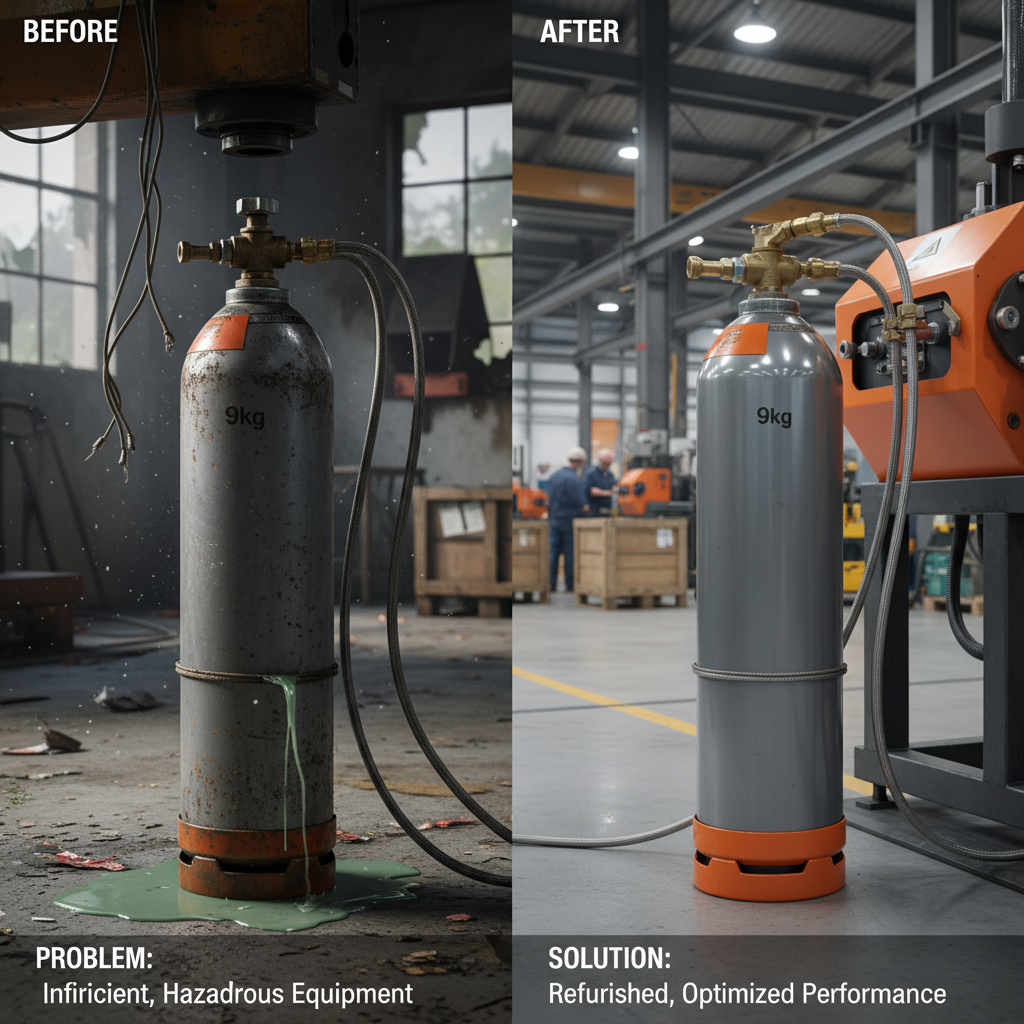
From a sustainability perspective, focusing on cylinder refurbishment and recycling reduces waste and minimizes the environmental impact. And from a reputational standpoint, demonstrating a commitment to safety and responsible gas handling builds trust with customers and stakeholders. A reliable gas supply is a competitive advantage.
Future Trends and Innovations
We’re seeing a lot of exciting developments in this field. Lighter-weight composite cylinders are gaining traction, offering significant weight savings and improved portability. Digital technologies, like cylinder tracking and remote monitoring, are enhancing logistics and improving safety.
There’s also a growing focus on “green” gases – hydrogen, biogas, and renewable methane – and the infrastructure needed to support their storage and transportation. This ties directly into the broader push for decarbonization and a more sustainable industrial sector.
Furthermore, the integration of AI and machine learning into cylinder inspection processes promises to improve accuracy and efficiency, potentially identifying defects before they become critical.
Summary of Industrial Gas Cylinder Challenges and Solutions
| Challenge |
Impact Area |
Proposed Solution |
Implementation Difficulty (1-10) |
| High Cylinder Weight |
Logistics & Transportation Costs |
Transition to Composite Materials |
7 |
| Cylinder Tracking & Inventory Management |
Operational Efficiency |
Implement RFID or Barcode Tracking System |
5 |
| Corrosion & Material Degradation |
Safety & Cylinder Lifespan |
Apply Advanced Protective Coatings |
6 |
| Complex Regulatory Compliance |
Legal & Operational Risk |
Develop a Robust Compliance Management System |
8 |
| Lack of Real-time Cylinder Status |
Predictive Maintenance & Safety |
Integrate Sensors for Pressure & Location Monitoring |
7 |
| Inefficient Cylinder Refilling Processes |
Operational Costs & Turnaround Time |
Automate Refilling Operations with Robotics |
9 |
FAQS
The lifespan of an industrial gas cylinder isn't fixed, but generally they have a service life of several decades. However, they are subject to periodic inspections – typically every 5 or 10 years – including hydrostatic testing to verify their structural integrity. The lifespan depends on the gas stored, the operating environment, and the quality of maintenance. A well-maintained cylinder can last for many years, but any indication of damage or corrosion will require immediate removal from service.
Safety is paramount. Always transport cylinders secured in a vertical position to prevent tipping. Never drop or damage a cylinder. Use a regulator specifically designed for the gas being used. Store cylinders in a well-ventilated area away from heat and ignition sources. Always wear appropriate personal protective equipment (PPE) like gloves and safety glasses. And most importantly, familiarize yourself with the safety data sheet (SDS) for the specific gas.
Cylinders undergo a rigorous inspection and testing regime. Visual inspections check for dents, corrosion, and valve damage. Hydrostatic testing involves pressurizing the cylinder with water to a pressure significantly higher than its working pressure to verify its structural integrity. Other tests may include valve leak testing and oxygen cleaning for oxygen service. These inspections are typically conducted by qualified personnel, adhering to CGA or ISO standards.
The most common material is carbon steel, known for its strength and cost-effectiveness. However, aluminum alloys are increasingly used for applications where weight is a critical factor, like portable medical oxygen cylinders. Stainless steel is used for high-purity gases and corrosive environments. Composite materials, like carbon fiber reinforced polymer, are emerging as a lightweight alternative, offering significant weight savings but at a higher cost.
Selecting the right cylinder depends on several factors: the type of gas, the required pressure, the flow rate, and the application itself. You need to consider the gas compatibility with the cylinder material, the valve connection type, and any specific regulatory requirements. Always consult the SDS for the gas and the cylinder supplier to ensure you choose the appropriate cylinder for your needs.
The production, transportation, and disposal of cylinders have environmental impacts. Efforts are focused on reducing the carbon footprint through using recycled materials, optimizing logistics, and promoting cylinder refurbishment and reuse. Proper disposal of cylinders at the end of their life is critical to prevent environmental contamination. The use of lighter-weight materials also reduces fuel consumption during transport.
Conclusion
Industrial gas cylinders are foundational to a vast array of industries and applications. Their reliability, safety, and increasingly sustainable design are critical for modern operations. From ensuring the availability of life-saving medical gases to enabling precision manufacturing processes, these often-overlooked vessels play a vital role in our daily lives. Understanding the intricacies of their design, handling, and the evolving technologies surrounding them is essential for anyone involved in these sectors.
Looking ahead, continued innovation in materials, digital monitoring, and sustainable practices will further enhance the performance and reduce the environmental impact of industrial gas cylinders. As industries evolve and new gases emerge, the role of these pressure vessels will only become more important. Investing in quality cylinders, proper training, and adherence to safety standards is not just a matter of compliance, it’s a commitment to a safer, more efficient, and more sustainable future.