The 9kg gas bottle is a ubiquitous component in a vast array of applications, from domestic cooking and heating to industrial processes and emergency relief efforts. Its portability, relatively simple operation, and widespread availability make it a crucial resource globally, particularly in areas with limited access to piped gas or electricity. Understanding the nuances of 9kg gas bottle usage, safety protocols, and supply chain dynamics is paramount for ensuring efficient and safe energy access for millions.
The relevance of the 9kg gas bottle extends far beyond simple convenience. In developing countries, it often represents a significant step up from traditional biomass fuels like wood and charcoal, offering cleaner burning and reduced environmental impact. For humanitarian organizations, the 9kg gas bottle is an essential tool in providing cooking facilities and warmth to displaced populations. Its accessibility makes it a preferred choice in situations where infrastructure is damaged or non-existent.
Consequently, the efficient and safe utilization of the 9kg gas bottle is an ongoing concern. Addressing issues of storage, transportation, regulatory compliance, and the promotion of responsible usage are vital for maximizing its benefits and minimizing potential risks. This exploration will delve into these aspects, offering a comprehensive overview of the 9kg gas bottle and its impact.
Defining the 9kg Gas Bottle
A 9kg gas bottle typically refers to a portable, steel cylinder containing 9 kilograms of liquefied petroleum gas (LPG), commonly propane or butane, or a blend of both. These cylinders are designed for the safe storage and dispensing of gas for various heating and cooking applications. Their standardized size and weight make them easy to handle, transport, and integrate into a wide range of systems.
The 9kg gas bottle plays a critical role in bridging the energy gap, particularly in regions where access to traditional energy sources is limited or unreliable. Its relatively low cost and ease of use contribute to its popularity in both residential and commercial settings, bolstering economic activity and improving quality of life across the globe.
Global Context and Demand
The demand for 9kg gas bottles is inextricably linked to global energy trends and demographic shifts. According to the World LPG Association, global LPG consumption continues to rise, driven by population growth, increasing urbanization, and a growing awareness of the environmental benefits of LPG compared to traditional fuels. The Asia-Pacific region currently represents the largest LPG consuming market, followed by the Americas and Europe.
However, access to LPG remains unevenly distributed. Many developing nations still rely heavily on solid fuels, leading to significant health and environmental consequences. The United Nations Sustainable Development Goal 7, which aims to ensure access to affordable, reliable, sustainable and modern energy for all, highlights the importance of expanding access to cleaner cooking fuels like LPG. The 9kg gas bottle serves as a vital component in achieving this goal.
The logistical challenges of distributing 9kg gas bottles, particularly in remote areas, represent a significant hurdle. Supply chain inefficiencies, inadequate infrastructure, and regulatory barriers can limit access and increase costs. Overcoming these challenges requires coordinated efforts from governments, industry stakeholders, and international organizations.
Core Characteristics of 9kg Gas Bottles
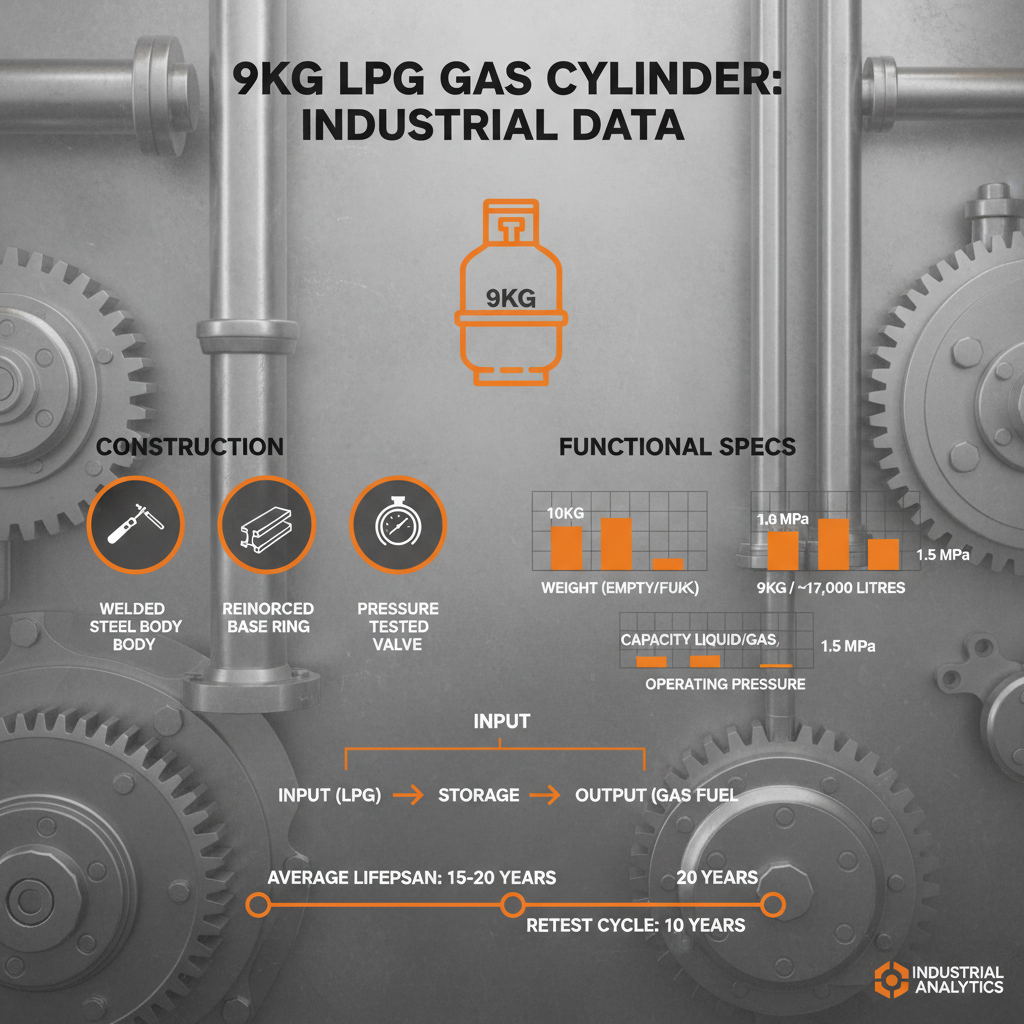
9kg gas bottles are constructed from high-strength steel, designed to withstand the high pressures associated with storing liquefied gas. They are equipped with a valve assembly that regulates gas flow and ensures safe operation. Standardized fittings ensure compatibility across different appliances and regulators. The bottles undergo rigorous testing and certification processes to meet stringent safety standards set by organizations like ISO and national regulatory bodies.
The lifespan of a 9kg gas bottle is typically 10-15 years, although regular inspection and maintenance are crucial for ensuring continued safety and reliability. Factors like corrosion, damage from impact, and wear and tear on the valve assembly can affect the bottle’s integrity. Retesting and recertification are mandatory in many countries to ensure compliance with safety regulations.
Color-coding is often used to differentiate between different gas types, with propane bottles typically painted red and butane bottles often blue or gray. This helps users quickly identify the appropriate gas for their appliances. Clear labeling indicating the bottle’s capacity, pressure rating, and manufacturer information is also essential for safe handling and identification.
Key Factors Influencing 9kg Gas Bottle Performance
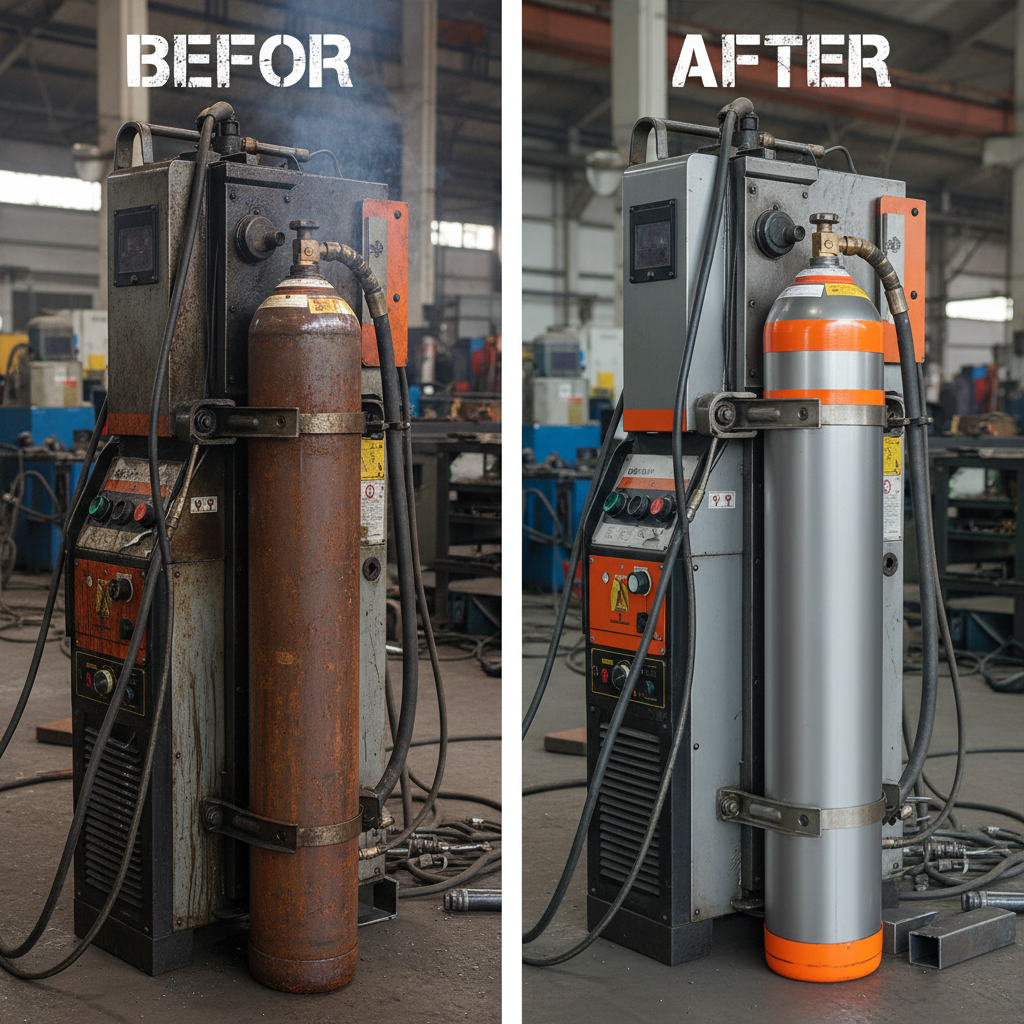
The durability of a 9kg gas bottle is paramount for ensuring safe and reliable operation. The quality of the steel used in construction, the precision of the welding process, and the effectiveness of corrosion protection measures all contribute to its longevity. Regular inspections for dents, rust, or other damage are vital.
The efficiency of gas delivery is influenced by the design of the valve assembly and the regulator used with the bottle. A properly functioning regulator maintains a consistent gas pressure, ensuring optimal performance of connected appliances. The cleanliness of the gas itself also plays a role, as impurities can clog regulators and reduce efficiency.
9kg Gas Bottle Performance Metrics
Applications of 9kg Gas Bottles Worldwide
The 9kg gas bottle is integral to domestic cooking in many parts of the world, offering a cleaner and more efficient alternative to traditional wood or charcoal stoves. In rural areas lacking access to natural gas pipelines, it is often the primary source of cooking fuel.
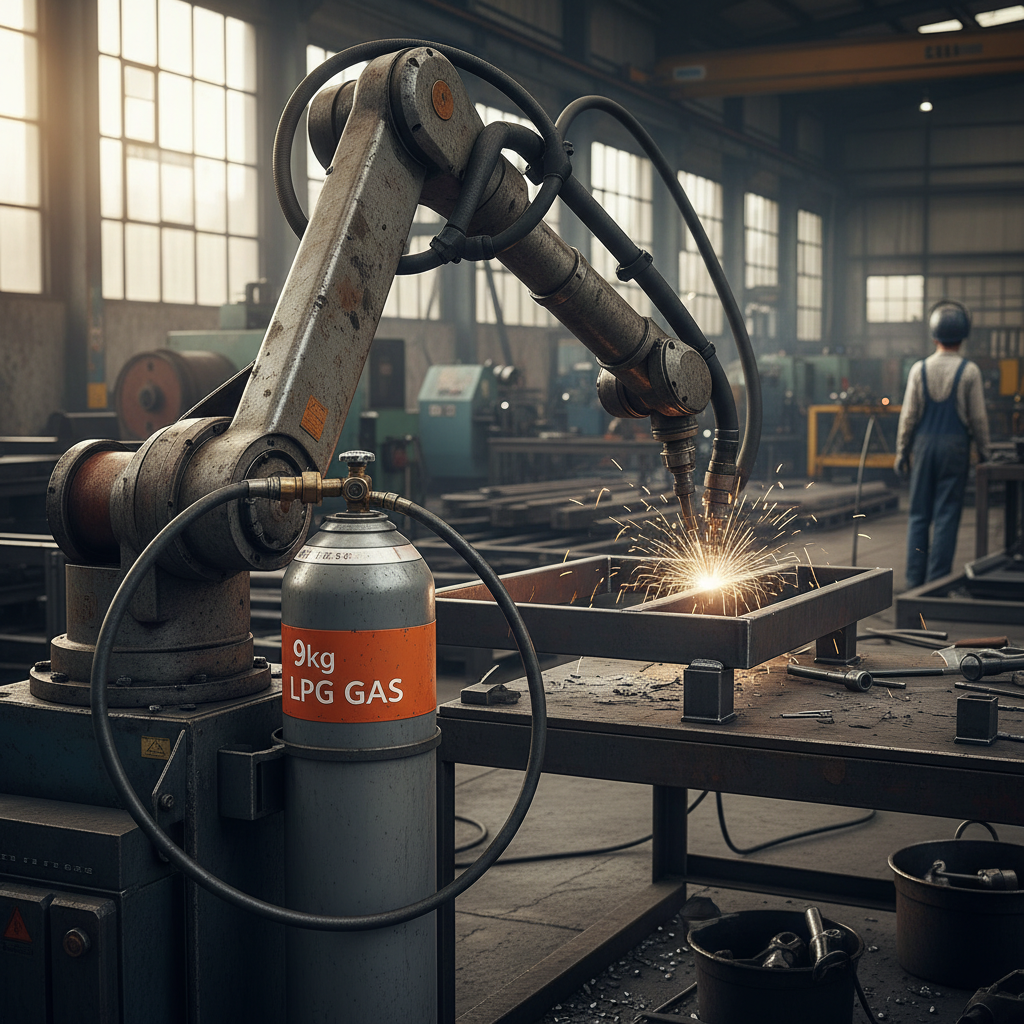
Beyond residential use, the 9kg gas bottle finds extensive application in the food service industry, powering stoves, grills, and ovens in restaurants, cafes, and street food stalls. It’s also used in heating applications, such as space heaters, water heaters, and agricultural applications for crop drying and livestock farming. In some regions, it’s vital for powering industrial tools and equipment.
Advantages and Long-Term Value
The economic benefits of using a 9kg gas bottle are significant. LPG is generally more affordable than electricity in many regions, particularly for cooking. Its high energy density means that less fuel is required to achieve the same level of heat output, reducing overall fuel costs. Its portability eliminates the need for expensive infrastructure investments.
Environmentally, the 9kg gas bottle offers a cleaner burning alternative to traditional fuels, producing fewer particulate emissions and greenhouse gases. Socially, it empowers communities by providing access to a reliable and affordable energy source, improving health, and enhancing quality of life.
Future Trends and Innovations
The industry is witnessing growing interest in “smart” 9kg gas bottles equipped with sensors that monitor gas levels and transmit data wirelessly, enabling remote monitoring and predictive maintenance. These technologies can improve safety, optimize logistics, and reduce waste.
Further innovations are focused on developing alternative LPG sources, such as renewable propane produced from biomass or waste streams. The integration of digital platforms for LPG ordering, delivery, and payment is also gaining traction, streamlining the supply chain and enhancing customer convenience. Regulatory changes aimed at promoting cleaner fuels and incentivizing the adoption of LPG are also expected to shape the future landscape.
FAQS
It's recommended to visually inspect your 9kg gas bottle before each use. Check for any signs of damage, such as dents, rust, or corrosion. Also, ensure the valve and hose connections are secure and free from leaks. A professional inspection by a certified technician should be conducted every 10 years, or as required by local regulations.
Store your 9kg gas bottle in a well-ventilated outdoor location, away from direct sunlight and sources of ignition. The bottle should be kept upright and secured to prevent it from falling over. Do not store it indoors, in basements, or near flammable materials.
You can detect a gas leak by listening for a hissing sound near the valve or hose connections. Another method is to apply a soapy water solution to these areas; bubbles will form if there’s a leak. If you suspect a leak, immediately turn off the gas supply, ventilate the area, and contact a qualified gas technician.
A well-maintained 9kg gas bottle typically has a lifespan of 10-15 years. However, this can vary depending on usage and environmental conditions. Regular inspections and recertification are essential to ensure continued safety and compliance with regulations. It’s vital to retire bottles that show significant corrosion or damage.
Refilling a 9kg gas bottle is generally not recommended for individuals without proper training and equipment. It’s best to have it refilled by a licensed LPG professional who can ensure the process is carried out safely and in accordance with regulations. Improper refilling can lead to overfilling and potentially dangerous situations.
Potential hazards include gas leaks, fire, and explosion. These risks can be minimized by following safety guidelines, ensuring proper ventilation, regular inspections, and using compatible appliances and regulators. Always handle the bottle with care and avoid dropping or damaging it.
Conclusion
In conclusion, the 9kg gas bottle remains a critical energy source globally, offering a versatile, affordable, and relatively clean solution for cooking, heating, and industrial applications. Its accessibility and ease of use contribute significantly to improved quality of life, particularly in areas with limited access to other energy resources. Understanding its characteristics, safe handling procedures, and ongoing innovations is paramount for maximizing its benefits.
Looking ahead, the 9kg gas bottle is poised to evolve further with the integration of smart technologies and the development of sustainable LPG sources. Continued investment in infrastructure, regulatory frameworks that promote safety and efficiency, and widespread education on best practices will be crucial for unlocking its full potential and ensuring its long-term viability as a cornerstone of global energy access. Visit our website at whipway.com for all your 9kg gas bottle needs.