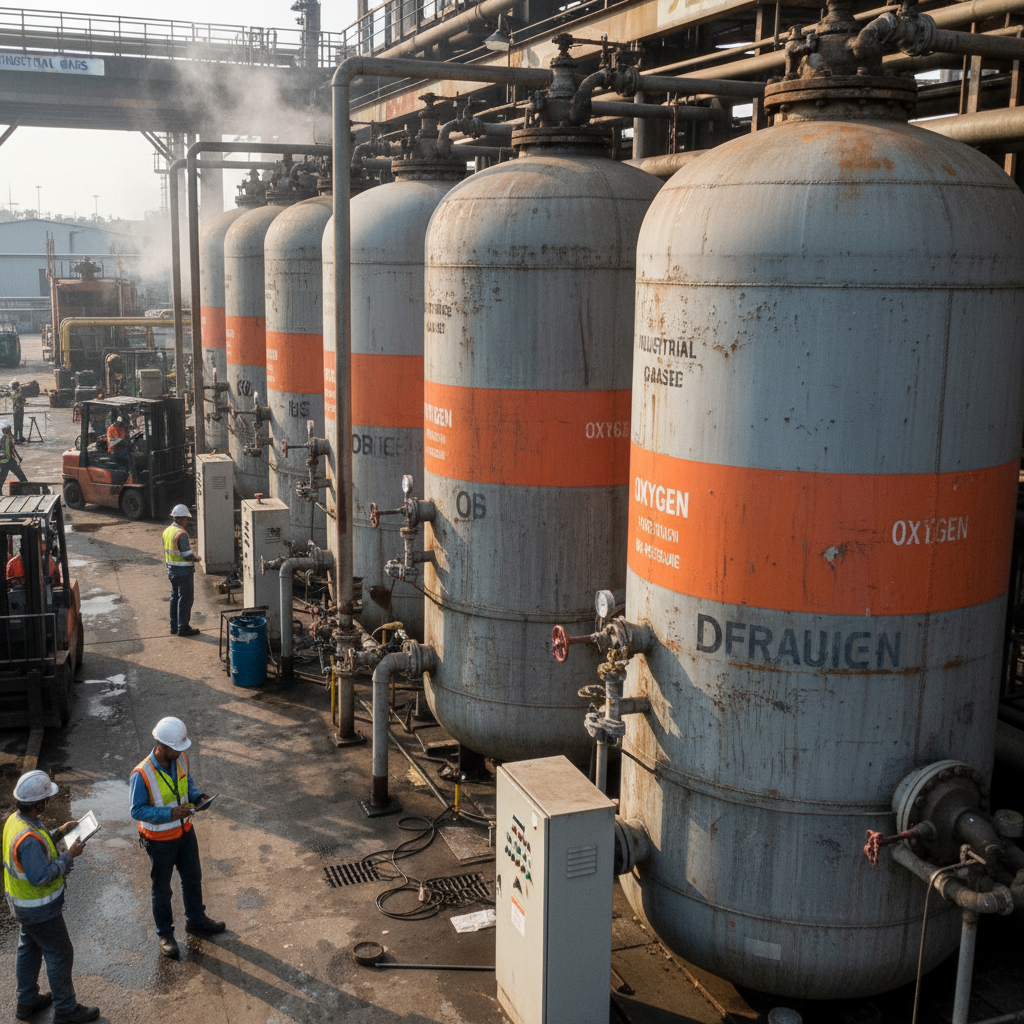
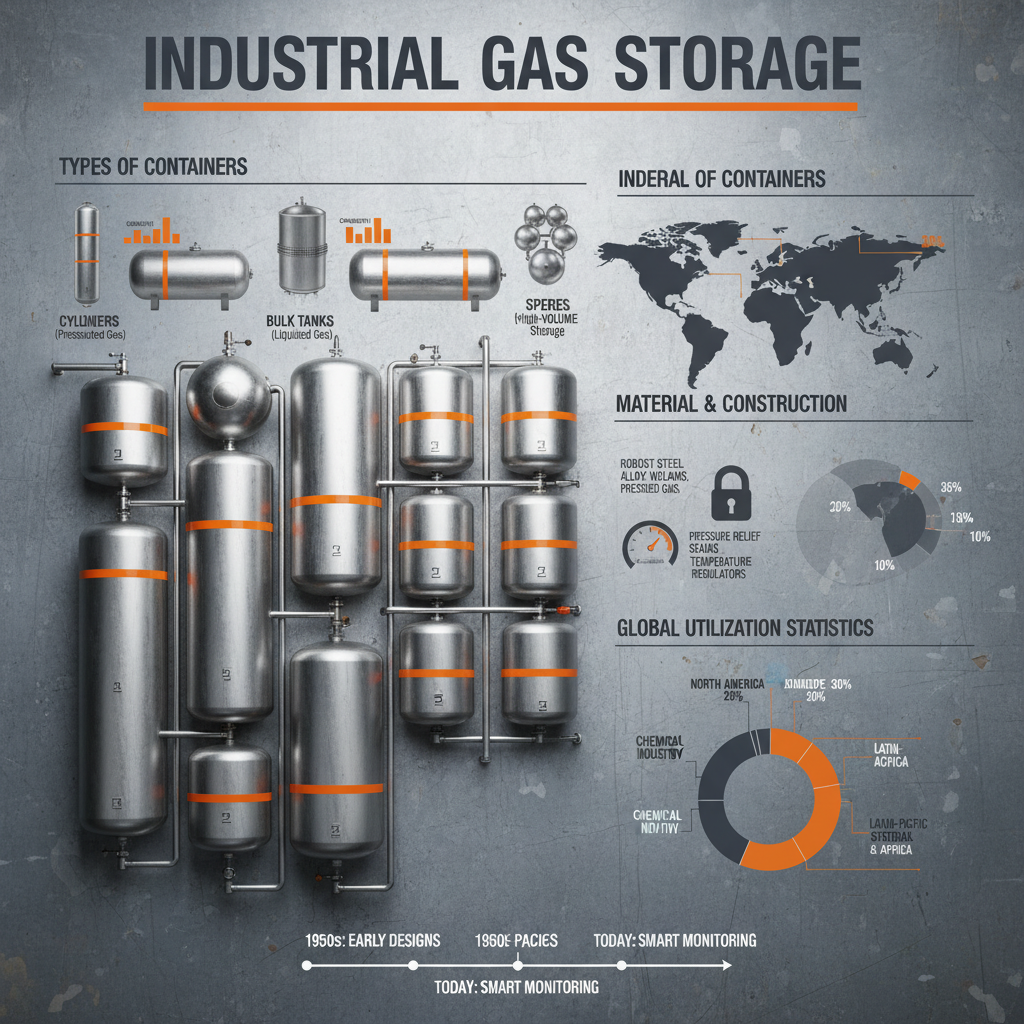
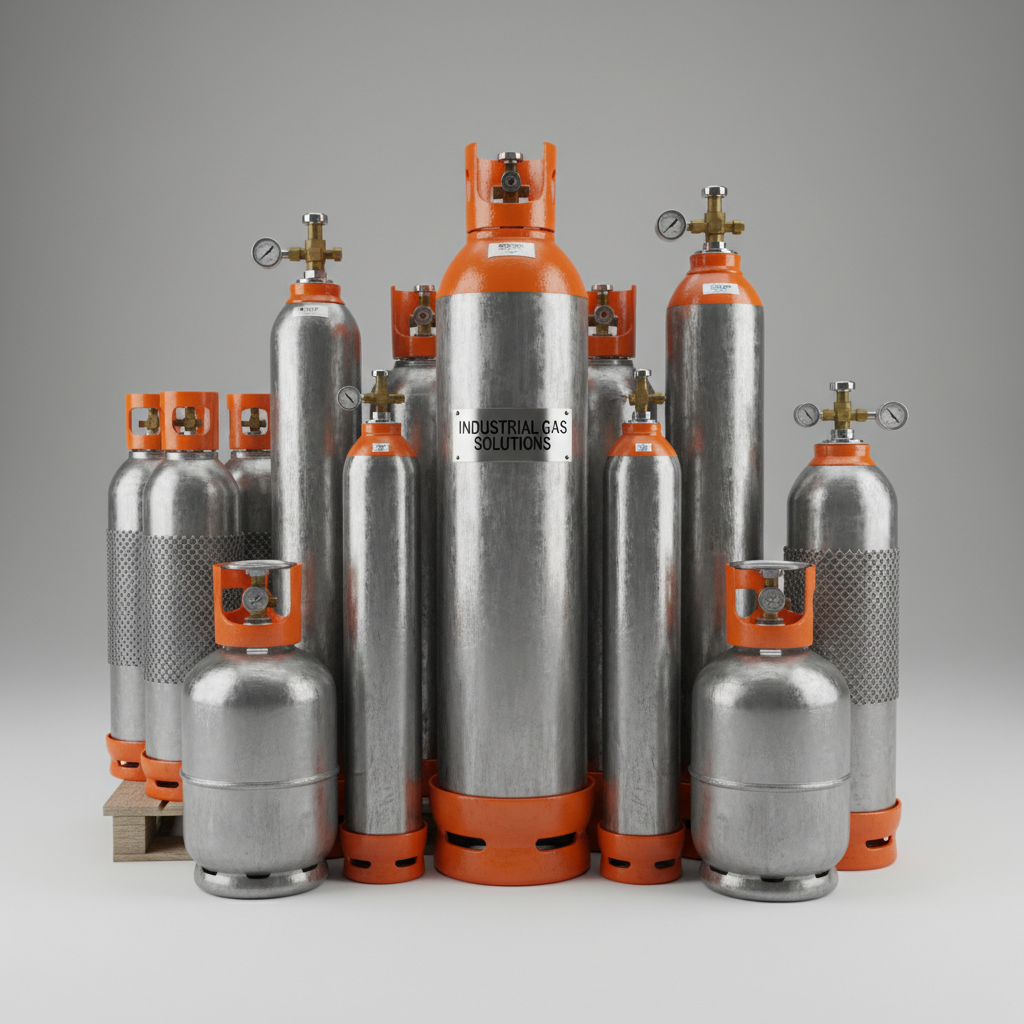
Gas containers are essential components of modern industry and emergency response, facilitating the safe and efficient storage and transportation of a wide variety of gases. From industrial applications like welding and manufacturing to medical uses such as oxygen delivery and disaster relief efforts, these containers play a crucial role in numerous sectors globally. Understanding their design, safety features, and proper handling is paramount for protecting lives and infrastructure.
The global demand for gas containers is driven by several factors, including industrial growth, increasing healthcare needs, and the rising frequency of natural disasters. According to the United Nations, access to essential medical supplies, often transported in specialized gas containers, is a critical component of humanitarian aid. Furthermore, the World Bank reports a growing need for reliable energy solutions, many of which rely on compressed or liquefied gases housed within these containers. ISO standards dictate stringent safety regulations that govern their production and use.
Ultimately, advancements in gas container technology directly contribute to safer working environments, improved healthcare outcomes, and more effective disaster response, making them an indispensable part of our interconnected world.
Introduction to Gas Containers
Gas containers encompass a broad spectrum of vessels designed to safely contain gases under pressure or in liquefied form. Their primary function is to facilitate the storage, transportation, and use of gases, ranging from common industrial gases like oxygen and nitrogen to highly specialized compounds used in scientific research. The evolution of these containers has been directly linked to advancements in materials science and engineering.
Proper selection and maintenance of gas containers are critical for preventing accidents and ensuring operational efficiency. This requires a thorough understanding of the gas being contained, the environmental conditions, and the relevant safety regulations. A robust gas container infrastructure supports a multitude of industries, contributing significantly to economic growth and technological progress.
Defining Gas Containers
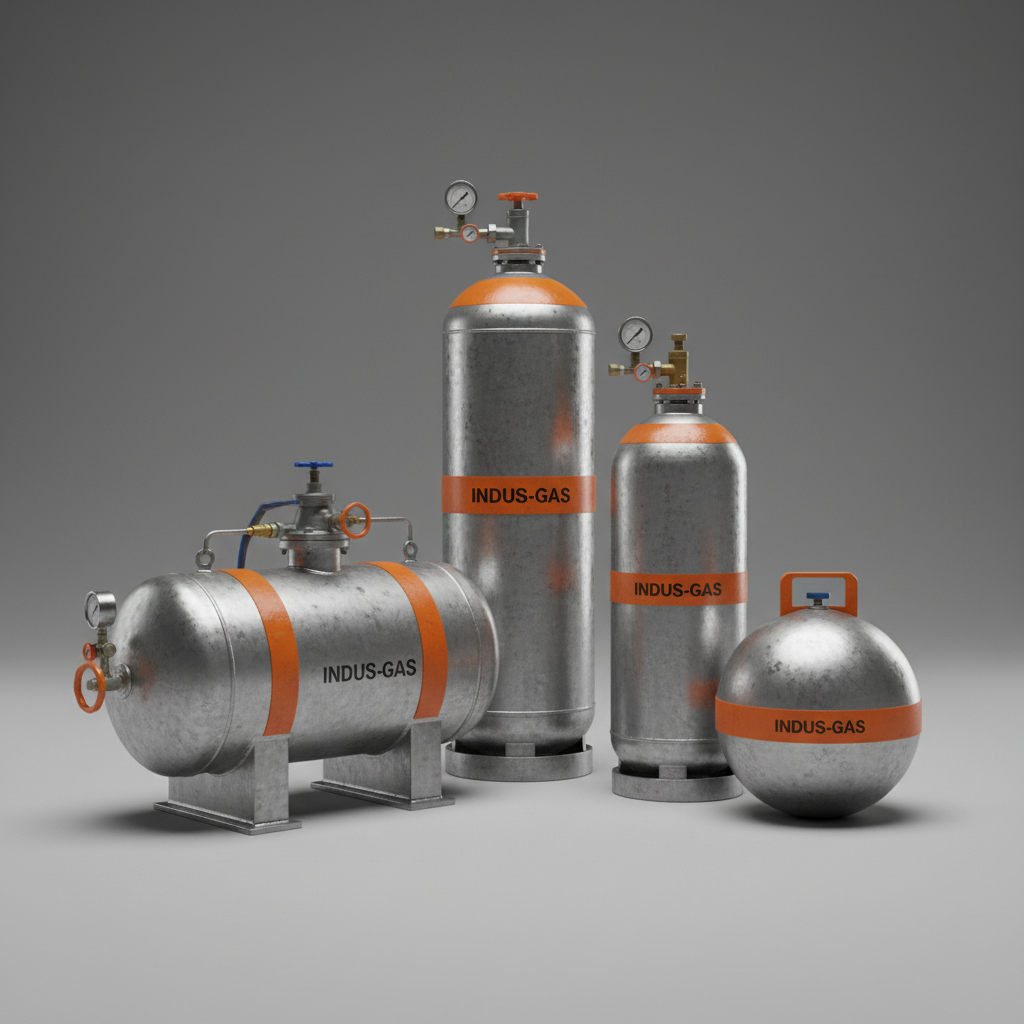
In simple terms, a gas container is a pressure vessel specifically engineered to hold gases. These containers come in various shapes and sizes, ranging from small, portable cylinders used for welding to large, stationary tanks employed in industrial plants. The key characteristic of a gas container is its ability to withstand significant internal pressure without compromising its structural integrity.
The connection to modern industry is undeniable. Gas containers are integral to processes such as metal fabrication, chemical production, food processing, and healthcare. In humanitarian contexts, they provide essential supplies like medical oxygen and anesthetic gases. Without reliable gas containers, many of these crucial activities would be impossible.
Beyond simple storage, modern gas containers incorporate sophisticated safety features, including pressure relief valves, burst discs, and robust materials designed to prevent leaks and explosions. This dedication to safety is paramount given the potential hazards associated with handling pressurized gases.
Key Factors in Gas Container Design
Several core elements contribute to the effective design and performance of gas containers. Firstly, material selection is paramount, with high-strength alloys like stainless steel and specialized aluminum alloys being commonly used to withstand high pressures and corrosive environments. Secondly, pressure rating dictates the maximum safe working pressure, crucial for matching the container to the gas it will hold.
Another crucial factor is safety features, which encompass pressure relief devices, leak detection systems, and robust valve assemblies. Finally, regulatory compliance is essential, as gas containers must adhere to stringent industry standards and certifications to ensure safe operation. These factors work in concert to define the overall quality and reliability of a gas container.
Beyond these core features, considerations like portability, cost-effectiveness, and environmental impact also play a role in the design process. Manufacturers continually strive to balance these competing demands to create gas containers that are both safe and practical for a variety of applications.
Durability and Material Science
The durability of gas containers is fundamentally linked to the materials used in their construction. High-strength steel alloys, known for their resistance to corrosion and fatigue, are frequently employed. However, advanced composites and specialized aluminum alloys are gaining traction due to their lightweight properties and superior strength-to-weight ratios.
Material science plays a vital role in enhancing the lifespan and safety of these containers. Ongoing research focuses on developing new alloys with improved fracture toughness, enhanced corrosion resistance, and reduced susceptibility to hydrogen embrittlement, a common issue with high-pressure vessels.
Gas Container Material Performance Comparison
Global Applications of Gas Containers
Gas containers find applications in a diverse range of industries worldwide. In the medical sector, they are indispensable for storing and transporting vital gases like oxygen, nitrous oxide, and helium used in anesthesia and respiratory therapy. Manufacturing industries rely heavily on gas containers for welding, cutting, and other processes requiring shielding gases like argon and carbon dioxide.
In remote industrial zones, such as oil and gas platforms and mining operations, gas containers provide a critical supply of compressed air and other specialized gases. Furthermore, in post-disaster relief operations, gas containers deliver essential medical supplies and support emergency response teams. These containers are also vital to the aerospace industry, providing gases for propulsion and testing.
Advantages and Long-Term Value
The advantages of utilizing reliable gas containers are multifaceted. From a cost perspective, optimized container designs and durable materials reduce the frequency of replacements, lowering overall operational expenses. Sustainability is also enhanced, as longer-lasting containers contribute to reduced waste and resource consumption.
Beyond the tangible benefits, gas containers deliver significant social impact by enabling life-saving medical treatments and supporting essential industrial processes. The emotional reassurance of safety and reliability builds trust with stakeholders, and the continuous innovation in container technology fosters a culture of progress and efficiency.
Future Trends and Innovations
The future of gas containers is poised for significant advancements driven by several key trends. The integration of smart sensors and IoT technology will enable real-time monitoring of pressure, temperature, and gas levels, enhancing safety and predictive maintenance capabilities. Furthermore, the development of lightweight, high-strength composite materials will lead to more portable and fuel-efficient containers.
The increasing focus on green energy solutions is also driving innovation in gas container design, with a growing demand for containers optimized for storing and transporting hydrogen and other renewable gases. Digital transformation and automation are streamlining container tracking and logistics, further improving efficiency and reliability.
Challenges and Solutions
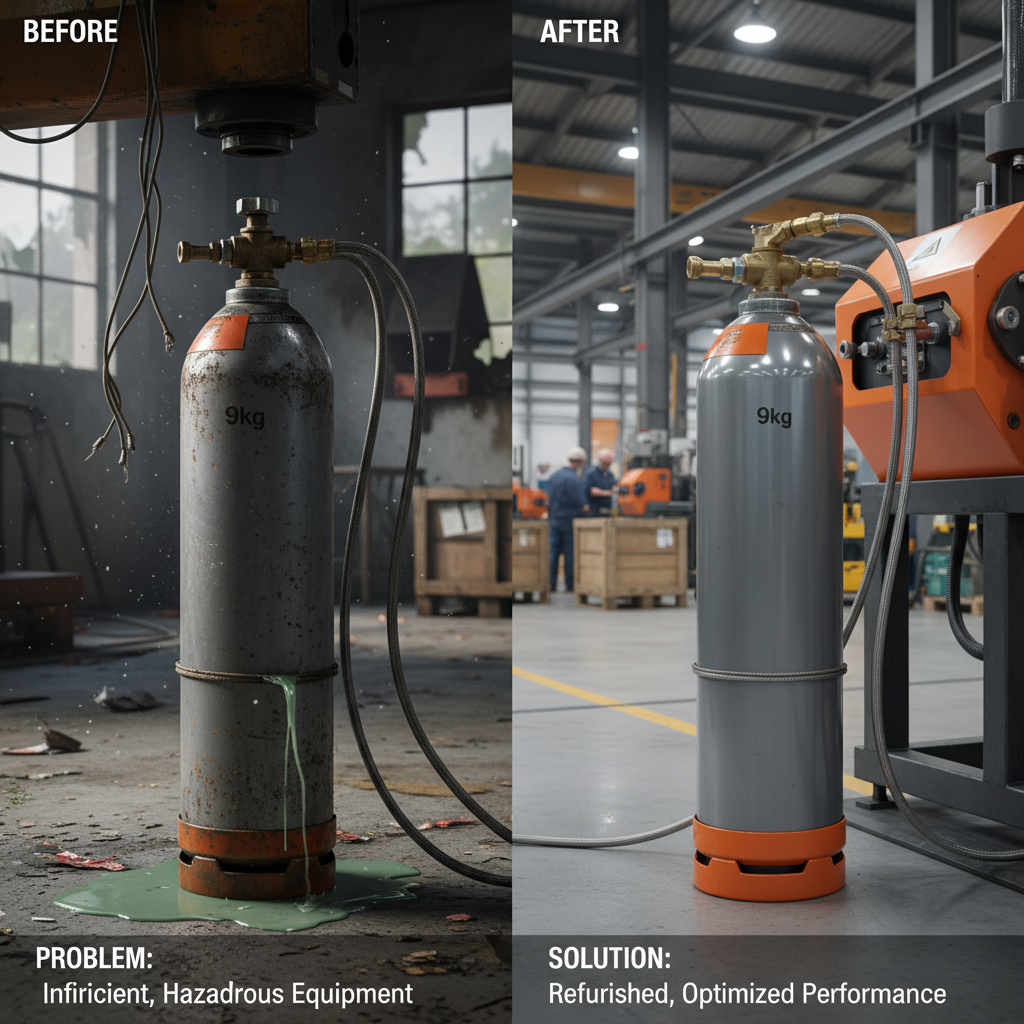
Despite advancements, challenges remain in the realm of gas container technology. Corrosion, particularly in harsh environments, remains a persistent issue, requiring ongoing material research and protective coatings. The cost of advanced materials and manufacturing processes can also be a barrier to widespread adoption, especially in developing countries.
Solutions include investing in corrosion-resistant alloys, developing more cost-effective composite materials, and implementing robust inspection and maintenance programs. Furthermore, collaborative efforts between industry, research institutions, and regulatory bodies can accelerate the development and deployment of innovative technologies.
Summary of Gas Container Inspection and Maintenance Best Practices
| Inspection Type |
Frequency |
Key Checkpoints |
Remedial Action |
| Visual Inspection |
Daily/Pre-Use |
Dents, corrosion, valve leaks, label integrity |
Remove from service, repair/replace |
| Hydrostatic Testing |
Every 5-10 years (depending on regulations) |
Structural integrity at maximum pressure |
Re-certification or removal from service |
| Valve Inspection |
Annually |
Leak tightness, proper operation |
Repair or replace valve |
| Internal Inspection |
Periodically (based on usage) |
Corrosion, scale buildup, material degradation |
Cleaning, coating, or replacement |
| Pressure Relief Device Check |
Annually |
Proper function and set pressure |
Adjustment or replacement |
| External Surface Assessment |
Monthly |
Paint condition, visible damage, weld integrity |
Repainting, repair, further inspection |
FAQS
The lifespan of a gas container heavily depends on the material, usage intensity, and maintenance schedule. Generally, high-quality steel containers can last 15-20 years, while composite containers might offer a similar lifespan, although careful monitoring for delamination is crucial. Regular inspections, including hydrostatic testing, are vital for extending its service life. Proper storage and handling also play a significant role in maximizing the container’s longevity.
Hydrostatic testing frequency is dictated by regulatory standards and the container’s intended use. Typically, steel gas containers require testing every 5 to 10 years, whereas composite containers might need testing more frequently. It’s crucial to consult local regulations and the container manufacturer’s recommendations for specific guidelines. This test verifies the container’s ability to withstand its maximum working pressure, ensuring its structural integrity.
Always secure gas containers to prevent tipping or falling. Use appropriate hand trucks or dollies designed for cylinder transport. Never expose containers to extreme temperatures or direct sunlight. Store them in a well-ventilated area away from flammable materials. Always use the correct regulator and fittings and inspect them for leaks before use. Wear appropriate personal protective equipment (PPE) such as gloves and safety glasses.
Composite containers offer advantages in terms of weight and corrosion resistance, potentially reducing the risk of certain failures. However, they require careful inspection for delamination and fiber damage. Steel containers, while heavier, have a well-established inspection and repair infrastructure. Both types are safe when manufactured to standards and properly maintained. The ‘safer’ option depends on the specific application and diligence in adhering to safety protocols.
Gas containers must be properly decommissioned and disposed of to prevent environmental contamination. Steel containers can often be recycled, but they must first be emptied and purged of any residual gas. Composite containers present a greater disposal challenge due to the complex materials used in their construction. Contacting a certified recycling facility is crucial for ensuring responsible disposal practices and minimizing environmental impact.
Selecting the correct gas container requires careful consideration of several factors. These include the type of gas being stored, the required pressure, the intended usage environment, and applicable regulations. Consulting with a gas supplier or a qualified container specialist is highly recommended. They can help you determine the appropriate material, size, and safety features for your specific needs. Always prioritize compliance with industry standards.
Conclusion
Gas containers are indispensable components of countless industries and critical for emergency response efforts worldwide. Their design, durability, and safety features are continuously evolving through advancements in material science and engineering, driven by the need for greater efficiency, sustainability, and reliability. Understanding the key factors that influence gas container performance is paramount for ensuring safe and effective operations.
Looking ahead, the integration of smart technologies and a growing emphasis on green energy solutions will further transform the landscape of gas container technology. By embracing innovation and prioritizing safety, we can unlock the full potential of these vital vessels and contribute to a more sustainable and secure future. For reliable gas containers and expert guidance, visit our website today!