Gas bottles are essential components across a vast spectrum of industries and applications globally. From providing fuel for heating and cooking to serving as critical elements in medical, scientific, and industrial processes, their reliable and safe containment of gases is paramount. The increasing demand for portable and efficient energy solutions, coupled with the need for specialized gases in various sectors, continually drives innovation and improvements in gas bottle technology and standards. Understanding the intricacies of gas bottle design, safety protocols, and emerging trends is therefore crucial for businesses, consumers, and regulatory bodies alike.
The global market for gas bottles is significant and continuously expanding, reflecting the diverse and growing needs of modern society. According to reports, the industry is projected to experience substantial growth in the coming years, driven by factors like expanding industrialization in developing nations, the rising adoption of liquefied petroleum gas (LPG) for domestic use, and the increased demand for specialty gases in healthcare and technology. However, challenges such as ensuring consistent safety standards, efficient transportation, and environmentally responsible disposal remain crucial concerns demanding ongoing attention and investment.
Ultimately, effective management of gas bottles contributes to economic development, public health, and environmental sustainability. The technology underpins crucial functions, from emergency services relying on medical oxygen to manufacturing processes requiring inert shielding gases.
The Importance of Gas Bottle Safety and Standards
Safety is the foremost concern regarding gas bottles. Strict adherence to international standards, such as those set by ISO and national regulatory bodies, is essential to prevent accidents and ensure public well-being. These standards govern material specifications, manufacturing processes, testing procedures, and periodic inspection requirements for gas bottles. Failing to meet these standards can lead to catastrophic failures, resulting in explosions, fires, or the release of hazardous gases.
Regular inspections and maintenance are also vital components of gas bottle safety. Visual checks for corrosion, dents, or other damage, along with hydrostatic testing to verify the structural integrity of the cylinder, should be performed periodically by qualified personnel. Proper handling, storage, and transportation procedures are equally important to minimize the risk of accidental damage or leakage.
Defining Gas Bottles: Types and Applications
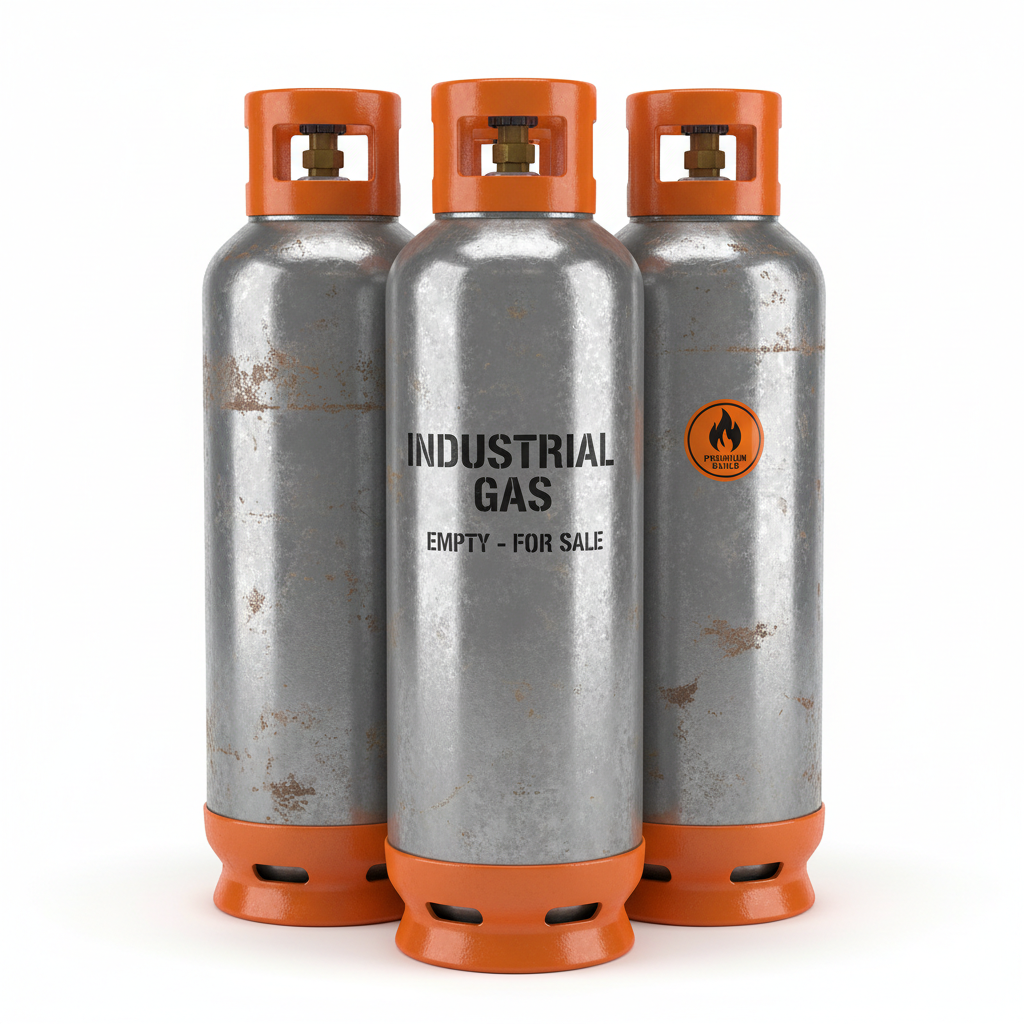
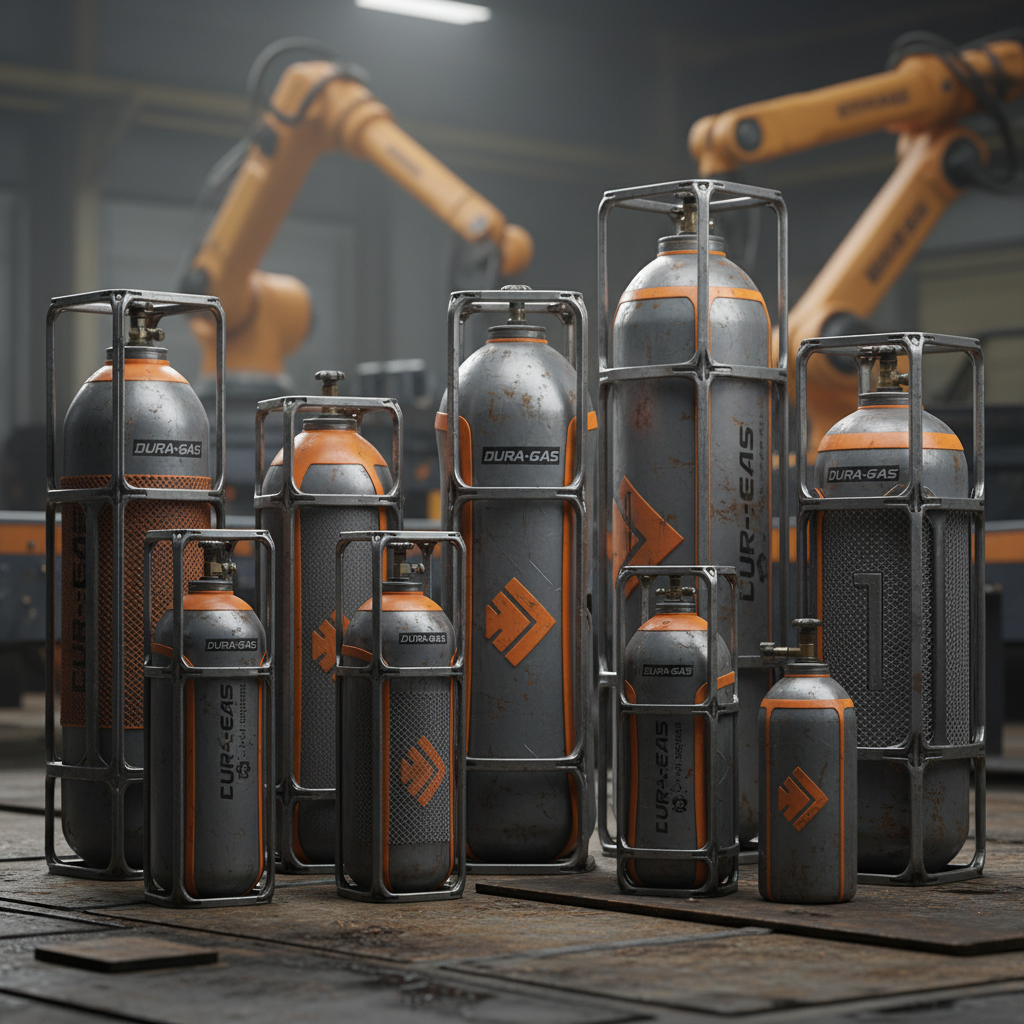
A gas bottle, also known as a gas cylinder, is a pressure vessel designed to store and contain compressed, liquefied, or dissolved gases. These containers come in various sizes, materials, and configurations, depending on the type of gas they are intended to hold and the intended application. Common materials used in gas bottle construction include steel, aluminum, and composite materials, each offering different advantages in terms of strength, weight, and corrosion resistance.
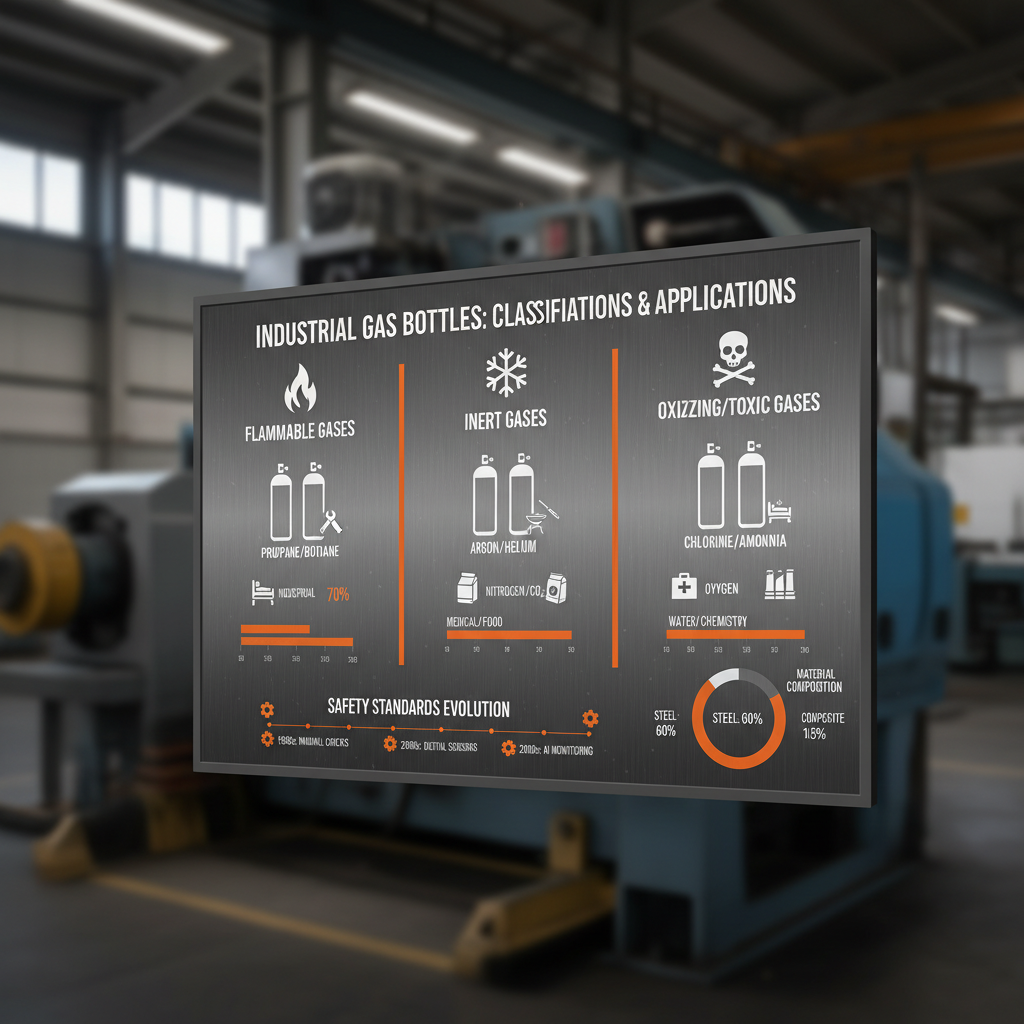
Gas bottles are categorized based on the gas they contain, such as oxygen, nitrogen, argon, propane, butane, acetylene, and carbon dioxide. Applications are equally diverse, ranging from medical oxygen delivery in hospitals to welding and cutting processes in industrial settings. Specialty gases, like helium and neon, are used in scientific research, electronics manufacturing, and cryogenics.
The precise type of gas bottle needed is dictated by the gas itself and the application. Some gases require specialized valve fittings, pressure ratings, and even internal coatings to ensure compatibility and prevent dangerous reactions.
Core Components of a Reliable Gas Bottle
Several key components contribute to the reliability and safety of a gas bottle. The cylinder itself, constructed from high-strength materials, is the primary pressure-containing element. The valve assembly, typically made of brass or stainless steel, controls the flow of gas and incorporates safety features like pressure relief devices.
The collar or shroud protects the valve and provides a means for securely attaching the bottle to equipment or transportation devices. Markings and labels on the bottle provide vital information, including the gas type, pressure rating, manufacturing date, and inspection history. These markings are crucial for identification and safe handling.
Modern gas bottles often incorporate advanced features like automatic shut-off valves, digital pressure gauges, and RFID tags for tracking and inventory management. The quality and integrity of each component play a critical role in preventing leaks, ensuring consistent pressure, and safeguarding against potential hazards.
Global Applications of Gas Bottles Across Industries
The applications of gas bottles span a remarkable breadth of industries. In healthcare, medical oxygen gas bottles are indispensable for respiratory therapy, anesthesia, and emergency resuscitation. Industrial sectors rely heavily on gas bottles for welding, cutting, heat treating, and providing shielding gases for various manufacturing processes.
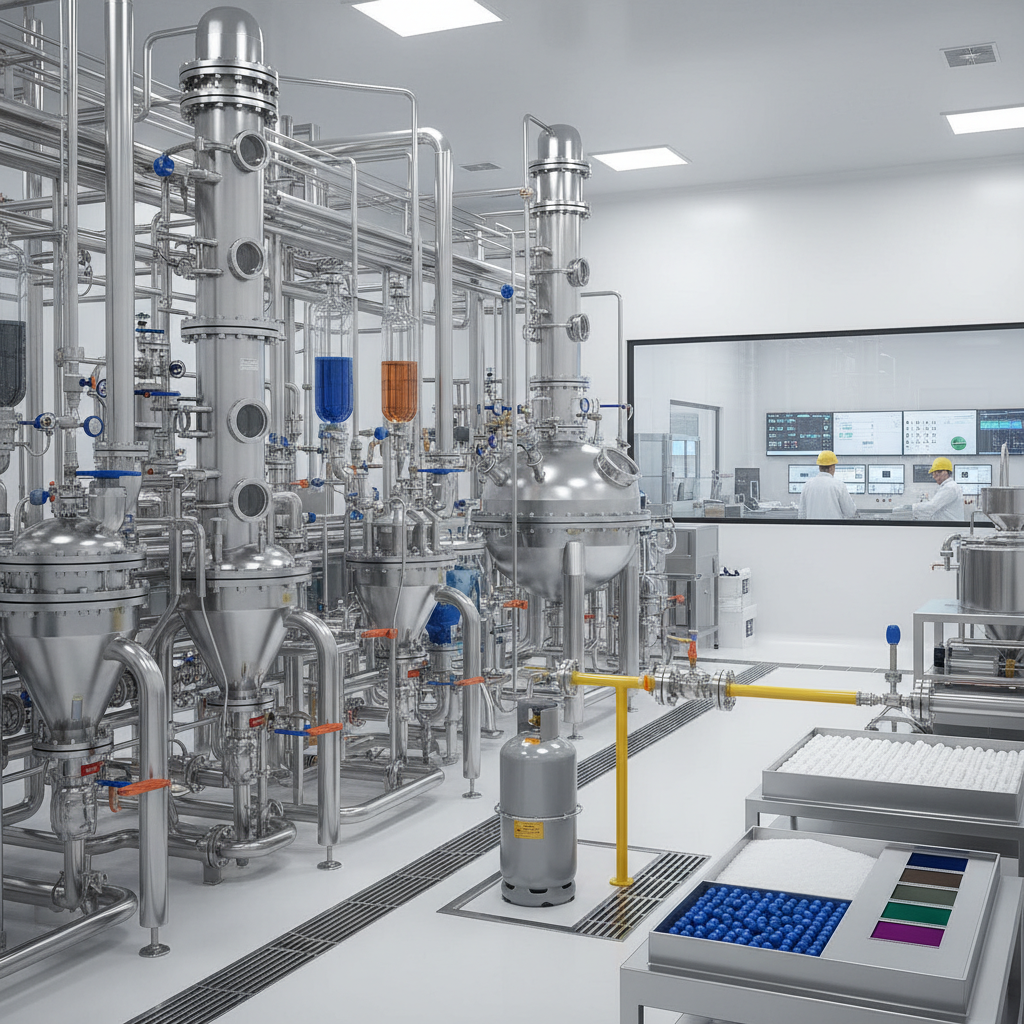
The food and beverage industry utilizes gas bottles for carbonation, modified atmosphere packaging, and cryogenic freezing. Laboratories and research facilities employ specialty gases stored in gas bottles for analytical instrumentation, experiments, and quality control. In post-disaster relief operations, gas bottles containing essential gases like oxygen and propane are critical for providing medical care and basic necessities.
Even in remote industrial zones, like mining and oil & gas exploration, gas bottles provide essential fuels and gases for operations, proving the versatility and necessity of these cylinders across various domains.
Gas Bottle Usage by Industry (Global Percentage)
Advantages and the Long-Term Value Proposition
Utilizing gas bottles offers significant advantages, primarily stemming from their portability, efficiency, and safety. Unlike fixed gas supply systems, gas bottles can be easily transported to remote locations or areas without existing infrastructure. This portability is crucial for industries like construction, mining, and emergency services.
The inherent safety features of modern gas bottles, coupled with stringent regulatory oversight, minimize the risk of accidents and ensure responsible gas handling. Furthermore, the ability to precisely control gas flow and pressure makes gas bottles ideal for applications requiring consistent and reliable performance. The long-term value extends beyond immediate operational benefits, encompassing factors like reduced environmental impact through optimized gas usage and enhanced safety protocols.
Future Trends and Innovations in Gas Bottle Technology
The future of gas bottle technology is poised for significant advancements, driven by the need for increased safety, efficiency, and sustainability. Composite materials, offering a superior strength-to-weight ratio, are gaining traction as alternatives to traditional steel cylinders. Smart gas bottles, equipped with sensors and connectivity features, enable real-time monitoring of gas levels, pressure, and location, improving inventory management and safety.
Research into alternative gas storage methods, such as metal-organic frameworks (MOFs) and compressed gas adsorption, holds the potential to revolutionize gas storage density and efficiency. Furthermore, the integration of digital technologies, such as blockchain, can enhance traceability and security throughout the gas bottle supply chain.
Challenges in Gas Bottle Management and Potential Solutions
Despite the numerous advantages of gas bottles, several challenges remain. Maintaining accurate inventory tracking, ensuring timely inspections and recertifications, and preventing unauthorized refilling are persistent issues. Transportation of gas bottles, particularly over long distances, poses logistical complexities and safety concerns.
Implementing robust inventory management systems, leveraging RFID technology for tracking, and establishing standardized inspection protocols can mitigate these challenges. Investing in secure transportation infrastructure and adhering to strict safety regulations are also critical. Utilizing cloud-based platforms for data sharing and collaboration among stakeholders can streamline the entire gas bottle lifecycle.
The development of more durable and lightweight materials, coupled with innovative valve designs, can further enhance the safety and efficiency of gas bottles. Continuous research and development, coupled with proactive regulatory oversight, are essential for addressing emerging challenges and ensuring the sustainable use of gas bottle technology.
Summary of Gas Bottle Management Challenges and Solutions
| Challenge |
Impact |
Potential Solution |
Implementation Cost (1-10) |
| Inaccurate Inventory Tracking |
Lost Bottles, Inefficient Replenishment |
RFID Tagging & Cloud-Based System |
7 |
| Delayed Inspections |
Safety Risks, Regulatory Non-Compliance |
Automated Inspection Scheduling & Reminders |
5 |
| Unauthorized Refilling |
Safety Hazards, Product Contamination |
Secure Valve Designs & Serialized Tracking |
8 |
| Transportation Risks |
Damage, Leaks, Accidents |
Specialized Transport Vehicles & Protocols |
6 |
| Lack of Standardization |
Interoperability Issues, Increased Costs |
Industry-Wide Adoption of Common Standards |
9 |
| Environmental Concerns |
Disposal of Old Bottles, Gas Emissions |
Recycling Programs & Emission Reduction Technologies |
4 |
FAQS
The lifespan of a gas bottle isn't fixed and depends on factors like material, usage frequency, and adherence to maintenance schedules. Regulations typically require hydrostatic testing every 5-10 years to ensure continued structural integrity. However, with proper care and regular inspections, a well-maintained gas bottle can last for decades. It's crucial to always adhere to local regulations and manufacturer recommendations regarding inspection and recertification.
Visual inspections should be performed before each use to check for dents, corrosion, or damage to the valve. More thorough hydrostatic testing, which involves pressurizing the cylinder to a specified level, is generally required every 5-10 years depending on the jurisdiction and the gas contained. Keep detailed records of all inspections and maintenance performed.
Gas bottles should be stored in a cool, dry, well-ventilated area away from direct sunlight, heat sources, and flammable materials. They should be secured to prevent tipping or falling and kept upright. Separate incompatible gases to prevent hazardous reactions. Clearly label the storage area with appropriate hazard warnings.
Refilling gas bottles is generally not recommended and often illegal without proper certification and equipment. Improper refilling can compromise the cylinder's structural integrity and lead to dangerous situations. Always use a qualified and licensed gas supplier for refilling services. They will ensure the bottle is properly inspected and filled to the correct pressure.
Markings on a gas bottle provide essential information, including the gas type, maximum allowable pressure, manufacturing date, serial number, and inspection history. Understanding these markings is crucial for safe handling and proper identification of the gas contained. Consult the manufacturer's documentation or a qualified gas professional if you have any questions about the markings.
If you suspect a gas leak, immediately evacuate the area and eliminate all ignition sources. Do not attempt to repair the leak yourself. Contact emergency services and a qualified gas professional to assess the situation and take appropriate action. Ensure the area remains well-ventilated until the leak is addressed.
Conclusion
Gas bottles represent a cornerstone of modern industry and daily life, providing a safe and efficient means of storing and transporting essential gases. From healthcare and manufacturing to emergency services and research, their versatility and reliability are indispensable. Understanding the core principles of gas bottle safety, maintenance, and emerging technologies is paramount for ensuring continued safe and sustainable operation.
Looking ahead, innovation in materials, monitoring technologies, and regulatory frameworks will further enhance the performance and safety of gas bottles. By embracing these advancements and prioritizing best practices, we can unlock the full potential of gas bottle technology while safeguarding public health and the environment. For all your gas bottle needs, visit our website at www.whipways.com.