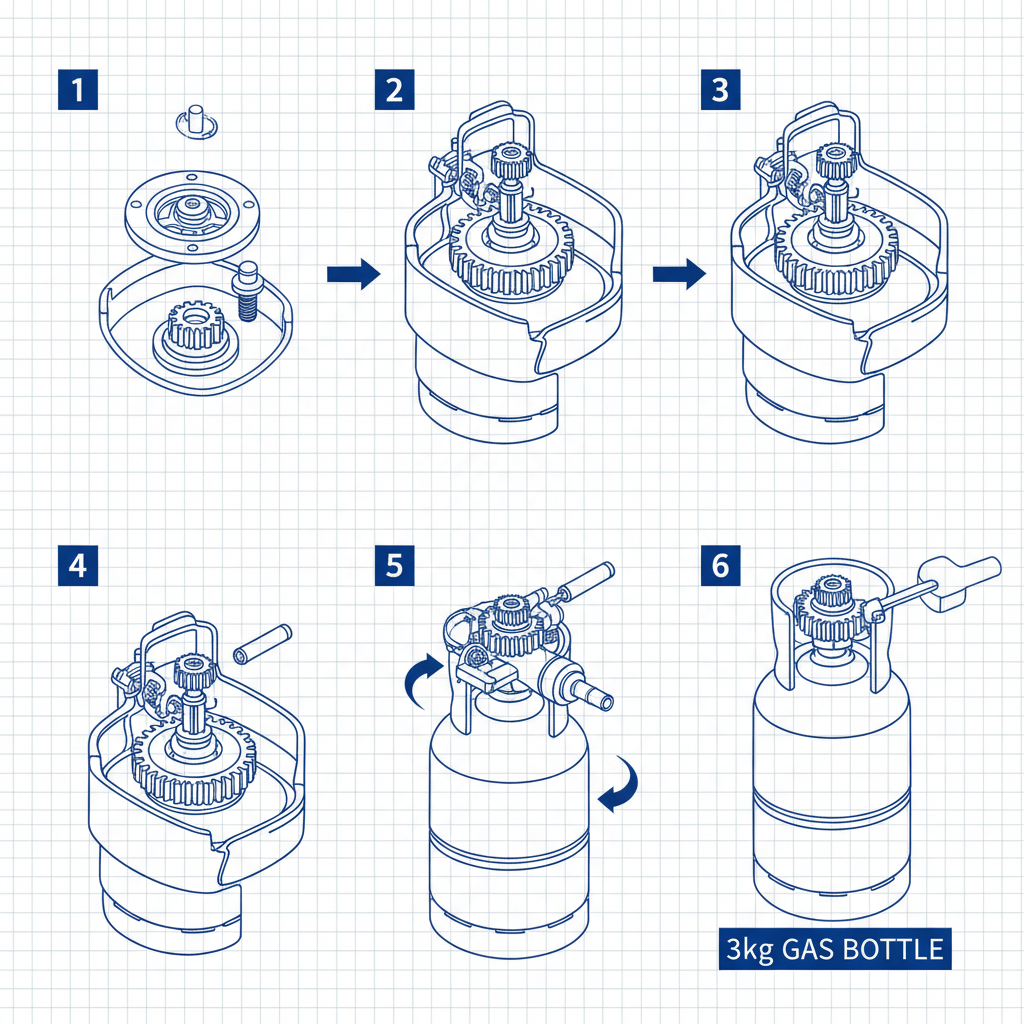
The humble gas cylinder is a cornerstone of modern industry, healthcare, and even everyday life. From providing essential medical oxygen to fueling industrial processes, these pressurized vessels play a critical, yet often unseen, role in countless applications globally. Understanding the intricacies of gas cylinders – their design, regulation, safe handling, and evolving technologies – is crucial for ensuring safety, efficiency, and responsible resource management.
The global demand for industrial and medical gases continues to rise, driven by growth in sectors like manufacturing, healthcare, and energy. This escalating demand directly correlates to the increasing production and utilization of gas cylinders. International standards, such as those established by the ISO, and regional regulations govern the manufacture, testing, and transportation of these cylinders to ensure public safety. The development and implementation of robust gas cylinder management systems are therefore essential.
The importance of understanding gas cylinder technology extends beyond purely industrial applications. In disaster relief scenarios, the provision of medical oxygen via portable gas cylinders can be life-saving. Furthermore, emerging applications in clean energy, like hydrogen fuel cells, rely heavily on the safe and efficient storage and transport of gases within specialized cylinders.
Defining Gas Cylinder Technology
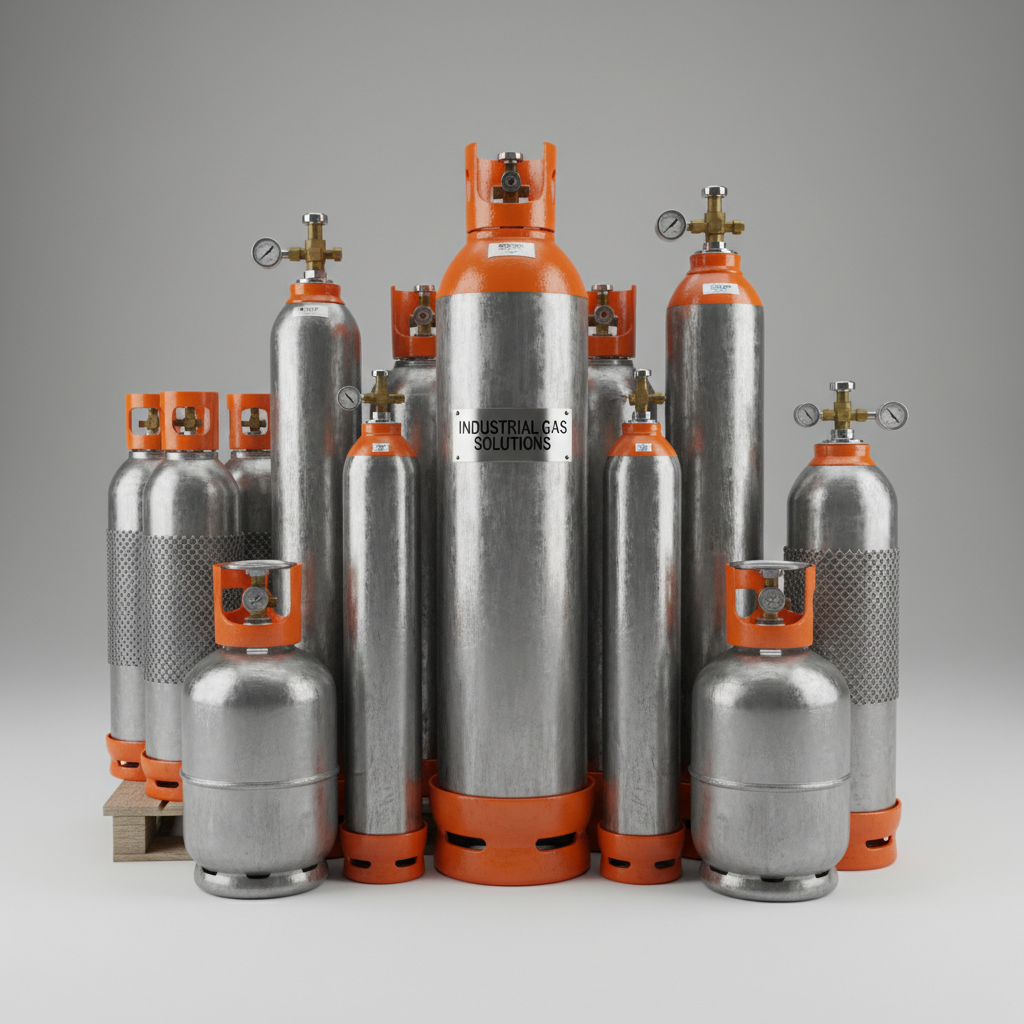
A gas cylinder, in its simplest form, is a pressurized container designed to store and transport gases. These cylinders come in various sizes, materials, and configurations, tailored to the specific gas they contain and its intended application. Crucially, they aren't merely containers; they're engineered safety systems incorporating features like pressure relief valves and robust construction to withstand significant internal pressures.
The development of reliable gas cylinder technology has been instrumental in the advancement of modern medicine, industrial processes, and scientific research. From providing breathable air for underwater exploration to enabling advancements in materials science, the availability of safely stored and transportable gases has unlocked countless possibilities. It is a foundational element in many essential services.
Global Relevance and Industry Context
The global market for industrial gases, and by extension, gas cylinders, is substantial and continuously expanding. According to market research reports, the global industrial gas market was valued at over USD 170 billion in 2023 and is projected to reach nearly USD 250 billion by 2030. This growth is driven by increased demand from sectors like healthcare, manufacturing, food and beverage, and electronics.
The United Nations and various international regulatory bodies (e.g., ISO, European Industrial Gases Association - EIGA) have established stringent safety standards for the design, manufacturing, testing, and transportation of gas cylinders. These standards aim to minimize the risk of accidents and ensure the safe handling of potentially hazardous materials. Compliance with these standards is paramount for manufacturers and users alike.
A significant challenge within the industry revolves around ensuring the integrity of aging cylinders and preventing accidents related to corrosion, fatigue, or improper handling. Efficient tracking and maintenance programs, alongside the development of more durable materials, are crucial for addressing this ongoing concern.
The Anatomy of a Gas Cylinder
A typical gas cylinder isn’t just a metal container. It comprises several essential components working in concert to ensure safe storage and dispensing of gas. These include the cylinder body (typically made of steel or aluminum), the valve assembly (controlling gas flow), the pressure relief device (preventing over-pressurization), and various markings identifying the cylinder’s contents, pressure rating, and manufacturer.
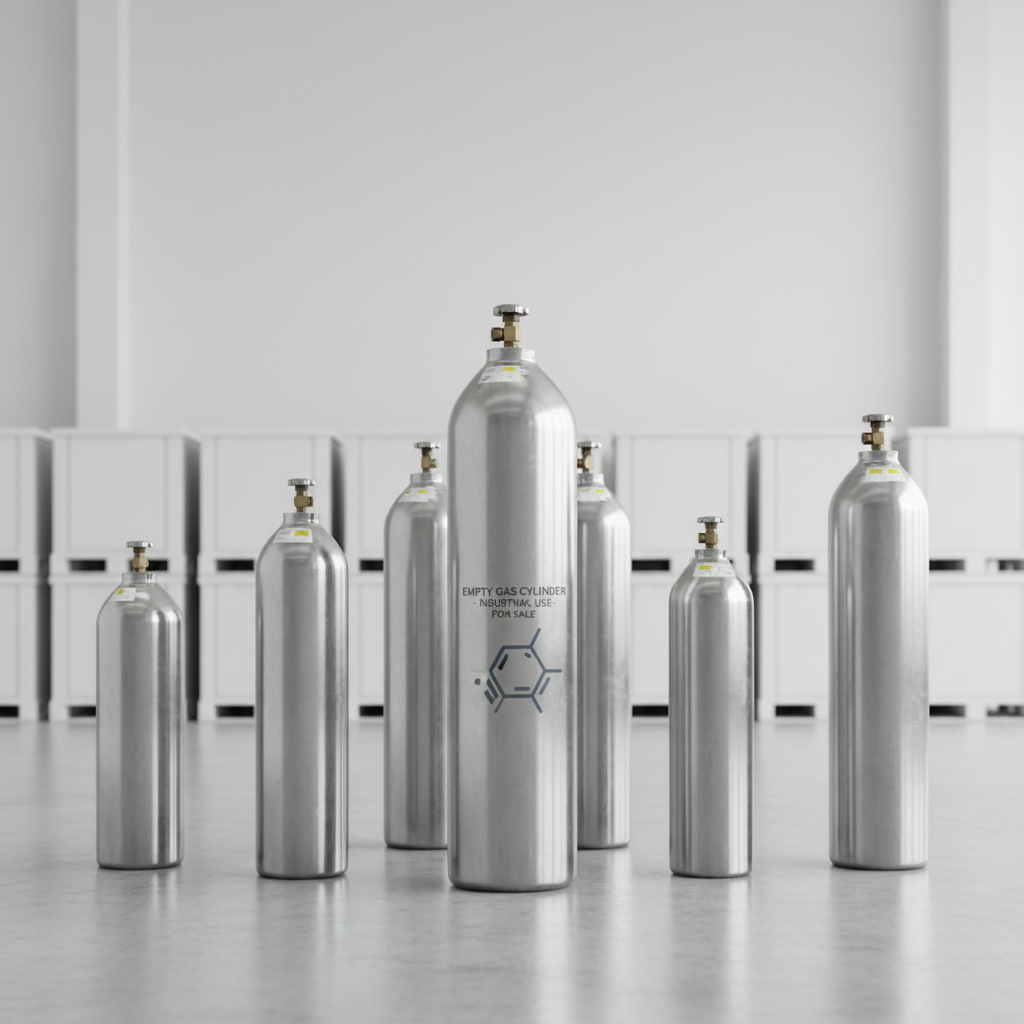
The cylinder body’s material selection is crucial, dictated by the gas being stored and the required pressure. Steel offers high strength and is suitable for many gases, while aluminum provides lighter weight, ideal for applications where portability is important. The valve assembly is designed to be compatible with the gas and includes features like a handwheel for easy operation and a connection port for regulators and other equipment.
Furthermore, each cylinder undergoes rigorous testing and inspection throughout its lifecycle, including hydrostatic testing to verify its structural integrity. Periodic inspections and recertification are vital to maintain safety and compliance with regulations. Proper labeling and markings clearly identify the gas contained, hazard warnings, and other crucial information.
Key Performance Indicators of Gas Cylinders
Evaluating the performance of gas cylinders requires considering several key factors. One crucial metric is burst pressure – the pressure at which the cylinder will fail. Cylinders are designed with a significant safety margin, typically with a burst pressure several times higher than their working pressure.
Another important indicator is corrosion resistance. Cylinders exposed to harsh environments are prone to corrosion, which can compromise their structural integrity. Material selection and protective coatings play a vital role in mitigating corrosion risks.
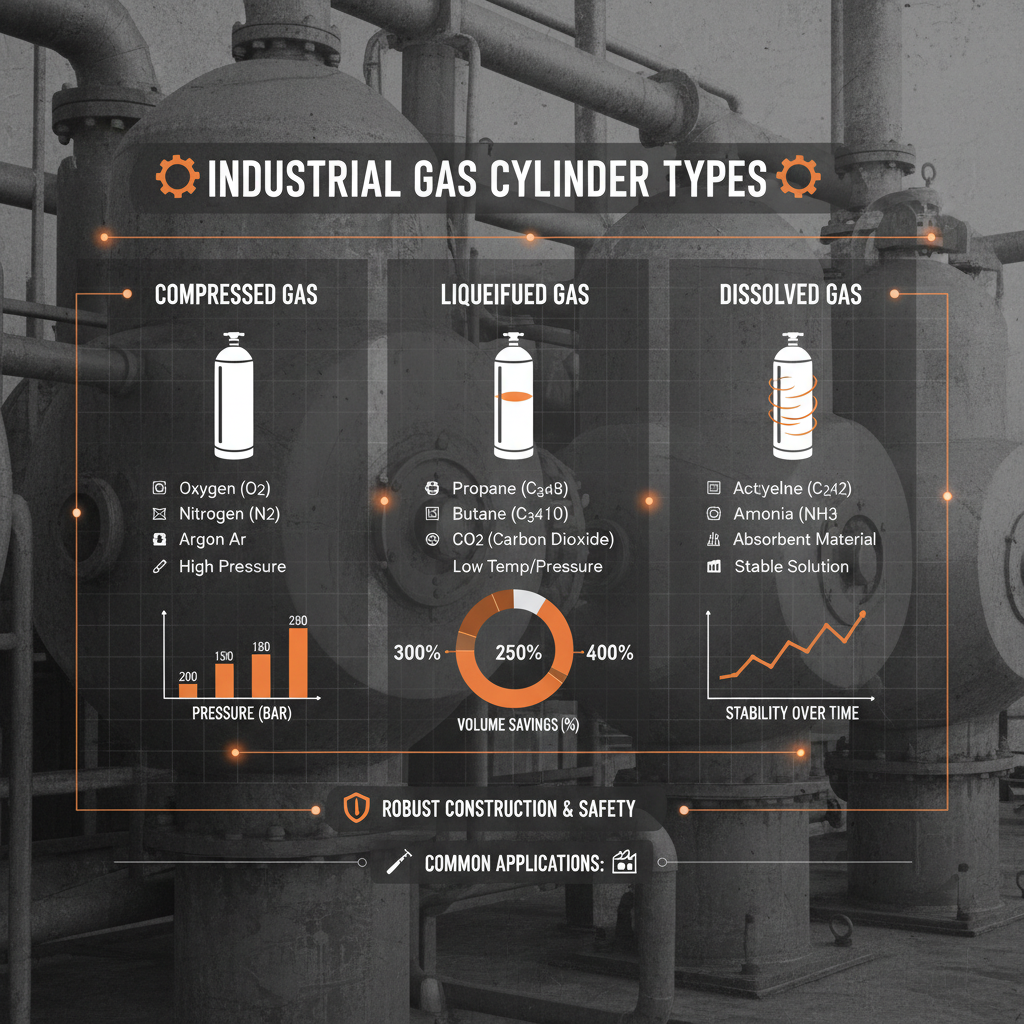
Gas Cylinder Performance Ratings
Applications Across Industries and Geographies
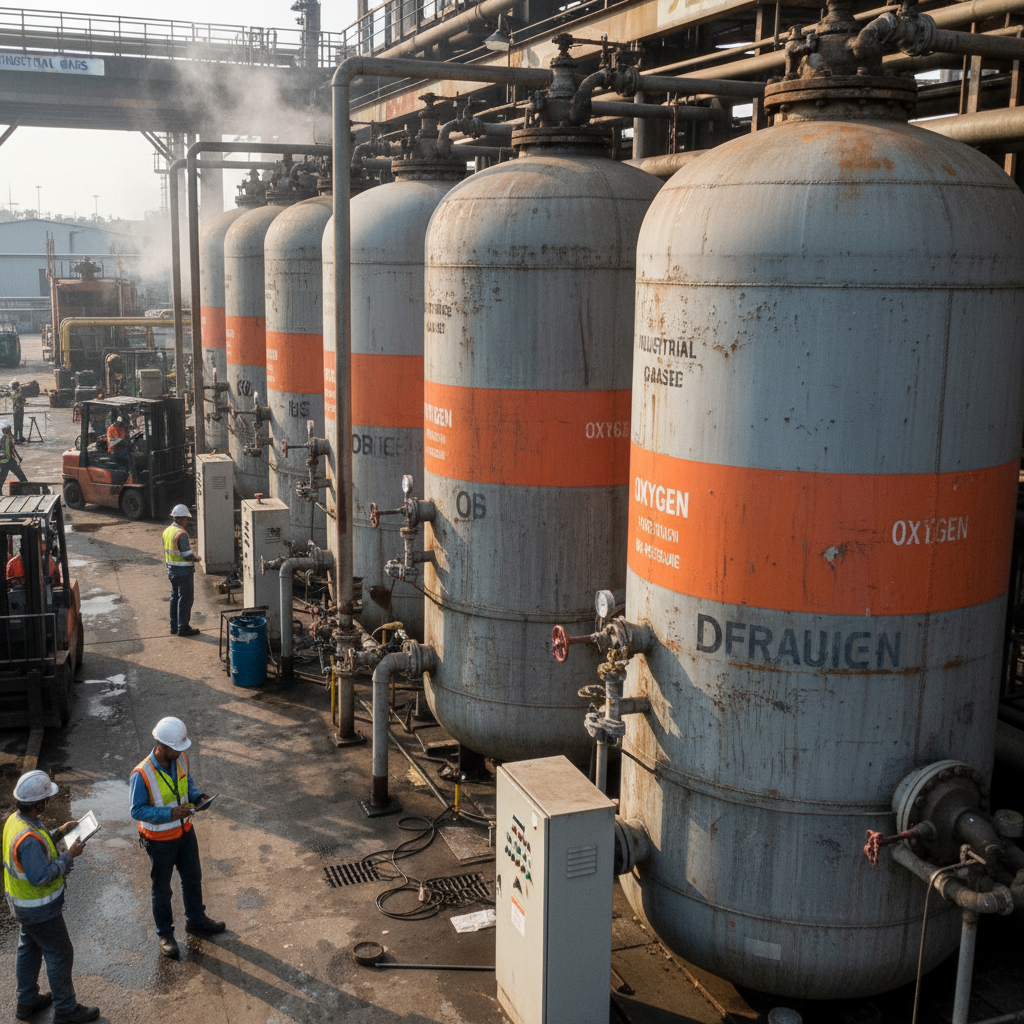
Gas cylinders are indispensable across a vast spectrum of industries. In healthcare, they provide medical oxygen, nitrous oxide, and other life-supporting gases. Industrial applications include welding, cutting, heat treating, and chemical processing. The food and beverage industry utilizes gases like carbon dioxide for carbonation and nitrogen for packaging preservation.
Geographically, demand is concentrated in industrialized nations like the United States, China, Germany, and Japan. However, emerging economies in Asia and Latin America are experiencing rapid growth in gas consumption, driving increased demand for gas cylinders. In remote industrial zones, reliable cylinder supply chains are critical for operational continuity.
Advantages and Long-Term Value Proposition
The use of gas cylinders offers numerous advantages. They provide a convenient and relatively cost-effective method for storing and transporting gases, particularly when compared to alternatives like on-site gas generation. Their portability makes them ideal for applications where flexibility and mobility are essential.
Beyond the immediate cost benefits, gas cylinders contribute to enhanced safety. Proper handling procedures, coupled with robust cylinder design, minimize the risk of accidents. Sustainable practices, such as cylinder refurbishment and recycling, further enhance their long-term value.
Investing in high-quality gas cylinders and implementing comprehensive cylinder management programs fosters trust and reliability, essential for maintaining operational efficiency and adhering to stringent regulatory requirements.
Future Trends and Innovations in Gas Cylinder Design
The future of gas cylinder technology is focused on enhancing safety, improving efficiency, and embracing sustainability. Research and development efforts are centered around the exploration of new materials, such as carbon fiber composites, which offer significantly reduced weight compared to traditional steel or aluminum.
Digital technologies, including IoT sensors and RFID tagging, are being integrated into cylinders to enable real-time tracking, pressure monitoring, and predictive maintenance. This data-driven approach allows for optimized cylinder management, reduced downtime, and enhanced safety.
Furthermore, the increasing demand for hydrogen as a clean energy carrier is driving innovation in high-pressure hydrogen storage cylinders, crucial for the development of fuel cell vehicles and stationary power generation systems.
Summary of Key Trends in Gas Cylinder Technology
| Material Innovation |
Digital Integration |
Sustainability Initiatives |
Safety Enhancements |
| Carbon fiber composites, advanced alloys |
IoT sensors, RFID tagging, data analytics |
Cylinder refurbishment programs, recycling initiatives |
Improved pressure relief devices, enhanced valve designs |
| Lightweight materials for portable applications |
Real-time tracking and monitoring of cylinder location |
Reduced carbon footprint through efficient resource management |
Stringent quality control procedures during manufacturing |
| Corrosion-resistant coatings for extended cylinder lifespan |
Predictive maintenance based on sensor data |
Development of circular economy models for cylinders |
Compliance with international safety standards (ISO, EIGA) |
| Development of specialized materials for hydrogen storage |
Remote monitoring of cylinder pressure and fill levels |
Use of eco-friendly manufacturing processes |
Regular hydrostatic testing and inspections |
| Materials with higher strength-to-weight ratios |
Automated cylinder management systems |
Extended cylinder lifespan through proper maintenance |
Training programs for safe handling and operation |
| Self-healing materials to minimize damage from impacts |
Integration with supply chain management systems |
Reduced waste through efficient cylinder utilization |
Emergency response protocols in case of incidents |
FAQS
The lifespan of a steel gas cylinder depends on several factors, including the quality of manufacturing, the gas stored, the operating conditions, and the frequency of hydrostatic testing. Typically, a well-maintained steel cylinder can last for 20-30 years, provided it passes periodic inspections and hydrostatic tests every 5-10 years as mandated by regulations. Regular visual inspections for corrosion and damage are also crucial.
The frequency of hydrostatic testing is determined by regulatory standards and the type of gas cylinder. Generally, cylinders require hydrostatic testing every 5 years for DOT-specification cylinders, and every 10 years for cylinders manufactured to other standards. Hydrostatic testing involves pressurizing the cylinder with water to a pressure exceeding its working pressure to verify its structural integrity and identify any potential weaknesses.
Using damaged gas cylinders poses significant safety risks, including potential rupture or explosion. Corrosion, dents, gouges, and cracks can compromise the cylinder's structural integrity, leading to catastrophic failure. Damaged cylinders should be immediately taken out of service and inspected by a qualified professional. Never attempt to repair a damaged cylinder yourself.
Gas cylinders should be stored in a well-ventilated, secure area, away from heat sources, ignition sources, and incompatible materials. Cylinders should be stored upright and properly secured to prevent tipping. Valves should be protected with valve caps, and cylinders should be clearly labeled with their contents. Segregation of different gas types is essential to prevent hazardous reactions.
Both aluminum and steel gas cylinders are safe when manufactured and maintained according to industry standards. Aluminum cylinders are lighter in weight, making them easier to handle, but they may be more susceptible to damage from impacts. Steel cylinders are generally more robust and durable, but heavier. The choice between aluminum and steel depends on the specific application and user requirements.
Ensuring compliance requires staying informed about relevant regulations from organizations like DOT, ISO, and EIGA. Implementing a comprehensive cylinder management program, including regular inspections, hydrostatic testing, and proper labeling, is crucial. Training personnel on safe handling procedures and maintaining accurate records are also essential components of a compliant program.
Conclusion
In conclusion, gas cylinders are far more than simple containers; they are critical components underpinning a vast range of industries and applications essential to modern life. Their safe and efficient operation relies on robust design, stringent regulation, and meticulous maintenance. Understanding the nuances of gas cylinder technology is paramount for ensuring safety, optimizing performance, and promoting sustainability.
Looking ahead, continued innovation in materials science, digital integration, and sustainable practices will be pivotal in shaping the future of gas cylinder technology. By embracing these advancements, we can enhance the reliability, efficiency, and environmental responsibility of gas storage and transportation, unlocking new possibilities across various sectors and contributing to a safer, more sustainable future. Visit our website at www.whipways.com to learn more.