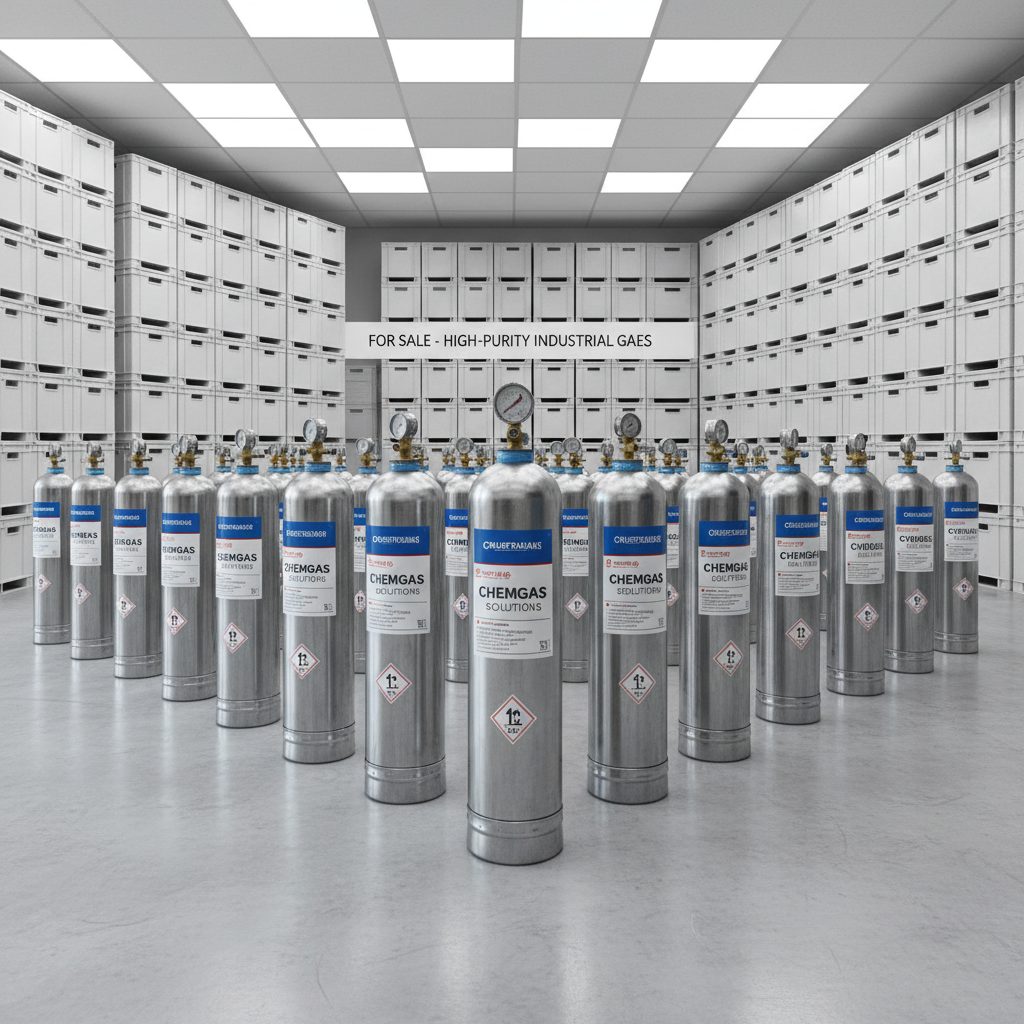
Welding gas bottles are essential components in numerous industrial and fabrication processes, providing the controlled atmosphere needed for various welding techniques. Their importance extends beyond simply supplying shielding gas; they represent a crucial element in ensuring weld quality, safety, and efficiency. Understanding the nuances of these bottles, from their construction and maintenance to safe handling procedures, is vital for professionals across a spectrum of industries, including construction, automotive, aerospace, and manufacturing. The demand for welding gas bottles is consistently high, driven by ongoing infrastructure development and manufacturing needs globally.
The global market for welding gas bottles is significantly influenced by economic growth, particularly in developing nations undergoing rapid industrialization. According to data from the World Steel Association, global steel production – a major driver of welding activity – continues to rise, demonstrating a sustained demand for associated consumables like welding gases and the bottles that contain them. ISO standards play a critical role in regulating the production, testing, and certification of these bottles, ensuring a consistent level of quality and safety worldwide.
A challenge in the industry lies in balancing cost-effectiveness with stringent safety requirements. Incorrect handling or poorly maintained welding gas bottles pose significant risks, including leaks, explosions, and potential injuries. Addressing these concerns through comprehensive training programs and adherence to industry best practices is paramount to maintaining a safe and productive work environment.
The Importance of Welding Gas Bottles
The significance of a reliable welding gas bottle extends far beyond simply holding pressurized gas. The type of gas, its purity, and consistent flow rate directly impact the quality and integrity of the weld. Poorly maintained or substandard bottles can lead to inconsistencies in gas delivery, causing porosity, oxidation, and ultimately, weakened weld joints. This can have catastrophic consequences in critical applications like pipeline construction or aerospace engineering.
Proper selection and maintenance of welding gas bottles are therefore paramount. Factors like bottle material, valve type, and hydrostatic testing schedules all play a crucial role in ensuring safe and efficient operation. Understanding these factors empowers welding professionals to make informed decisions and prioritize safety in their work.
Defining Welding Gas Bottles
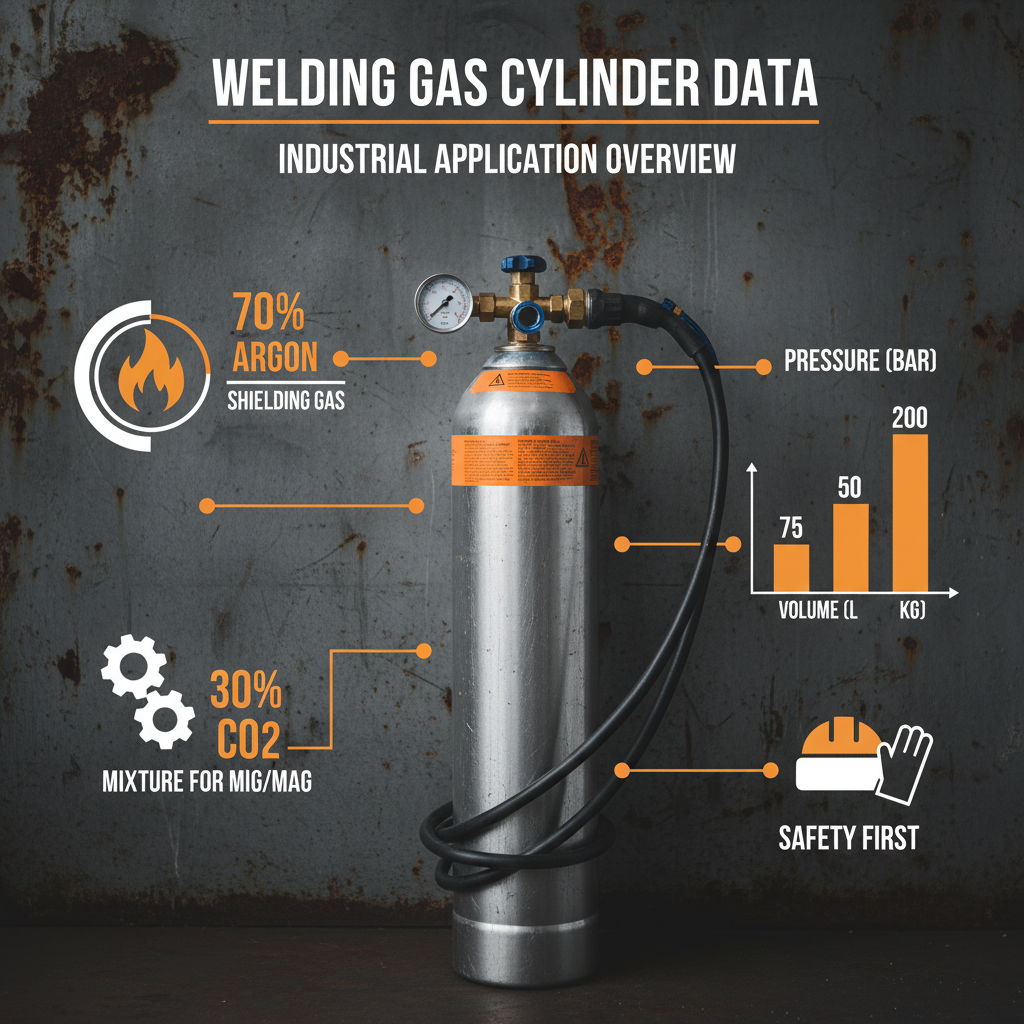
A welding gas bottle is a pressurized container designed to store and dispense shielding gases used during welding processes. These gases, such as argon, helium, carbon dioxide, and mixtures thereof, protect the molten weld pool from atmospheric contaminants like oxygen and nitrogen, preventing oxidation and ensuring a strong, clean weld. The bottles themselves are typically constructed from high-strength steel or composite materials capable of withstanding extremely high pressures.
Their connection to modern industry is undeniable. From large-scale shipbuilding and automotive manufacturing to intricate repairs in small workshops, welding gas bottles are integral to countless production processes. The development of more sophisticated welding techniques, like TIG and MIG welding, has further increased reliance on precise gas delivery systems facilitated by these bottles.
In humanitarian contexts, portable welding gas bottles are often crucial for rapid repairs of infrastructure and equipment in disaster relief efforts. Their ability to provide a localized, self-contained welding solution makes them invaluable in situations where access to traditional power sources or welding facilities is limited.
Core Components and Characteristics
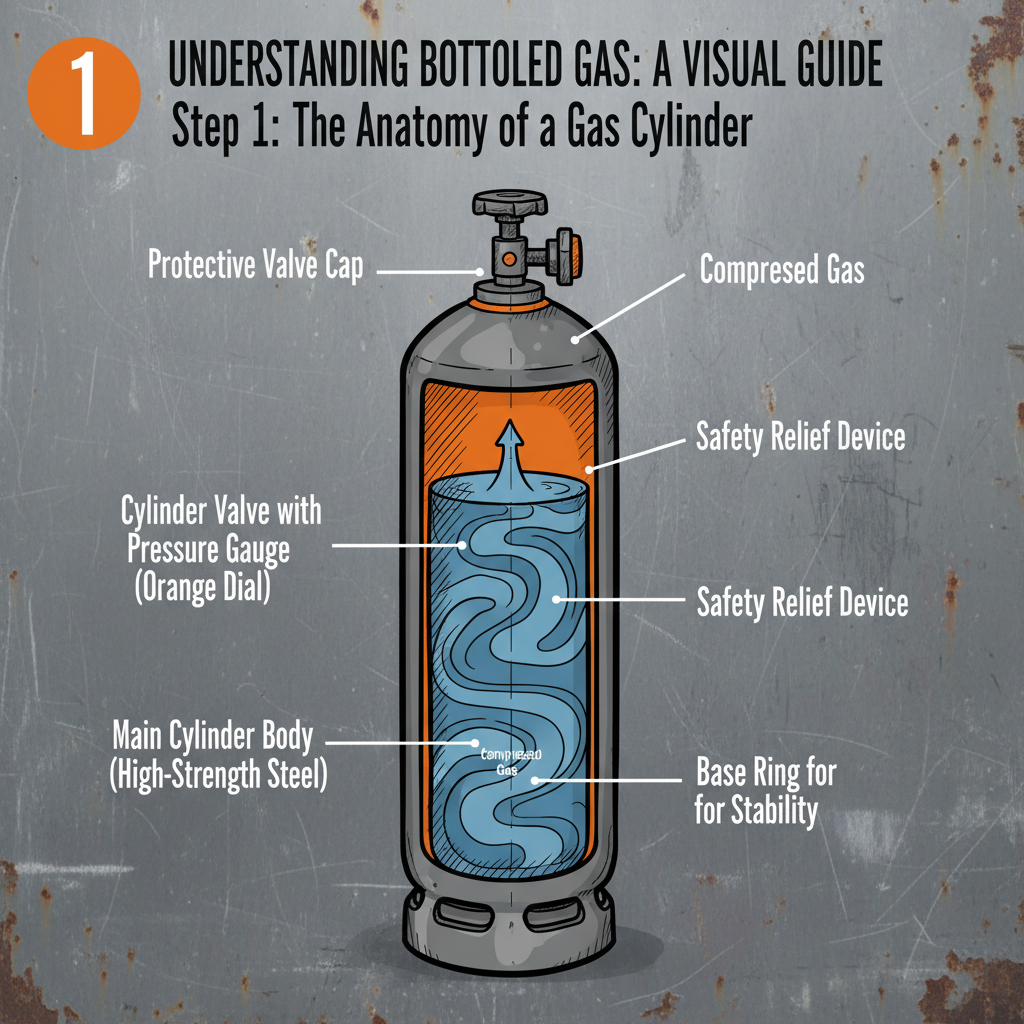
Several key aspects define a high-quality welding gas bottle. Firstly, the bottle material—typically high-strength steel—must exhibit exceptional resistance to pressure and corrosion. Secondly, the valve assembly, including the regulator connection and pressure relief device, needs to be robust and reliable. A properly functioning valve ensures consistent gas flow and prevents accidental overpressure.
Furthermore, the bottle's hydrostatic test date is a critical characteristic. All welding gas bottles are required to undergo periodic hydrostatic testing – a process where the bottle is filled with water and pressurized to a level significantly higher than its working pressure—to verify its structural integrity. Ignoring this testing schedule can compromise safety and invalidate any warranty. Finally, the bottle's capacity, measured in cubic feet or liters, determines how long it can supply gas before needing refilling.
Beyond these physical attributes, proper labeling and traceability are also crucial. Each bottle should be clearly marked with its capacity, working pressure, test date, and the gas it contains. This information ensures safe handling and prevents accidental mixing of different gases, which can create hazardous conditions.
Durability and Safety Standards
Durability in welding gas bottles isn't just about physical strength; it's about resistance to the stresses of repeated filling, transportation, and usage. Standards like those set by the Department of Transportation (DOT) in the US and similar regulatory bodies worldwide dictate the materials used, manufacturing processes, and testing procedures to ensure bottles can withstand these demands.
Safety standards are paramount. Welding gas bottles are classified as pressure vessels and are subject to rigorous regulations designed to minimize the risk of failure. These regulations cover everything from design and manufacturing to inspection, maintenance, and disposal. Proper handling, including securing bottles during transport and storing them in a well-ventilated area away from heat sources, is crucial for preventing accidents.
Welding Gas Bottle Failure Risk by Cause
Global Applications Across Industries
Welding gas bottles are ubiquitous across a vast range of industries. In the construction sector, they are used for welding structural steel, pipelines, and reinforcing bars. The automotive industry relies heavily on welding gas bottles for manufacturing vehicle frames, exhaust systems, and body panels. Aerospace utilizes them in the fabrication of aircraft components requiring precise and high-strength welds.
In remote industrial zones, like oil and gas facilities or mining operations, welding gas bottles provide a portable and reliable source of shielding gas for on-site repairs and maintenance. Similarly, in post-disaster relief operations, they are essential for quickly repairing damaged infrastructure and equipment, enabling emergency services to function effectively.
Advantages and Long-Term Value
The advantages of investing in high-quality welding gas bottles are manifold. Cost-effectively, durable bottles minimize the need for frequent replacements, reducing long-term expenses. The reliability of consistent gas flow contributes to higher weld quality, minimizing rework and scrap. From a sustainability perspective, proper maintenance and responsible disposal of bottles reduce environmental impact.
Furthermore, prioritizing safety through the use of certified and well-maintained welding gas bottles fosters trust and confidence among employees and clients. The ability to consistently deliver high-quality welds enhances a company’s reputation and strengthens its competitive edge. This ultimately translates into increased efficiency, reduced costs, and a safer working environment.
Future Trends and Innovations
The future of welding gas bottles is poised for innovation. Developments in composite materials are leading to lighter and more durable bottles, reducing transportation costs and improving portability. Smart bottles equipped with sensors to monitor gas levels, pressure, and temperature are emerging, providing real-time data and enhancing safety.
Digital integration, allowing for remote monitoring and inventory management of welding gas bottles, is also gaining traction. Furthermore, there's growing research into alternative shielding gases and gas mixtures that can reduce environmental impact and improve welding performance. The drive towards greater sustainability will likely accelerate the adoption of gas recycling technologies and more efficient bottle designs.
The integration of automation and robotics in welding processes will also necessitate increasingly sophisticated gas delivery systems, driving further innovation in welding gas bottle technology.
Summary of Welding Gas Bottle Maintenance Best Practices
| Maintenance Task |
Frequency |
Importance Level (1-10) |
Potential Consequences of Neglect |
| Visual Inspection for Damage |
Before Each Use |
10 |
Gas Leak, Bottle Rupture |
| Valve Leak Check |
Monthly |
9 |
Reduced Welding Quality, Gas Waste |
| Hydrostatic Testing |
Every 5 Years (or as required by regulation) |
10 |
Catastrophic Bottle Failure, Serious Injury |
| Regulator Inspection & Calibration |
Annually |
8 |
Inaccurate Gas Flow, Poor Weld Quality |
| Secure Storage (Chain/Strap) |
Always |
7 |
Bottle Tipping, Damage |
| Proper Labeling & Identification |
Upon Refill |
6 |
Incorrect Gas Usage, Potential Hazards |
FAQS
The lifespan of a welding gas bottle isn't a fixed number, but rather determined by its maintenance and adherence to testing schedules. With proper care – including regular visual inspections, hydrostatic testing every five years, and valve maintenance – a high-quality steel bottle can last for decades. Composite bottles typically have a shorter lifespan, often around 15-20 years, but offer weight savings. Following manufacturer guidelines and regulatory requirements is crucial for maximizing bottle longevity and ensuring safe operation.
Welding gas bottles are legally required to undergo hydrostatic testing at least every five years, though some jurisdictions may have stricter regulations. This test involves pressurizing the bottle with water to a level significantly higher than its working pressure to identify any weaknesses or potential failures. Failing to comply with hydrostatic testing requirements can invalidate warranties and, more importantly, compromise safety. Records of testing should be carefully maintained and readily available.
Using a damaged or expired welding gas bottle poses significant safety risks. Damage like dents, corrosion, or cracks can weaken the bottle’s structural integrity, increasing the likelihood of a catastrophic rupture during use. An expired bottle may have failed hydrostatic testing, indicating hidden defects. A rupture can release high-pressure gas, causing severe injury or even fatalities. Expired bottles also may not meet current safety standards.
Welding gas bottles should be stored in a well-ventilated, cool, and dry location, away from heat sources, direct sunlight, and combustible materials. They should be secured in an upright position using chains or straps to prevent tipping or falling. Bottles containing different gases should be segregated, and flammable gases should be stored separately from oxidizing gases. Avoid storing bottles in enclosed spaces where gas leaks could accumulate.
Using the correct regulator is crucial for safe and efficient gas delivery. The regulator must be compatible with the type of gas in the bottle and the intended welding process. It should also be rated for the bottle’s pressure and flow rate requirements. Always inspect the regulator for damage or leaks before use and ensure the connection to the bottle is tight and secure. Using an incompatible or damaged regulator can lead to inaccurate gas flow and potential hazards.
Refilling welding gas bottles is generally not recommended for individuals without proper training and equipment. It's a complex process that requires specialized knowledge, certified equipment, and adherence to strict safety regulations. Improper refilling can lead to overpressure, contamination, or even explosion. It’s best to have your bottles refilled by a qualified and certified gas supplier who can ensure they are filled safely and to the correct pressure.
Conclusion
Welding gas bottles are foundational to countless industries, providing the critical shielding gases necessary for producing high-quality, reliable welds. Their importance extends beyond mere gas containment, encompassing safety, durability, and adherence to rigorous standards. Understanding the core components, proper maintenance procedures, and emerging technologies surrounding these bottles is vital for professionals and businesses alike.
Looking ahead, continued innovation in materials, smart technologies, and sustainable practices will undoubtedly shape the future of welding gas bottles. Investing in high-quality bottles, prioritizing safety training, and staying informed about industry best practices will ensure the continued efficiency, reliability, and safety of welding operations for years to come. For all your welding gas bottle needs, visit our website: www.whipways.com.