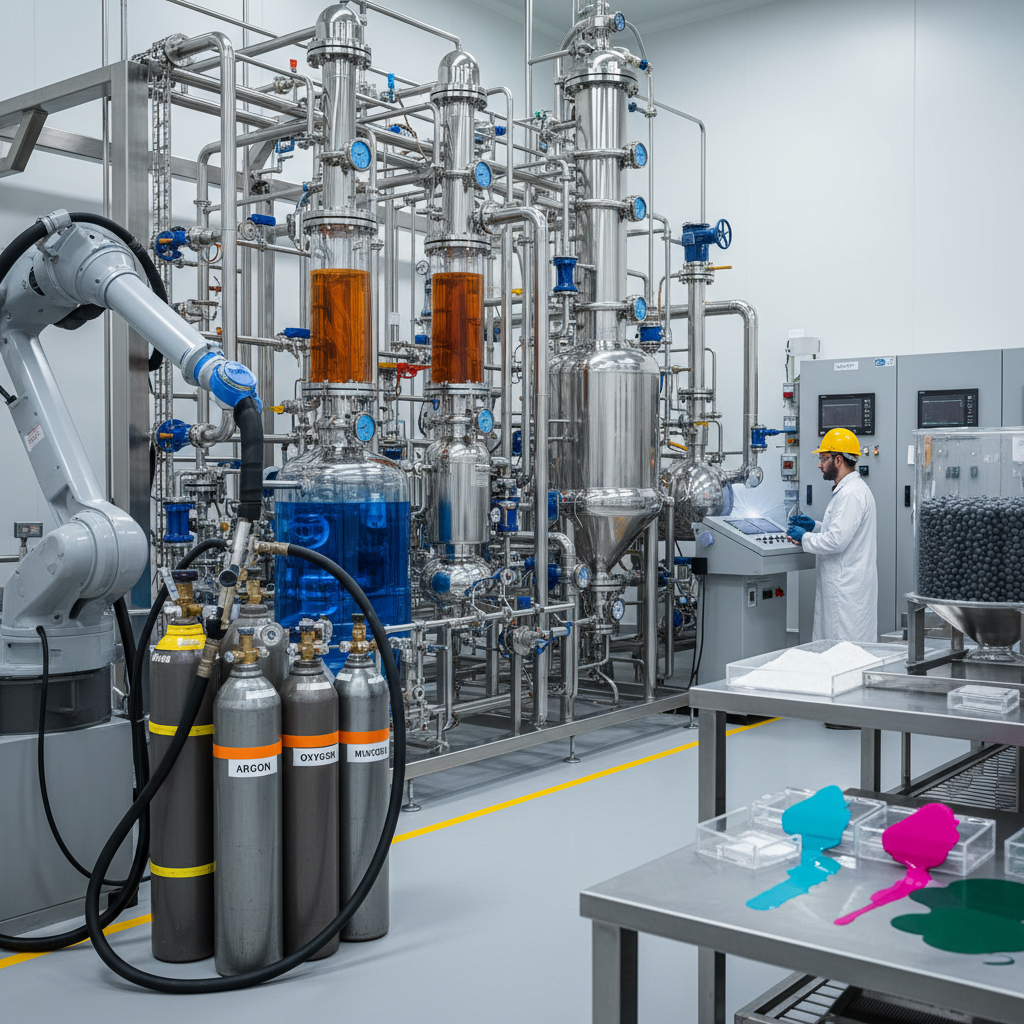
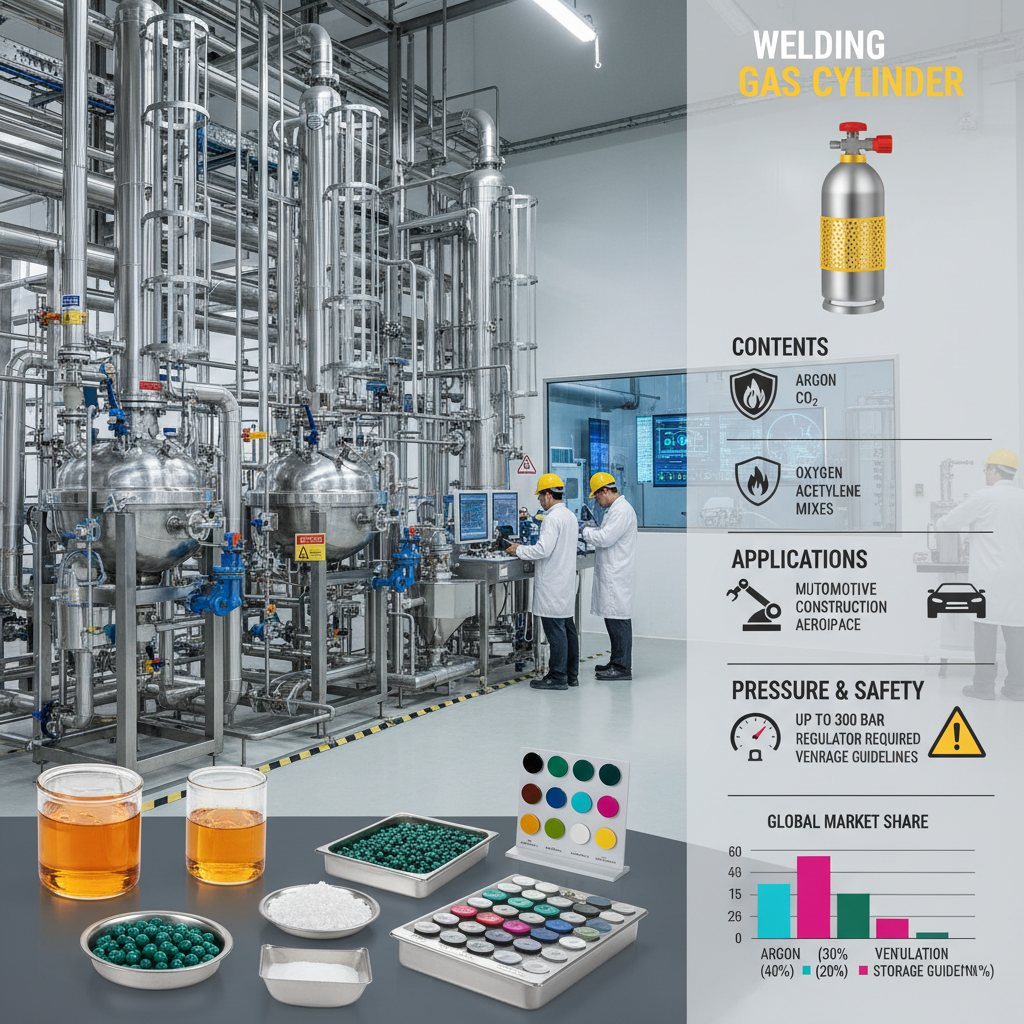
Welding gas cylinders are fundamental to numerous industrial processes, from precise metal fabrication to large-scale construction. These cylinders safely store and deliver gases like argon, helium, oxygen, and acetylene, crucial for achieving strong, clean, and efficient welds. Understanding the intricacies of welding gas cylinders—their types, safety protocols, and optimal applications—is paramount for maintaining operational integrity and worker safety across a wide spectrum of industries globally.
The global demand for welding gas cylinders is consistently driven by growth in manufacturing, infrastructure development, and the automotive and aerospace sectors. According to market research, the global industrial gas market, which includes welding gases, was valued at USD 171.4 billion in 2023 and is projected to reach USD 223.8 billion by 2030, exhibiting a CAGR of 3.9% during the forecast period. This growth emphasizes the continuing need for reliable and safe gas cylinder solutions.
Effective management and utilization of welding gas cylinders directly impact productivity, material quality, and cost-effectiveness in welding operations. A shortage or mismanagement can lead to costly downtime, compromised weld integrity, and potential safety hazards. Therefore, a comprehensive understanding of these cylinders is vital for anyone involved in welding processes, from skilled technicians to facility managers.
The Importance of Welding Gas Cylinders
Welding gas cylinders are not merely containers; they are integral components of the welding process, ensuring the quality and integrity of the finished product. The type of gas used, and therefore the cylinder supplying it, dictates the weld's strength, ductility, and resistance to corrosion. Selecting the appropriate gas and ensuring the cylinder's proper maintenance are critical for successful welding outcomes.
Beyond the technical aspects, the safe handling and storage of welding gas cylinders are paramount. These cylinders contain gases under high pressure, and improper handling can lead to serious accidents. Strict adherence to safety regulations, proper training, and regular inspections are essential for minimizing risks and ensuring a safe working environment.
Defining Welding Gas Cylinders
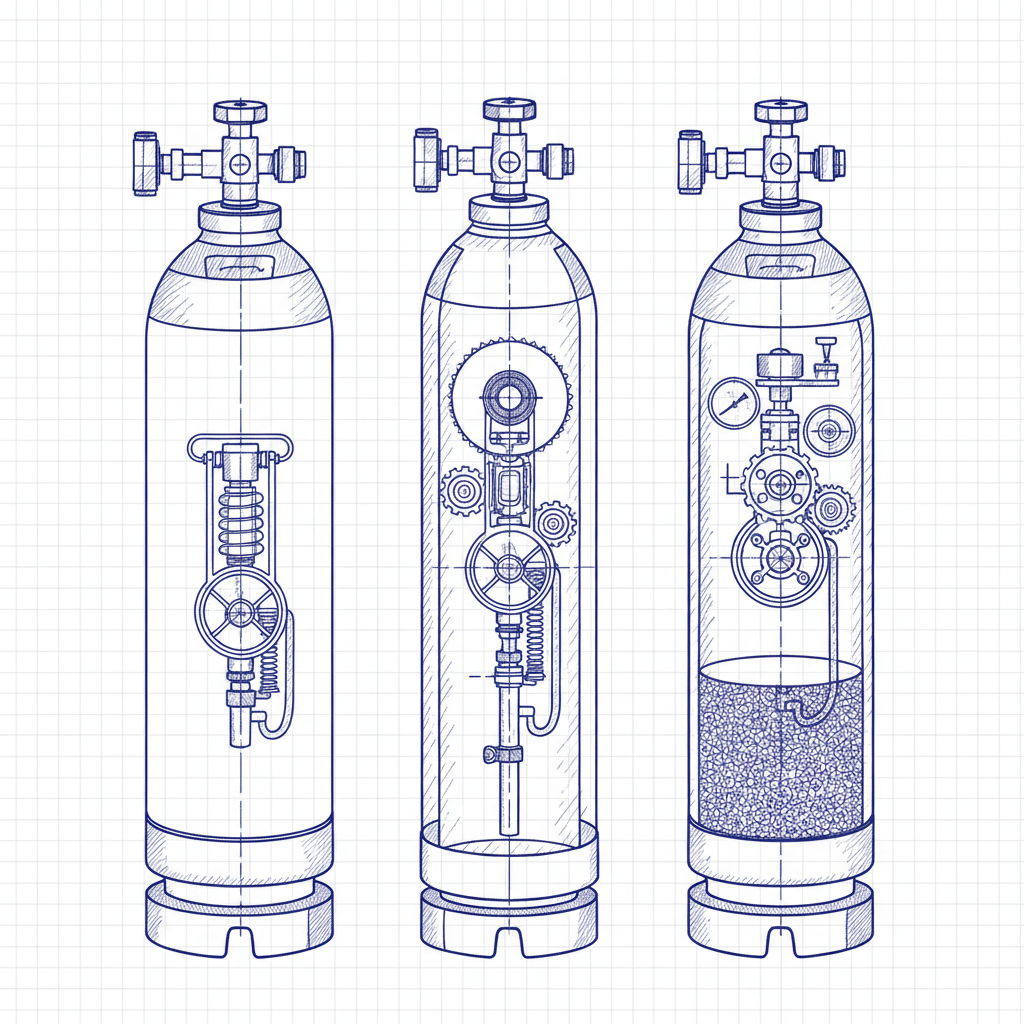
A welding gas cylinder is a high-pressure container designed to store and deliver gases used in various welding and cutting processes. These cylinders are constructed from steel alloys to withstand extreme pressures and are equipped with valves and regulators to control the gas flow. Different gases require different cylinder materials and designs to ensure compatibility and safety.
The role of a welding gas cylinder extends beyond simply holding the gas. It's a critical part of the entire welding system, impacting the arc stability, weld pool characteristics, and overall weld quality. For example, argon is widely used in TIG welding to shield the weld area from atmospheric contamination, while acetylene, mixed with oxygen, provides the high-temperature flame needed for oxy-acetylene welding.
Modern welding gas cylinders are subject to stringent manufacturing and testing standards (ISO 9809-1, for example) to guarantee their reliability and safety. Regular inspections and hydrostatic testing are mandatory to ensure the cylinder's continued integrity and prevent potential failures.
Key Factors Influencing Welding Gas Cylinder Selection
Selecting the right welding gas cylinder is a multifaceted process that depends on several key factors. First and foremost is the type of welding process being used. Different processes – such as MIG, TIG, and plasma cutting – require different gas mixtures and flow rates, dictating the cylinder type and capacity needed.
Cylinder size and capacity are also crucial considerations. Larger projects demand higher gas consumption, necessitating larger cylinders to minimize downtime for refills. However, larger cylinders are also more cumbersome to handle and require more storage space. Cost-effectiveness is another important factor; the initial cost of the cylinder, as well as the cost of gas refills, must be weighed against the project's needs.
Finally, safety regulations and compliance standards play a significant role. Cylinders must meet relevant industry standards and be properly labeled and maintained to ensure safe operation. Considerations regarding transportation, storage, and disposal of cylinders are also crucial aspects of the selection process.
Global Applications of Welding Gas Cylinders
Welding gas cylinders are ubiquitous across a diverse range of industries globally. In the automotive sector, they are essential for manufacturing vehicle frames, body panels, and exhaust systems. The shipbuilding industry relies heavily on welding gas cylinders for constructing and repairing large vessels.
Infrastructural projects, such as the construction of bridges, buildings, and pipelines, all depend on welding gas cylinders to join structural components. Furthermore, the aerospace industry utilizes specialized gases and cylinders for welding critical aircraft parts, demanding the highest levels of precision and quality.
Even in remote or challenging environments, like offshore oil rigs or arctic research stations, welding gas cylinders are indispensable for maintenance and repair work. In post-disaster relief operations, portable welding gas cylinders are crucial for emergency repairs and reconstruction efforts.
Welding Gas Cylinder Usage by Welding Method
Advantages and Long-Term Value Proposition
Investing in high-quality welding gas cylinders offers numerous advantages that extend beyond immediate cost savings. Proper gas shielding leads to stronger, more durable welds, reducing the likelihood of failures and costly rework. This translates into increased productivity and reduced material waste.
Safe and reliable gas delivery minimizes the risk of accidents and downtime, contributing to a safer and more efficient work environment. The long-term value of a well-maintained cylinder fleet is substantial, especially when considering the reduced maintenance costs and extended operational lifespan.
Future Trends in Welding Gas Cylinder Technology
The future of welding gas cylinder technology is focused on innovation and sustainability. Developments in composite materials are leading to lighter, more durable cylinders that offer improved safety and portability. Smart cylinders, equipped with sensors and connectivity, are enabling real-time gas level monitoring and remote inventory management.
There's also growing interest in alternative gases and gas mixtures that reduce environmental impact and improve welding performance. Hydrogen, for example, is being explored as a cleaner alternative to acetylene in certain welding applications. The adoption of digital technologies and automation is streamlining gas cylinder tracking and management, further enhancing efficiency and safety.
Challenges and Solutions in Welding Gas Cylinder Management
Despite advancements in technology, several challenges remain in welding gas cylinder management. Maintaining cylinder integrity through regular inspections and testing is a constant concern. Tracking cylinder locations and ensuring timely refills can be logistically complex, especially for companies with large cylinder fleets.
To address these challenges, companies are implementing comprehensive cylinder management systems that utilize barcode scanning, RFID tracking, and cloud-based software. Investing in employee training on proper handling and safety procedures is also crucial. Collaboration with reputable gas suppliers that offer cylinder maintenance and refill services can further streamline the process.
The increasing focus on sustainability is also driving demand for cylinder recycling and reuse programs, minimizing waste and reducing the environmental footprint of welding operations.
Summary of Welding Gas Cylinder Management Challenges and Solutions
| Challenge |
Impact on Operations |
Potential Solution |
Implementation Cost (Scale 1-10) |
| Cylinder Integrity Concerns |
Safety hazards, weld defects, regulatory non-compliance |
Regular inspections, hydrostatic testing, cylinder replacement |
6 |
| Inventory Management Difficulties |
Downtime due to gas shortages, wasted resources |
Implement a cylinder tracking system (RFID, barcode) |
7 |
| Transportation and Logistics |
Increased costs, potential for damage, safety risks |
Optimize delivery routes, use specialized transport vehicles |
5 |
| Lack of Employee Training |
Improper handling, safety incidents, cylinder damage |
Conduct regular safety training, provide clear guidelines |
4 |
| Environmental Concerns |
Waste generation, disposal costs, carbon footprint |
Implement cylinder recycling programs, explore alternative gases |
6 |
| Regulatory Compliance |
Fines, legal liabilities, operational disruptions |
Stay updated on regulations, maintain proper documentation |
5 |
FAQS
The lifespan of a welding gas cylinder is not defined by time, but by its structural integrity. Cylinders are subject to regular hydrostatic testing (typically every 5-10 years depending on regulations) to ensure they can withstand the required pressure. As long as a cylinder passes these tests, it can remain in service for decades. However, damage, corrosion, or significant wear can necessitate retirement, regardless of test results. Proper handling and maintenance are critical for maximizing a cylinder’s lifespan.
Welding gas cylinders should be visually inspected before each use. This inspection should include checking for obvious signs of damage, such as dents, corrosion, gouges, or valve damage. The cylinder should also be checked to ensure the label is legible and the gas type is correctly identified. More thorough inspections, including leak tests, should be performed periodically by qualified personnel. Regular hydrostatic testing is mandated by regulations and must be followed diligently.
Store welding gas cylinders in a cool, dry, well-ventilated area, away from direct sunlight, heat sources, and flammable materials. Cylinders should be secured upright to prevent them from falling over. Separate full and empty cylinders. Keep valve protection caps in place when cylinders are not in use. Never attempt to repair a damaged cylinder yourself; return it to a qualified repair facility. Follow all local and national safety regulations regarding gas cylinder storage.
Acetylene is unique among common welding gases due to its instability at high pressures. It’s typically dissolved in acetone within the cylinder to maintain stability. Other gases, like argon, helium, and oxygen, are stored as compressed gases. Acetylene produces a very hot flame when mixed with oxygen, making it suitable for welding and cutting thicker materials. The other gases serve primarily as shielding gases to protect the weld from atmospheric contamination.
The selection of welding gas depends on the type of metal being welded, the welding process used, and the desired weld characteristics. For example, argon is commonly used for TIG welding aluminum and stainless steel, while carbon dioxide is often used for MIG welding steel. Consulting a welding gas supplier or referring to welding procedure specifications (WPS) can help you determine the optimal gas for your specific application.
If you suspect a leak in a welding gas cylinder, immediately shut off the valve and evacuate the area. Do not attempt to repair the leak yourself. Contact your gas supplier or a qualified emergency response team. Ensure adequate ventilation to disperse any escaping gas. Report the leak to the appropriate authorities, if required by local regulations. Never ignore a suspected gas leak; it could pose a serious safety hazard.
Conclusion
In conclusion, welding gas cylinders are indispensable components of modern welding operations, directly impacting safety, efficiency, and weld quality. Understanding the types of gases, cylinder maintenance requirements, and best practices for handling these pressure vessels is paramount for professionals across various industries. Effective cylinder management, coupled with adherence to safety regulations, translates into reduced costs, improved productivity, and a safer working environment.
Looking ahead, advancements in materials science and digital technologies promise to revolutionize welding gas cylinder technology, offering lighter, more durable, and smarter solutions. Embracing these innovations and prioritizing sustainability will be crucial for ensuring the continued success and responsible operation of welding processes worldwide. For more information about our welding gas cylinder solutions and services, visit our website: www.whipways.com.