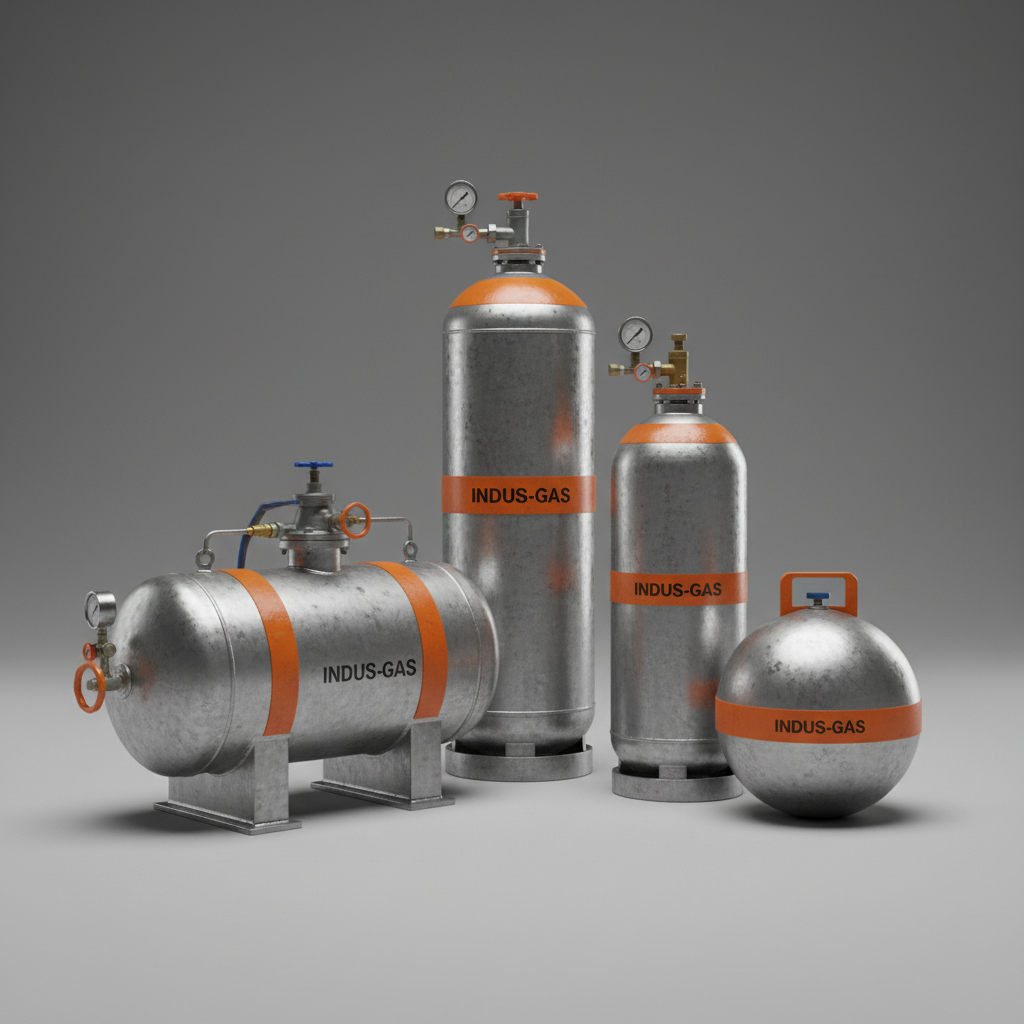
Gas cylinder types are essential components across a vast spectrum of industries and applications, from medical oxygen delivery to industrial processes and even recreational activities. Understanding the different types, their capabilities, and safety regulations is crucial for efficient operations, public safety, and environmental responsibility. The global demand for reliable and safe gas containment solutions continues to grow, driving innovation in materials, design, and testing protocols for gas cylinders.
The relevance of understanding gas cylinder types extends beyond purely technical considerations. Improper handling or use of these cylinders can lead to serious accidents, posing risks to individuals and infrastructure. Globally, adherence to international standards like those set by the United Nations (UN) for the transport of dangerous goods, coupled with ISO standards for cylinder manufacturing and testing, ensures a baseline level of safety. The World Bank also acknowledges the importance of safe industrial gas management in supporting sustainable development goals.
Ultimately, a comprehensive knowledge of gas cylinder types empowers professionals and consumers alike to make informed decisions, promoting safer practices and contributing to a more secure and sustainable future.
Introduction to gas cylinder types
The term “gas cylinder types” encompasses a wide range of containers designed to store and transport compressed, liquefied, or dissolved gases. These cylinders are not simply uniform metal containers; they are engineered solutions tailored to the specific properties of the gas they contain and the intended application. Different materials, construction methods, and safety features characterize various types of gas cylinders.
Understanding the categorization of gas cylinder types is crucial for ensuring safe handling, storage, and transportation. This knowledge is vital for industries ranging from healthcare and manufacturing to scientific research and emergency response. Choosing the appropriate cylinder type for a given gas and application directly impacts safety, efficiency, and cost-effectiveness.
Defining Gas Cylinder Types
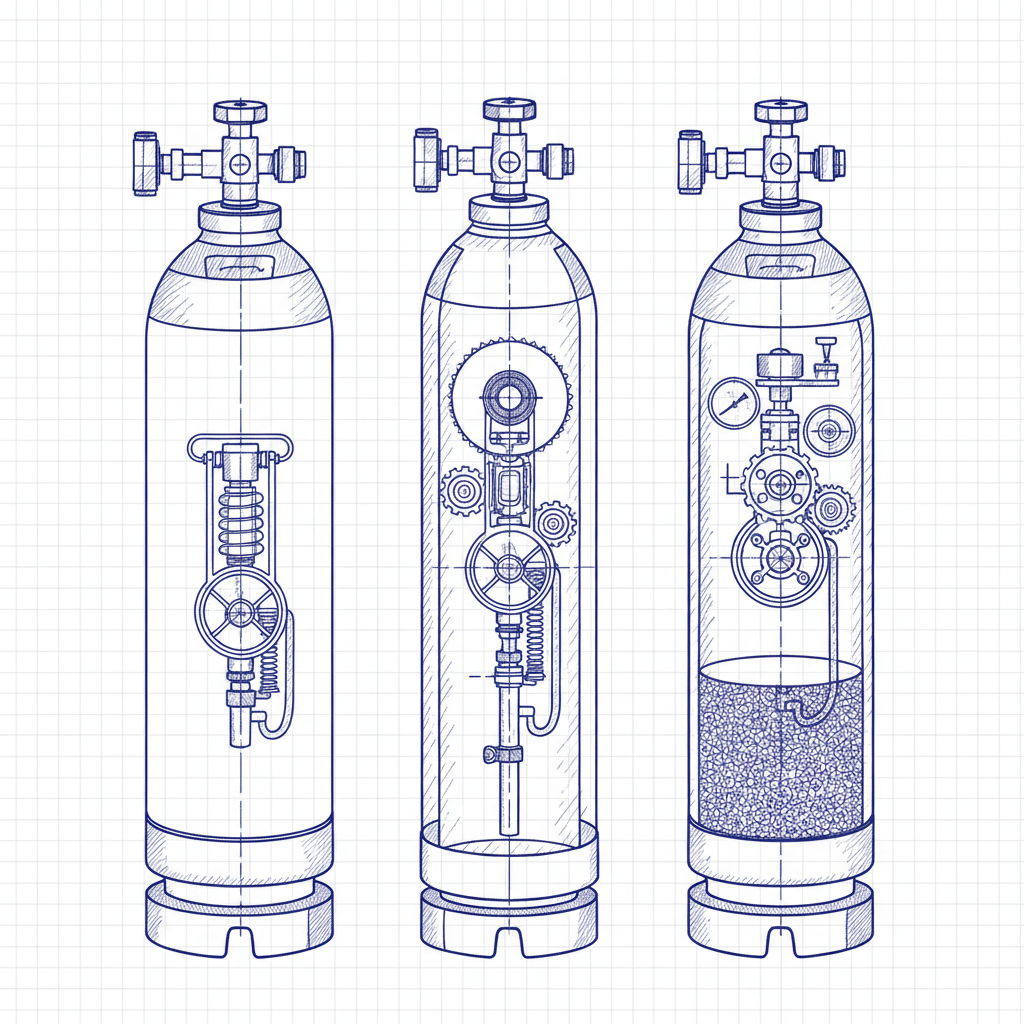
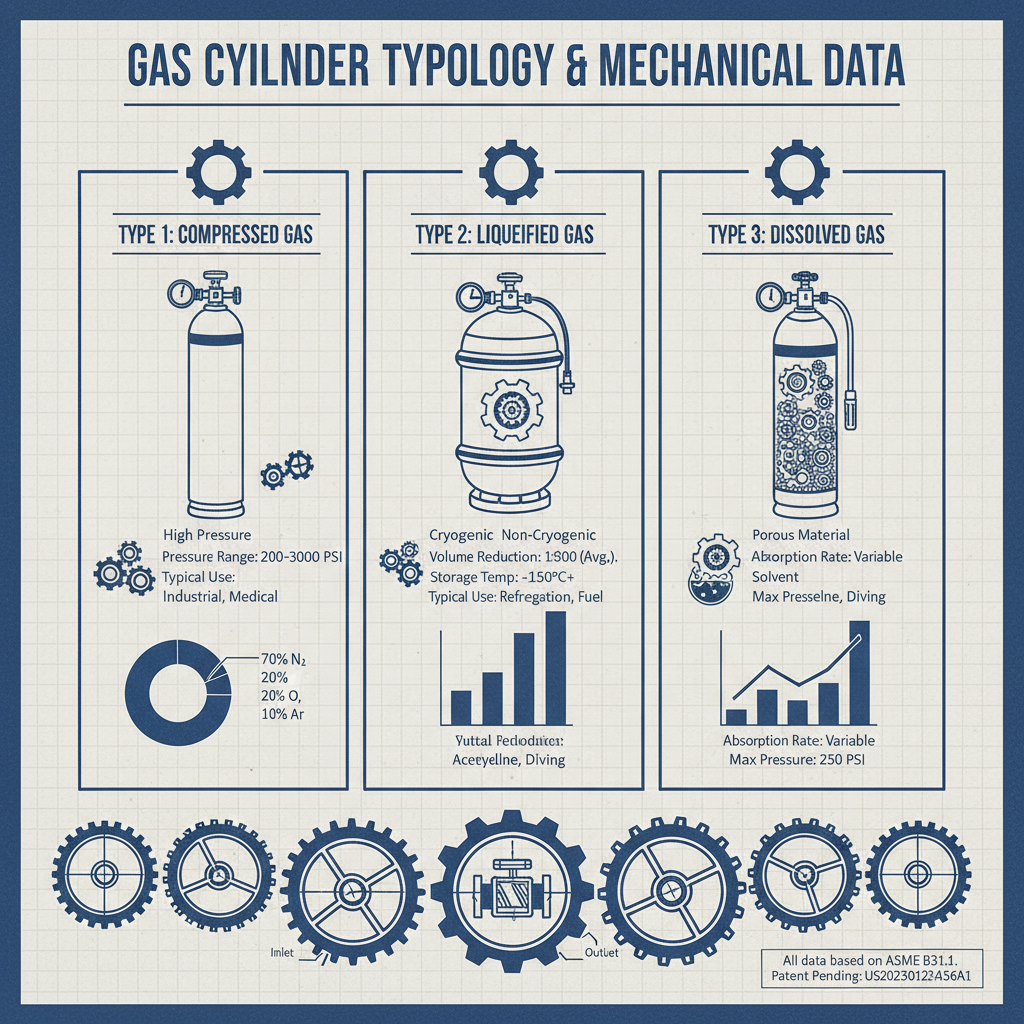
Gas cylinder types are primarily defined by the physical state of the gas they contain – compressed gas, liquefied gas, dissolved gas, or cryogenic liquid. Compressed gas cylinders hold gases at pressures exceeding atmospheric pressure, while liquefied gas cylinders contain gases that have been cooled to a liquid state. Dissolved gas cylinders contain a gas dissolved in a liquid solvent, and cryogenic liquid cylinders are designed for extremely cold, liquefied gases.
The definition also incorporates construction materials. Common materials include steel (various alloys), aluminum, and composite materials. Each material offers different strengths, weight characteristics, and resistance to corrosion. The intended application and the type of gas significantly influence material selection. Furthermore, cylinders are categorized based on their working pressure, volume, and the type of valve fittings they utilize.
This careful categorization of gas cylinder types is vital for connecting them to modern industry and humanitarian needs. For example, medical-grade oxygen cylinders require stringent quality control and are constructed from materials compatible with medical applications. Similarly, cylinders used for welding or cutting often need to withstand high pressures and abrasive environments.
Key Characteristics of gas cylinder types
Durability is a paramount characteristic of gas cylinder types. They are designed to withstand significant internal pressure and external impacts, ensuring safe containment of the gas. Cylinders undergo rigorous testing procedures, including hydrostatic testing and non-destructive examination, to verify their structural integrity and prevent failures.
Scalability refers to the availability of gas cylinder types in a range of sizes and capacities. This allows users to select the cylinder that best matches their consumption rate and storage requirements. From small portable cylinders for individual use to large, high-capacity cylinders for industrial applications, a diverse range of options ensures flexibility and efficiency.
Cost-efficiency is also a crucial consideration. While high-quality gas cylinder types may have a higher upfront cost, they often offer lower long-term costs due to their durability, reduced maintenance requirements, and improved safety. Furthermore, the selection of appropriate cylinder materials and sizes can optimize gas usage and minimize waste. Safety, of course, is the most crucial characteristic, underpinning all design and manufacturing processes.
Global Applications of gas cylinder types
Gas cylinder types play a critical role in healthcare, providing medical gases like oxygen, nitrous oxide, and carbon dioxide for patient care, surgery, and respiratory therapy. In the industrial sector, they are used for welding, cutting, metal fabrication, chemical processing, and various manufacturing processes. The food and beverage industry utilizes gas cylinders for carbonation, preservation, and modified atmosphere packaging.
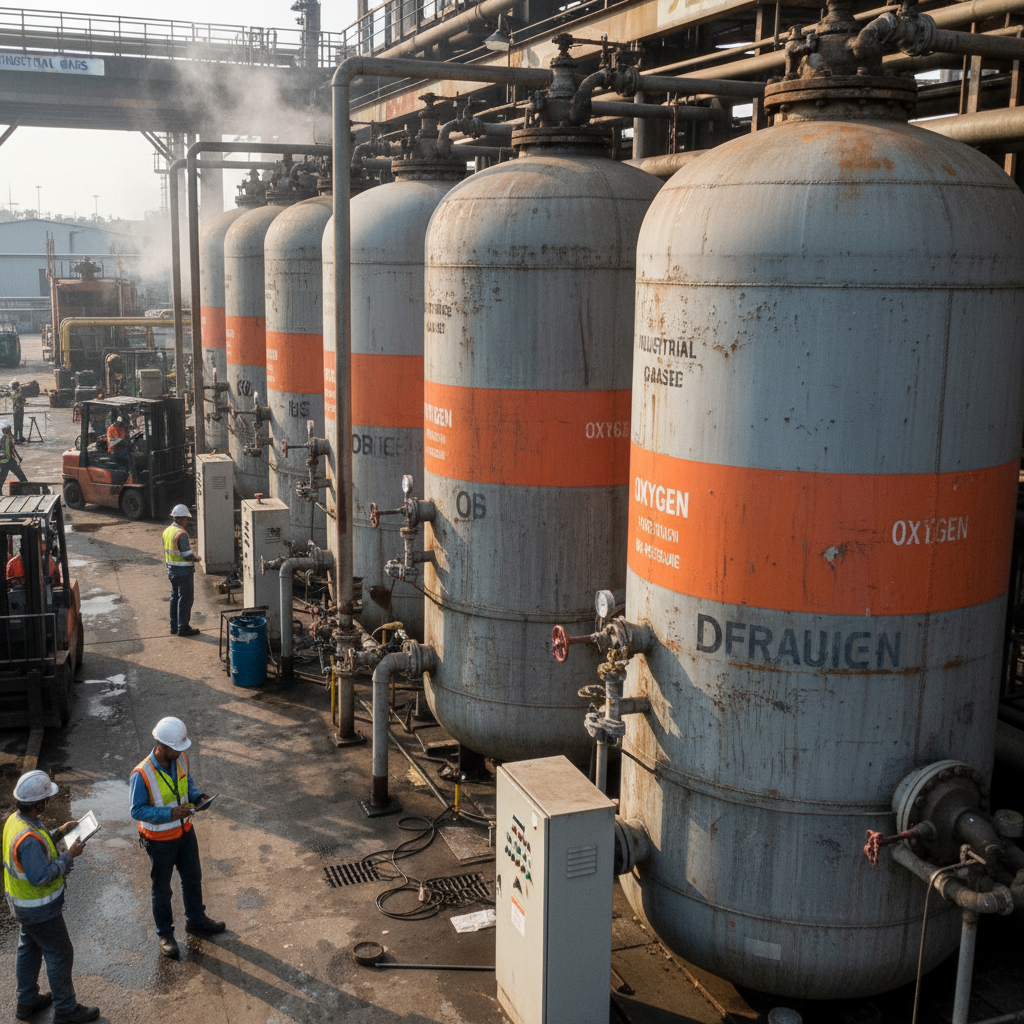
In post-disaster relief operations, portable oxygen cylinders and other medical gas cylinders are essential for providing immediate medical assistance to injured individuals. In remote industrial zones, such as oil and gas fields or mining operations, gas cylinders are vital for providing fuel, shielding gases, and calibration gases.
Globally, countries with robust manufacturing sectors, like China, Germany, and the United States, have significant demand for various gas cylinder types. Regions experiencing rapid economic growth, such as Southeast Asia and Latin America, are also witnessing increased demand for industrial and medical gases, driving the need for safe and reliable gas cylinder solutions.
Comparative Analysis of gas cylinder types Manufacturing Costs
Advantages and Long-Term Value of gas cylinder types
The tangible benefits of utilizing high-quality gas cylinder types include reduced gas waste, improved process efficiency, and minimized safety risks. Durable cylinders require less frequent replacement, lowering lifecycle costs. The reliability of these cylinders ensures uninterrupted operations in critical applications, such as hospitals and industrial facilities.
From a sustainability perspective, efficient gas containment reduces greenhouse gas emissions associated with gas leakage and waste. The use of recyclable materials in cylinder construction further contributes to environmental responsibility. Moreover, the trust and confidence that come with using certified and tested cylinders foster a culture of safety and accountability.
Future Trends in gas cylinder types
Ongoing research and development are focused on creating lighter, stronger, and more sustainable gas cylinder types. The use of advanced composite materials, such as carbon fiber reinforced polymers, is gaining traction, offering significant weight reduction and improved corrosion resistance. Digital technologies, such as smart cylinders equipped with sensors and IoT connectivity, are enabling real-time monitoring of gas levels, pressure, and location.
The integration of digital transformation and automation into gas cylinder management systems is enhancing traceability, improving inventory control, and streamlining logistics. The development of new valve technologies and pressure regulation systems is optimizing gas delivery and enhancing safety. These trends are driven by the increasing demand for greener, more efficient, and safer gas containment solutions.
Challenges and Solutions related to gas cylinder types
Common challenges associated with gas cylinder types include the high cost of specialized materials, the complexity of regulatory compliance, and the risk of corrosion or damage during handling and transportation. Ensuring proper cylinder maintenance, inspection, and testing is crucial for preventing failures and ensuring safety.
Innovative solutions include the development of cost-effective composite materials, the implementation of streamlined certification processes, and the use of protective coatings to prevent corrosion. Investing in comprehensive training programs for personnel handling gas cylinders is essential for promoting safe practices. The adoption of digital platforms for cylinder tracking and maintenance management can further enhance safety and efficiency.
The development and implementation of standardized data formats for cylinder information will enable seamless integration of information across the supply chain, improving traceability and accountability.
Summary of Common Gas Cylinder Type Challenges and Mitigation Strategies
| Challenge |
Risk Level (1-10) |
Mitigation Strategy |
Implementation Cost (USD) |
| Corrosion of Steel Cylinders |
7 |
Protective Coatings & Regular Inspection |
500 - 2000 |
| High Cost of Composite Materials |
6 |
Material Research & Bulk Purchasing |
1000 - 5000 |
| Regulatory Compliance Complexity |
8 |
Dedicated Compliance Officer & Software |
2000 - 8000 |
| Damage During Transportation |
5 |
Secure Packaging & Handling Procedures |
300 - 1000 |
| Lack of Proper Cylinder Maintenance |
9 |
Scheduled Inspection & Repair Programs |
500 - 3000 |
| Insufficient Training of Personnel |
7 |
Comprehensive Training Modules & Certification |
200 - 1000 |
FAQS
Steel cylinders are traditionally heavier and more cost-effective, offering robust durability. Composite cylinders, constructed from materials like carbon fiber, are significantly lighter, offering improved portability and handling. However, they typically come with a higher initial cost. The choice depends on the application, with steel being suitable for stationary applications and composites favored where weight is critical, like emergency response scenarios or portable medical oxygen.
Gas cylinders require regular inspection, typically every 5-10 years depending on local regulations and the type of cylinder. This involves hydrostatic testing to ensure the cylinder can withstand its working pressure, as well as visual inspections for corrosion, damage, and valve functionality. Re-certification confirms the cylinder meets safety standards and is fit for continued service. Failure to comply with inspection requirements can lead to safety hazards and legal penalties.
Key safety precautions include securing cylinders to prevent them from falling, storing them in a well-ventilated area away from heat sources and flammable materials, and using appropriate regulators and fittings. Always transport cylinders with valve protection caps in place. Never attempt to repair a damaged cylinder; it should be taken out of service immediately. Proper training on handling procedures is essential.
Hydrostatic testing is a critical safety procedure involving filling a cylinder with water and increasing the pressure to a specified level, significantly higher than its working pressure. This test verifies the cylinder's structural integrity and ability to withstand internal pressure without failure. It's vital because over time, cylinders can weaken due to corrosion, fatigue, or damage. Successful hydrostatic testing ensures the cylinder remains safe for continued use.
Yes, there are various valve types, including pin-index safety valves, POL valves, and CGA valves, each designed for specific gases and applications. Pin-index valves feature a pin arrangement that prevents connecting the wrong gas to the cylinder. POL valves are commonly used for LPG, while CGA valves are standardized for various industrial gases. Using the correct valve is crucial for ensuring a secure and compatible connection.
Composite cylinders generally have a lower environmental impact due to their lighter weight, reducing fuel consumption during transportation. They also often incorporate recyclable materials. While the manufacturing of composite materials can be energy-intensive, their longer lifespan and reduced weight contribute to a smaller overall carbon footprint compared to steel cylinders, especially over their lifecycle.
Conclusion
In conclusion, understanding gas cylinder types is paramount for ensuring safety, efficiency, and sustainability across diverse industries. From medical applications to industrial processes and emergency response, the correct selection, handling, and maintenance of gas cylinders are critical. The characteristics of these cylinders—durability, scalability, and cost-effectiveness—are all vital considerations.
Looking ahead, continued innovation in materials, digital technologies, and regulatory frameworks will drive further improvements in gas cylinder design and management. Embracing these advancements will not only enhance safety but also contribute to a more sustainable and responsible approach to gas containment and utilization. For more information on a range of gas cylinder types and related services, visit our website today.