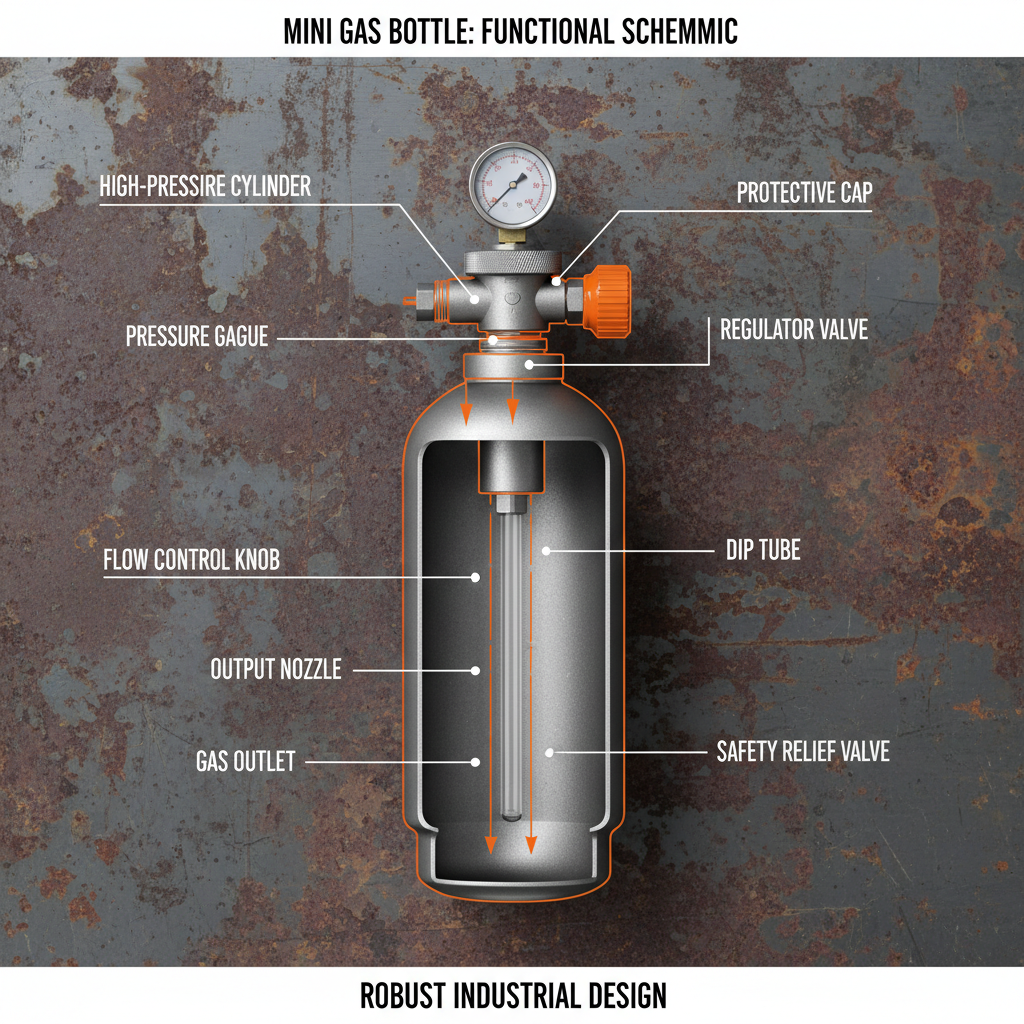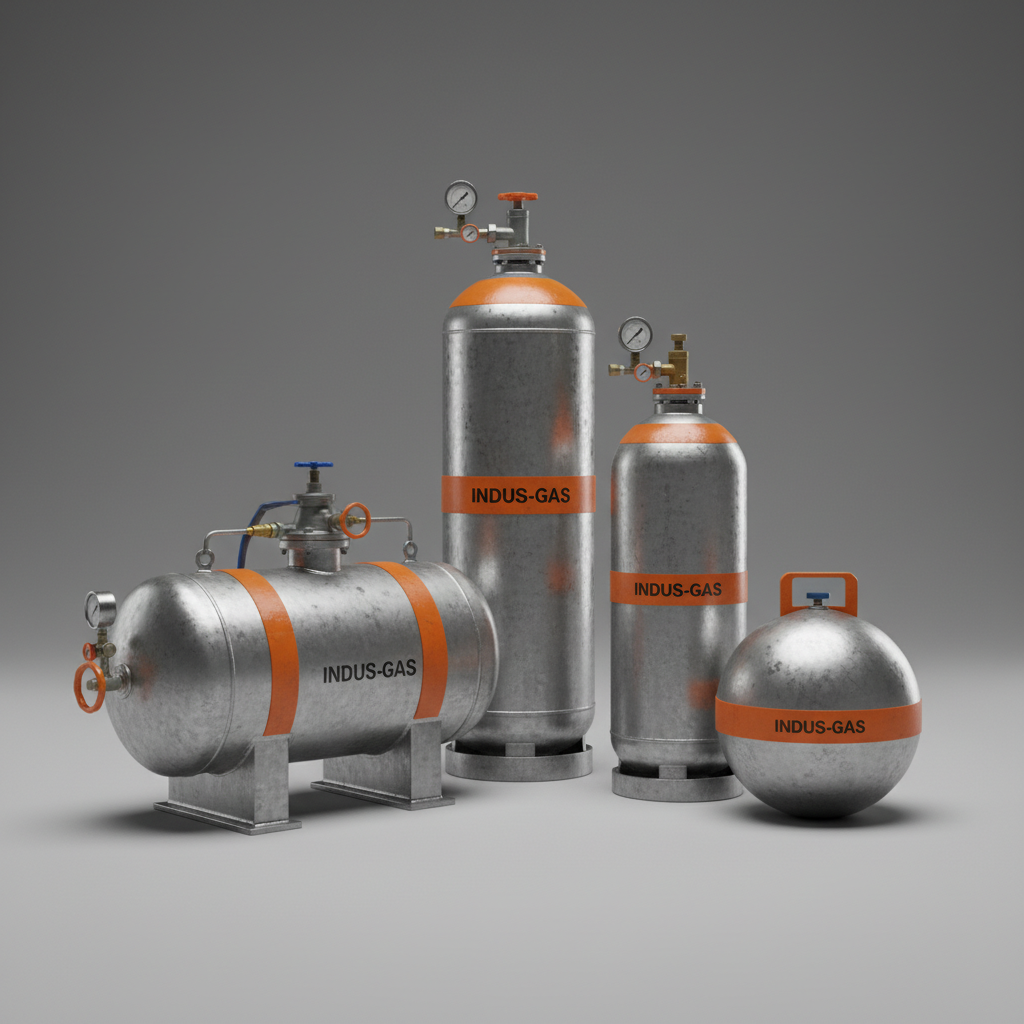
Determining the accurate empty lpg cylinder price is a critical step for businesses in the industrial gas sector and consumers looking to establish efficient fuel storage systems. In the context of basic chemical raw materials and industrial gas manufacturing, the cost of a pressure vessel is not merely a purchase price but an investment in safety and operational longevity.
Buyers often struggle with the volatility of material costs—such as high-strength carbon steel or aluminum—and the varying standards of certification required for different gases. Whether sourcing for food-grade carbon dioxide or standard LPG, understanding the drivers behind the pricing of empty cylinders helps in optimizing procurement budgets and ensuring compliance with international safety regulations.
This guide analyzes the factors influencing the cost of empty cylinders, compares material options, and provides a framework for evaluating suppliers to ensure that procurement aligns with both technical requirements and financial goals.

Primary Drivers of Empty Cylinder Pricing

The empty lpg cylinder price is primarily dictated by the raw material cost of the vessel's shell. Most industrial cylinders are manufactured from high-quality carbon steel or aluminum alloys, and fluctuations in the global metals market directly impact the unit price. Beyond materials, the manufacturing process—including stamping, broaching, and welding—adds significant value based on the precision required for the specific gas type.
Certification and testing also play a pivotal role. A cylinder that undergoes rigorous hydrostatic testing and meets international safety standards for high-pressure storage will command a premium over generic containers. For specialized applications, such as food-grade CO2 cylinders, the requirement for higher purity and specific internal coatings to prevent contamination further increases the production cost.
Material Analysis: Steel vs. Aluminum
Choosing between steel and aluminum is one of the most significant decisions affecting the final cost. Carbon steel is generally the most cost-effective option for large-scale industrial storage due to its high strength and lower raw material price. However, steel is susceptible to corrosion, requiring external paint or coatings, which adds a secondary layer of maintenance cost over the product's lifecycle.
Aluminum cylinders are typically more expensive upfront but offer superior corrosion resistance and a significantly lower tare weight. This makes them ideal for portable applications or environments where weight reduction is critical for transport efficiency. From a procurement perspective, the higher initial empty lpg cylinder price for aluminum is often offset by the reduction in shipping costs and the elimination of the need for frequent anti-corrosion treatments.
Technical Specifications and Cost Correlation
The relationship between technical specifications and price is linear: higher pressure ratings require thicker walls. Cylinders designed to withstand pressures of 150–200 bar, common in food-grade drink carbon dioxide applications, require more material and more stringent welding processes than low-pressure containers. This increase in wall thickness directly raises the weight of the cylinder and, consequently, the material cost.
Valve configuration is another variable. High-precision valves with safety release mechanisms or specialized nozzles for cream chargers add to the total assembly cost. When sourcing empty cylinders, buyers must specify whether they need a basic fill-valve or a complex dispensing system, as the hardware interface can represent a substantial percentage of the total unit price.
Relative Cost Impact of Capacity and Pressure
The cost of a cylinder does not scale perfectly with volume; rather, it is a combination of the material volume and the complexity of the pressure rating. For example, small portable cartridges (below 100cc) are produced via high-volume stamping, which lowers the per-unit cost. In contrast, larger commercial units require heat-treating and seamless tube fabrication, which increases the manufacturing overhead.
The chart above provides a conceptual normalized index showing how different factors contribute to the overall cost. While material remains the dominant driver, the "Pressure Certification" and "Manufacturing Complexity" indices show a sharp increase as one moves from disposable cartridges to high-pressure refillable cylinders.
Hidden Costs in Cylinder Procurement
When evaluating an empty lpg cylinder price, buyers often overlook logistics and compliance costs. Because empty cylinders are bulky and classified as pressure vessels, shipping costs can be disproportionately high relative to the unit price. Furthermore, the cost of initial certification and the requirement for periodic re-testing (hydrostatic testing) must be factored into the Total Cost of Ownership (TCO).
Another hidden expense is the "deposit" or "exchange" system common in the gas industry. Some suppliers offer lower upfront prices for empty cylinders but charge a recurring fee for refills and inspections. For companies looking for long-term independence, purchasing owned, high-spec cylinders from a factory direct source is generally more economical over a 5-to-10-year horizon.
Supplier Evaluation and Risk Mitigation
To avoid the risk of structural failure or leakage, buyers must evaluate suppliers based on their manufacturing technology. A professional factory integrating R&D and production, such as those specializing in industrial and food-grade gases, can offer OEM/ODM solutions that match exact pressure and volume requirements. This reduces the risk of over-specifying (and over-paying) for a cylinder that exceeds the actual need.
Key evaluation criteria include the availability of ISO-certified processes and traceable batch testing. Suppliers who can provide a full range of certifications (such as COA or MSDS) for their accompanying gases demonstrate a higher level of quality control in their hardware manufacturing as well. This transparency ensures that the cylinder can be legally and safely used across different international jurisdictions.
Decision Matrix for Cylinder Selection
Selecting the right cylinder requires balancing the initial purchase price against the intended application and required lifespan. The following matrix compares different cylinder categories based on their cost drivers and primary use cases to help procurement managers make an informed choice.
| Cylinder Type | Main Cost Driver | Best Use Case | Lifecycle Value |
|---|---|---|---|
| Small Cartridges | Volume Production | Portable/Disposable | Low (Single Use) |
| Carbon Steel | Raw Material Weight | Industrial Storage | High (Long Life) |
| Aluminum Alloy | Specialty Metal | Transport/Medical | Very High (Corrosion Free) |
| Food-Grade Steel | Internal Purity/Cert | Beverage/Carbonation | High (Safe/Reusable) |
| High-Pressure Tank | Wall Thickness | Specialty Gases | Medium (High Maint) |
| Custom OEM Tank | Engineering Design | Specific Industrial Fit | Variable (App Dependent) |
Ultimately, the most cost-effective cylinder is not the one with the lowest sticker price, but the one that minimizes operational downtime and maximizes safety over its entire certified lifespan.
Frequently Asked Questions
Food-grade cylinders are generally more expensive because they must meet strict purity standards to ensure no contaminants enter the gas stream, often requiring specific internal finishes and more rigorous certification.
Price increases with capacity due to the higher volume of raw steel or aluminum used. However, the cost per liter usually decreases as the size increases due to economies of scale in manufacturing.
Yes, if your application requires portability or occurs in corrosive environments. The lack of rust and lower weight can reduce long-term maintenance and transportation costs.
Look for ISO certifications, hydrostatic test reports, and gas-specific certifications (like Food-Grade certification) to ensure the vessel can safely handle the intended pressure.
Yes, many professional manufacturers offer OEM/ODM services to customize the cylinder capacity, material, and valve types to fit specific industrial or commercial needs.
Re-testing intervals vary by local regulation and gas type, but typically, cylinders undergo a hydrostatic test every 5 to 10 years to ensure structural integrity.
Conclusion
The empty lpg cylinder price is a complex figure influenced by material market volatility, pressure requirements, and safety certifications. By shifting the focus from the initial purchase cost to the Total Cost of Ownership—including material durability, maintenance needs, and regulatory compliance—buyers can select vessels that provide the best balance of safety and value.
For businesses seeking high-quality gas storage solutions, reviewing the technical capabilities of a specialized manufacturer is essential. You can explore professional gas equipment and custom cylinder solutions at www.whipways.com to match your specific industrial or food-grade requirements.