When procurement managers and business owners evaluate gas bottle prices 9kg, they are rarely looking at a simple sticker price. Instead, they are navigating a complex intersection of raw material costs, cylinder certification standards, and logistics overheads that dictate the total cost of ownership for industrial and food-grade gases.
In the specialty gas sector, the 9kg capacity represents a critical balance between portability and operational longevity. Whether for heating, culinary applications, or industrial processes, the volatility of global chemical markets means that understanding the drivers behind pricing is essential for maintaining lean operational budgets.
This analysis moves beyond surface-level quotes to examine the technical and economic variables that influence gas cylinder valuation, providing a strategic framework for buyers to optimize their supply chain through informed selection and supplier evaluation.

Economic Drivers of 9kg Gas Cylinder Valuation

The pricing of a 9kg gas bottle is not a static figure but a reflection of several fluctuating variables. Primary among these is the cost of the containment material—typically high-grade steel or aluminum—and the current market rate of the gas being stored, whether it be LPG, CO2, or specialty food-grade N2O.
Beyond materials, regulatory compliance plays a significant role. Each cylinder must undergo rigorous hydrostatic testing and certification to ensure it can safely withstand internal pressures. The cost of these safety validations is embedded in the initial purchase price or the exchange fee, as the liability of a failure is immense in chemical manufacturing.
Logistics and distribution networks further complicate the pricing model. Because gas bottles are classified as hazardous materials (HazMat), the cost of specialized transport, insurance, and secure warehousing adds a premium to the final price delivered to the end user.
Technical Specifications Affecting Long-term Procurement Costs
From a technical perspective, the value of a gas bottle is tied to its purity maintenance and durability. For instance, in food-grade applications, the interior lining must prevent contamination to ensure that gases like Nitrous Oxide remain at 99.9% purity, as seen in professional culinary chargers.
Corrosion resistance is another critical factor. Stainless steel constructions, while potentially increasing the upfront cost, offer significantly longer shelf lives and higher resistance to environmental degradation compared to standard carbon steel, reducing the frequency of bottle replacements.
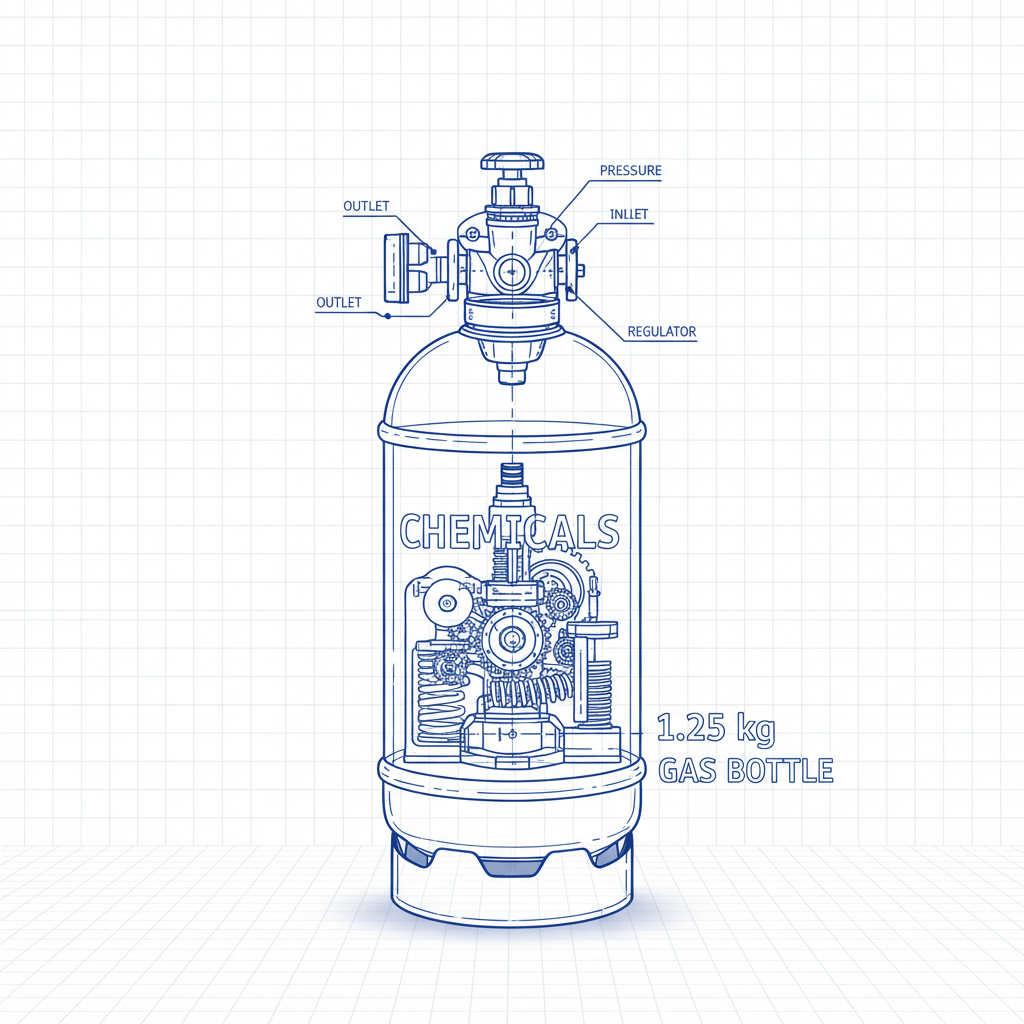
Valve precision and seal integrity also contribute to the overall value. Low-quality valves lead to microscopic leaks, which over time result in significant product loss. Investing in high-precision equipment ensures that the full 9kg capacity is utilized, maximizing the ROI of every refill.
Operational Use Cases for Mid-Sized Pressure Vessels
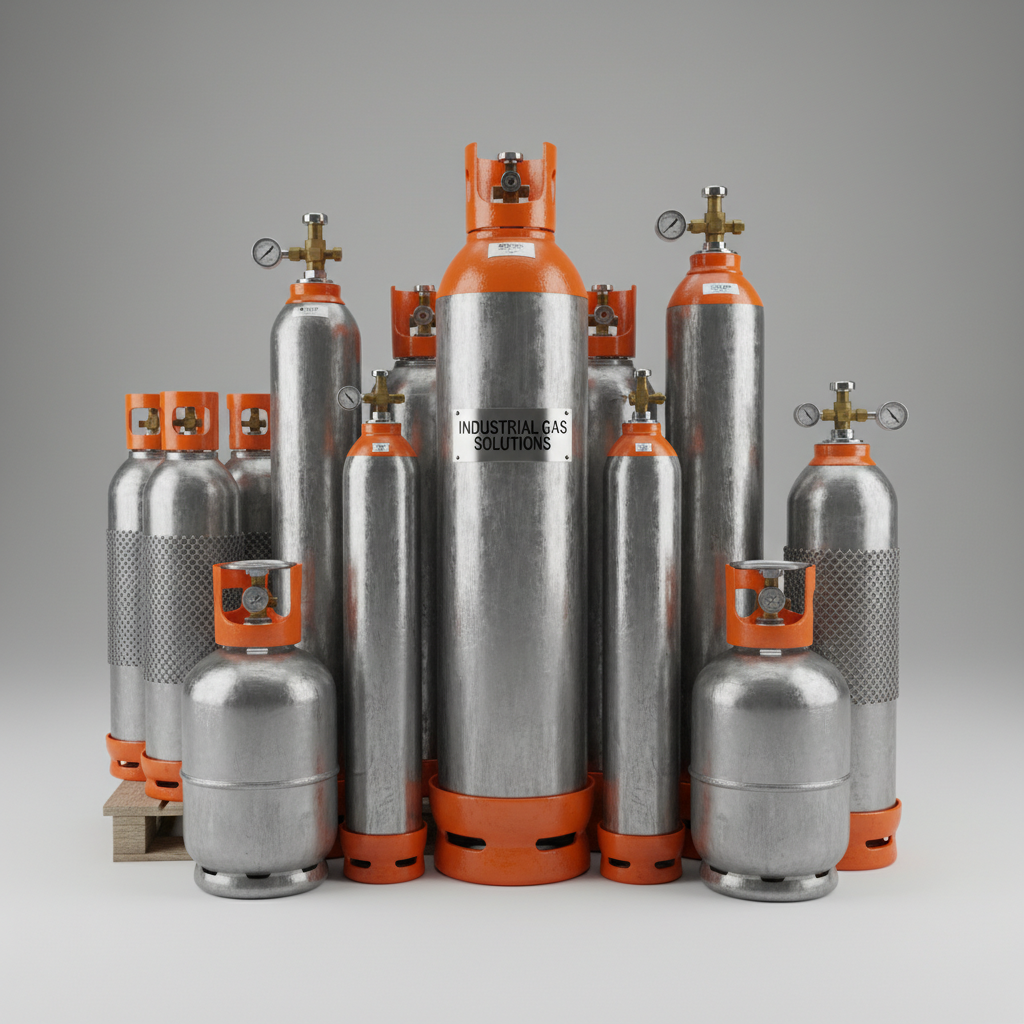
The 9kg capacity is specifically engineered for environments that require a higher volume of gas than portable canisters provide, but lack the infrastructure for massive bulk tanks. This makes them ideal for mobile catering, boutique laboratories, and small-scale industrial workshops.
In the food and beverage industry, mid-sized cylinders are used to power carbonation systems or foam dispensers in high-traffic cafes and bars. The ability to swap a 9kg bottle quickly ensures zero downtime during peak operational hours while keeping the equipment footprint compact.
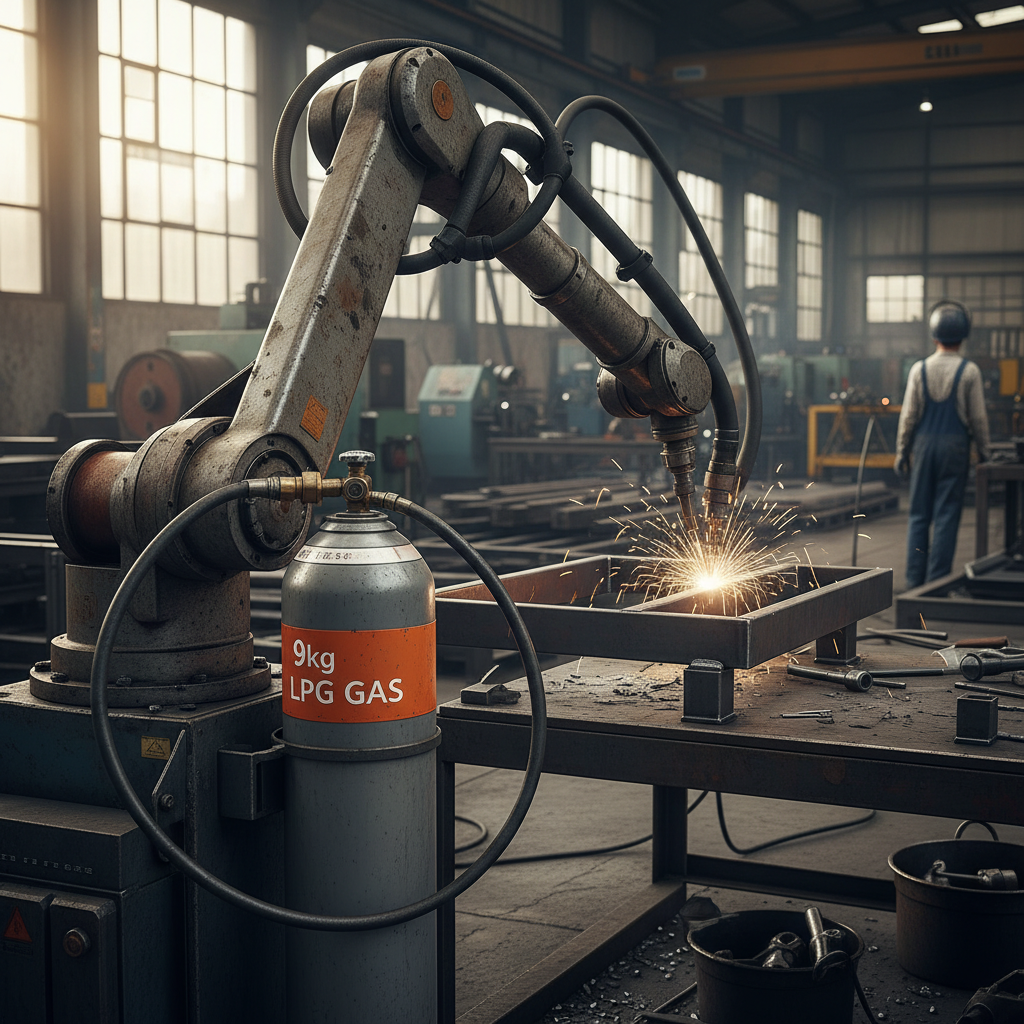
Industrial applications often utilize these vessels for specialty welding or precision cleaning. The portability allows technicians to move the gas source directly to the workpiece, enhancing safety by reducing the length of high-pressure hose lines required across a factory floor.
Comparative Efficiency Metrics for Specialty Gas Storage
To understand the efficiency of different storage solutions, one must look at the ratio of gas weight to cylinder weight and the resulting operational uptime. A 9kg bottle offers a strategic middle ground in terms of refill frequency versus ease of handling.
When comparing standard industrial bottles to high-specification stainless steel versions, the difference in gas retention and purity stability becomes evident over a 12-month cycle, particularly in humid or corrosive environments.
gas bottle prices 9kg Performance Metrics
The data suggests that while the initial cost may be higher for premium cylinders, the reduction in gas wastage and the extension of the recertification window lead to a more favorable cost-benefit analysis over the product's lifecycle.
Strategic Sourcing and Supplier Risk Mitigation
Selecting a supplier based solely on the lowest quote for gas bottle prices 9kg often introduces hidden risks. Procurement professionals must evaluate the manufacturer's quality management systems, such as ISO 9001 certification, to ensure consistent batch quality.
A critical risk in sourcing is the "fill-weight discrepancy," where the actual gas delivered is slightly lower than the nominal 9kg. Reliable manufacturers provide Certificates of Analysis (COA) and Material Safety Data Sheets (MSDS) to verify the exact contents and purity of every shipment.
Furthermore, the ability of a supplier to provide OEM/ODM solutions—such as customized branding or specialized valve configurations—can provide a competitive edge for companies looking to integrate these bottles into their own branded product lines.
Evolution of Material Standards in Gas Containment
The industry is seeing a gradual shift toward composite materials and advanced stainless steel alloys. These materials are designed to reduce the overall tare weight of the 9kg cylinder while increasing the burst-pressure safety margin.
Innovative coatings are also being applied to the interior of cylinders to further eliminate the risk of metallic contamination. This is particularly vital for the "Food-Grade" gas segment, where any impurity can alter the taste or safety of the final culinary product.
Future developments may include integrated smart-sensors that monitor gas levels and pressure in real-time, allowing businesses to automate their reordering process and eliminate the risk of unexpected outages.
Decision Matrix for Selecting Gas Bottle Capacities
Choosing between various cylinder sizes requires an analysis of consumption rates and logistical constraints. The 9kg model serves as the pivot point between high-frequency small refills and low-frequency bulk storage.
The following matrix compares different storage strategies based on typical industrial and culinary requirements to help buyers determine if the 9kg capacity aligns with their operational needs.
| Capacity Type | Primary Use Case | Refill Frequency | Logistics Impact |
|---|---|---|---|
| 8g Chargers | Culinary Foams | Daily/Hourly | Minimal/Low Cost |
| 500g-600g Tanks | Small Cafe Use | Weekly | Moderate Handling |
| 9kg Cylinders | Mid-Size Business | Monthly | Specialized Transport |
| 20kg+ Tanks | Industrial Plants | Quarterly | Fixed Installation |
| Bulk Liquid Gas | Large Scale Mfg | Annual | High Infrastructure |
| Specialty Small Gas | Lab Research | Per Project | Strict HazMat Control |
Ultimately, the decision should be based on the balance of available storage space and the cost of the labor required to manage cylinder rotations. For those requiring a professional blend of capacity and agility, the 9kg solution remains the industry standard.
Frequently Asked Questions
Conclusion
Navigating the market for gas bottle prices 9kg requires a shift in focus from initial expenditure to long-term operational efficiency. By prioritizing material quality, purity certifications, and supplier transparency, businesses can mitigate the risks of downtime and product contamination while optimizing their procurement spend.
Whether your needs are rooted in culinary innovation or industrial precision, the 9kg capacity offers a versatile solution for those who value both performance and portability. Professionals evaluating these options can review further technical specifications and product ranges available through www.whipways.com.