Gas cylinder pipe, a crucial component in the safe storage and transportation of compressed gases, plays an indispensable role across numerous industries. From powering essential medical equipment to fueling cutting-edge manufacturing processes, and even delivering the refreshing fizz in our beverages, these pipes are the silent workhorses of modern life. Understanding the intricacies of gas cylinder pipe – its materials, construction, testing, and regulatory compliance – is paramount for ensuring safety, efficiency, and reliability in a world increasingly reliant on gaseous substances. This knowledge is particularly critical given the stringent safety regulations governing the handling of compressed gases and the potential hazards associated with their misuse.
The global market for gas cylinders and their associated piping is experiencing significant growth, driven by expanding industrialization, rising demand for specialty gases, and increasing investment in healthcare infrastructure. According to industry reports, the market is projected to reach substantial figures in the coming years, with Asia-Pacific representing a particularly dynamic region. This growth necessitates continuous innovation in materials science, manufacturing techniques, and quality control procedures to meet escalating demands while maintaining the highest standards of safety. The demand for gas cylinder pipe is inextricably linked to the overall health and advancement of these key sectors.
The reliable functionality of gas cylinder pipe directly impacts the efficiency and safety of countless processes. A compromised pipe can lead to leaks, posing serious risks of fire, explosion, or exposure to hazardous substances. Investing in high-quality, rigorously tested gas cylinder pipe is not merely a matter of compliance; it’s a fundamental prerequisite for responsible operation and a commitment to the wellbeing of personnel and the environment.
The Vital Role of Gas Cylinder Pipe
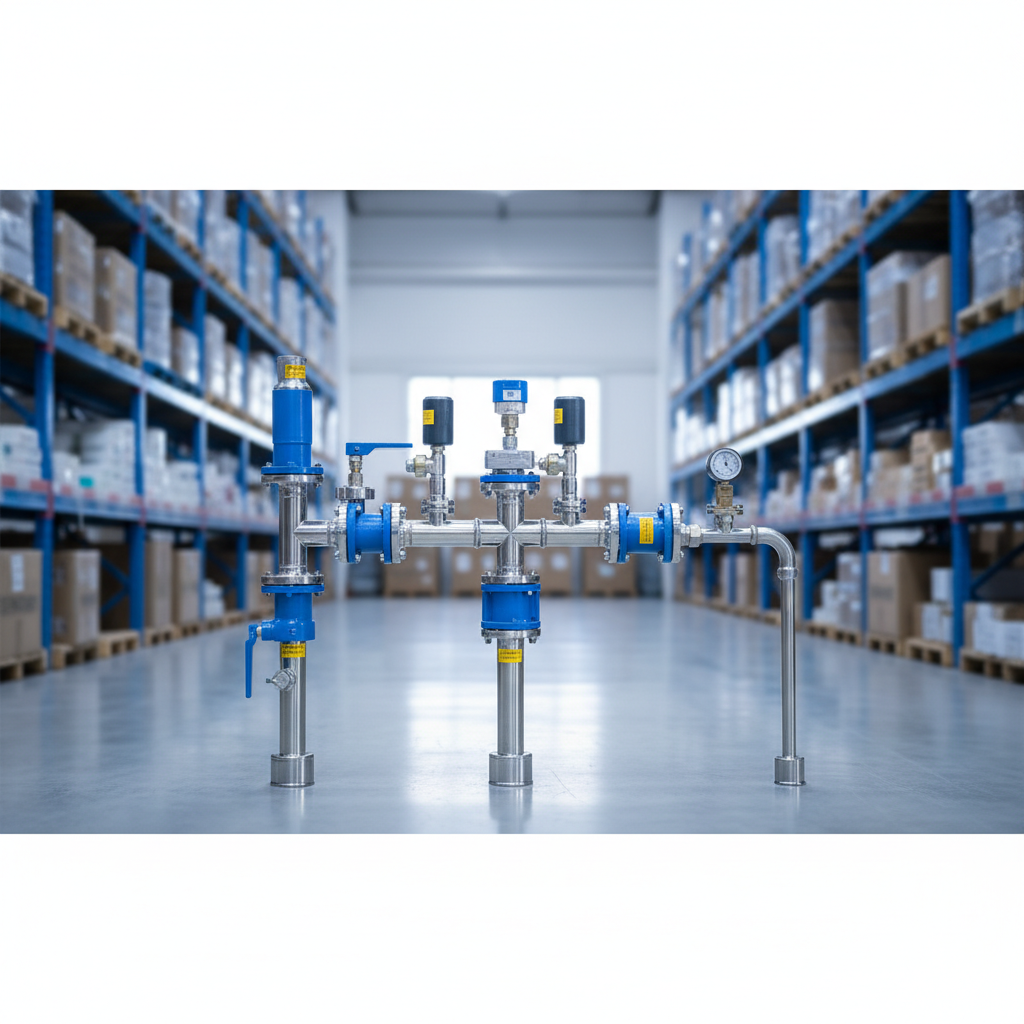
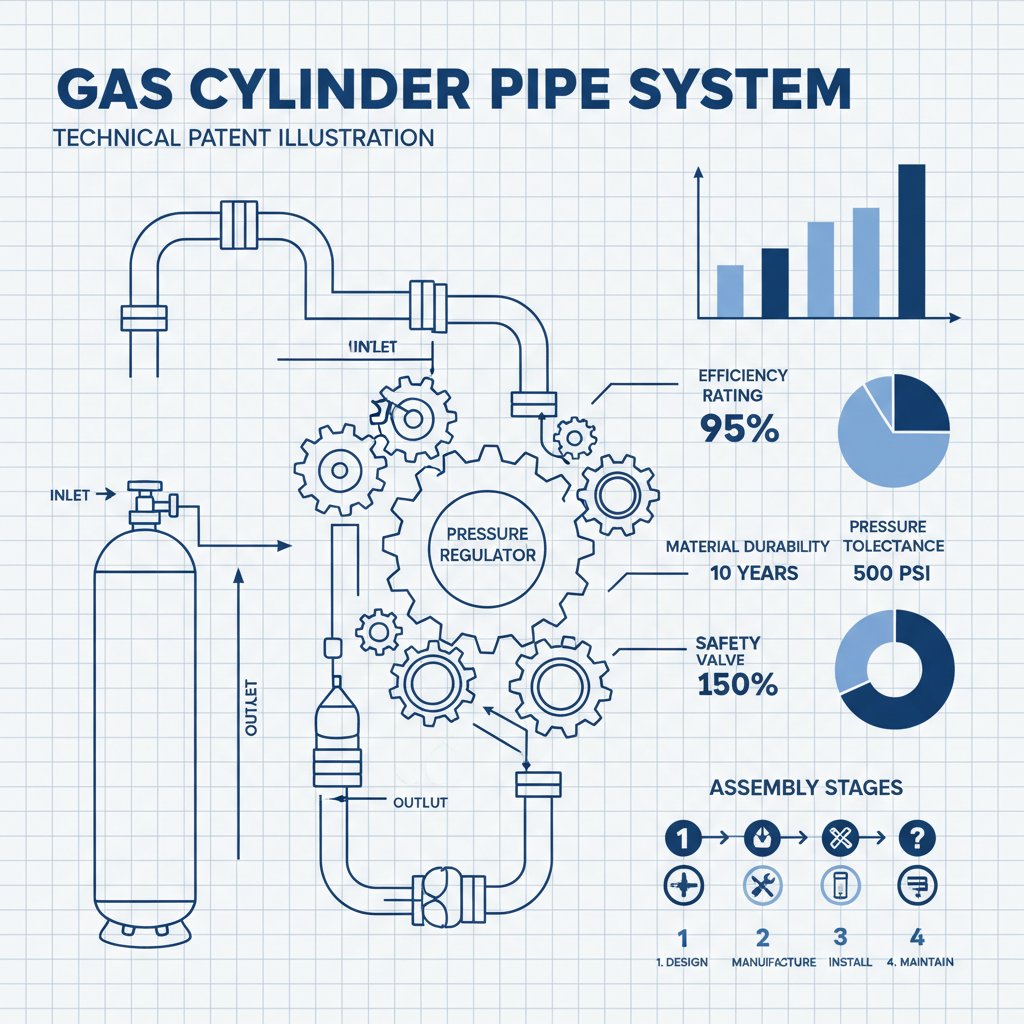
Gas cylinder pipe isn’t just about the metal tube itself. It’s a carefully engineered system designed to contain, regulate, and deliver gases under significant pressure. The pipe must withstand these pressures, resist corrosion from the contained gas, and maintain its integrity over extended periods. Its importance extends beyond simple containment – it’s a critical safety component influencing the entire gas delivery infrastructure.
The selection of appropriate materials for gas cylinder pipe is crucial, depending on the specific gas being stored and transported. Factors like compatibility, strength, weldability, and cost all come into play. Different grades of steel, stainless steel, and even specialized alloys are commonly employed, each offering distinct advantages in specific applications.
Defining Gas Cylinder Pipe
Gas cylinder pipe refers to the metallic tubing, typically steel or stainless steel, used to construct the body of a gas cylinder. It’s the primary pressure vessel that holds compressed gases, ranging from oxygen and nitrogen to ethylene and carbon dioxide. This pipe is meticulously engineered to withstand extremely high pressures, often exceeding several thousand PSI, while preventing leaks and ensuring the safe containment of the gas.
The design and manufacturing of gas cylinder pipe are governed by strict international standards and regulations, such as those set forth by ISO and DOT (Department of Transportation). These regulations specify material requirements, manufacturing processes, testing procedures, and labeling guidelines. Compliance with these standards is non-negotiable to ensure public safety and prevent accidents.
In the context of modern industry and humanitarian needs, gas cylinder pipe is absolutely fundamental. Hospitals rely on it for medical oxygen, manufacturers use it for welding and cutting, food and beverage companies utilize it for carbonation, and emergency services deploy it for rescue operations. Without reliable gas cylinder pipe, many essential processes would simply grind to a halt.
Key Components and Material Science
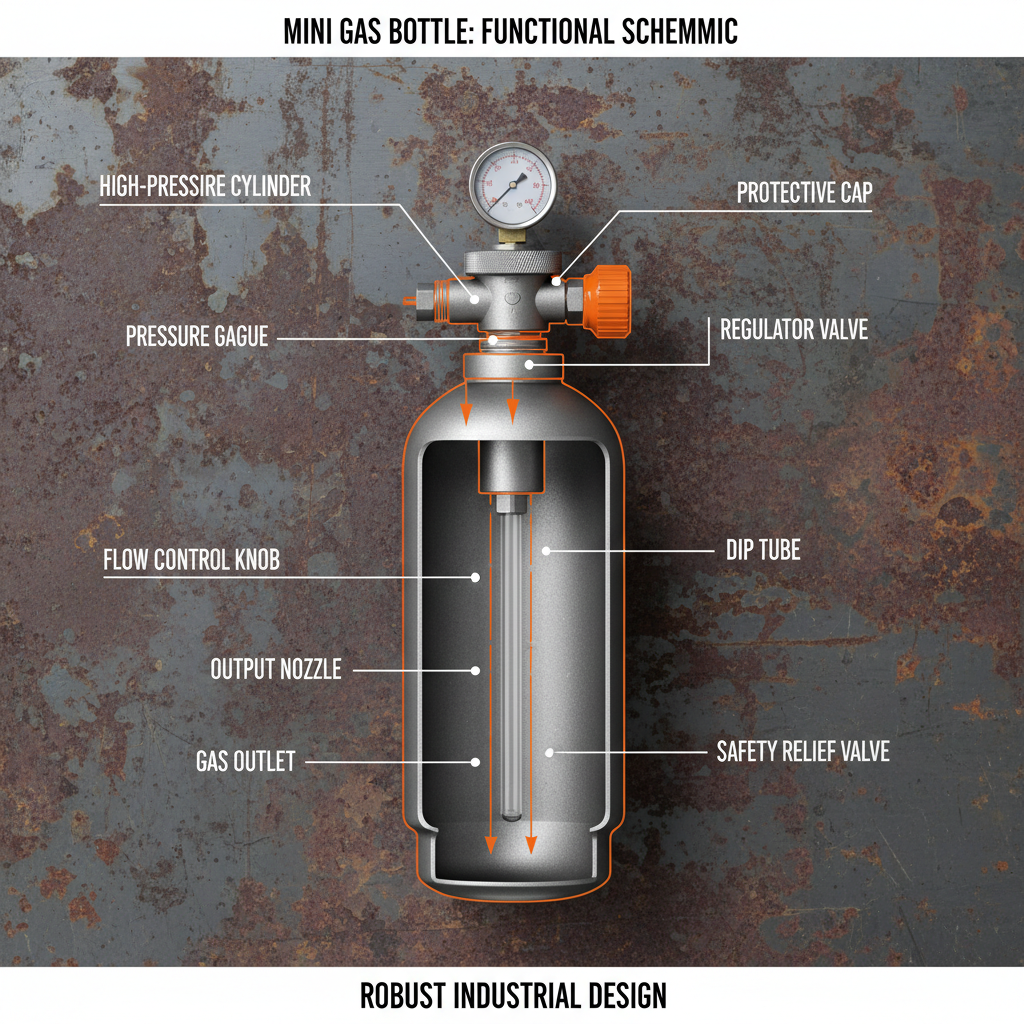
The integrity of gas cylinder pipe relies on several key components, beyond just the main pipe body. These include the cylinder neck (where the valve is attached), the end cap (providing a sealed closure), and the threading – all of which must be precisely manufactured and tested. Welds are critical areas of concern and require rigorous non-destructive testing (NDT) to ensure flawlessness. The quality of these components directly influences the overall safety and reliability of the cylinder.
Material science plays a pivotal role in gas cylinder pipe construction. Carbon steel is a common choice for many applications due to its strength and cost-effectiveness, but it’s susceptible to corrosion. Stainless steel offers superior corrosion resistance, making it ideal for storing reactive or corrosive gases. Specialty alloys, such as chromium-molybdenum steel, provide enhanced strength and toughness at extreme temperatures. The selection depends on the gas, the anticipated operating conditions, and budget constraints.
Recent advancements in materials science are exploring the use of composite materials, such as carbon fiber reinforced polymers, to reduce weight and enhance strength. While still in the early stages of development for high-pressure applications, these materials offer promising potential for future generations of gas cylinders.
Global Applications of Gas Cylinder Pipe
Gas cylinder pipe underpins a vast array of global applications. In healthcare, it delivers life-saving medical gases like oxygen, nitrous oxide, and carbon dioxide. Industrial sectors heavily rely on it for acetylene (welding), nitrogen (inerting), argon (shielding gas), and various calibration gases. The food and beverage industry utilizes it for carbonating drinks, preserving food, and creating modified atmosphere packaging.
In remote industrial zones, gas cylinder pipe provides a portable and reliable source of essential gases where pipeline infrastructure is unavailable. Similarly, in post-disaster relief operations, portable oxygen cylinders, relying on robust gas cylinder pipe, are critical for providing respiratory support to victims.
Geographically, the demand for gas cylinder pipe is concentrated in regions with significant industrial activity, such as China, the United States, Germany, and Japan. Emerging economies in Southeast Asia and South America are also experiencing rapid growth in demand due to their expanding industrial bases.
Gas Cylinder Pipe Performance by Manufacturing Method
Advantages and Long-Term Value
Investing in high-quality gas cylinder pipe yields significant advantages. Cost-effectiveness is achieved through reduced maintenance and replacement frequency, minimizing downtime and operational expenses. Enhanced safety, stemming from robust construction and rigorous testing, protects personnel and prevents costly accidents. Furthermore, adherence to sustainable manufacturing practices minimizes environmental impact.
From a long-term perspective, reliable gas cylinder pipe builds trust and strengthens brand reputation. Customers and stakeholders value companies that prioritize safety and quality. This commitment translates into increased customer loyalty, positive word-of-mouth referrals, and a competitive edge in the marketplace.
Future Trends and Innovations
The future of gas cylinder pipe is poised for exciting innovations. The development of lighter, stronger materials – such as advanced composite materials – will revolutionize cylinder design, improving portability and reducing transportation costs. Digital technologies, like smart sensors embedded within cylinders, will enable real-time monitoring of pressure, temperature, and location, enhancing safety and traceability.
Sustainability is another driving force behind innovation. Manufacturers are increasingly adopting environmentally friendly manufacturing processes and exploring the use of recycled materials. The integration of Industry 4.0 principles, including automation and data analytics, will optimize production efficiency and quality control.
Challenges and Mitigation Strategies
Despite advancements, several challenges persist in the realm of gas cylinder pipe. Corrosion, particularly in harsh environments, remains a significant concern. Ensuring consistent weld quality across all manufacturing processes requires continuous monitoring and improvement. Furthermore, maintaining regulatory compliance and adapting to evolving safety standards demands ongoing vigilance.
Mitigation strategies include employing corrosion-resistant materials, implementing advanced NDT techniques, and investing in employee training programs. Proactive maintenance schedules and regular inspections can identify potential issues before they escalate. Collaboration with industry associations and regulatory bodies is crucial for staying abreast of changing standards.
Addressing these challenges effectively will require a continued commitment to innovation, collaboration, and a relentless pursuit of safety and quality.
Summary of Gas Cylinder Pipe Quality Assessment
| Assessment Parameter |
Testing Method |
Acceptance Criteria |
Risk Level (1-10) |
| Material Composition Verification |
Spectroscopic Analysis |
Within specified alloy tolerances |
3 |
| Weld Integrity Assessment |
Radiographic Testing (X-Ray) |
No cracks, porosity, or inclusions |
7 |
| Hydrostatic Pressure Testing |
Water Pressure Test at 1.5x Working Pressure |
No permanent deformation or leaks |
8 |
| Corrosion Resistance Evaluation |
Salt Spray Testing |
Minimum 240 hours without significant corrosion |
6 |
| Surface Finish Analysis |
Visual Inspection & Roughness Measurement |
Smooth, free from defects; Ra
|
2 |
| Dimensional Accuracy Check |
Coordinate Measuring Machine (CMM) |
Within specified tolerances (+/- 0.1mm) |
4 |
FAQS
The lifespan of gas cylinder pipe varies depending on the gas stored, operating pressure, environmental conditions, and maintenance practices. However, with proper inspection and maintenance, a high-quality cylinder can reliably serve for 10-20 years, or even longer. Regular hydrostatic testing is crucial to verify continued integrity and extend service life. Adhering to manufacturer recommendations and relevant safety regulations is paramount for maximizing lifespan.
Material certification is absolutely critical. It verifies that the pipe material meets the specified chemical composition and mechanical properties outlined in relevant standards like ISO or DOT. Without proper certification, there’s no guarantee the pipe can withstand the intended pressures and prevent catastrophic failure. Certified materials ensure traceability and accountability throughout the manufacturing process.
Common NDT methods include radiographic testing (X-ray) to detect internal flaws, ultrasonic testing to assess wall thickness and detect cracks, liquid penetrant testing to identify surface cracks, and magnetic particle inspection for detecting surface and near-surface defects. These methods allow for thorough inspection without damaging the pipe's integrity.
Corrosion can be caused by the gas being stored (e.g., corrosive gases like hydrogen sulfide), environmental factors (e.g., humidity, salt spray), and internal factors like residual moisture. Selecting corrosion-resistant materials and applying protective coatings can significantly mitigate corrosion risks. Regular inspections are vital for identifying and addressing corrosion before it compromises the pipe’s integrity.
Hydrostatic testing involves filling the cylinder with water and pressurizing it to a level significantly higher than its working pressure. This test reveals any weaknesses in the pipe’s structure, such as cracks or leaks. Successfully passing a hydrostatic test provides confidence that the cylinder can safely withstand its intended operating conditions. It is a mandated periodic test.
Regulatory standards, such as those set by ISO, DOT, and national standards bodies, dictate the design, manufacturing, testing, inspection, and labeling requirements for gas cylinder pipe. Compliance with these standards is legally mandated and essential for ensuring safety and preventing accidents. Regular audits and adherence to best practices are crucial for maintaining compliance.
Conclusion
In conclusion, gas cylinder pipe is a foundational component of countless industries and applications, impacting safety, efficiency, and sustainability. Understanding its vital role, key components, evolving technologies, and inherent challenges is crucial for informed decision-making and responsible operation. Investing in high-quality, rigorously tested gas cylinder pipe is not merely a compliance issue, but a fundamental commitment to protecting people and the environment.
Looking ahead, continued innovation in materials science, manufacturing techniques, and digital technologies will undoubtedly shape the future of gas cylinder pipe. By embracing sustainable practices, prioritizing safety, and fostering collaboration between industry stakeholders, we can ensure that gas cylinder pipe remains a reliable and essential component of a safer, more efficient, and sustainable future. For more information and to explore our comprehensive range of gas cylinder pipe solutions, visit our website: gas cylinder pipe.