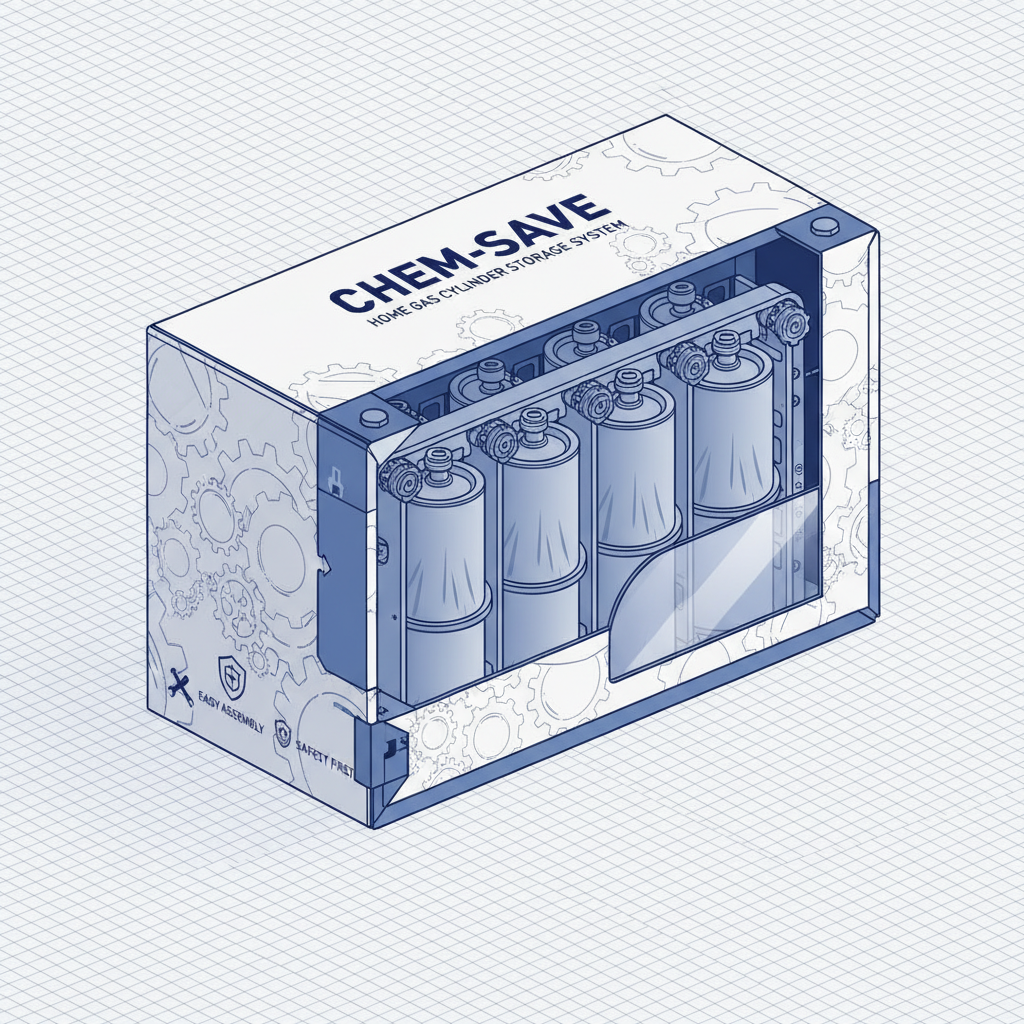
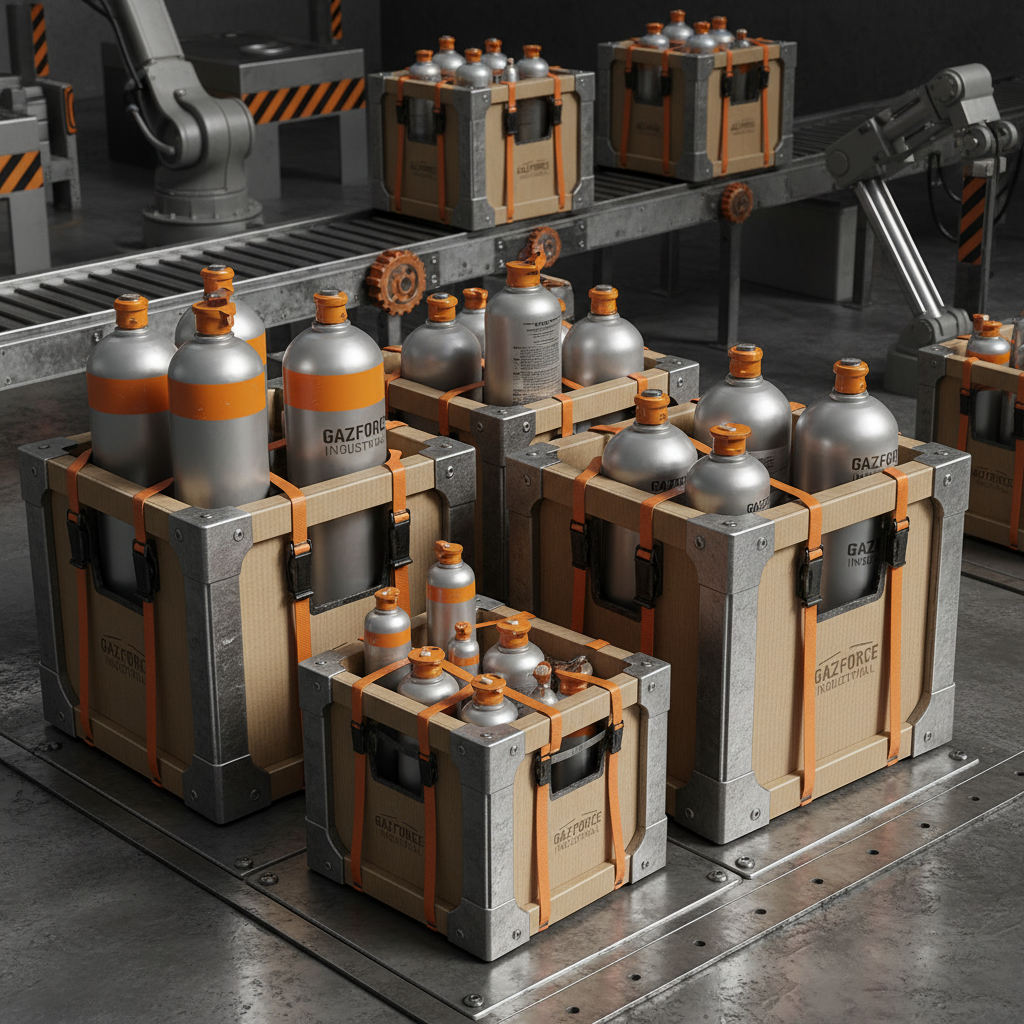
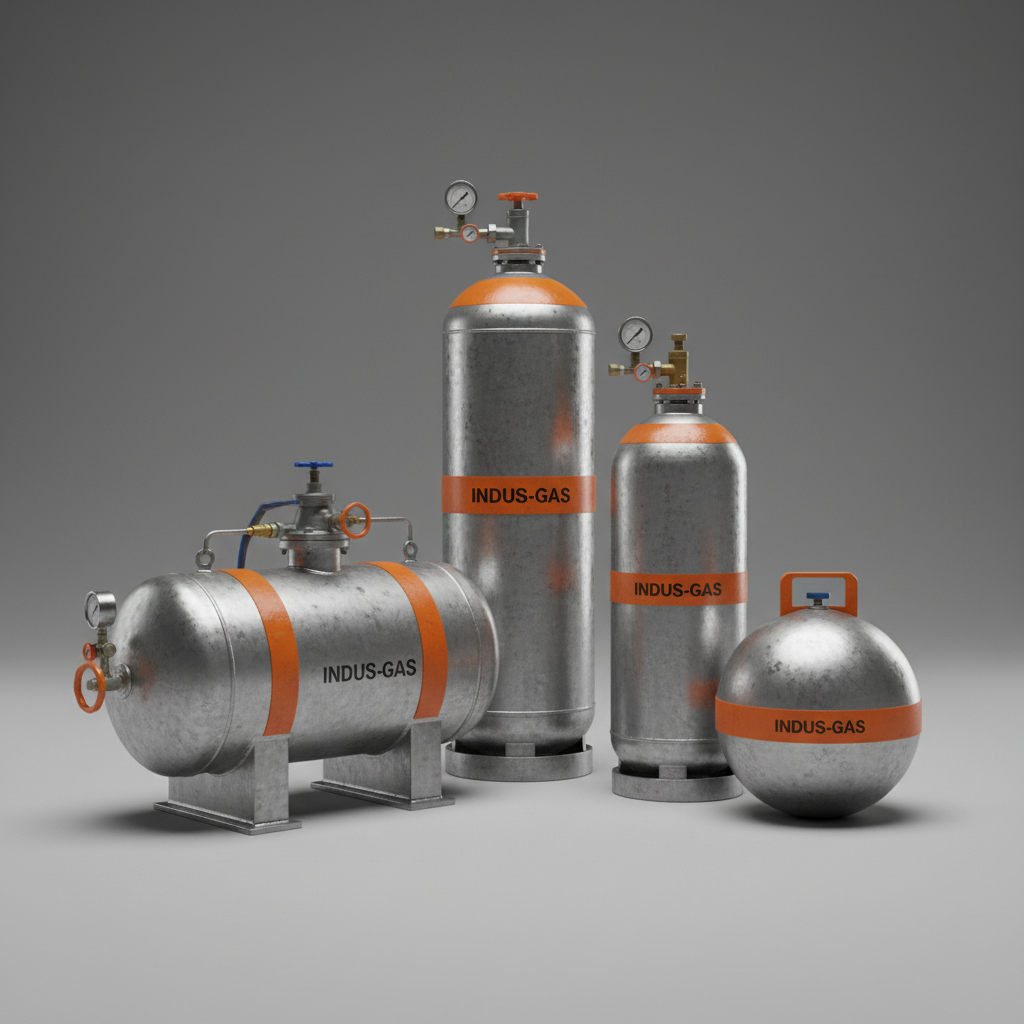
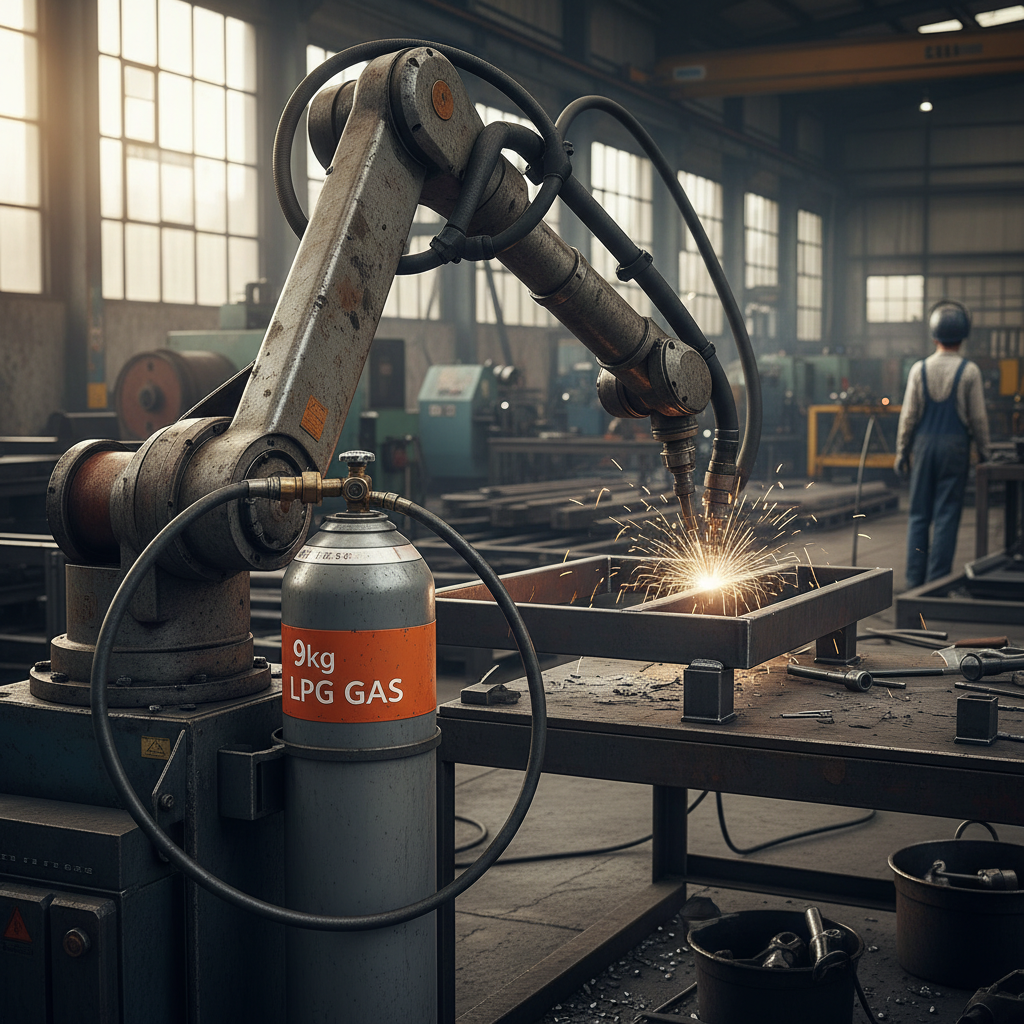
Storing gas cylinders at home is becoming increasingly common for a variety of applications, from hobby welders and homebrewers to individuals requiring medical oxygen. However, safely storing these cylinders requires a thorough understanding of potential hazards and adherence to strict guidelines. Improper storage can lead to leaks, fires, and even explosions, making education and proactive safety measures paramount. storing gas cylinders at home isn’t just about convenience; it’s about protecting yourself, your family, and your property.
The global industrial gas market is a multi-billion dollar industry, with increasing demand in sectors like healthcare, manufacturing, and food & beverage. This, coupled with growing DIY trends, contributes to more frequent handling and storage of compressed gases by private individuals. Regulations regarding storage vary widely by country and region, presenting a challenge for consumers and requiring diligent research to ensure compliance. Understanding these regulations and best practices for storing gas cylinders at home is crucial for safe and responsible use.
Beyond industrial and personal use, the proper storage of gas cylinders is vital during emergencies and disaster relief efforts. Having access to readily available medical oxygen or welding gases can be life-saving in crisis situations, but only if the cylinders are stored and transported safely. This emphasizes the importance of understanding not just the ‘how’ of storage but also the ‘why’ – the broader implications for community safety and resilience when storing gas cylinders at home or in emergency situations.
Understanding the Risks of Storing Gas Cylinders at Home
The primary risks associated with storing gas cylinders at home stem from the high pressure at which gases are contained. A compromised cylinder, whether through corrosion, damage, or faulty valve, can lead to a rapid release of gas, creating a dangerous situation. This can manifest as a fire hazard (for flammable gases), an asphyxiation risk (for inert gases displacing oxygen), or even a physical explosion. Proper understanding of these potential dangers is the first step towards safe storage.
Beyond the cylinder itself, environmental factors play a significant role. Exposure to extreme temperatures, direct sunlight, or corrosive substances can weaken the cylinder’s integrity. Furthermore, improper handling – dropping a cylinder or subjecting it to physical shock – can also lead to failure. These risks are amplified when cylinders are stored indoors, where ventilation may be limited and potential ignition sources are present.
Defining Safe Storage Practices
Safe storage practices for gas cylinders at home begin with proper cylinder orientation. Cylinders should always be stored in an upright position, secured with a chain or strap to prevent tipping or falling. This minimizes the risk of valve damage and ensures the pressure relief device functions correctly. It’s crucial to always keep the valve cap tightly secured when the cylinder is not in use to protect the valve from accidental damage.
The storage location itself is critical. Cylinders should be stored in a well-ventilated area, away from heat sources, direct sunlight, and combustible materials. A detached shed or garage is often preferable to an enclosed space within the home. Ensure the area is dry and protected from the elements, and that the floor is level and stable to prevent cylinders from rolling or shifting.
Regular inspection of cylinders is essential. Visually inspect cylinders for signs of corrosion, dents, or damage before each use. If any damage is detected, the cylinder should be taken out of service immediately and professionally inspected by a qualified gas cylinder specialist. Hydrostatic testing, a periodic pressure test, is also required by regulations to ensure cylinder integrity.
Key Factors Influencing Safe Cylinder Storage
Several key factors directly impact the safety of storing gas cylinders at home. The type of gas is paramount; flammable gases require stricter storage protocols than inert gases. Cylinder material – steel, aluminum, or composite – also influences storage requirements, as different materials exhibit varying resistance to corrosion and impact damage. Understanding these differences is vital for adopting appropriate safety measures.
The storage environment plays a crucial role. Temperature fluctuations can affect cylinder pressure, while humidity can accelerate corrosion. Proper ventilation is essential to prevent the build-up of flammable or toxic gases in case of a leak. Moreover, proximity to ignition sources – electrical outlets, open flames, or sparks – must be avoided when storing gas cylinders at home, especially those containing flammable gases.
Adherence to local regulations and safety standards is non-negotiable. These regulations outline specific requirements for cylinder storage, handling, and transportation, designed to minimize risks and ensure public safety. It’s essential to familiarize yourself with these regulations and ensure your storage practices comply with all applicable guidelines.
Global Regulations and Standards for Storing Gas Cylinders
Regulations surrounding the storing of gas cylinders at home vary significantly around the globe. In the United States, the Department of Transportation (DOT) and Occupational Safety and Health Administration (OSHA) provide guidelines for cylinder safety, focusing on construction, testing, and transportation. However, specific home storage regulations are often determined at the state or local level.
Europe adheres to the Pressure Equipment Directive (PED) and EN standards, which govern the design, manufacturing, and testing of pressure vessels, including gas cylinders. These standards are harmonized across many European countries, ensuring a consistent level of safety. National regulations may supplement these European directives with specific requirements for home storage.
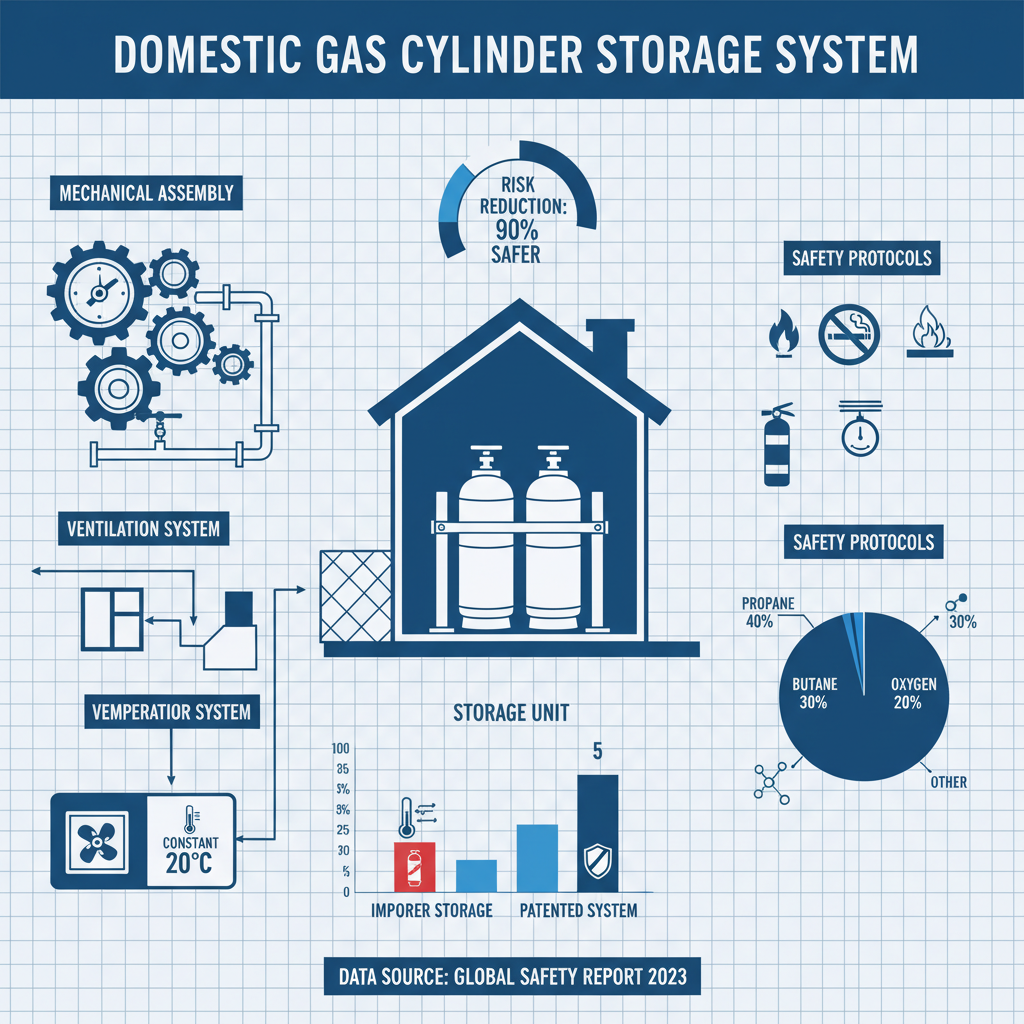
Compliance Levels with Gas Cylinder Storage Regulations
Practical Applications of Secure Storage Solutions
For homebrewers, secure storage of CO2 cylinders is critical for carbonating beverages. This often involves dedicating a specific, well-ventilated area in a garage or basement, away from any potential ignition sources. Correctly securing the cylinder prevents accidental tipping and potential valve damage.
Welding enthusiasts require safe storage for compressed gases like argon, helium, and oxygen. Storing these cylinders indoors necessitates proper ventilation to prevent the build-up of inert gases and potential asphyxiation. Using cylinder carts and securing the cylinders with straps further enhances safety.
Benefits of Prioritizing Safe Gas Cylinder Storage
The most significant benefit of prioritizing safe gas cylinder storage is, undoubtedly, safety. Minimizing the risk of leaks, fires, and explosions protects yourself, your family, and your property from potentially devastating consequences. This peace of mind is invaluable.
Beyond safety, proper storage extends the lifespan of the cylinders themselves. Protecting them from corrosion, damage, and extreme temperatures ensures they remain in good working order for longer, reducing the need for costly replacements. Furthermore, adhering to regulations avoids potential fines or legal repercussions.
Future Trends in Gas Cylinder Storage Technology
Advancements in materials science are leading to the development of lighter and more durable gas cylinders, often made from composite materials. These cylinders offer improved corrosion resistance and increased safety features. Smart cylinder technology, incorporating sensors to monitor pressure, temperature, and location, is also emerging.
Digital platforms and mobile apps are being developed to help consumers track cylinder inspection dates, manage inventory, and access safety information. These tools promote proactive safety management and ensure compliance with regulations. Furthermore, research into alternative, more sustainable gas storage solutions is ongoing.
The integration of IoT (Internet of Things) devices in storage facilities will allow for remote monitoring of environmental conditions, such as temperature and humidity, providing real-time alerts in case of deviations from safe parameters. This proactive approach to safety will become increasingly prevalent in the future.
Summary of Key Factors in Future Gas Cylinder Storage
| Technology Advancement |
Material Innovation |
Regulatory Impact |
User Accessibility |
| IoT integration for real-time monitoring |
Development of lightweight composite cylinders |
Stricter enforcement of existing regulations |
Simplified access to safety information via mobile apps |
| Remote diagnostics and preventative maintenance |
Enhanced corrosion-resistant coatings |
Harmonization of global storage standards |
User-friendly interfaces for tracking cylinder status |
| Automated inventory management systems |
Self-healing polymers for cylinder repair |
Increased focus on sustainable storage practices |
Virtual reality training for safe handling procedures |
| Predictive analytics for potential failures |
Bio-based materials for cylinder construction |
Incentives for adopting advanced storage technologies |
Personalized safety recommendations based on usage patterns |
| Cloud-based data storage for cylinder history |
Nanomaterials for improved strength and durability |
Standardized labeling and identification systems |
Integration with smart home security systems |
| Blockchain technology for supply chain traceability |
Recyclable cylinder materials for reduced environmental impact |
Regular audits to ensure compliance and safety |
Augmented reality applications for visual inspections |
FAQS
Propane tanks require outdoor storage in a well-ventilated area, away from ignition sources and direct sunlight. The tank should be upright, secured, and the valve capped. It's crucial to follow local regulations regarding storage distance from buildings and property lines. Regularly check for leaks using a soapy water solution.
While medically prescribed oxygen tanks can be stored indoors, proper ventilation is paramount to prevent oxygen enrichment, which creates a fire hazard. The tank should be kept away from heat sources, flammable materials, and electrical equipment. Follow your medical oxygen provider's specific instructions.
Visually inspect cylinders before each use for signs of damage, corrosion, or leaks. Schedule a professional hydrostatic test every 5-10 years, depending on the cylinder type and regulatory requirements. Keep records of all inspections and tests.
If you smell gas, immediately extinguish any open flames or ignition sources. Evacuate the area, and do not operate any electrical switches. Contact your local fire department or gas company from a safe location. Do not attempt to repair the leak yourself.
While chaining cylinders together can provide stability, it’s crucial to ensure the chains don’t cause abrasion or damage to the cylinders. Use appropriate padding or sleeves to protect the cylinder surfaces. Avoid over-tightening the chains, as this can deform the cylinder.
Improper storage can lead to leaks, fires, explosions, and asphyxiation. It can also result in cylinder damage, shortening their lifespan and increasing the risk of catastrophic failure. Furthermore, non-compliance with regulations can result in fines and legal liabilities.
Conclusion
Storing gas cylinders at home demands a conscientious approach, prioritizing safety and adherence to regulations. Understanding the risks, adopting appropriate storage practices, and staying informed about emerging technologies are crucial for ensuring a safe and responsible environment. From the type of gas to the storage location, every detail matters in mitigating potential hazards.
Looking ahead, continued innovation in cylinder materials and monitoring technologies will further enhance safety and efficiency. Embracing these advancements, coupled with a commitment to ongoing education and compliance, will be essential for the safe and sustainable use of compressed gases in homes and industries alike. For all your industrial and specialty gas needs, including reliable storage solutions, visit our website: www.whipways.com.