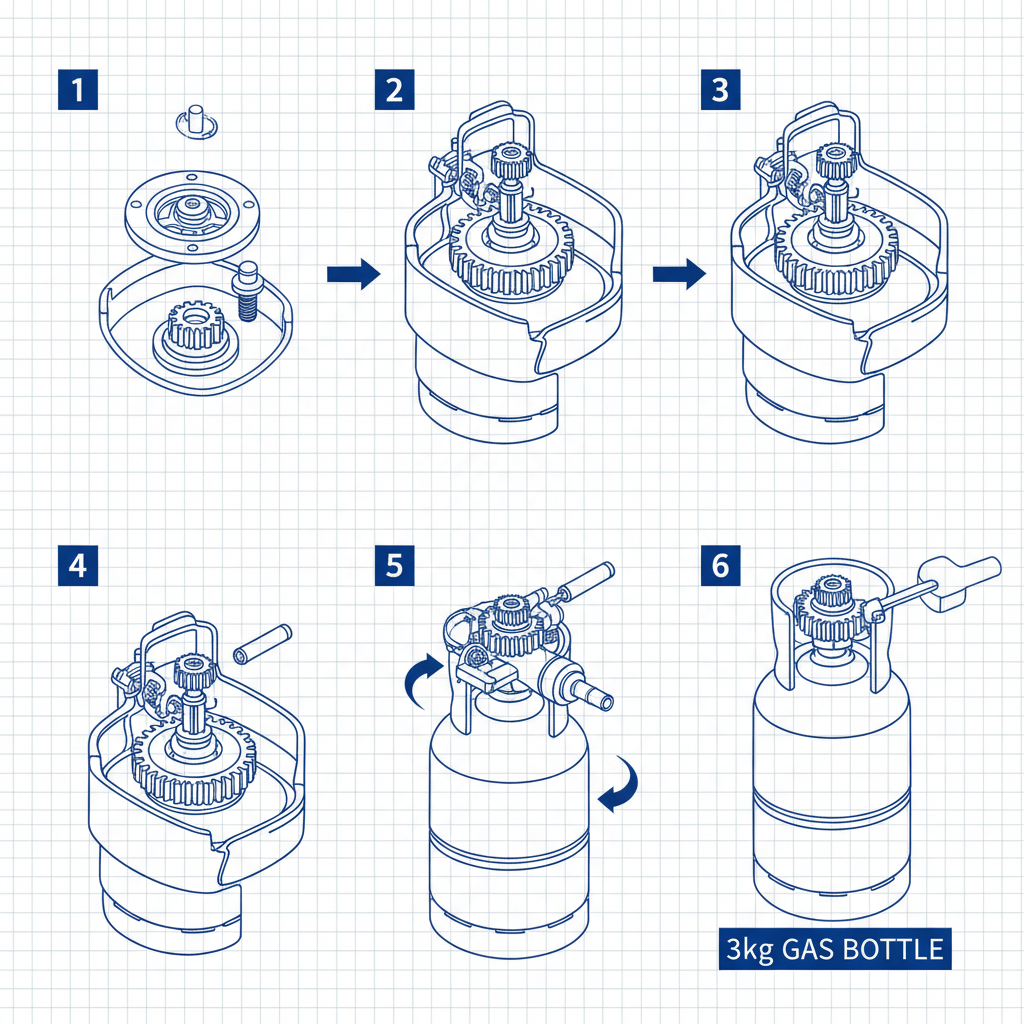
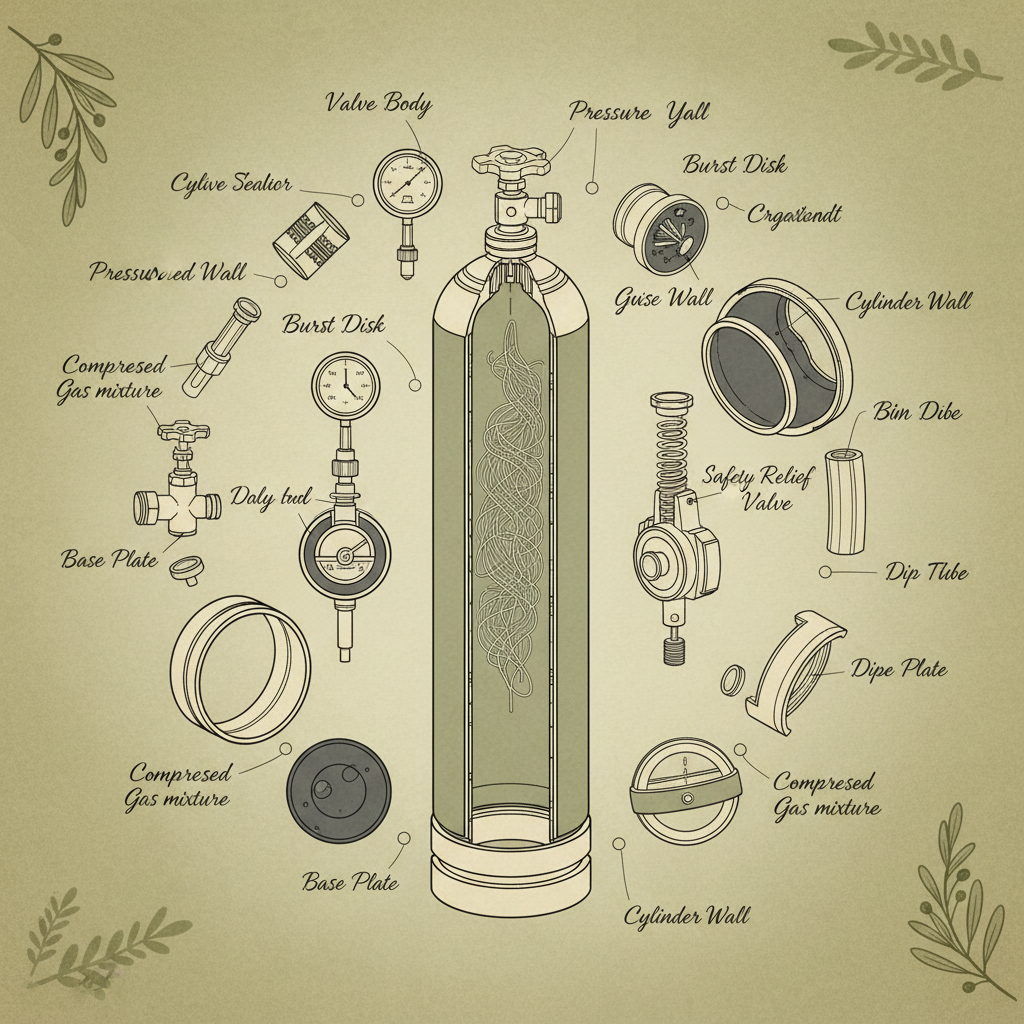
The 3kg gas bottle. Sounds simple, right? But spend a year on construction sites, wrestling with deliveries, and talking to the guys actually using this stuff, and you realize it’s a linchpin. It's not just about powering a torch; it's about keeping projects moving, keeping tradesmen safe, and frankly, keeping budgets in check. We’ve seen firsthand how a reliable gas supply – in this specific, portable size – impacts productivity. Too small, and you’re constantly swapping. Too big, and you're lugging around unnecessary weight and taking up valuable space. The 3kg bottle strikes a sweet spot.
It's become the standard for a reason. I've lost count of the times a job’s been held up because of gas issues. Not enough pressure, leaky connections, the wrong fitting…these things add up to serious delays. And delays mean money. We’ve seen projects that started optimizing their gas supply, specifically down to using standardized 3kg bottles and reliable regulators, shave days off their schedules. It’s a small change with a big ripple effect.
And it's not just construction. I’ve seen these bottles in action everywhere from catering events to small-scale welding repairs. That versatility makes it a critical component in a lot of different industries, and it’s why understanding its specifications and best practices is so important. It's a workhorse that often gets overlooked, but it's absolutely essential.
The Importance of 3kg Gas Bottles in Practical Applications
You really see the value of a well-made 3kg gas bottle when you're on a job site. It’s not just about having fuel; it's about reliability. We've worked with crews that have been burned – literally and figuratively – by cheap bottles that leak, rust, or just don't hold the correct pressure. A good bottle, built to standard, means less downtime, fewer safety concerns, and ultimately, a smoother workflow. 3kg gas bottle quality really does translate directly to bottom-line savings.
Beyond the technical aspects, it's about minimizing hassle. Guys don't want to spend half their day fiddling with gas tanks. They want to get the job done. That's why the 3kg size is so popular – it's manageable, portable, and usually provides enough gas for a significant amount of work without requiring constant refills. We emphasize this to our teams during site orientations.
Defining the 3kg Gas Bottle Standard
Let's be clear, "3kg" refers to the weight of the propane or butane gas inside the bottle, not the bottle itself. That's a common misunderstanding. The bottle’s capacity is typically around 11 liters, but the actual fill weight is what matters for determining run time. These bottles are built to strict safety standards – in Europe, primarily EN 1442 – which dictates everything from the steel thickness to the valve design and pressure relief mechanisms.
Knowing these standards is crucial. You want to ensure the bottle is certified and regularly inspected. We've seen too many instances of uncertified bottles popping up, and that's a recipe for disaster. It's not worth the risk, even if it seems like a cheaper option upfront. A properly certified 3kg gas bottle provides peace of mind and protects everyone on the site.
Understanding the connections – POL fitting is the most common here, but there are others – is also essential. Make sure your regulators and hoses are compatible. Mismatched fittings are a significant cause of leaks and potential accidents, and we make sure our crews are trained to identify and address these issues immediately.
Core Characteristics of a Quality 3kg Gas Bottle
Durability is paramount. These bottles get knocked around – believe me, I've seen it. The steel needs to be thick enough to withstand impacts and resist corrosion. Look for a bottle with a robust, well-protected valve assembly. That’s where most failures occur. We've moved to specifying bottles with reinforced foot rings because they’re less likely to get damaged during transport and handling.
The valve itself is critical. It needs to be smooth operating, leak-proof, and have a clearly marked pressure relief mechanism. A properly functioning pressure relief valve is your last line of defense against overpressure, especially in hot weather. We always advise our teams to visually inspect the valve before each use.
Finally, look for clear and legible markings. The bottle should be stamped with the manufacturer's information, the date of manufacture, the test date, and the maximum fill weight. These markings are a legal requirement and a sign of a reputable manufacturer. Don’t accept a bottle if you can't clearly read these markings.
Real-World Applications Across Industries
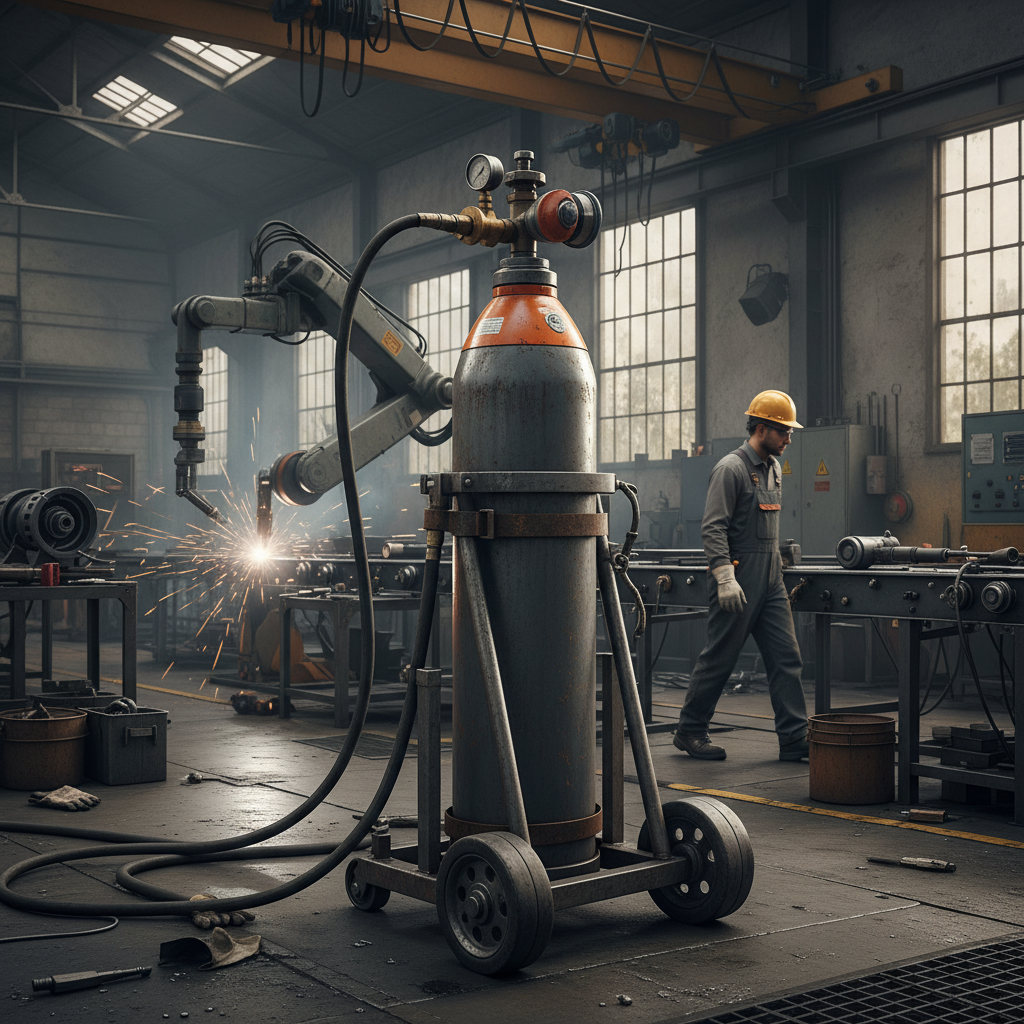
Construction is a huge user, obviously. It's for everything from brazing pipes to powering weed burners and concrete curing equipment. But it goes way beyond that. Catering businesses rely heavily on 3kg bottles for their gas grills and burners. Landscapers use them for various tools. Even smaller workshops and garages find them incredibly useful for welding, heating, and metalworking.
I've also seen them used in agricultural settings for things like fruit drying and pest control. In post-disaster relief operations, these bottles can be a lifeline, providing a portable and reliable energy source for cooking, heating, and lighting. The ability to quickly deploy a 3kg gas bottle and a basic burner can make a huge difference in emergency situations.
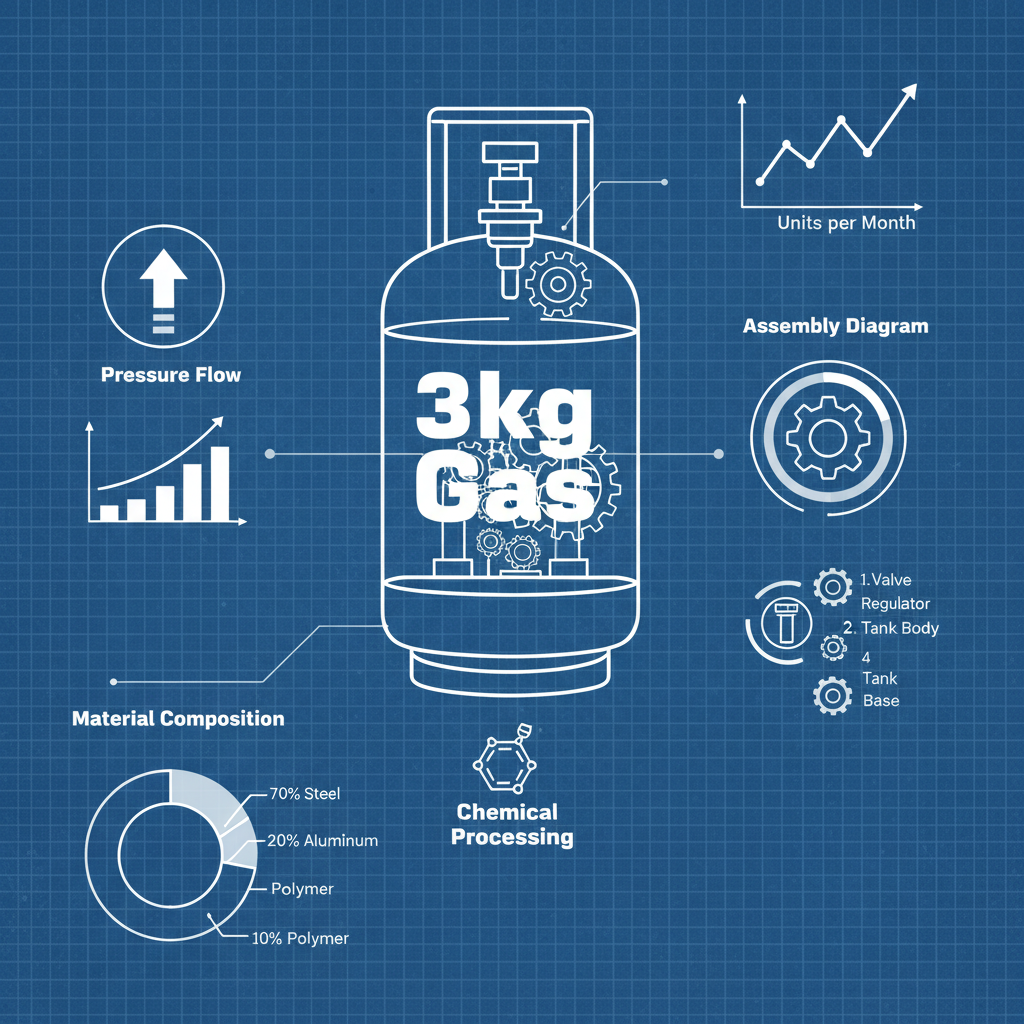
3kg Gas Bottle Application Efficiency
Advantages of Utilizing 3kg Gas Bottles
The biggest advantage, hands down, is portability. These bottles are easy to carry and maneuver, even in tight spaces. That's a huge benefit on a busy construction site where you're constantly moving around. 3kg gas bottle offers a practical balance between fuel capacity and ease of transport.
Cost-effectiveness is another key factor. They’re relatively inexpensive to purchase or rent, and the gas itself is readily available. And because they're a standard size, you can find compatible regulators and hoses at most hardware stores.
Future Trends and Innovation in Gas Bottle Technology
We’re starting to see more interest in smart gas bottles – bottles equipped with sensors that monitor gas levels and transmit data wirelessly. This allows for remote monitoring of gas usage and proactive refills, preventing downtime. It’s a small step, but a significant one in terms of improving efficiency.
There’s also research into alternative fuels for these bottles, like biogas and hydrogen. While these are still in the early stages of development, they have the potential to significantly reduce the carbon footprint of gas-powered equipment. And as regulations become stricter, we’ll likely see a greater emphasis on sustainable fuel options.
Finally, improvements in bottle materials – lighter-weight, more durable composites – are on the horizon. This could further enhance portability and safety.
Common Challenges & Effective Solutions
One of the biggest challenges is corrosion, especially in coastal areas or on sites with high humidity. Regular inspection and protective coatings can help mitigate this, but eventually, bottles will need to be replaced. Proper storage – keeping them dry and covered – is also crucial.
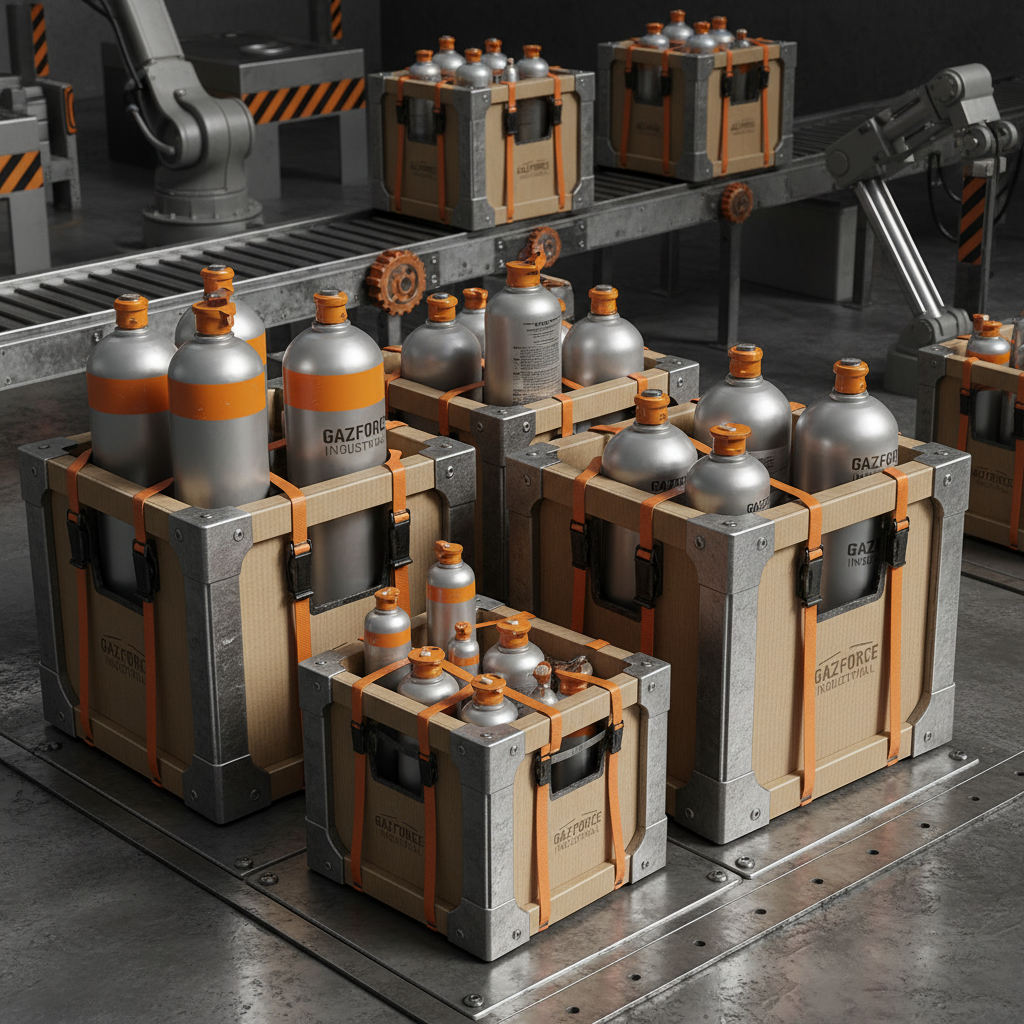
Another issue is improper handling. Dropping or damaging a bottle can compromise its structural integrity. We emphasize the importance of using bottle carriers and securing them properly during transport. Training our teams on proper handling procedures is paramount.
Finally, ensuring consistent gas quality can be a challenge. Different suppliers may have slightly different formulations, which can affect equipment performance. We stick with a reputable supplier and consistently monitor gas pressure to ensure optimal operation.
Core Challenges and Solutions for 3kg Gas Bottles
| Challenge Category |
Severity (1-10) |
Impact on Operations |
Recommended Solution |
| Corrosion |
7 |
Reduced bottle lifespan, potential leaks |
Regular inspection, protective coatings, proper storage |
| Physical Damage |
8 |
Compromised structural integrity, potential explosions |
Use bottle carriers, secure during transport, training on handling |
| Gas Quality |
5 |
Reduced equipment performance, inconsistent results |
Reputable supplier, consistent monitoring of gas pressure |
| Valve Malfunction |
6 |
Leaks, difficulty controlling gas flow |
Regular inspection, replacement of worn valves |
| Incorrect Connections |
4 |
Leaks, inefficient gas usage |
Ensure compatibility of regulators and hoses |
| Certification Expiration |
9 |
Legal non-compliance, safety hazard |
Track certification dates, schedule regular inspections |
FAQS
The lifespan really depends on how well it’s maintained. With proper care – regular inspections, protection from corrosion, and avoiding physical damage – a well-made 3kg bottle can easily last 10-15 years. However, they legally require periodic hydrostatic testing – usually every 10 years – to ensure the steel hasn't weakened. Neglecting maintenance or skipping the hydro test is a significant safety risk.
Before each use, visually inspect the bottle for any signs of damage – dents, rust, or corrosion. Check the valve for leaks using soapy water. Make sure the bottle is properly certified and the test date is current. If you have any doubts, don’t use it. It’s always better to be safe than sorry. And remember, never attempt to repair a damaged gas bottle yourself – it should be taken to a qualified professional.
Most commonly, you'll find propane or butane in 3kg bottles. Propane is generally used for higher-temperature applications like brazing and heating, while butane is often preferred for cooking and lower-heat tasks. The specific gas type will be clearly labeled on the bottle, so always double-check before connecting it to your equipment. Using the wrong gas can be dangerous and damage your equipment.
Store 3kg gas bottles outdoors or in a well-ventilated area, away from direct sunlight, heat sources, and flammable materials. Keep them upright and secured to prevent them from falling over. Never store a gas bottle in a confined space like a basement or garage. And always close the valve tightly when not in use and remove the regulator.
The most common fitting type for 3kg gas bottles in many regions is the POL fitting. However, there are other types, such as the European-style bayonet fitting. It’s vital to ensure your regulator and hose are compatible with the bottle’s fitting to prevent leaks. Always check the fitting carefully before connecting.
Yes, there are regulations governing the transportation of gas bottles, which vary by region. Generally, they need to be secured to prevent movement during transit and transported in a well-ventilated vehicle. In some areas, there may be limitations on the number of bottles you can transport in a single vehicle. It’s crucial to check the local regulations before transporting a 3kg gas bottle.
Conclusion
The 3kg gas bottle might seem like a simple tool, but as we’ve seen, it's a critical component across a vast range of industries. Its portability, reliability, and cost-effectiveness make it an indispensable asset for countless professionals. Understanding its characteristics, proper usage, and safety requirements isn't just good practice, it's essential for ensuring efficient operations and protecting the well-being of those on the job.
Looking ahead, the integration of smart technologies and the development of more sustainable fuel options will only enhance the value of this workhorse. Investing in quality bottles, prioritizing safety training, and staying informed about industry best practices are all key to maximizing the long-term benefits of the 3kg gas bottle. For all your gas bottle needs, visit our website: www.whipways.com.