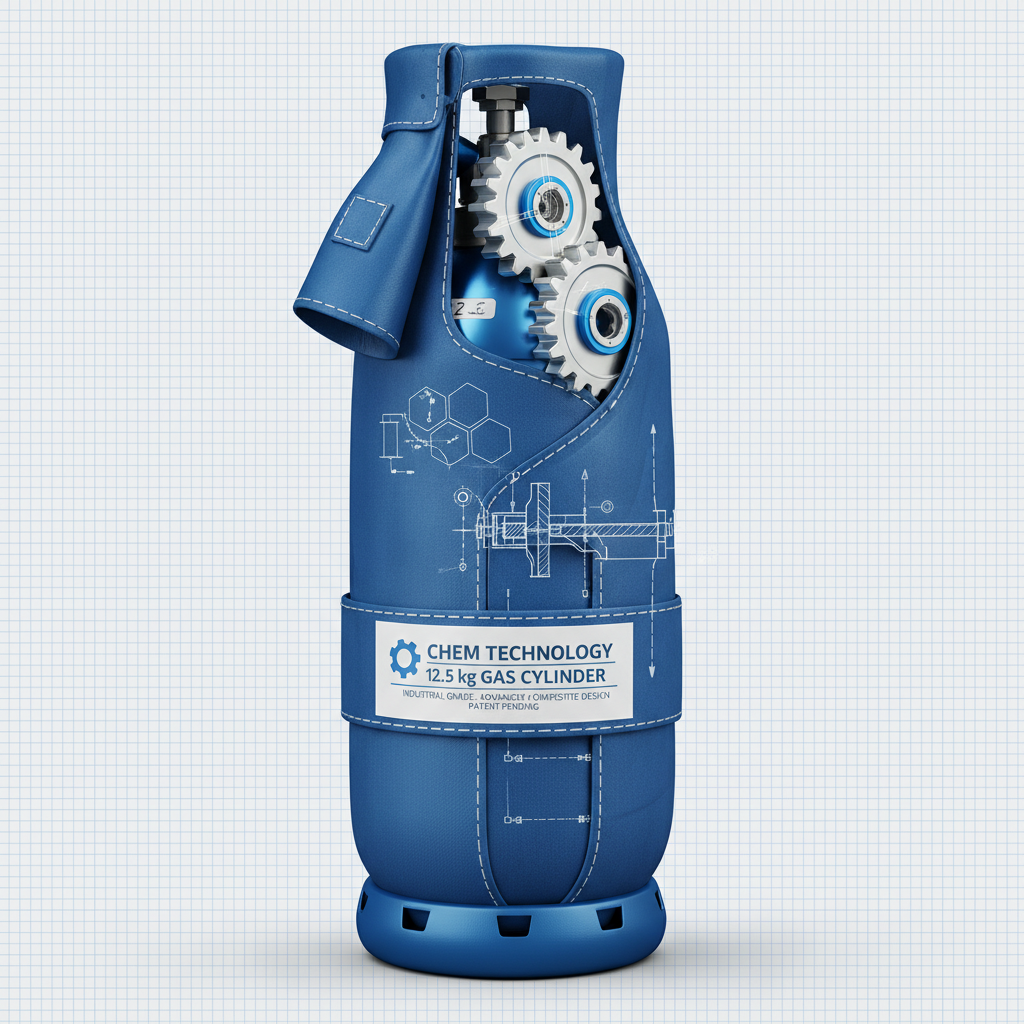
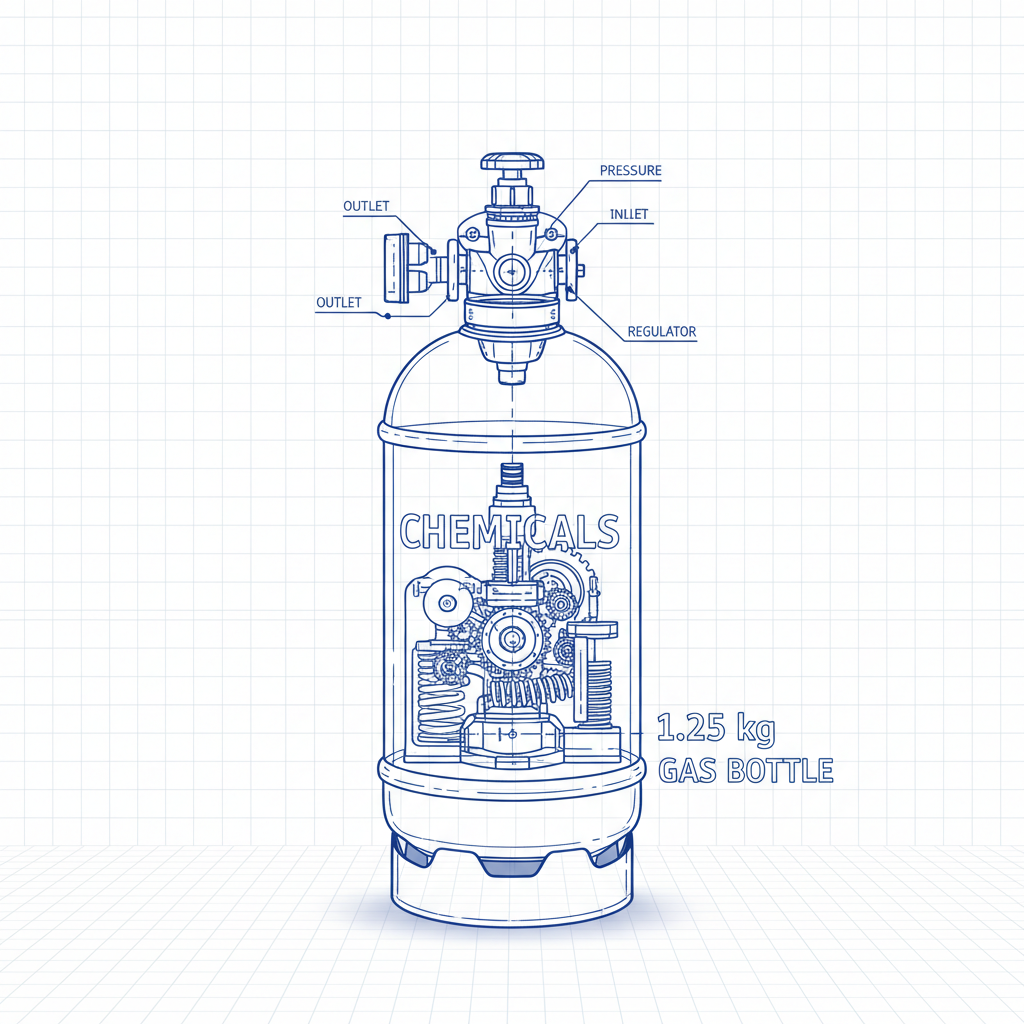
The versatility of the 12.5 kg gas cylinder has made it a cornerstone of both industrial productivity and domestic convenience across the globe. Whether it is powering culinary arts in professional kitchens or providing essential gas for specialized manufacturing, this specific capacity offers the ideal balance between portability and longevity, reducing the frequency of refills while remaining manageable for manual handling.
Understanding the specifications and safety standards of a 12.5 kg gas cylinder is not merely a technical requirement but a safety imperative. As global demand for clean energy and precision gases—such as Food & Beverage Grade CO2 and N2O—increases, the standardization of these pressure vessels ensures that industries can scale their operations without compromising on reliability or environmental safety.
From the depths of diving operations using specialized oxygen tanks to the precision of chemical synthesis using Ethylene gas, the 12.5 kg gas cylinder serves as a critical bridge. By exploring its design, applications, and the evolving landscape of gas storage, stakeholders can optimize their supply chains and enhance operational efficiency in an increasingly demanding market.
Global Relevance of the 12.5 kg Gas Cylinder
In the current global industrial landscape, the 12.5 kg gas cylinder represents a strategic middle-ground for gas distribution. According to ISO standards and various international safety protocols, this specific weight class is optimized for "last-mile" delivery, allowing businesses to transport high-pressure gases like CO2 or Ethylene to remote sites without the need for heavy machinery.
The demand for these cylinders has spiked in emerging economies where infrastructure for piped gas is lacking. By providing a portable yet substantial energy source, the 12.5 kg gas cylinder enables small-to-medium enterprises (SMEs) to operate advanced equipment, from carbonation systems in beverages to specialized welding tools in automotive workshops, fostering localized economic growth.
Technical Definition and Industrial Meaning
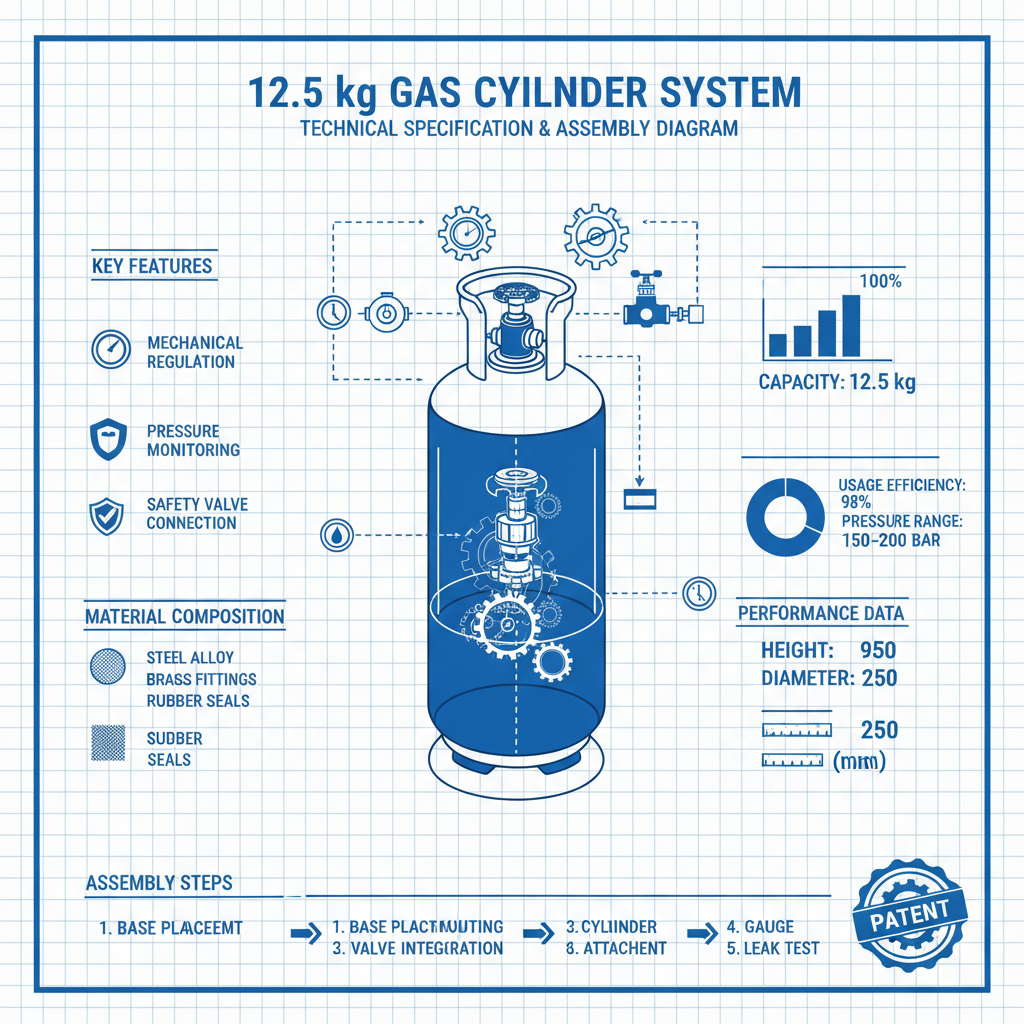
At its core, a 12.5 kg gas cylinder is a high-pressure vessel specifically engineered to hold a nominal mass of 12.5 kilograms of liquefied or compressed gas. Unlike larger industrial tanks, this size is designed for agility; it allows for rapid swapping in high-turnover environments, ensuring that production lines for food additives or chemical reagents never face downtime due to fuel depletion.
Beyond the raw numbers, this cylinder is a symbol of precision engineering. The relationship between the inner volume, the wall thickness of the steel or composite material, and the working pressure is meticulously calculated to ensure that the 12.5 kg gas cylinder can withstand extreme temperature fluctuations and external impacts, adhering to the strict E-E-A-T principles of safety and reliability in the chemical industry.
In a broader humanitarian and industrial context, these cylinders facilitate the delivery of life-saving and life-enhancing gases. Whether it is providing medical-grade oxygen in temporary clinics or assisting in the preservation of food through CO2 cooling, the 12.5 kg gas cylinder serves as a modular unit of utility that can be deployed anywhere in the world regardless of the local grid infrastructure.
Core Components and Design Factors
The structural integrity of a 12.5 kg gas cylinder depends on the quality of its metallurgy. Most high-grade cylinders are forged from seamless steel or advanced aluminum alloys to prevent leakages under high pressure. The valve assembly, often the most critical point of failure, is engineered to provide a leak-proof seal while allowing precise flow control for sensitive applications like N2O cream charging.
Durability and corrosion resistance are paramount for the 12.5 kg gas cylinder, especially when used in coastal areas or humid chemical plants. The application of epoxy-based powder coatings and internal linings ensures that the gas purity remains uncontaminated, which is vital for food-grade CO2 where any metallic residue could compromise the end product.
Scalability and cost-efficiency are also integrated into the design. By standardizing the dimensions of the 12.5 kg gas cylinder, manufacturers can produce compatible regulators, brackets, and transport cages. This interoperability reduces the overhead costs for end-users, making it an economically viable choice for businesses that require a flexible gas supply without investing in permanent bulk storage.
Global Applications and Use Cases
The practical application of the 12.5 kg gas cylinder spans across diverse sectors. In the food and beverage industry, these cylinders are indispensable for carbonating drinks and powering whipped cream dispensers. In Europe and North America, the use of food-grade CO2 in 12.5 kg units allows cafes and bistros to maintain a consistent quality of effervescence in their offerings.
Beyond the kitchen, the 12.5 kg gas cylinder is a lifeline in remote industrial zones. For example, in offshore drilling rigs or remote mining sites, portable oxygen and ethylene tanks provide the necessary atmospheric control and chemical precursors for on-site repairs and maintenance, where the logistics of larger tanks would be prohibitive.
Efficiency Performance of 12.5 kg Gas Cylinder Variants
Long-Term Value and Advantages
The long-term value of investing in high-quality 12.5 kg gas cylinder units lies in their exceptional reliability and lifecycle. Unlike smaller disposable cartridges, these refillable cylinders significantly reduce waste and lower the cost per unit of gas over time. For a business, this translates to a sustainable operational model that aligns with global ESG (Environmental, Social, and Governance) goals.
Moreover, the emotional peace of mind provided by a certified, safety-tested 12.5 kg gas cylinder cannot be overstated. When dealing with high-pressure substances, trust in the equipment is the primary driver of worker safety. By choosing cylinders that meet stringent international certifications, companies foster a culture of safety and innovation, knowing their infrastructure is built to the highest industry standards.
Future Trends in Gas Storage Technology
The future of the 12.5 kg gas cylinder is being shaped by the shift toward "Smart Cylinders." The integration of IoT sensors allows operators to monitor gas levels and pressure in real-time via mobile apps, eliminating the guesswork of when to refill. This digital transformation optimizes logistics and prevents sudden production halts, making the supply chain more lean and responsive.
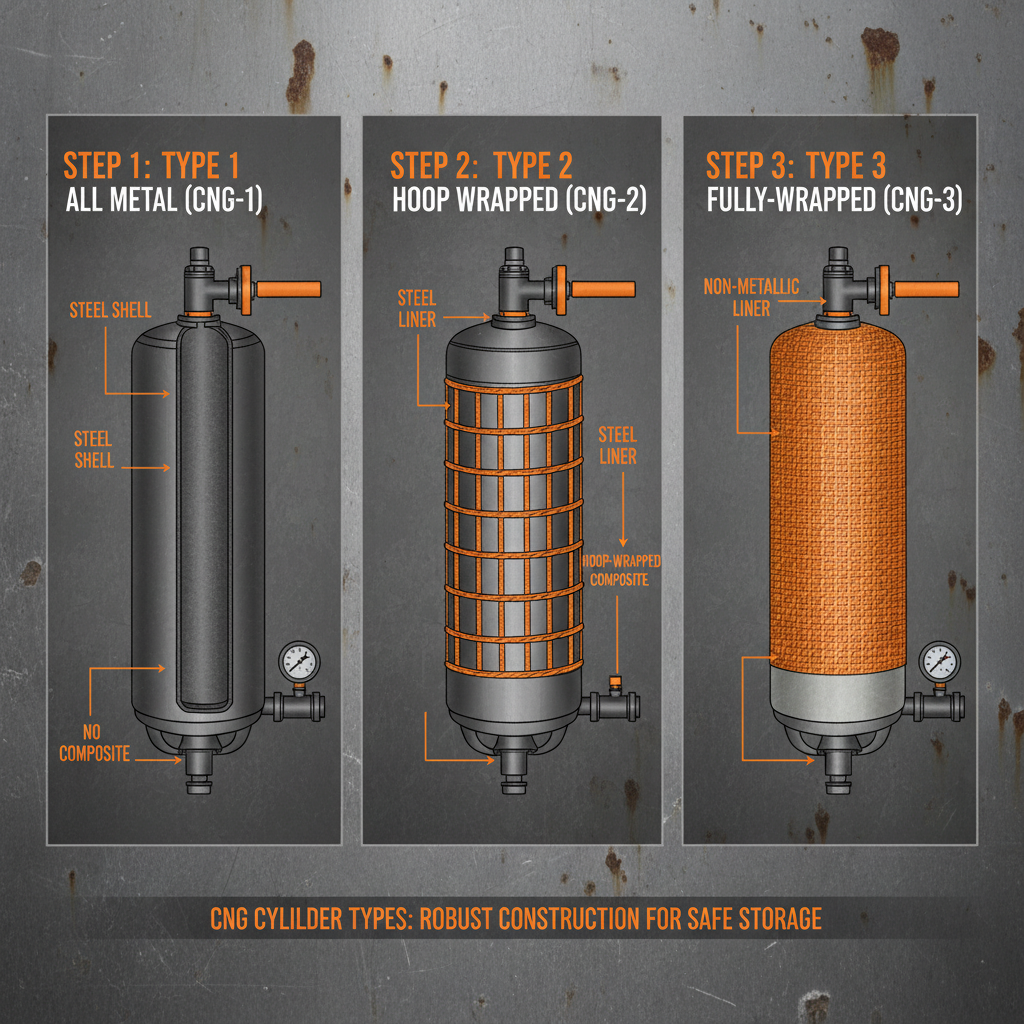
Material science is also evolving, with carbon-fiber composites beginning to replace traditional steel in certain high-end 12.5 kg gas cylinder models. These composite materials offer a drastic reduction in tare weight while maintaining or exceeding the pressure ratings of steel, further increasing the portability and efficiency of gas transport in challenging terrains.
Sustainability is the final frontier, with a growing emphasis on "Green Gas" filling stations. The move toward carbon-captured CO2 and renewably sourced gases means that the 12.5 kg gas cylinder is no longer just a tool for industry, but a vehicle for the circular economy, helping businesses reduce their overall carbon footprint while maintaining high productivity.
Overcoming Challenges in Cylinder Management
One of the primary challenges in managing a fleet of 12.5 kg gas cylinders is the risk of valve degradation and seal failure over time. Expert insights suggest the implementation of a strict preventative maintenance schedule, including hydrostatic testing every five years, to ensure that the structural integrity of the vessel remains uncompromised by fatigue or corrosion.
Another common hurdle is the logistical complexity of cylinder tracking and returns. Many companies are now adopting RFID tagging for their 12.5 kg gas cylinder inventory. This allows for automated check-ins and check-outs, ensuring that cylinders are rotated correctly and that no single unit exceeds its recommended service life without a professional inspection.
Finally, the challenge of regulatory compliance across different borders can be daunting. To overcome this, manufacturers are moving toward universal valve standards. By aligning the 12.5 kg gas cylinder specifications with global norms (such as those set by the DOT or CEN), the ease of international trade and emergency deployment is significantly enhanced.
Comparative Analysis of 12.5 kg Gas Cylinder Material and Performance
| Cylinder Material |
Weight-to-Gas Ratio |
Durability Score (1-10) |
Primary Industry Use |
| Seamless Carbon Steel |
Moderate |
9 |
Heavy Industrial / Welding |
| Aluminum Alloy |
High |
8 |
Food & Beverage / Medical |
| Carbon Fiber Composite |
Very High |
7 |
Diving / Aerospace |
| Galvanized Steel |
Moderate |
8 |
Outdoor Catering / HVAC |
| Stainless Steel |
Low |
10 |
Laboratory / High-Purity |
| Hybrid Alloy |
Moderate |
8 |
General Purpose Manufacturing |
FAQS
Generally, a 12.5 kg gas cylinder should undergo a professional visual inspection annually and a comprehensive hydrostatic pressure test every 5 to 10 years, depending on the local regulatory body (e.g., DOT or ISO). Regular checks for valve leaks using soapy water and inspecting the cylinder body for deep dents or severe corrosion are recommended before every refill to prevent catastrophic failure.
Yes, provided the cylinder is specifically manufactured for food-grade gases. Food-grade 12.5 kg gas cylinders feature specialized internal coatings and high-purity valve seals to ensure no contaminants leach into the gas. This is critical for beverages and whipped cream applications where purity directly affects taste and consumer safety.
The 12.5 kg gas cylinder is the "sweet spot" of gas storage. It is large enough to sustain a medium-sized business's daily operations without needing multiple swaps, yet small enough to be moved by one or two people using a standard trolley. This balance optimizes labor costs and storage space while maintaining a steady supply of gas.
Cylinders should be stored upright and secured with chains or brackets to prevent tipping. Ensure the area is well-ventilated to prevent gas buildup in case of a slow leak, and keep them away from direct heat sources or open flames. Segregating different types of gases (e.g., oxygen away from flammable ethylene) is also a mandatory safety requirement.
Refilling depends on the valve compatibility and the cylinder's certification. While many 12.5 kg gas cylinders follow standard sizing, some brands use proprietary valves. Always ensure the refill provider verifies the cylinder's test date and pressure rating before filling to avoid dangerous over-pressurization.
Aluminum and high-grade steel are highly recyclable, making them environmentally sustainable over a long lifecycle. However, the emerging use of composite materials reduces the fuel required for transport due to their lighter weight, potentially lowering the overall carbon footprint of the gas distribution network.
Conclusion
The 12.5 kg gas cylinder stands as an essential tool in the modern industrial arsenal, blending practicality with high-performance engineering. From ensuring the purity of food-grade CO2 to supporting complex chemical processes and emergency oxygen supply, its versatility across various materials and applications makes it indispensable for global commerce and safety.
As we move toward a future of smart monitoring and sustainable materials, the role of the 12.5 kg gas cylinder will only evolve to become more efficient and eco-friendly. For businesses looking to optimize their gas supply chain, investing in certified, high-quality cylinders is the most reliable path toward long-term operational success and safety. Visit our website: www.whipways.com