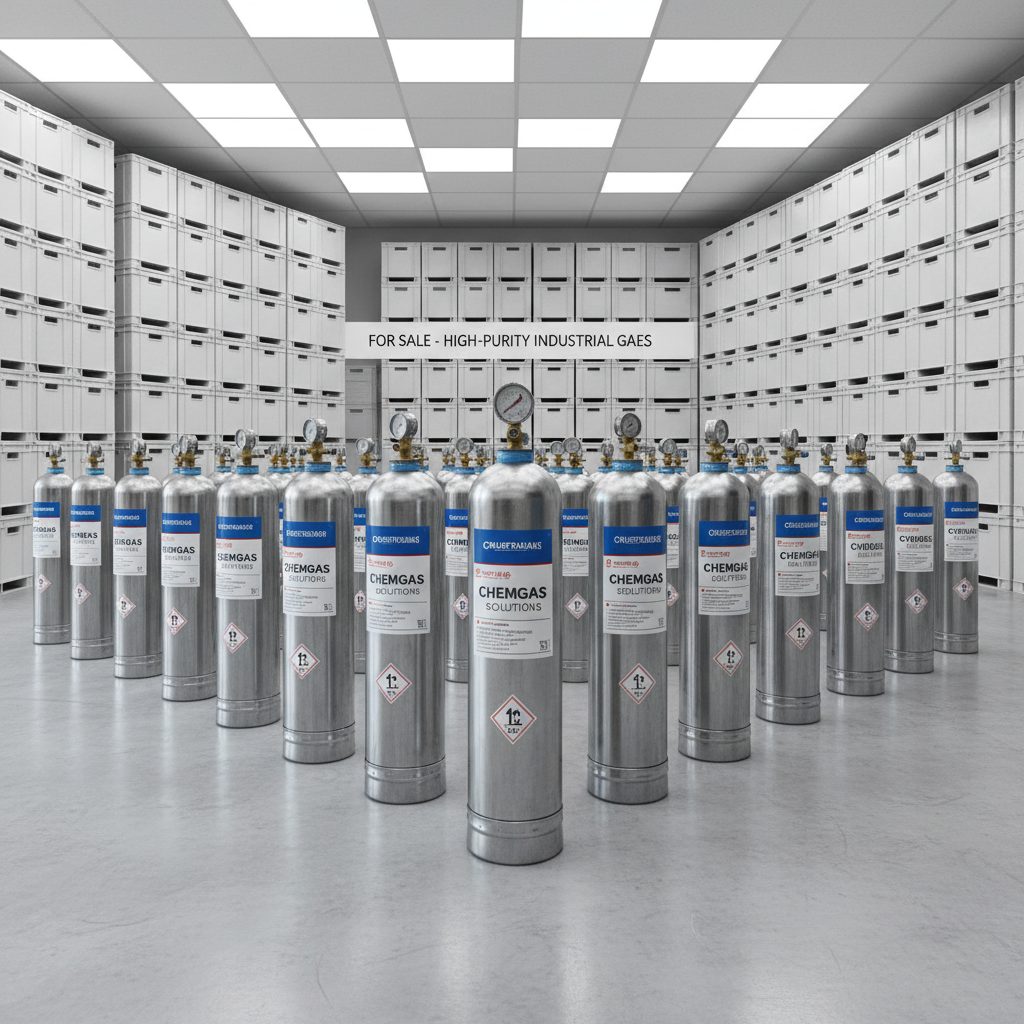
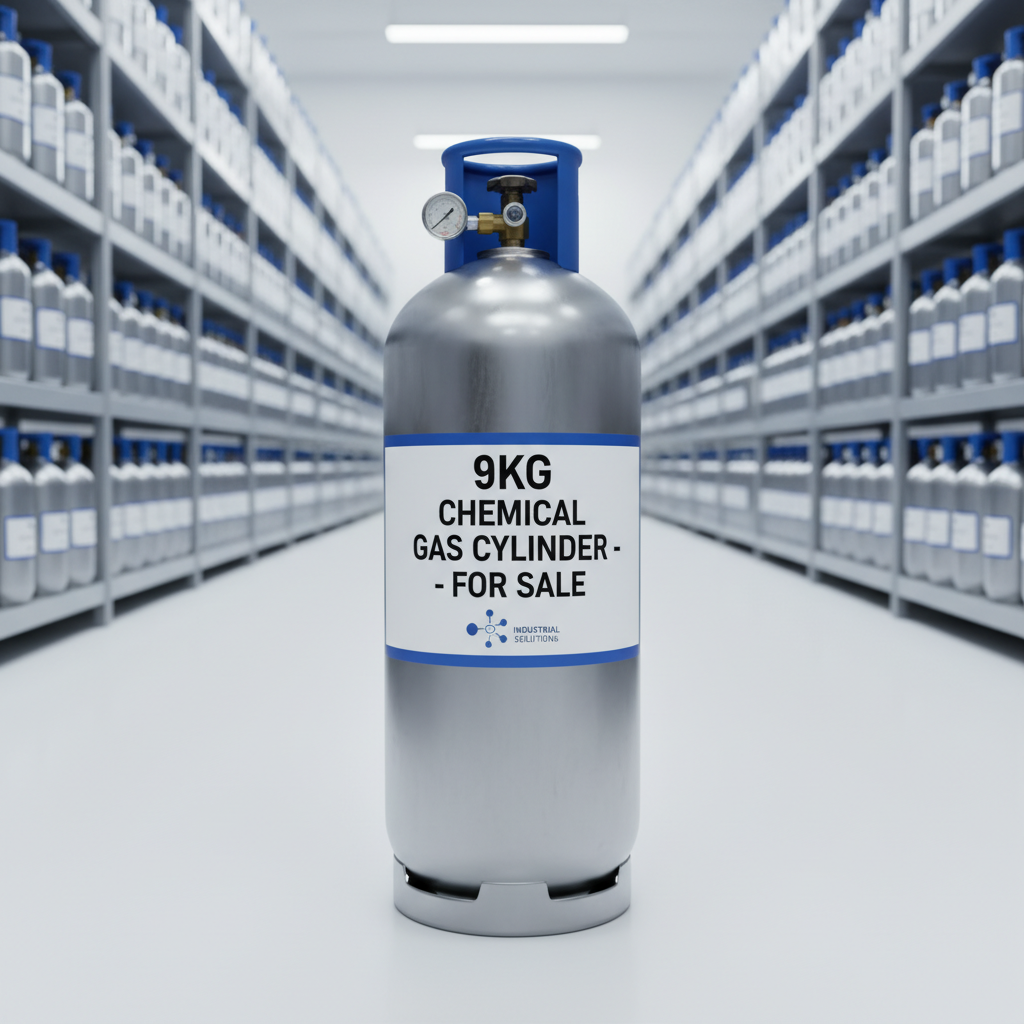
The global healthcare infrastructure relies heavily on the seamless delivery of life-sustaining gases, where the medical gas cylinder serves as the fundamental vessel for transport and administration. From emergency respiratory support in ambulances to precise anesthesia in surgical suites, these specialized containers ensure that high-purity oxygen, nitrous oxide, and other critical agents reach the patient without contamination. Understanding the engineering and safety standards behind these cylinders is not just a technical necessity but a critical component of patient safety and clinical efficacy.
As medical needs evolve, the demand for portable and highly reliable gas storage has surged, particularly in the wake of global health crises that exposed vulnerabilities in medical supply chains. The integration of advanced alloys and precision valve technology has transformed the standard medical gas cylinder from a simple steel tank into a sophisticated piece of medical equipment. This evolution is driven by the need for lighter weights for portability and higher pressure tolerances for extended use in remote environments.
Beyond the hospital ward, these cylinders play a pivotal role in humanitarian aid and disaster response, where permanent gas piping systems are non-existent. By providing a scalable and mobile solution, the medical gas cylinder allows healthcare providers to deploy life-saving interventions in the most challenging terrains. This comprehensive guide explores the technical specifications, global applications, and future innovations that define the modern landscape of medical gas storage and delivery.
Global Industry Context of Medical Gas Cylinders
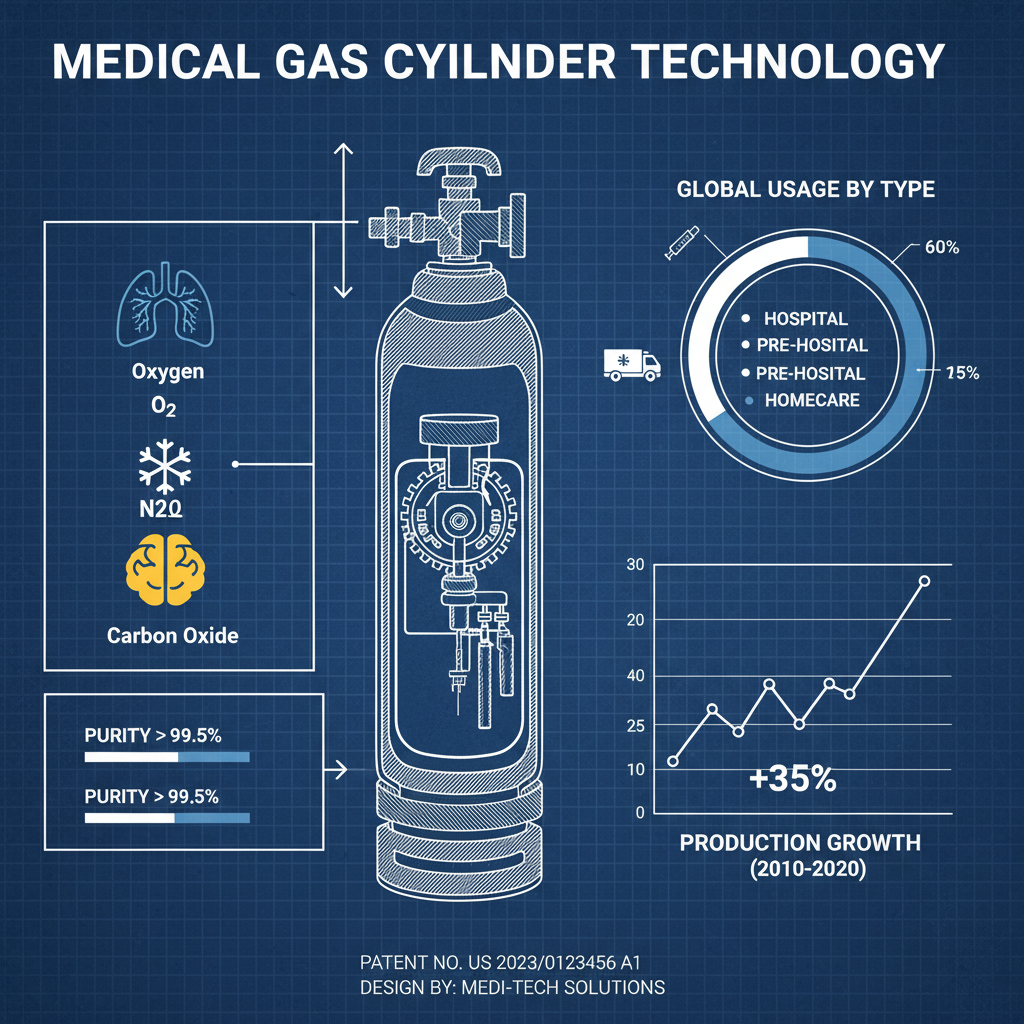
On a global scale, the distribution of medical gases is governed by strict ISO and Pharmacopeia standards to ensure that every medical gas cylinder delivers a consistent purity level. According to industry trends, the shift toward decentralized healthcare—including home-care oxygen therapy—has led to a significant increase in the production of small-to-medium capacity cylinders. This shift requires a robust manufacturing pipeline capable of producing millions of units that can withstand extreme pressure while remaining safe for non-professional handling.
The challenge for the industry lies in balancing rapid scalability with uncompromising quality control. In many developing regions, the lack of standardized cylinder filling stations often leads to safety risks, highlighting the urgent need for the widespread adoption of certified, high-grade medical gas cylinder technology. By implementing standardized valve connections and color-coding, the industry aims to eliminate the risk of gas mix-ups, which can be fatal in a clinical setting.
Defining the Medical Gas Cylinder and Its Purpose
In simple terms, a medical gas cylinder is a high-pressure vessel specifically engineered to store gases used for medical treatment, such as Oxygen (O2), Nitrous Oxide (N2O), and medical-grade Air. Unlike industrial cylinders, medical versions undergo rigorous internal cleaning processes to remove all oils, grease, and particulate matter, ensuring the gas is "medical grade" and safe for inhalation or internal physiological use.
The purpose of these cylinders extends beyond mere storage; they act as a critical bridge in the humanitarian supply chain. Whether it is providing respiratory support in a remote village or facilitating complex surgeries in a metropolitan hospital, the medical gas cylinder provides the necessary autonomy from fixed pipeline systems, allowing for rapid movement and deployment of care.
From a structural perspective, these cylinders are crafted from high-strength seamless steel or aluminum alloys. The choice of material depends on the intended use—aluminum is often preferred for portability (like in Diving Oxygen Tanks), while steel is utilized for high-capacity stationary reserves. This versatility ensures that no matter the medical urgency, the appropriate gas delivery system is available.
Core Components and Technical Factors
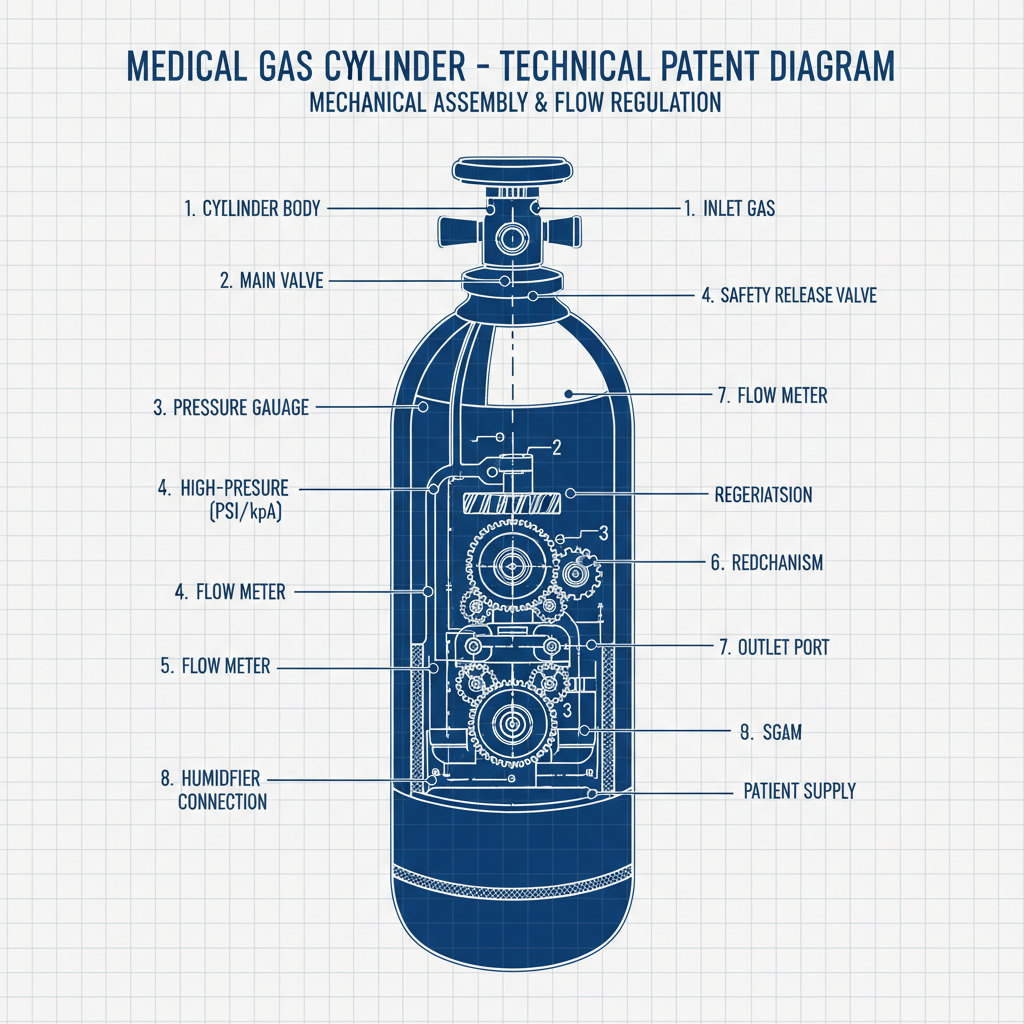
The integrity of a medical gas cylinder depends on its material durability. High-tensile strength alloys prevent the vessel from rupturing under the extreme pressures required to compress gases like oxygen. Regular hydrostatic testing is mandatory to identify any microscopic fatigue in the metal, ensuring the cylinder remains safe over years of refill cycles.
Precision valve engineering is the second core factor. The valve of a medical gas cylinder must be leak-proof and compatible with specific regulators to prevent the accidental release of gas. Furthermore, the use of index-pin systems (PISS - Pin Index Safety System) ensures that a regulator for oxygen cannot be accidentally attached to a nitrous oxide cylinder.
Lastly, purity and contamination control are paramount. The internal surface of each medical gas cylinder is treated to prevent reactions with the stored gas. This prevents the degradation of the gas quality, which is essential when dealing with sensitive patients who require ultra-pure oxygen for survival.
Global Applications and Real-World Use Cases
The application of the medical gas cylinder is diverse, spanning from the depths of the ocean to the highest mountain peaks. In diving medicine, specialized oxygen tanks are used in decompression chambers to treat "the bends," allowing divers to safely transition from high-pressure environments. Similarly, in aviation, emergency oxygen cylinders are critical for pilots and passengers during sudden cabin depressurization.
In the context of emergency medicine, the versatility of these cylinders is most evident during post-disaster relief operations. When earthquakes or floods destroy hospital infrastructure, portable medical gas cylinder units become the only source of respiratory support for trauma victims. Organizations like the WHO and Red Cross rely on these portable solutions to establish temporary clinics in remote industrial zones or war-torn regions.
Efficiency Comparison of Medical Gas Cylinder Types
Long-Term Value and Reliability Advantages
Investing in high-quality medical gas cylinder systems provides immense long-term value by reducing the frequency of replacements and minimizing the risk of leakage. From a logical standpoint, the durability of premium alloys means fewer outages in critical care units, which directly translates to higher patient survival rates. The reliability of these vessels creates a foundation of trust between the gas supplier and the medical facility.
Beyond the technical specs, there is an emotional dimension to reliability. For a patient struggling to breathe, the consistent flow of oxygen from a dependable medical gas cylinder represents dignity and hope. By ensuring that equipment does not fail in the most critical moments, manufacturers contribute to a global standard of care that prioritizes human life over short-term cost-cutting, fostering a culture of safety and innovation.
Future Trends in Medical Gas Storage
The future of the medical gas cylinder is leaning heavily toward the integration of "smart" technology. We are seeing the emergence of IoT-enabled sensors embedded in cylinder caps that can monitor gas levels in real-time and send alerts to a central management system when a tank is running low. This digital transformation eliminates the manual labor of checking gauges and prevents the catastrophic risk of a cylinder running empty during a procedure.
Material science is also evolving, with carbon-fiber composites replacing traditional steel to create ultra-lightweight medical gas cylinder options. These new materials allow for higher storage pressures without increasing the vessel's weight, making them ideal for paramedics and emergency responders who need to carry equipment over long distances without physical strain.
Sustainability is another driving force, with an industry-wide push toward "circular economy" refill models. This involves improving the refurbishment processes for old cylinders to extend their lifecycle and reducing the carbon footprint associated with the transport of heavy steel tanks. Green energy initiatives are also being integrated into the gas liquefaction and filling process, ensuring that the entire lifecycle of the medical gas cylinder is eco-friendly.
Overcoming Challenges in Cylinder Management
One of the most persistent challenges in the industry is the logistics of "empty return" cycles. Many hospitals struggle with the accumulation of empty medical gas cylinder units, which can create safety hazards if stored improperly. The solution lies in the implementation of automated tracking systems (RFID) that streamline the exchange process between the facility and the gas supplier, ensuring a constant rotation of full tanks.
Another significant hurdle is the variance in international standards, which can complicate the import of medical equipment for NGOs. To solve this, there is a global movement toward unifying valve standards, ensuring that a medical gas cylinder produced in one continent can be safely utilized in another without the need for dangerous adapters.
Finally, the risk of contamination during the refill process remains a concern. Expert insights suggest that the move toward fully automated, closed-loop filling stations is the only way to guarantee 100% purity. By removing human intervention from the filling stage, the industry can ensure that every medical gas cylinder meets the stringent requirements of medical-grade gas.
Analysis of Medical Gas Cylinder Specifications and Compliance
| Cylinder Material |
Pressure Rating (Bar) |
Weight Efficiency |
Compliance Standard |
| Seamless Steel |
200 - 300 |
Medium (6/10) |
ISO 9809-1 |
| Aluminum Alloy |
150 - 200 |
High (8/10) |
DOT-3AL |
| Carbon Composite |
300 - 450 |
Ultra-High (10/10) |
EN 12245 |
| Stainless Steel |
200 |
Medium (7/10) |
Pharmacopeia Grade |
| Hybrid Alloy |
250 |
High (9/10) |
ISO 11119 |
| Light-Gauge Steel |
150 |
Low (5/10) |
Regional Std |
FAQS
The primary difference lies in the purity of the gas and the cleanliness of the internal vessel. A medical gas cylinder is specifically cleaned to be free of all oils and contaminants that could be harmful if inhaled. Additionally, they use specialized valve systems (like PISS) to prevent the accidental connection of the wrong gas to a patient.
Depending on the material and regional regulations (such as DOT or ISO), most cylinders require testing every 5 to 10 years. This process involves pressurizing the medical gas cylinder with water to check for any permanent expansion or structural fatigue, ensuring the vessel can still safely hold high-pressure gas.
Both are safe if manufactured to standard. However, composite cylinders offer a safety advantage in terms of weight—they are much less likely to cause injury if dropped. They also typically have higher pressure ratings, meaning they can hold more gas in a smaller volume, which is ideal for the portability required of a medical gas cylinder in emergency care.
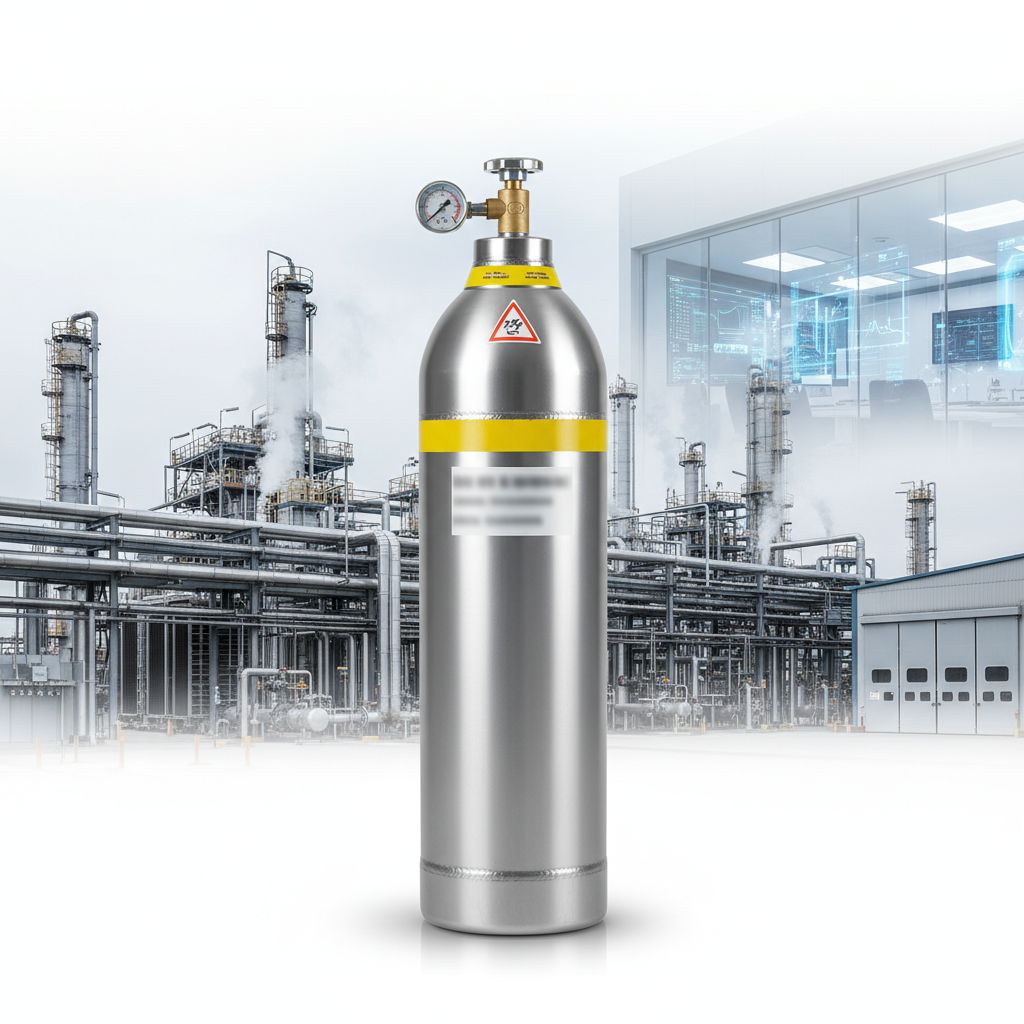
Absolutely not. Filling a medical gas cylinder at an industrial plant risks contaminating the gas with oil or particulates. Medical gases must be filled at certified medical gas plants that follow strict purity protocols to ensure the gas is safe for human respiratory or surgical use.
Color coding is a visual safety measure used to identify the gas inside. For example, in many regions, white or green shoulders indicate oxygen, while blue indicates nitrous oxide. This prevents medical staff from accidentally administering the wrong gas from a medical gas cylinder during high-stress emergency situations.
NGOs should verify that the medical gas cylinder carries recognized international certifications such as ISO, CE, or DOT. It is also critical to ensure the valves are compatible with the regulators available in the destination country to avoid the use of unsafe adapters in the field.
Conclusion
The medical gas cylinder is far more than a simple storage tank; it is a critical lifeline that enables the delivery of essential healthcare in every corner of the globe. By combining advanced metallurgy, precision valve engineering, and strict purity standards, these vessels ensure that life-saving gases are delivered safely and reliably. From the technical necessity of hydrostatic testing to the innovative integration of IoT monitoring, the evolution of these cylinders reflects a broader commitment to patient safety and clinical excellence.
Looking forward, the shift toward lightweight composites and sustainable refill cycles will further enhance the mobility and eco-friendliness of medical gas delivery. As healthcare continues to expand into remote and home-care settings, the reliability of the medical gas cylinder will remain the cornerstone of respiratory and anesthetic care. For organizations and providers seeking the highest standards in gas storage and safety, we invite you to explore our professional solutions. Visit our website: www.whipways.com