The 1.25 kg gas bottle represents a critical intersection of portability and industrial efficiency, serving as a versatile solution for specialized gas delivery across various sectors. Whether utilized for high-precision culinary arts, emergency medical support, or niche industrial applications, this specific capacity offers a balanced weight-to-volume ratio that ensures mobility without sacrificing operational uptime. Understanding the technical specifications and safety standards of these canisters is essential for businesses looking to optimize their supply chain and operational safety.
Globally, the demand for compact gas storage solutions has surged as industries shift toward decentralized operations and "point-of-use" gas delivery. The 1.25 kg gas bottle bridges the gap between small disposable cartridges and bulky industrial cylinders, providing a refillable, sustainable alternative that meets rigorous international safety protocols. By standardizing the 1.25 kg format, manufacturers can ensure consistent pressure regulation and ease of transport in restricted environments.
For stakeholders in the food and beverage, diving, and chemical sectors, the adoption of a standardized 1.25 kg gas bottle simplifies logistics and reduces the environmental footprint associated with gas waste. This comprehensive guide explores the technical nuances, global applications, and future innovations of these cylinders, providing an educational roadmap for professionals seeking to integrate these high-efficiency tools into their daily workflows.
Global Industrial Context of the 1.25 kg Gas Bottle
In the current global industrial landscape, the logistics of gas transport are governed by a need for precision and safety. According to ISO standards and international transport regulations, the 1.25 kg gas bottle fills a critical niche for portable, high-pressure containment. As urbanized industries expand, the ability to move specific volumes of Food & Beverage Grade CO2 or N2O Cream Chargers without the need for heavy machinery has become a competitive advantage.
The challenge historically lay in the trade-off between capacity and mobility. Large tanks were efficient but static; small canisters were mobile but wasteful. The emergence of the 1.25 kg standard addresses this by providing enough volume for a full shift of operation in a professional kitchen or a diving setup, while remaining light enough for a single technician to handle safely without specialized lifting equipment.
Technical Definition and Engineering Purpose
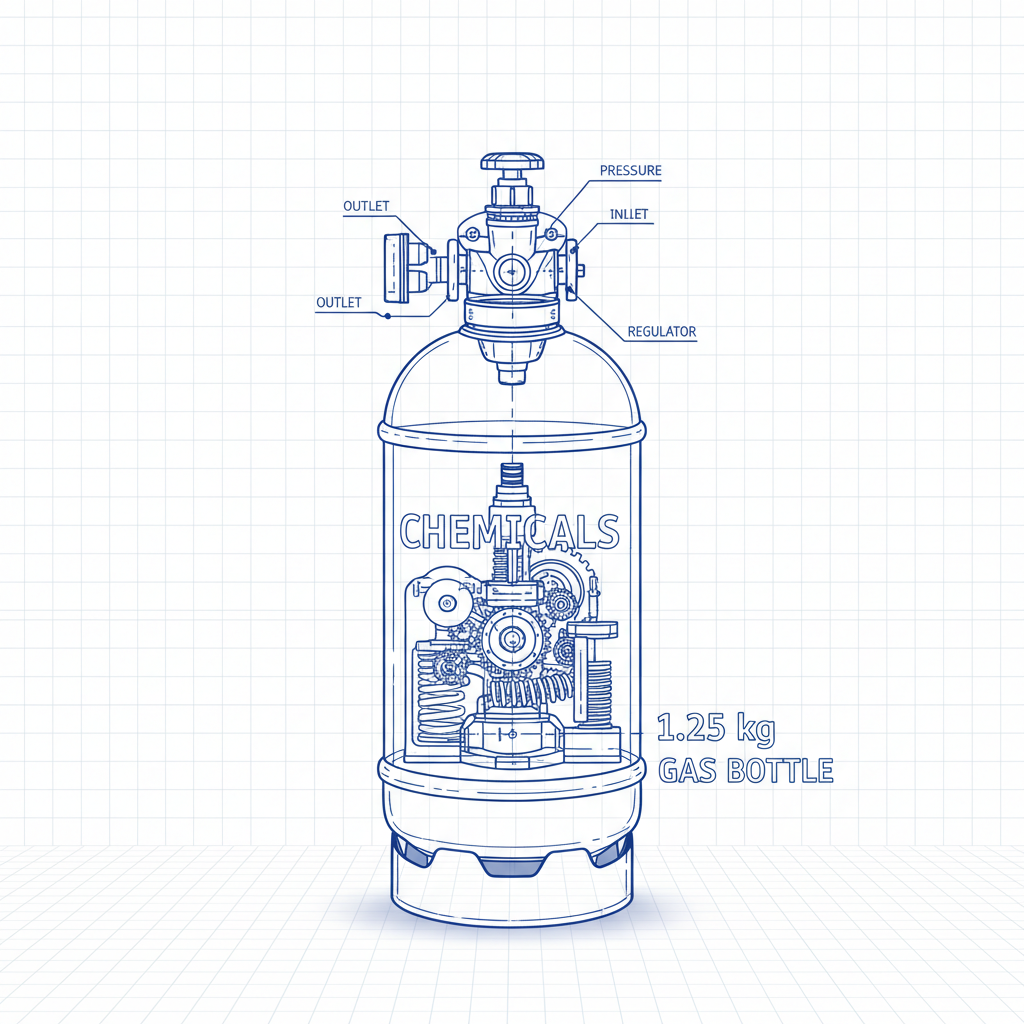
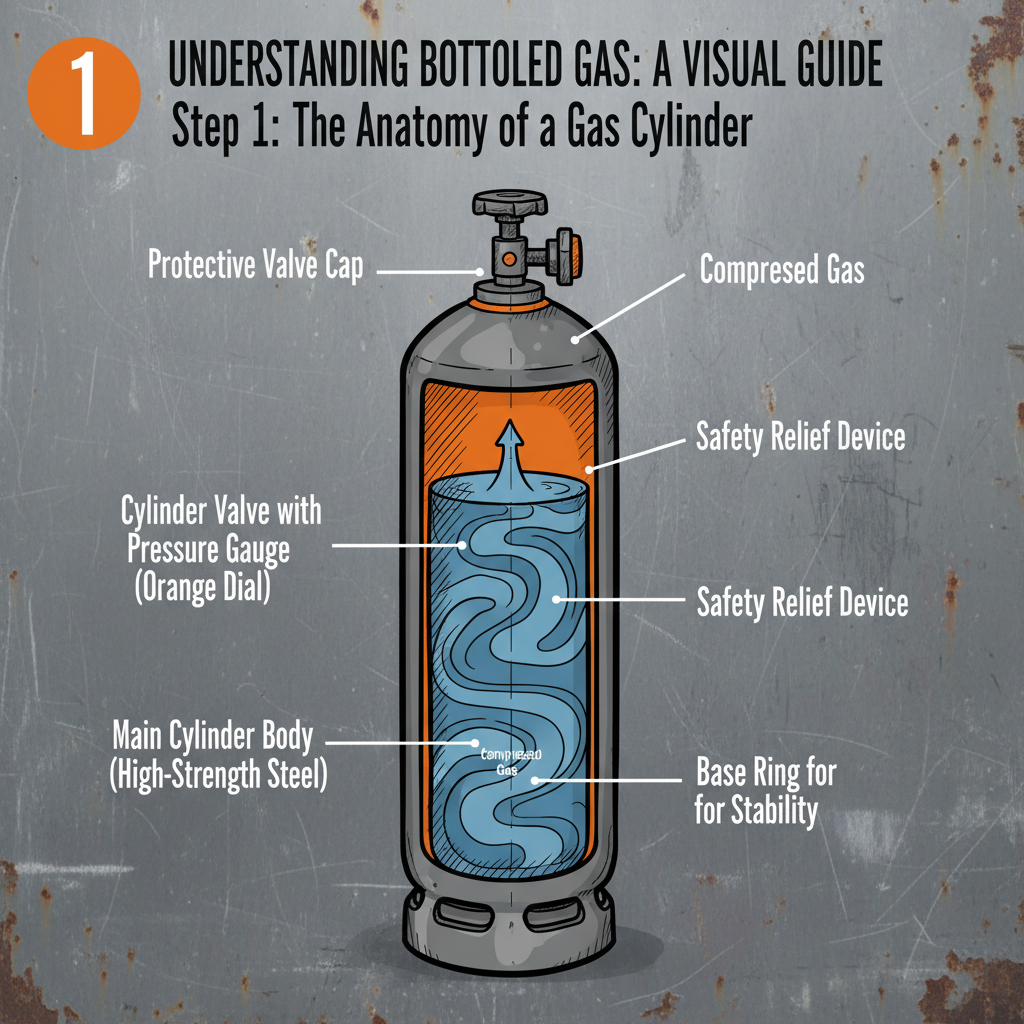
At its core, a 1.25 kg gas bottle is a precision-engineered pressure vessel designed to hold a specific mass of compressed or liquefied gas. Unlike volumetric measurements, the 1.25 kg designation refers to the weight of the gas content, ensuring that the user knows exactly how much active material is available for their process, regardless of the gas's density or temperature.
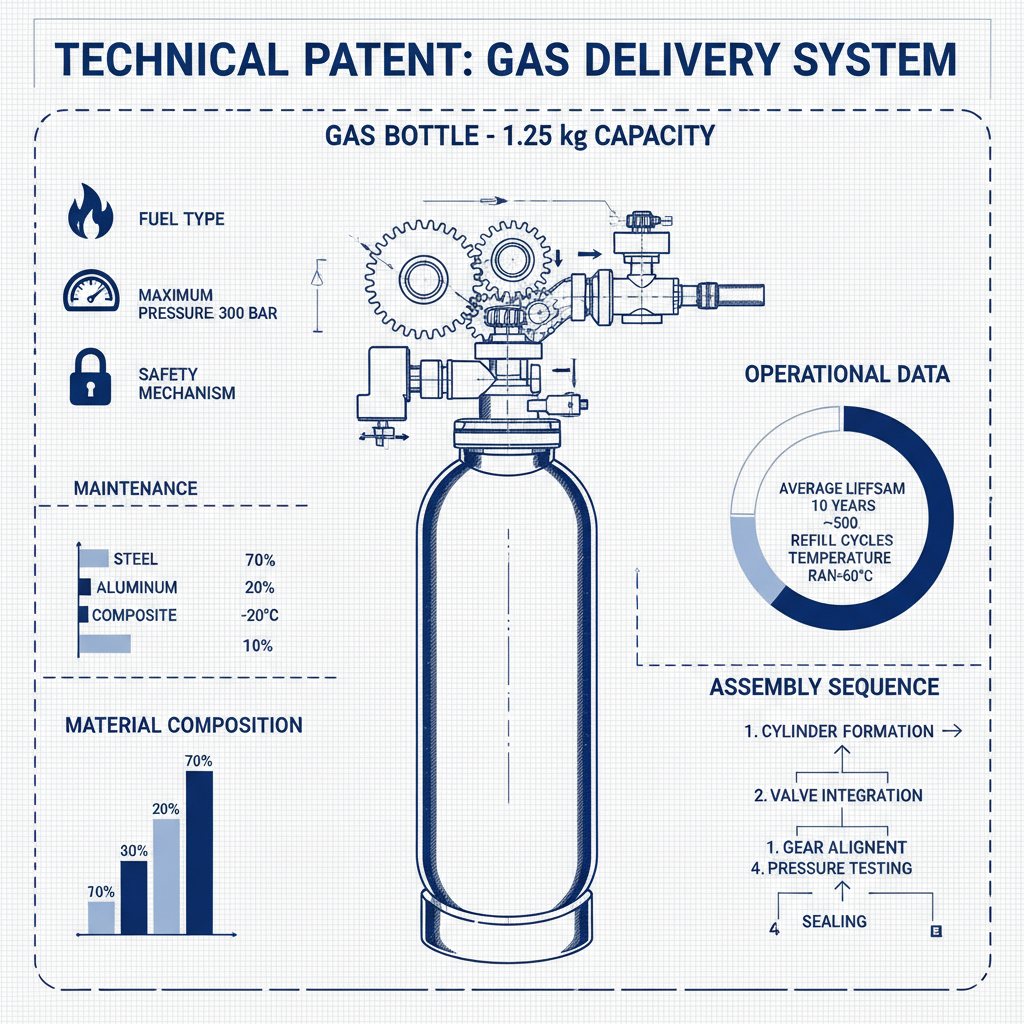
From an engineering perspective, these bottles are typically constructed from high-grade aluminum alloys or seamless steel to withstand internal pressures that can reach several hundred bars. This structural integrity is paramount when dealing with volatile substances like Ethylene Gas or oxygen, where any material failure could lead to catastrophic results. The valve system is integrated to allow for controlled release and leak-proof sealing.
The primary purpose of this specific sizing is "targeted deployment." By limiting the mass to 1.25 kg, the cylinder remains within specific regulatory weight classes for air and sea transport, reducing the bureaucratic burden on companies that must move these assets across international borders for humanitarian aid or specialized industrial servicing.
Core Components and Design Factors
The durability of a 1.25 kg gas bottle is determined by the alloy composition and the wall thickness. High-strength aluminum is often preferred for diving and food-grade applications due to its corrosion resistance and lightweight properties, ensuring that the vessel does not degrade when exposed to humid environments or caustic cleaning agents.
Scalability in this context refers to the modular nature of the 1.25 kg gas bottle system. Instead of relying on one massive tank, facilities can deploy multiple 1.25 kg units across different workstations. This decentralization minimizes the risk of a single point of failure and allows for more precise inventory management of gases like N2O or CO2.
Cost efficiency is realized through the refillable design. By investing in a permanent 1.25 kg gas bottle, users avoid the recurring cost and environmental waste of single-use cartridges. The standardized threading and valve interfaces ensure that these bottles can be serviced by any certified gas filling station worldwide, promoting a circular economy.
Comparative Performance and Efficiency Metrics
When analyzing the operational efficiency of various gas delivery systems, the 1.25 kg gas bottle consistently outperforms larger cylinders in terms of deployment speed and smaller canisters in terms of longevity. Its "sweet spot" in weight makes it the ideal choice for mobile catering, field research, and emergency medical responses where every second counts.
To quantify this, we look at the rating of the 1.25 kg format across several key industrial KPIs: ease of transport, refill frequency, safety compliance, and cost-per-unit of gas delivered. The following data illustrates why this specific mass is favored in modern high-pressure gas applications.
Operational Efficiency of the 1.25 kg Gas Bottle
Global Applications and Sectoral Use Cases
In the culinary industry, the 1.25 kg gas bottle is a staple for high-end pastry chefs and molecular gastronomists. Using Food & Beverage Grade CO2 or N2O, these bottles power cream chargers and carbonation systems in mobile food trucks and pop-up restaurants where space is at a premium but consistency in pressure is non-negotiable.
Beyond the kitchen, these cylinders are vital in remote industrial zones and post-disaster relief operations. In areas where infrastructure has collapsed, providing a portable source of medical-grade oxygen or fuel in a 1.25 kg format allows first responders to move quickly through debris and deliver life-saving gas to patients without being weighed down by massive industrial tanks.
Long-Term Value and Sustainability Advantages
The shift toward the 1.25 kg gas bottle is not merely a matter of convenience but a strategic move toward environmental sustainability. Traditional disposable cartridges create an immense amount of metal waste; by switching to a refillable 1.25 kg system, a company can reduce its landfill contribution by up to 90% over a five-year cycle.
From a logical angle, the reliability of these bottles provides peace of mind. The rigorous testing—including hydrostatic pressure tests and ultrasonic thickness gauging—ensures that the safety of the operator is never compromised. This trust in the hardware allows teams to focus on their core tasks, whether that is diving in deep waters or managing a high-pressure chemical reaction.
Moreover, the emotional value of "dignity in operation" cannot be overlooked. For small-scale entrepreneurs or NGOs, having professional-grade, durable equipment like the 1.25 kg gas bottle allows them to operate with the same precision as global corporations, leveling the playing field in the global marketplace.
Future Trends in Gas Cylinder Technology
The future of the 1.25 kg gas bottle is being shaped by the integration of smart materials and digital monitoring. We are seeing the emergence of carbon-fiber composite wraps that further reduce the tare weight of the bottle while increasing the maximum allowable working pressure (MAWP), allowing for more gas storage in the same 1.25 kg capacity.
Digital transformation is also touching the gas industry. Future iterations of these bottles may include RFID tags or integrated IoT pressure sensors. This would allow a facility manager to monitor the gas levels of every 1.25 kg gas bottle in their inventory in real-time via a smartphone app, automating the refill process and eliminating unplanned downtime.
Sustainability will remain the primary driver, with a move toward "Green Gas" filling stations. These stations will provide carbon-captured CO2 or hydrogen produced via electrolysis, ensuring that the contents of the 1.25 kg gas bottle are as eco-friendly as the refillable vessel itself.
Comparison of 1.25 kg Gas Bottle Material and Technology Evolutions
| Material Type |
Pressure Rating |
Durability Score (1-10) |
Eco-Impact |
| Seamless Steel |
High |
9 |
Moderate |
| Aluminum Alloy |
Medium-High |
8 |
Low (Recyclable) |
| Carbon Composite |
Ultra-High |
7 |
Low (Weight Saving) |
| Hybrid Steel-Poly |
Medium |
6 |
Medium |
| Titanium Grade 5 |
Ultra-High |
10 |
Low |
| Reinforced Alloy |
High |
8 |
Moderate |
FAQS
Most professional 1.25 kg gas bottles are equipped with a pressure gauge or can be weighed using a precision scale. Since the bottle is rated by mass, subtracting the tare weight (the weight of the empty bottle) from the current total weight will tell you exactly how many grams of gas remain. For the most accurate results, we recommend using a digital scale calibrated for industrial use.
Safety depends on the gas type and the cylinder's certification. Most 1.25 kg bottles meet IATA and DOT specifications for transport, provided they are fitted with a certified safety valve and a protective cap. However, you must always declare the contents (e.g., CO2, N2O) and ensure the bottle has a current hydrostatic test date stamped on the shoulder of the cylinder.
Absolutely not. Cross-contaminating a gas bottle can lead to dangerous chemical reactions or contaminate the purity of the gas, which is critical for food-grade or medical applications. Each 1.25 kg gas bottle should be dedicated to a single gas type. Always check the color coding and the label on the neck of the bottle before attempting a refill.
With proper maintenance, a high-quality aluminum 1.25 kg gas bottle can last for decades. The limiting factor is typically the regulatory requirement for hydrostatic testing, which usually occurs every 5 to 10 years. As long as the bottle passes these safety inspections and is kept free of deep structural corrosion, it remains safe for continued use.
The 1.25 kg gas bottle is significantly more cost-effective and eco-friendly. While disposable chargers are convenient for one-time use, the cost per gram of gas is much higher. A single 1.25 kg refillable bottle can replace hundreds of small cartridges, reducing both the procurement cost and the environmental impact of metal waste.
It is crucial to purchase from a certified manufacturer to ensure the bottle meets ISO and safety standards. We recommend visiting reputable industrial gas suppliers or our official website. Always ensure the bottle comes with a certificate of conformity and a clear manufacturing date to guarantee its safety and legality in your region.
Conclusion
The 1.25 kg gas bottle stands as a testament to the importance of precision in industrial design, offering a perfect balance between capacity, portability, and safety. By integrating this standard into their operations, businesses across the food, diving, and chemical sectors can achieve higher efficiency, reduce environmental waste, and ensure the safety of their personnel through the use of rigorously tested pressure vessels.
As we look toward a future defined by green energy and IoT-enabled logistics, the evolution of the 1.25 kg gas bottle will likely involve smarter materials and carbon-neutral filling processes. We encourage professionals to move away from disposable systems and embrace the long-term value of refillable, high-quality cylinders to future-proof their operations. For more information on the best gas storage solutions, visit our website: www.whipways.com