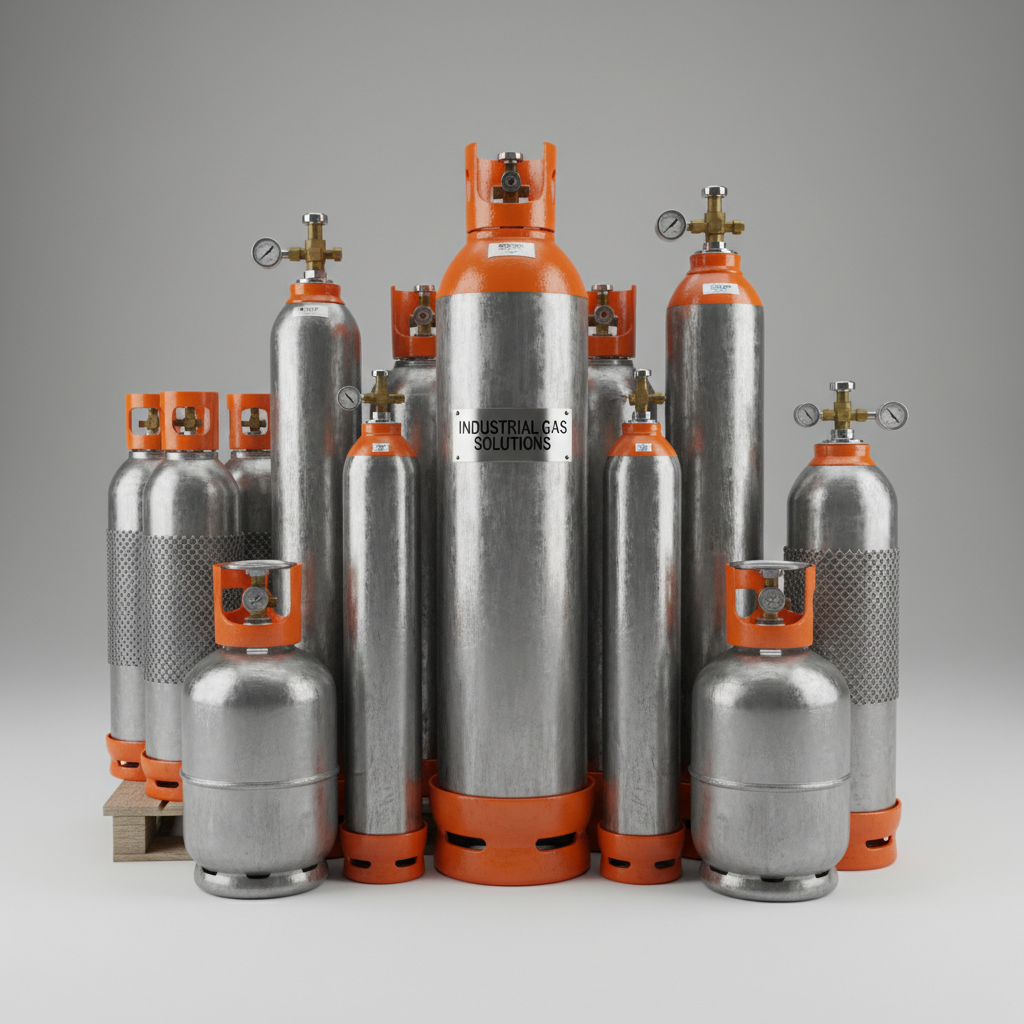
The global industrial landscape relies heavily on the precise containment and transport of hazardous materials, where the chlorine gas cylinder stands as a critical piece of infrastructure. From municipal water treatment to the synthesis of complex polymers, the ability to store chlorine safely is not just a technical requirement but a fundamental safety imperative for public health and industrial productivity.
Understanding the specifications of a high-quality chlorine gas cylinder involves more than just looking at pressure ratings; it requires an appreciation for material science, corrosion resistance, and international safety standards. As industries evolve toward more sustainable practices, the demand for cylinders that minimize leakage and maximize lifespan has become a priority for engineers and procurement specialists worldwide.
By integrating advanced metallurgy and rigorous testing protocols, the modern chlorine gas cylinder ensures that one of the most reactive elements on the periodic table can be utilized effectively without compromising the safety of operators or the environment. This guide explores the technical nuances, applications, and future trends of these essential pressure vessels.
Global Relevance of Chlorine Gas Cylinder Storage
On a global scale, the deployment of the chlorine gas cylinder is indispensable for maintaining sanitary water supplies. According to guidelines aligned with ISO and WHO standards, chlorine remains the most cost-effective method for large-scale water disinfection, preventing waterborne diseases in millions of urban and rural areas. The ability to transport this gas in secure, standardized cylinders allows developing nations to rapidly scale their sanitation infrastructure.
However, the volatility of the gas presents a significant logistical challenge. The industry faces the constant pressure of balancing high-capacity storage with the absolute necessity of zero-leakage. This has led to an international movement toward harmonizing cylinder specifications, ensuring that a vessel manufactured in one region meets the rigorous safety inspections required for transport and use in another, thereby reducing the risk of catastrophic industrial accidents.
Technical Definition and Industrial Meaning
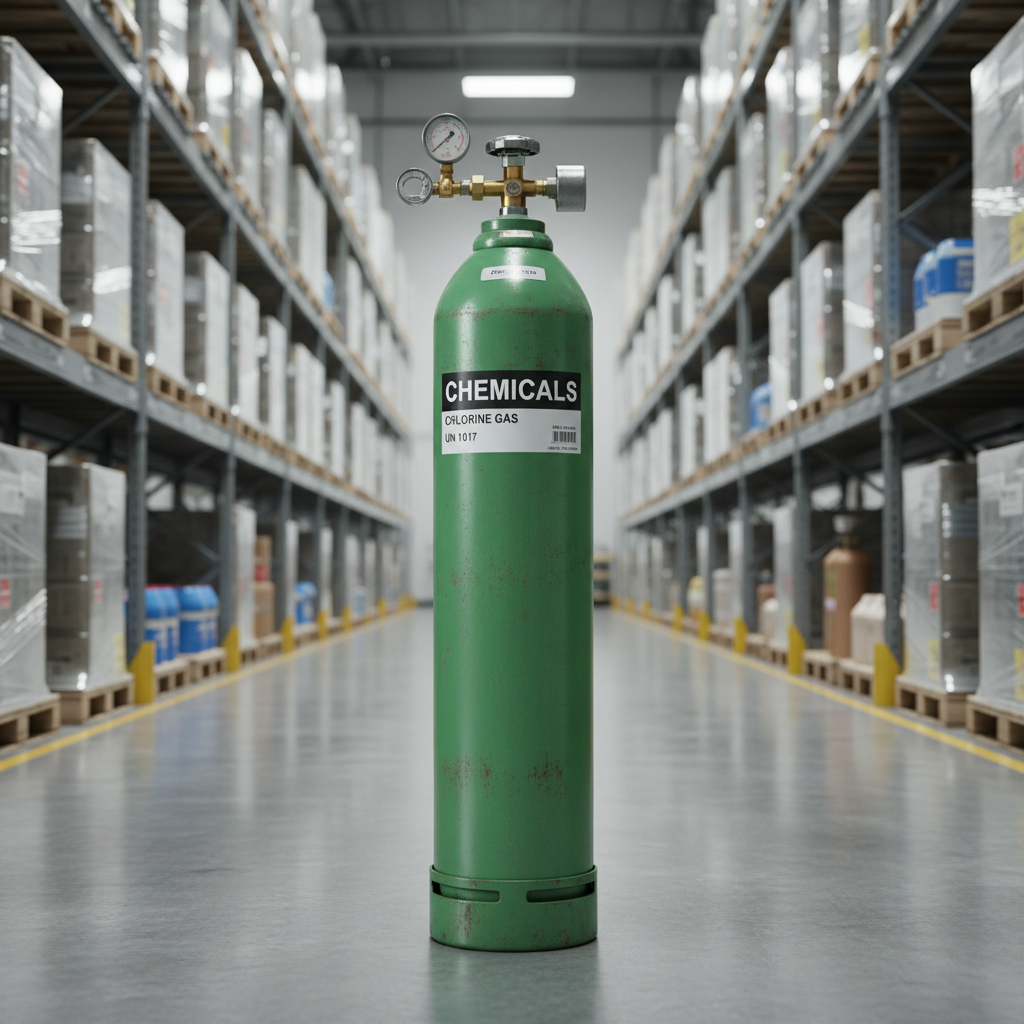
A chlorine gas cylinder is a specialized high-pressure vessel engineered specifically to hold liquefied chlorine under pressure. Unlike standard gas tanks, these cylinders must be constructed from materials that can withstand the highly corrosive nature of chlorine, particularly when moisture is present. They are not merely "containers" but are complex pieces of engineering that include precision valves and safety relief systems to manage pressure fluctuations.
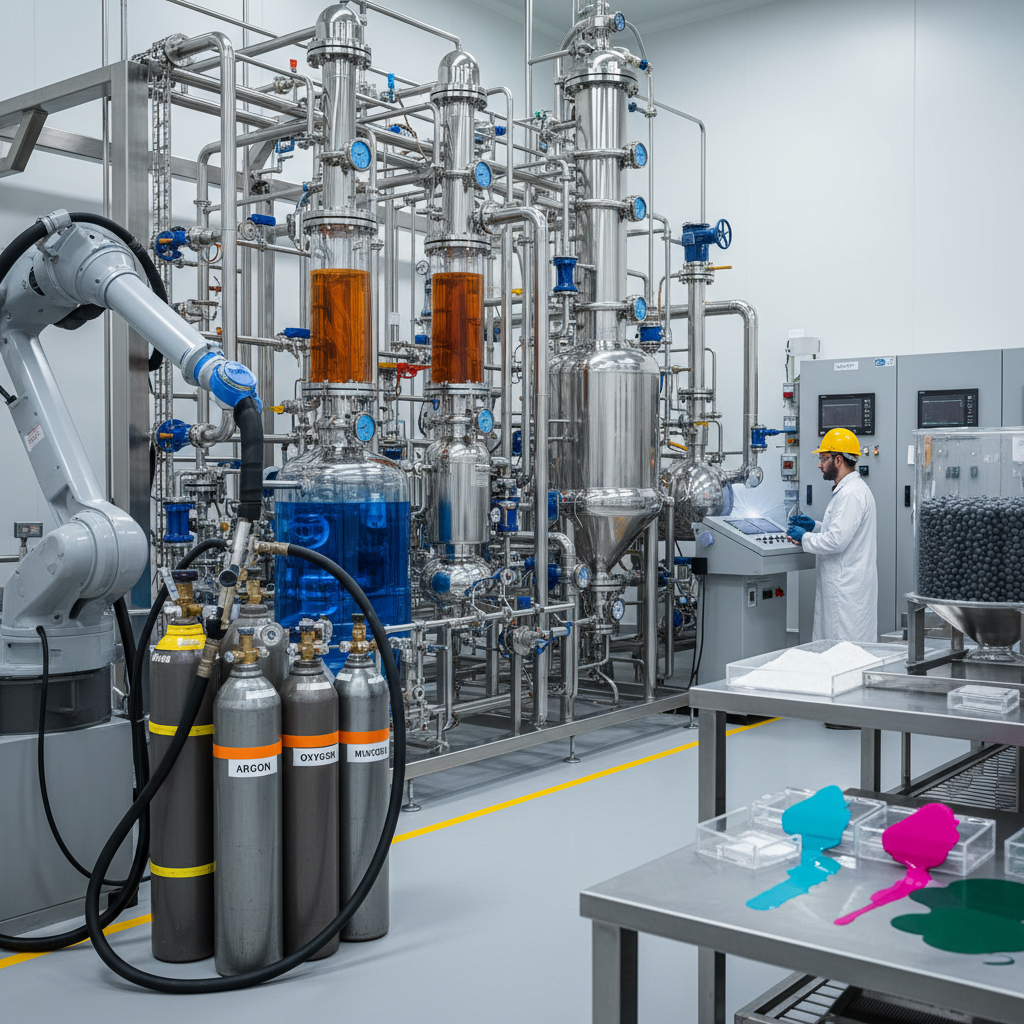
In the context of modern industry, these cylinders represent the bridge between chemical production and practical application. Whether it is used in the manufacturing of PVC plastics, pharmaceuticals, or bleach, the chlorine gas cylinder allows for the controlled dosing of the chemical into production lines. This precision is vital for maintaining chemical stoichiometry and ensuring product quality.
Beyond industrial utility, these vessels serve a humanitarian purpose in emergency water treatment. During post-disaster relief operations, the ability to deploy portable chlorine gas systems can mean the difference between an outbreak of cholera and a stabilized community. Thus, the cylinder is a tool of both economic growth and public safety.
Core Components for Maximum Durability
The structural integrity of a chlorine gas cylinder begins with its shell material. High-grade carbon steel or specialized alloys are typically used, often featuring internal coatings or precise heat treatments to prevent the "pitting" corrosion that occurs when chlorine reacts with the metal surface.
Equally critical is the valve assembly. Because chlorine is toxic, the valve of a chlorine gas cylinder must utilize leak-proof seals and often includes a secondary safety cap. These components are tested via helium leak detection or hydrostatic testing to ensure that the seal remains airtight even under extreme temperature shifts.
Finally, the scalability of these vessels—ranging from small portable units to massive ton containers—allows industries to optimize their footprint. Proper wall thickness calculations and weld inspections via X-ray are mandatory to ensure the cylinder can handle the internal pressure without deformation over decades of service.
Global Applications and Use Cases
The versatility of the chlorine gas cylinder is evident in its widespread adoption across diverse sectors. In the chemical industry, these cylinders are the primary delivery mechanism for synthesizing ethylene dichloride, a precursor to PVC. In remote industrial zones, where pipeline infrastructure is non-existent, the mobility of the cylinder is the only viable way to transport the reagent.
Moreover, in the food and beverage sector, while CO2 and N2O are more common, chlorine-based compounds delivered via cylinders are often used in the sterilization of bottling equipment and facility sanitation. This ensures a sterile environment that meets stringent FDA and EFSA requirements for consumer safety.
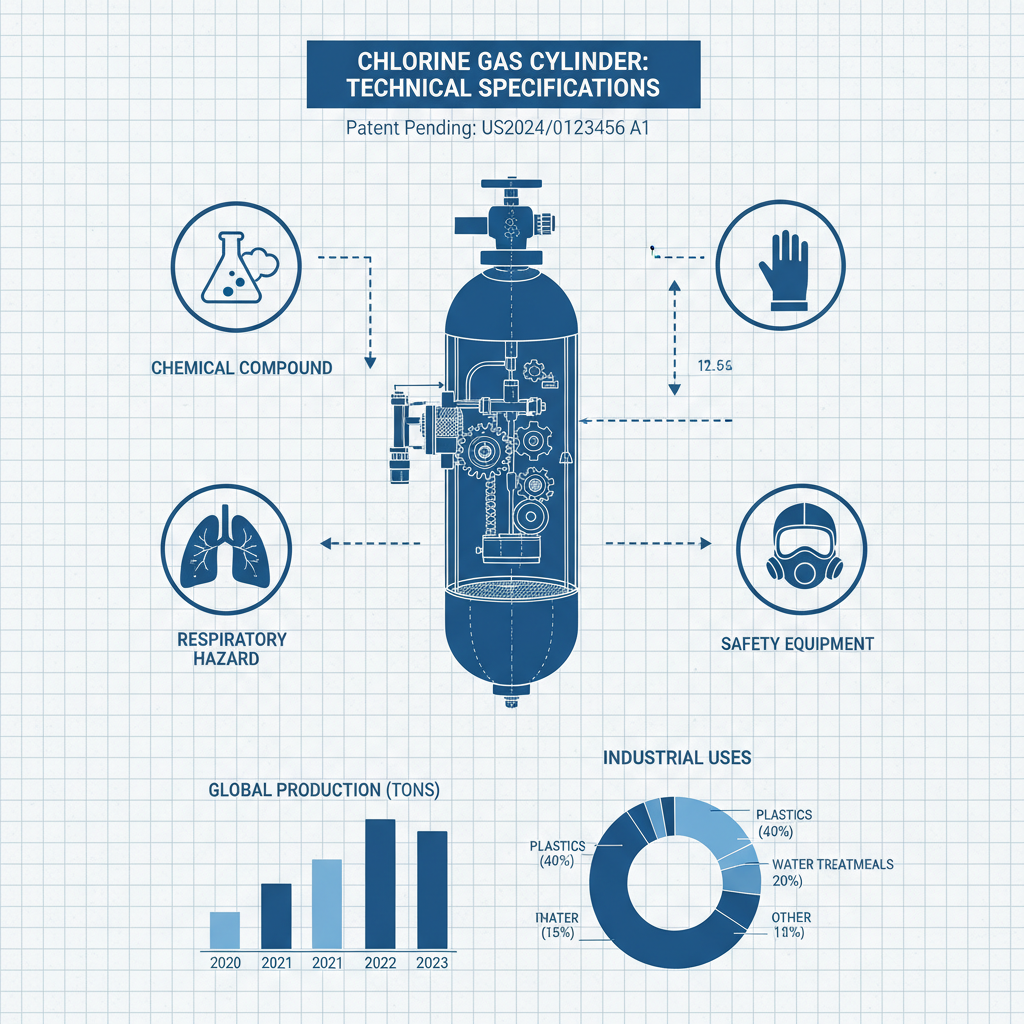
Efficiency Analysis of Chlorine Gas Cylinder Delivery Methods
Long-term Value and Reliability Advantages
Investing in premium chlorine gas cylinder units provides tangible long-term value through reduced maintenance cycles. High-grade materials prevent the premature degradation of the vessel walls, meaning fewer replacements and lower capital expenditure over a ten-year period. This reliability is not just a financial gain but a critical safety advantage, as it minimizes the risk of accidental releases.
From a sustainability perspective, the reusable nature of these cylinders reduces the environmental footprint compared to single-use chemical containers. The trust established through rigorous certification (such as DOT or TPED) allows companies to operate with confidence, knowing that their logistics chain is secured by industry-leading containment technology.
Future Trends in Gas Containment Innovation
The future of the chlorine gas cylinder is being shaped by the digital transformation of industrial IoT. We are seeing the integration of "smart valves" and wireless pressure sensors that can transmit real-time data to a central monitoring station. This allows operators to detect micro-leaks and pressure drops instantly, transforming reactive maintenance into predictive maintenance.
Furthermore, research into composite materials is paving the way for lighter, yet stronger, cylinders. By combining carbon fiber wraps with specialized inner liners, manufacturers can reduce the weight of the vessel, thereby lowering transportation emissions and making the handling of chlorine gas safer for personnel.
Sustainability is also driving a shift toward "green chlorine" storage, where cylinders are designed to be compatible with chlorine produced via renewable-energy-powered electrolysis. This ensures that the entire lifecycle—from production to containment—aligns with global net-zero carbon targets.
Overcoming Operational Challenges in Logistics
One of the primary challenges in managing a chlorine gas cylinder fleet is the strict regulatory environment surrounding hazardous materials. Transporting these vessels requires specialized training, certified vehicles, and meticulous documentation to avoid heavy fines and safety hazards. The solution lies in the adoption of standardized digital tracking systems (RFID) that automate compliance and ensure that every cylinder is inspected on schedule.
Another significant hurdle is the phenomenon of "internal corrosion" caused by moisture contamination. Even a trace amount of water can turn chlorine into a highly aggressive acid that eats through steel. Expert insight suggests that maintaining a strict "dry chain" during the filling process and utilizing moisture-absorbing valve inserts can virtually eliminate this risk.
Finally, the industry is moving toward modular delivery systems. Instead of relying on a few massive tanks, companies are using clusters of smaller, interconnected cylinders. This approach minimizes the potential impact of a single-point failure, enhancing the overall resilience of the gas distribution network.
Comparative Analysis of Chlorine Gas Cylinder Specifications
| Cylinder Grade |
Material Composition |
Corrosion Resistance |
Safety Rating (1-10) |
| Standard Carbon Steel |
ASTM A516 Grade 70 |
Moderate |
7.5 |
| Premium Alloy Steel |
Chromium-Molybdenum |
High |
9.0 |
| Composite Hybrid |
Carbon Fiber/Liner |
Very High |
8.5 |
| Industrial Ton Container |
Heavy-wall Steel |
High |
9.5 |
| Laboratory Grade |
Stainless Steel 316L |
Exceptional |
9.8 |
| Budget Utility Unit |
Basic Mild Steel |
Low |
6.0 |
FAQS
The most critical checks include inspecting the valve for any signs of corrosion, verifying the hydrostatic test date to ensure the shell is still within its certified lifespan, and checking the safety relief valve for blockage. Additionally, any physical dents or deep scratches on the cylinder body should be evaluated by a professional, as these can become stress points leading to failure under high pressure.
Preventing internal corrosion requires maintaining an absolutely moisture-free environment. Chlorine only becomes highly corrosive in the presence of water. Use high-purity gas, ensure filling stations are meticulously dried, and utilize specialized valves designed to block atmospheric moisture from entering the cylinder during the connection and disconnection process.
It is strongly discouraged to repurpose a chlorine gas cylinder for other gases without comprehensive professional decontamination and certification. Chlorine leaves residues that can react violently with other chemicals. Furthermore, different gases require different valve specifications and pressure ratings; using a chlorine cylinder for a gas like oxygen or ethylene without proper conversion can lead to dangerous leaks or explosions.
A standard chlorine gas cylinder is designed for portability and smaller doses, typically used in laboratories or small water treatment plants. A ton container is a massive, stationary or semi-stationary pressure vessel designed for high-volume industrial use. Ton containers have significantly thicker walls and more complex valve manifolds to handle the enormous weight and pressure of liquefied chlorine.
A high-quality cylinder can last 15 to 25 years, provided it undergoes periodic hydrostatic testing and external maintenance. The lifespan depends heavily on the storage environment; cylinders stored in salty, coastal air will degrade faster than those in climate-controlled warehouses. Regular painting and coating of the exterior can significantly extend the service life.
Most manufacturers adhere to ISO standards, as well as region-specific mandates such as the DOT (Department of Transportation) in the US or the TPED (Transportable Pressure Equipment Directive) in Europe. These standards dictate everything from the minimum wall thickness to the specific metallurgy and the frequency of safety inspections required for legal transport.
Conclusion
The chlorine gas cylinder is far more than a simple storage vessel; it is a sophisticated safety device that enables the modern world to access clean water and essential chemical products. By focusing on high-grade materials, rigorous testing, and the integration of smart monitoring technology, the industry has significantly reduced the risks associated with handling one of the most hazardous gases in existence.
Looking forward, the transition toward composite materials and IoT-enabled tracking will further enhance the reliability and sustainability of gas containment. For businesses and municipalities, prioritizing the quality and certification of their cylinders is not just a matter of compliance, but a strategic investment in operational resilience and public safety. To ensure you are using the highest industry standards, visit our website: www.whipways.com