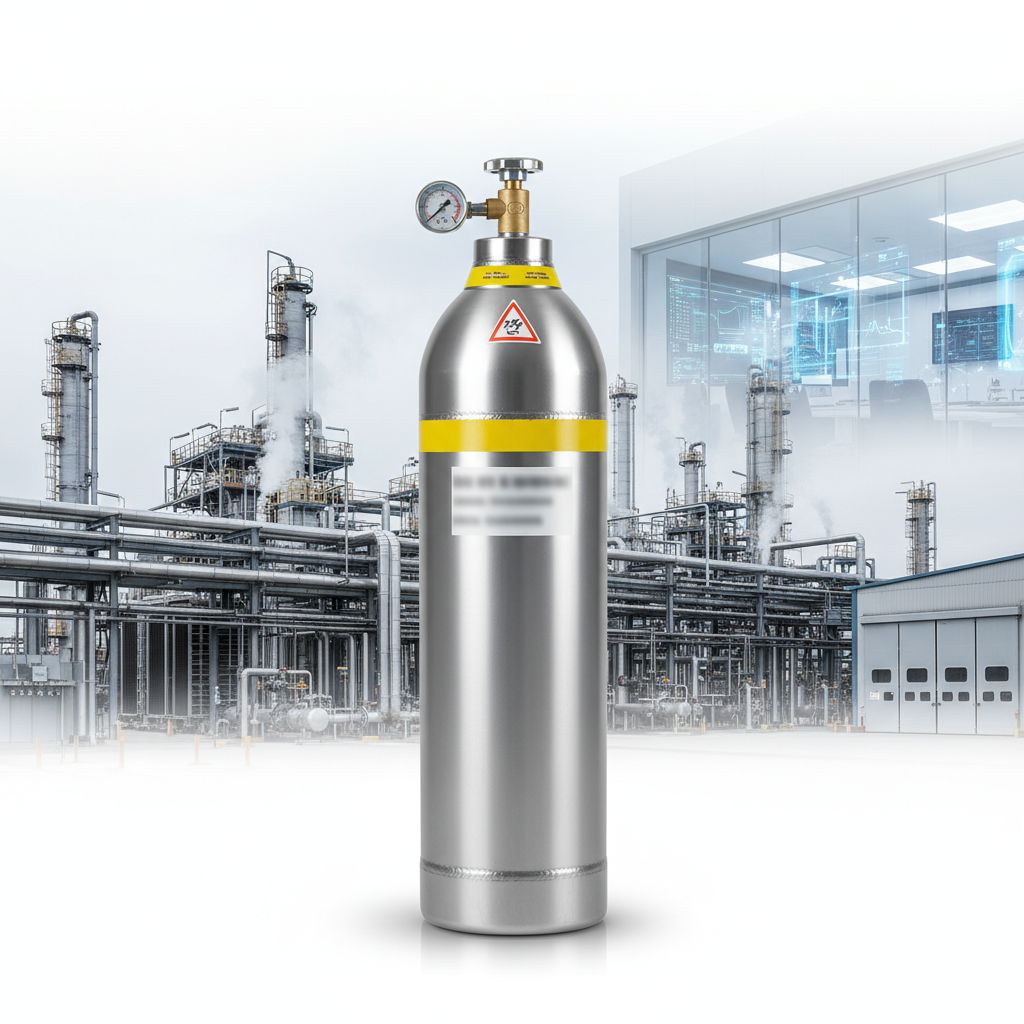
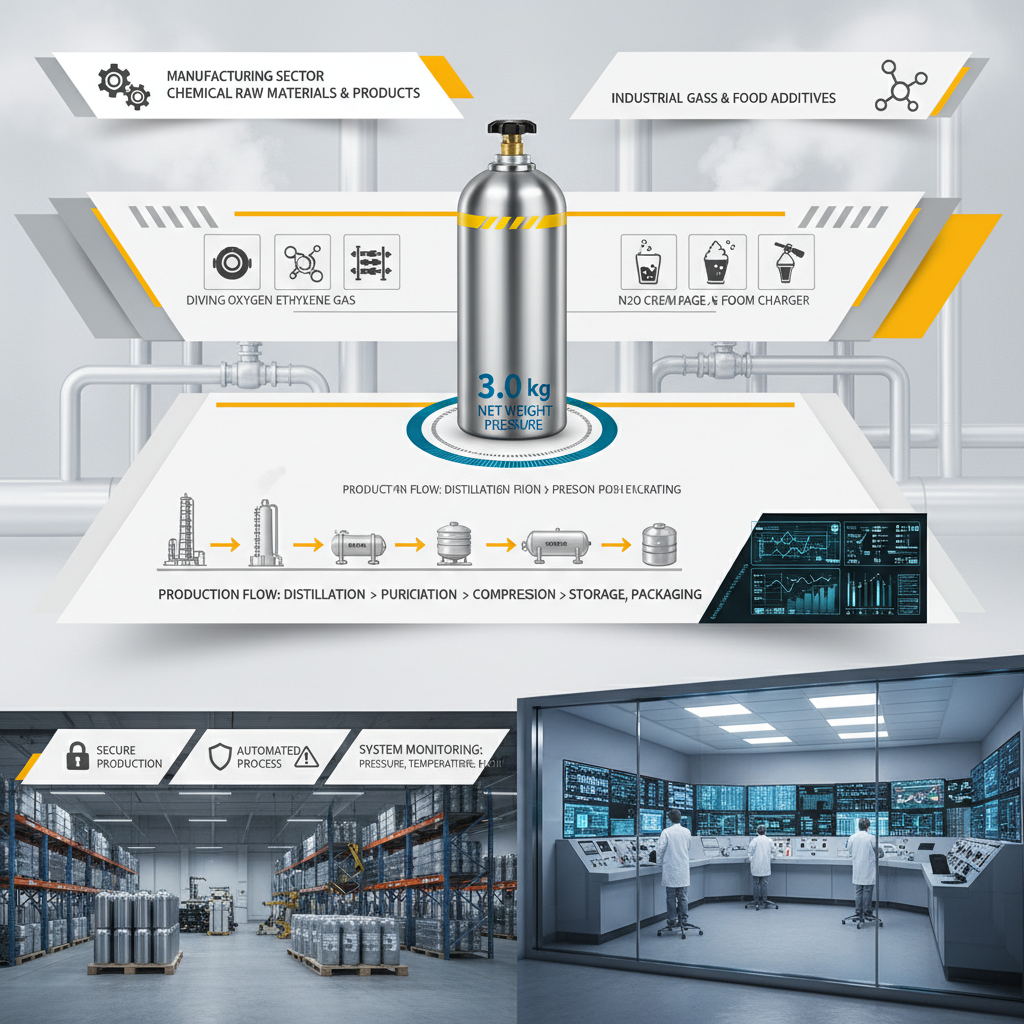
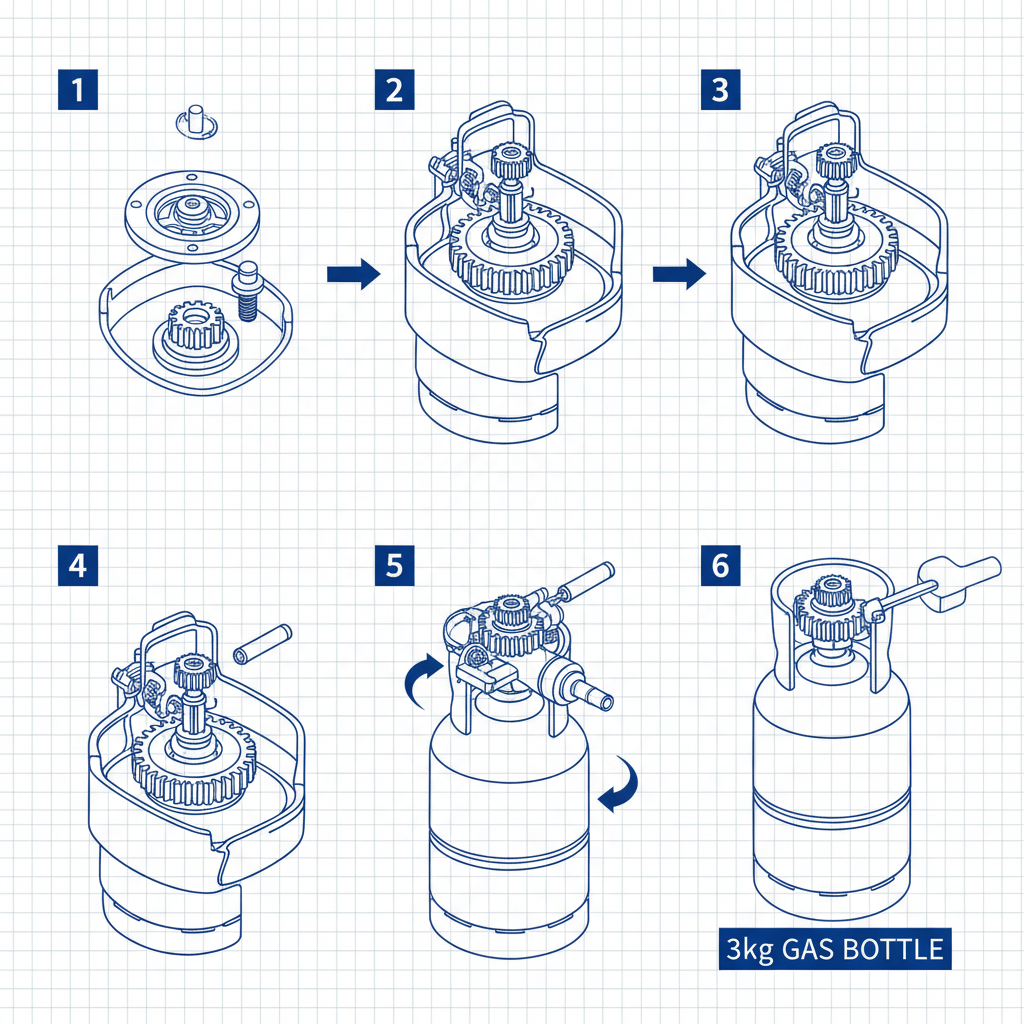
In the precision-driven world of industrial gas management, the 3kg cylinder represents a critical equilibrium between portability and capacity. Whether utilized for high-purity laboratory reagents or essential food-grade additives, these mid-sized vessels ensure that specialized gases are delivered safely without the logistical burden of oversized tanks.
Across the global chemical manufacturing landscape, the adoption of the 3kg cylinder has surged due to the increasing demand for "just-in-time" gas delivery systems. By optimizing the volume of gas stored, companies can reduce waste, lower transport costs, and enhance the safety of onsite handling, making it an indispensable tool for modern industrial workflows.
Understanding the technical nuances of the 3kg cylinder—from its metallurgy to its pressure rating—is essential for professionals in the diving, culinary, and chemical sectors. This comprehensive guide explores how this specific size optimizes efficiency across diverse applications, including N2O cream chargers and high-grade CO2 systems.
Global Relevance of the 3kg Cylinder
The global demand for specialized gas storage has evolved, with the 3kg cylinder emerging as a gold standard for versatility. According to ISO standards for pressure vessels, the mid-range capacity allows for a significant reduction in carbon footprints during transportation compared to bulk tankers, while providing more sustained utility than small disposable cartridges.
In regions such as Southeast Asia and Europe, the integration of the 3kg cylinder into food and beverage production lines has streamlined the delivery of Food & Beverage Grade CO2. This shift addresses the critical challenge of maintaining gas purity while ensuring that the storage units remain manageable for staff in compact urban environments.
Defining the 3kg Cylinder in Modern Industry
At its core, a 3kg cylinder is a high-pressure storage vessel specifically engineered to hold a designated mass of compressed gas. Unlike larger industrial silos, this specific weight class is designed for mobility and rapid replacement, making it the ideal choice for applications where downtime must be minimized.
In the context of modern humanitarian and industrial needs, the 3kg cylinder serves as a bridge between heavy-duty infrastructure and portable convenience. For instance, in emergency medical oxygen supply or remote diving operations, the ability to carry a 3kg load provides a critical window of operation without sacrificing the user's agility.
Furthermore, the connection to the broader chemical industry is evident in how these cylinders are used for Ethylene Gas and N2O Cream Chargers. The precision in the 3kg wall thickness and valve design ensures that volatile gases remain stable under varying atmospheric pressures, fulfilling strict safety protocols.
Core Technical Components of 3kg Cylinders
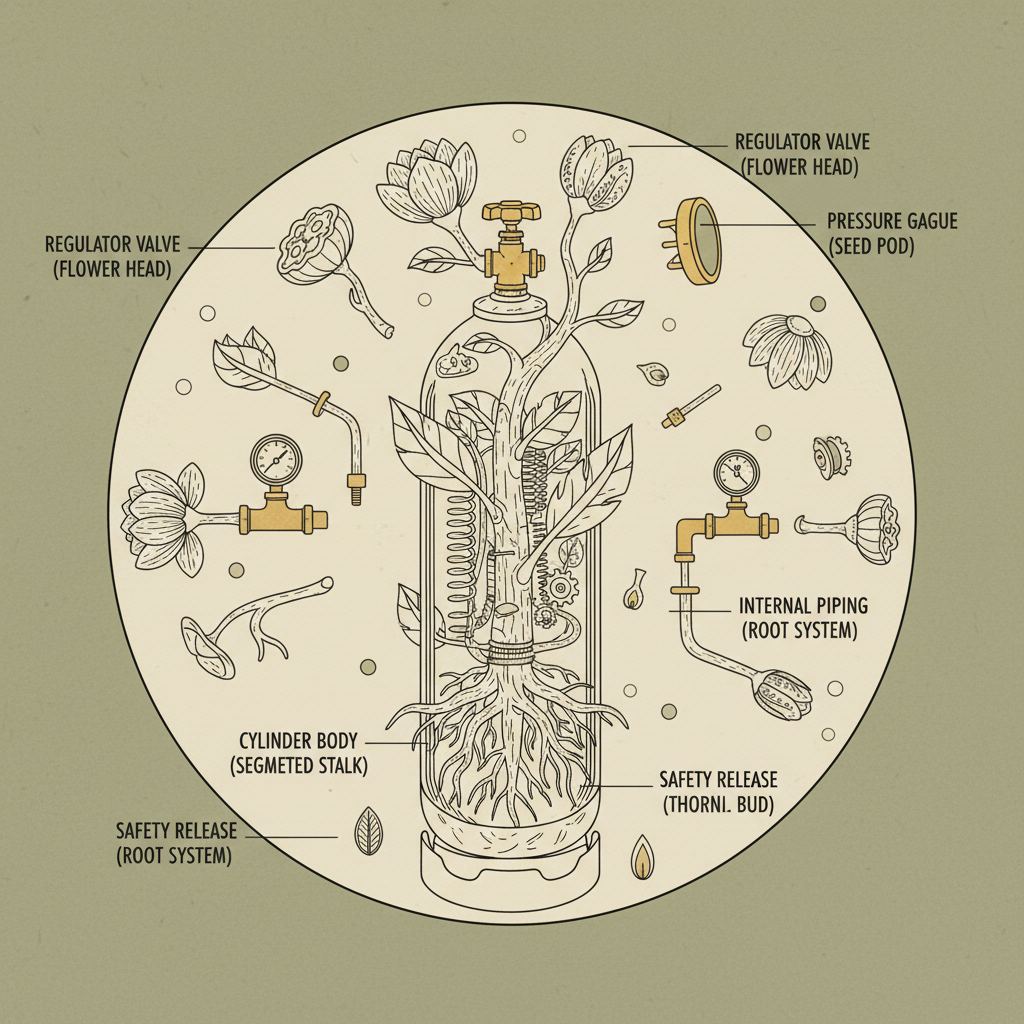
Durability is the primary pillar of any 3kg cylinder. These units are typically constructed from high-grade aluminum alloys or seamless steel, treated with anti-corrosive coatings to withstand humid environments, which is particularly vital for Diving Oxygen Tanks.
Scalability and cost-efficiency are achieved through standardized valve fittings. The 3kg cylinder is designed to be compatible with a wide array of regulators, allowing users to switch from one gas type to another (within safety guidelines) without replacing the entire delivery system.
Safety mechanisms, including rupture discs and precision-threaded necks, ensure that the 3kg cylinder can handle internal pressures that far exceed operational norms. This redundancy is what builds trust among industrial operators who prioritize the wellbeing of their workforce.
Practical Applications and Performance Metrics
The real-world application of the 3kg cylinder spans from the culinary arts to deep-sea exploration. In high-end gastronomy, these cylinders provide a steady stream of N2O for cream chargers, ensuring consistent texture and flavor profiles that smaller canisters cannot maintain over long production runs.
In industrial zones, the 3kg cylinder is often used as a pilot tank for Ethylene Gas, allowing technicians to test pipeline integrity before committing to bulk fills. The balance of weight and pressure makes it the perfect "test-and-verify" tool for chemical engineers.
Comparative Efficiency of 3kg Cylinder Variants
Strategic Advantages and Long-Term Value
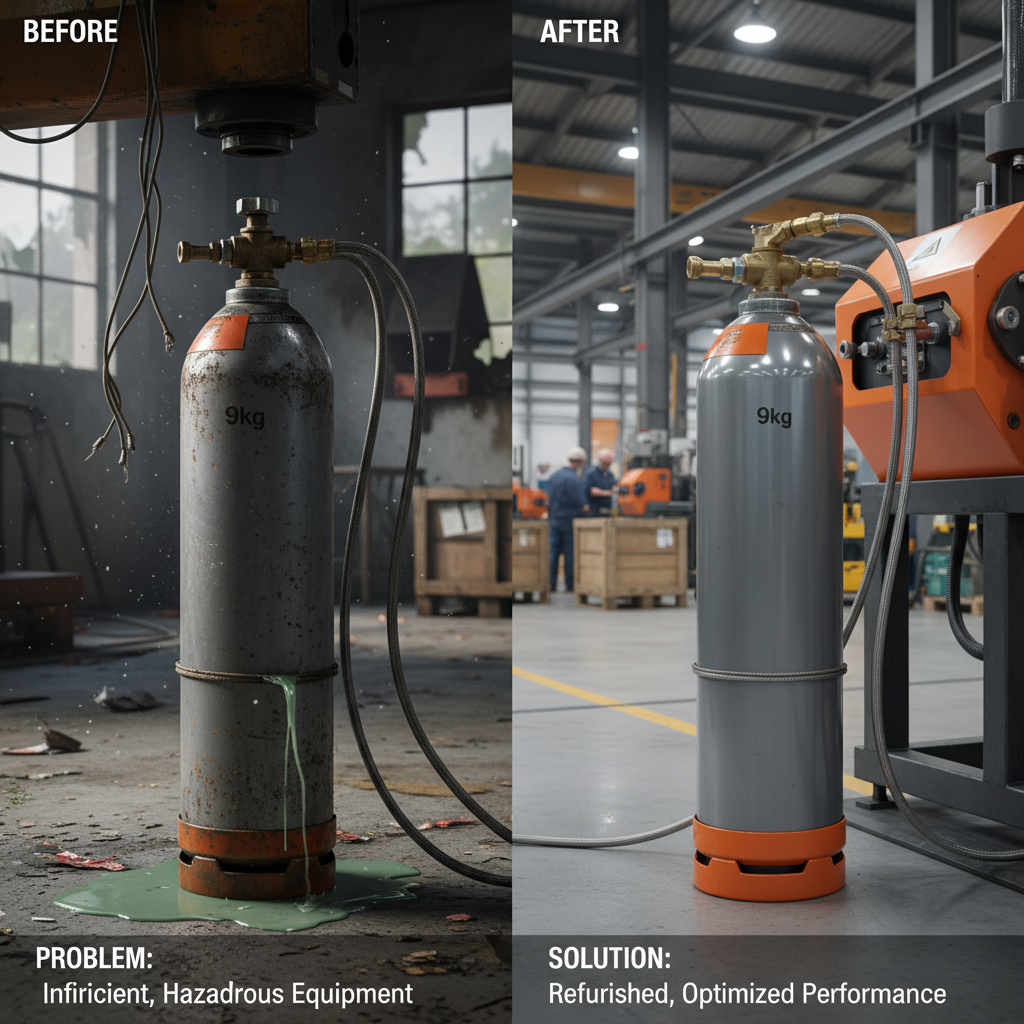
The long-term value of investing in a 3kg cylinder lies in its sustainability. Unlike single-use canisters, these cylinders are refillable and recyclable, significantly reducing the amount of metallic waste entering landfills and lowering the long-term procurement costs for the business.
Beyond the financial logic, there is an emotional angle of reliability. When a diver relies on an oxygen tank or a chef depends on CO2 for a signature dish, the consistency of the 3kg cylinder provides peace of mind. This trust is built on rigorous testing and a design that prioritizes human safety above all else.
Future Innovations in Gas Cylinder Technology
Looking forward, the 3kg cylinder is set to undergo a digital transformation. We are seeing the integration of "smart valves" equipped with IoT sensors that can monitor gas levels and pressure in real-time, alerting operators via smartphone when a refill is required.
Materials science is also playing a pivotal role, with the introduction of carbon-fiber reinforced polymers. These new materials allow the 3kg cylinder to maintain its capacity while reducing the actual weight of the vessel by up to 40%, further enhancing portability for field operations.
Sustainability policies are also driving the move toward "green" manufacturing. Future cylinders will likely be produced using recycled alloys and low-emission smelting processes, aligning the industrial gas sector with global Net-Zero goals.
Overcoming Challenges in 3kg Cylinder Deployment
Despite its benefits, the deployment of the 3kg cylinder is not without challenges. Logistics can be complex, particularly regarding the transport of hazardous materials (HAZMAT) and ensuring that refill stations are accessible in remote industrial zones.
Another limitation is the variation in international valve standards, which can lead to compatibility issues when importing cylinders. This often requires the use of expensive adapters or the complete replacement of regulator sets.
To overcome these hurdles, the industry is moving toward a unified global standard for mid-sized cylinders. By implementing standardized threading and digital tracking, companies can ensure a seamless supply chain regardless of the geographic region.
Operational Analysis of 3kg Cylinder Deployment Models
|
Deployment Model
|
Cost Efficiency
|
Portability Score
|
Risk Level
|
| Aluminum 3kg Model |
High |
9/10 |
Low |
| Steel 3kg Model |
Very High |
6/10 |
Medium |
| Composite 3kg Model |
Medium |
10/10 |
Very Low |
| Food-Grade 3kg Model |
High |
8/10 |
Low |
| Medical-Grade 3kg Model |
Medium |
7/10 |
Low |
| Industrial-Grade 3kg Model |
Very High |
5/10 |
Medium |
FAQS
The duration depends on the flow rate and frequency of use. For N2O cream chargers in a medium-sized cafe, a 3kg cylinder typically lasts 2-4 weeks. To maximize lifespan, ensure that regulators are calibrated and that there are no leaks in the connection points.
Yes, provided they meet IATA and IMDG regulations. Most 3kg cylinders are built to withstand the pressure changes associated with air and sea freight. However, they must be accompanied by the proper Material Safety Data Sheet (MSDS) and appropriate hazard labeling.
Aluminum 3kg cylinders are significantly lighter and naturally resistant to corrosion, making them ideal for diving or food-grade CO2. Steel cylinders are more cost-effective and can often handle higher pressure ratings, but they are heavier and require a protective coating to prevent rust.
While most suppliers can refill these, it depends on the valve type. Some suppliers only fill their own proprietary cylinders. It is recommended to use cylinders with standardized fittings to ensure you can access multiple refill stations without needing adapters.
Depending on local regulations (such as DOT in the US or PED in Europe), most 3kg cylinders require a hydrostatic test every 5 to 10 years. This ensures the structural integrity of the metal and prevents catastrophic failure under pressure.
Absolutely. The 3kg cylinder is widely used for Ethylene due to its ability to keep the gas stable and contained in a manageable volume, which is critical for agricultural ripening processes or laboratory research where small, precise amounts are needed.
Conclusion
The 3kg cylinder stands as a cornerstone of efficiency in the chemical and food-grade gas industries. By balancing the needs of portability, safety, and capacity, it allows businesses to optimize their operations—whether they are managing Diving Oxygen Tanks or N2O Cream Chargers—while reducing environmental impact through refillable technology.
As we move toward a future of smart monitoring and advanced composite materials, the role of the 3kg cylinder will only grow more significant. We recommend that operators prioritize certified, high-quality vessels to ensure long-term reliability and safety. For professional grade solutions, visit our website: www.whipways.com