Different types of bottled gas are fundamental to a vast array of industries and applications globally, ranging from industrial processes and medical uses to domestic heating and cooking. Understanding these gases – their properties, safe handling procedures, and diverse applications – is crucial for ensuring efficiency, safety, and sustainability. The global bottled gas market is a multi-billion dollar industry, experiencing consistent growth driven by increasing demand in developing economies and a shift towards more portable and convenient energy solutions.
The significance of different types of bottled gas extends beyond mere convenience. In remote locations lacking established pipeline infrastructure, bottled gas often represents the only viable energy source. In emergency situations, such as natural disasters, these gases provide essential services like heating, cooking, and powering critical equipment. The accessibility and reliability of bottled gas contribute significantly to economic development and improved quality of life worldwide.
Furthermore, advancements in gas storage technology and regulatory standards continue to enhance the safety and efficiency of bottled gas utilization. A comprehensive understanding of the nuances between propane, butane, oxygen, argon, and others is vital for professionals across diverse sectors, as well as for consumers seeking informed energy choices. This article will delve into the complexities and importance of different types of bottled gas.
The Importance of Understanding Different Types of Bottled Gas
The diverse landscape of different types of bottled gas demands careful consideration. Each gas possesses unique properties that dictate its suitability for specific applications. For example, propane and butane are commonly used as fuels, while oxygen finds crucial roles in medical settings and welding. Argon, on the other hand, serves as a shielding gas in industrial processes. A lack of understanding can lead to inefficient utilization, safety hazards, and ultimately, compromised operational outcomes.
Understanding the differences isn't merely technical; it's a matter of safety and responsible energy management. Correct gas selection and handling procedures are paramount to preventing accidents and ensuring the well-being of personnel and the environment. Regulatory compliance and adherence to industry best practices also depend on a solid grasp of these distinctions.
Defining Different Types of Bottled Gas
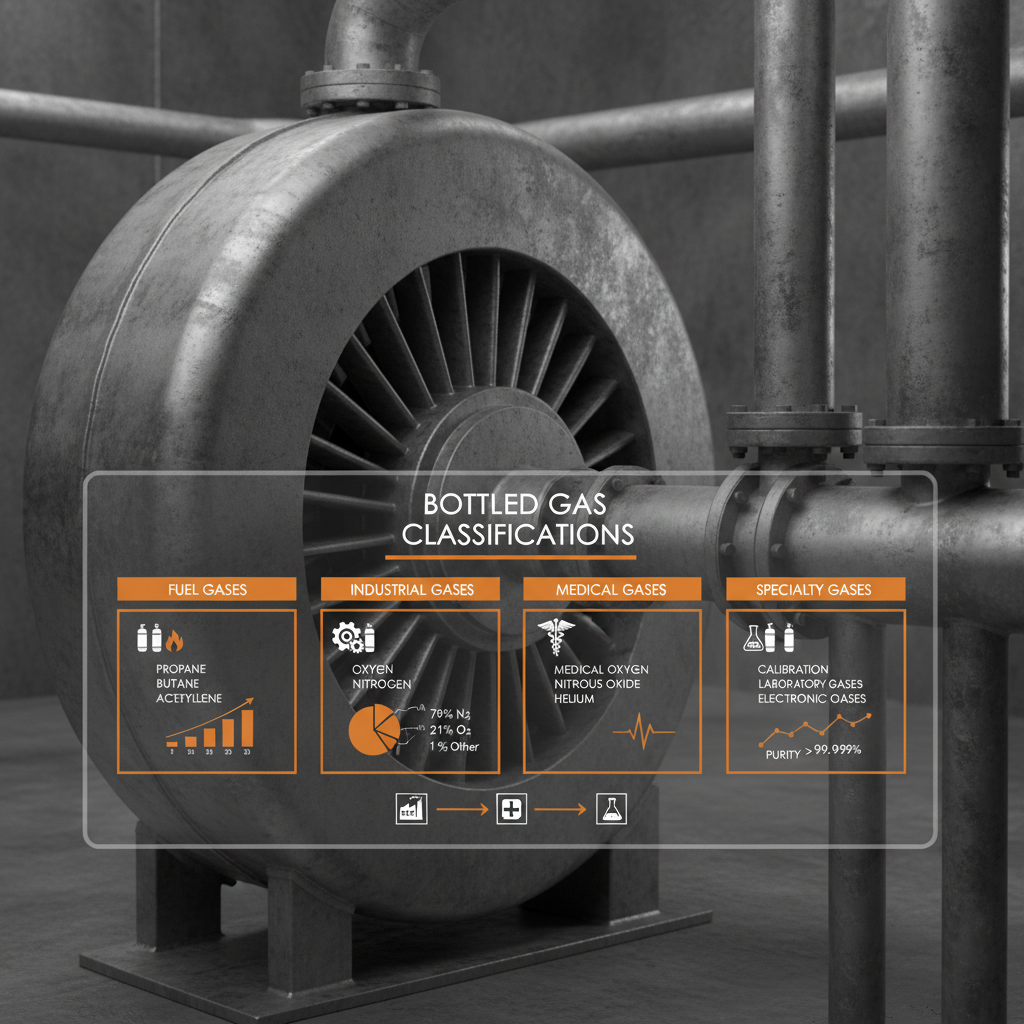
Different types of bottled gas encompass a spectrum of compressed or liquefied gases stored in pressurized containers. These gases are categorized based on their chemical composition and intended use. Common examples include Liquefied Petroleum Gas (LPG), primarily consisting of propane and butane, used for heating, cooking, and powering vehicles. Industrial gases, such as oxygen, nitrogen, argon, and carbon dioxide, serve a wide range of applications in manufacturing, healthcare, and research.
Specialty gases, like helium and hydrogen, have niche applications in scientific research, aerospace, and electronics. Medical gases, including oxygen, nitrous oxide, and medical air, are vital for patient care in hospitals and clinics. The bottling process ensures portability and convenient access to these gases, making them ideal for various scenarios where piped gas infrastructure is unavailable or impractical.
The definition extends to the stringent quality control measures applied during production, storage, and transportation. Ensuring purity and consistent composition are critical, especially for medical and industrial applications where even minor contaminants can have significant consequences.
Key Characteristics of Different Types of Bottled Gas
Several core characteristics distinguish different types of bottled gas. Density plays a key role in determining storage requirements and handling procedures. Flammability dictates safety protocols and ventilation needs. Reactivity influences compatibility with different materials and potential for hazardous reactions. For instance, oxygen is a strong oxidizer, requiring careful separation from flammable substances.
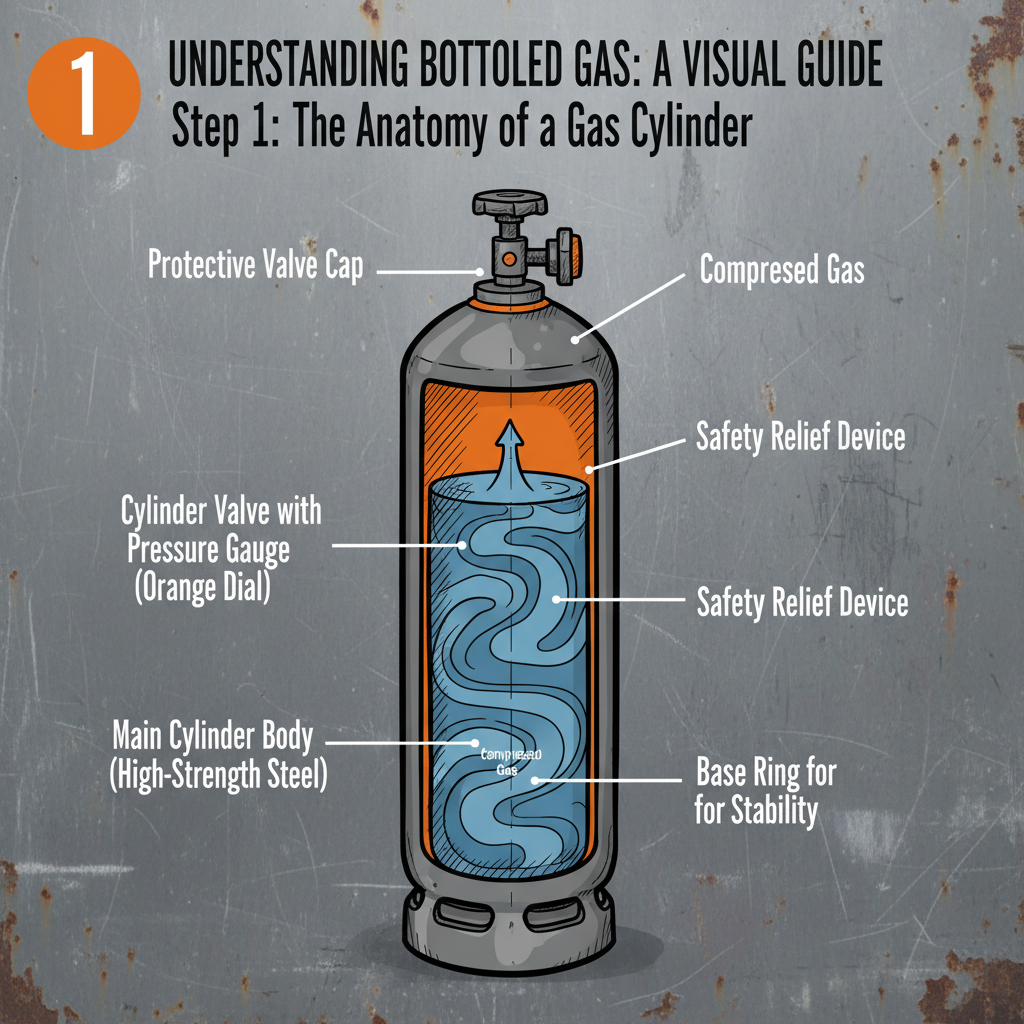
Another crucial aspect is the gas’s pressure. Gases are stored under high pressure to maximize the volume contained within the cylinder. Understanding the working pressure, test pressure, and burst pressure of each cylinder is fundamental to safety. The purity level is also paramount, particularly for applications demanding precise gas composition, such as laboratory analysis or semiconductor manufacturing. Each different type of bottled gas has it's own specific Material Safety Data Sheet (MSDS) outlining these characteristics.
Furthermore, factors like toxicity and corrosivity must be considered when selecting and handling different types of bottled gas. Some gases, like chlorine, are highly toxic and require specialized handling equipment and personal protective gear. Corrosive gases, such as ammonia, can damage cylinders and equipment if not properly contained.
Practical Applications Across Industries
The applications of different types of bottled gas are remarkably diverse. In the medical sector, oxygen is indispensable for respiratory therapy, anesthesia, and life support systems. Nitrous oxide serves as an anesthetic and analgesic. The food and beverage industry relies on carbon dioxide for carbonation and preservation. Welding and metal fabrication depend heavily on argon and acetylene for shielding and fuel, respectively.
The construction industry utilizes oxygen-acetylene torches for cutting and welding. The automotive sector employs nitrogen for tire inflation and purging systems. Laboratories across various scientific disciplines use a range of specialty gases for analytical instrumentation and research purposes. In post-disaster relief operations, propane and butane provide a quick and reliable source of energy for cooking and heating.
Application Frequency of Different Types of Bottled Gas
Global Usage and Regional Trends
Global consumption of different types of bottled gas is concentrated in regions with limited pipeline infrastructure or rapidly growing economies. Asia-Pacific, particularly China and India, represents the largest market, driven by increasing industrial activity and demand for clean cooking fuels. North America and Europe remain significant consumers, with established industrial sectors and healthcare systems.
Emerging markets in Africa and Latin America are experiencing rapid growth in bottled gas consumption as governments invest in expanding access to energy and improving living standards. The demand for LPG is particularly strong in these regions, where it often serves as a primary cooking fuel. Regional variations in regulatory standards and infrastructure development influence the adoption of specific types of bottled gas and related technologies.
Advantages and Long-Term Value Proposition
The advantages of using different types of bottled gas are numerous. Portability and ease of use make them ideal for applications where fixed infrastructure is impractical. Bottled gas offers a relatively clean-burning energy source, contributing to reduced emissions compared to traditional fuels. The versatility of these gases allows for a wide range of applications across diverse industries.
Furthermore, advancements in cylinder technology and gas storage solutions are enhancing safety and efficiency. Investing in high-quality cylinders and implementing robust safety protocols can minimize risks and ensure long-term reliability. The long-term value proposition extends to cost savings through efficient energy utilization and reduced environmental impact.
Future Innovations and Emerging Trends
The future of different types of bottled gas is characterized by innovation and sustainability. Research and development efforts are focused on improving cylinder materials to enhance strength and reduce weight. The exploration of alternative gases, such as hydrogen and biogas, offers potential for decarbonizing energy systems. Digital technologies, like smart cylinders and remote monitoring systems, are enhancing safety and optimizing gas usage.
Furthermore, advancements in gas compression and liquefaction technologies are improving storage efficiency and reducing transportation costs. The integration of renewable energy sources, such as solar and wind power, with bottled gas systems can create hybrid energy solutions that offer enhanced reliability and sustainability. The development of stricter regulatory standards and safety protocols will further drive innovation and ensure responsible gas handling practices.
The convergence of these trends promises a more efficient, safe, and sustainable future for the bottled gas industry, contributing to a cleaner and more reliable energy landscape globally.
Summary of Key Aspects of Different Types of Bottled Gas
| Gas Type |
Primary Applications |
Safety Considerations |
Sustainability Impact |
| Propane/Butane (LPG) |
Heating, cooking, portable stoves, vehicle fuel |
Flammable, requires adequate ventilation, leak detection |
Lower carbon emissions than coal or oil, potential for renewable sourcing |
| Oxygen |
Medical applications, welding, metal fabrication |
Strong oxidizer, requires separation from flammable materials |
Essential for life support, potential for optimizing industrial processes |
| Argon |
Welding, metal fabrication, laboratory applications |
Asphyxiant, requires adequate ventilation |
Inert gas, minimizes oxidation during welding, improving quality |
| Nitrogen |
Tire inflation, purging systems, food preservation |
Asphyxiant, requires adequate ventilation |
Inert gas, reduces spoilage, enhances product quality |
| Carbon Dioxide |
Carbonation, fire suppression, welding |
Asphyxiant, requires adequate ventilation |
Utilized in plant growth, potential for carbon capture and storage |
| Helium |
MRI machines, balloons, scientific research |
Asphyxiant, requires adequate ventilation |
Limited resource, requires responsible usage and recycling |
FAQS
Safe storage of bottled gas is paramount. Cylinders should be stored in a well-ventilated, dry, and secure location, away from sources of heat, ignition, and direct sunlight. They should be secured to prevent tipping or falling, and properly labeled with the gas type. Regularly inspect cylinders for damage or leaks, and follow manufacturer's guidelines for handling and storage. Always keep valves protected and ensure cylinders are stored upright.
Selecting the correct gas hinges on understanding your application’s needs. Consider factors like required purity, flammability, reactivity, and compatibility with your equipment. For example, welding requires shielding gases like argon, while medical applications demand high-purity oxygen. Consulting with a gas supplier or qualified professional can ensure you choose the optimal gas for your specific task, maximizing efficiency and safety.
The lifespan of a bottled gas cylinder isn't fixed and depends on maintenance and usage. Cylinders undergo hydrostatic testing periodically (typically every 5-10 years) to ensure they can withstand the required pressure. Proper handling, avoiding physical damage, and regular inspections contribute to a longer lifespan. Damaged or corroded cylinders must be taken out of service immediately.
Before connecting, ensure the cylinder valve is fully closed. Inspect the regulator for damage and compatibility with the gas. Slowly open the cylinder valve, and check for leaks using a leak detection solution. To disconnect, close the cylinder valve first, then vent the regulator pressure. Never force connections or disconnects. Always follow the regulator manufacturer’s instructions.
While often cleaner than alternatives, bottled gas usage does have environmental considerations. LPG combustion produces greenhouse gases, although less than coal or oil. Leakage of certain gases contributes to atmospheric warming. Responsible handling, leak prevention, and exploration of renewable gas sources (like biogas) can minimize environmental impact. Proper cylinder disposal and recycling are also crucial.
Transporting bottled gas is heavily regulated to ensure safety. Regulations vary by country and region but typically involve specific labeling requirements, securement procedures, vehicle placarding, and driver training. Compliance with DOT (Department of Transportation) or equivalent regulations is essential. Hazardous material endorsements may be required for drivers transporting certain gases. Always consult the applicable transportation regulations before shipping bottled gas.
Conclusion
Different types of bottled gas represent a cornerstone of modern industry, healthcare, and daily life. Their versatility, portability, and efficiency make them indispensable in a wide range of applications. A thorough understanding of their properties, safe handling procedures, and regulatory requirements is crucial for maximizing benefits and mitigating risks. As technology advances and sustainability concerns grow, ongoing innovation in gas storage, alternative fuels, and digital monitoring will continue to shape the future of this essential energy source.
Looking ahead, investment in research and development focused on renewable gas sources and improved cylinder technology will be pivotal. Promoting responsible gas handling practices and ensuring compliance with evolving regulations are paramount. By embracing innovation and prioritizing safety, we can harness the power of different types of bottled gas to create a more sustainable and efficient energy landscape. For a comprehensive range of bottled gas solutions, visit our website: whipway.com.