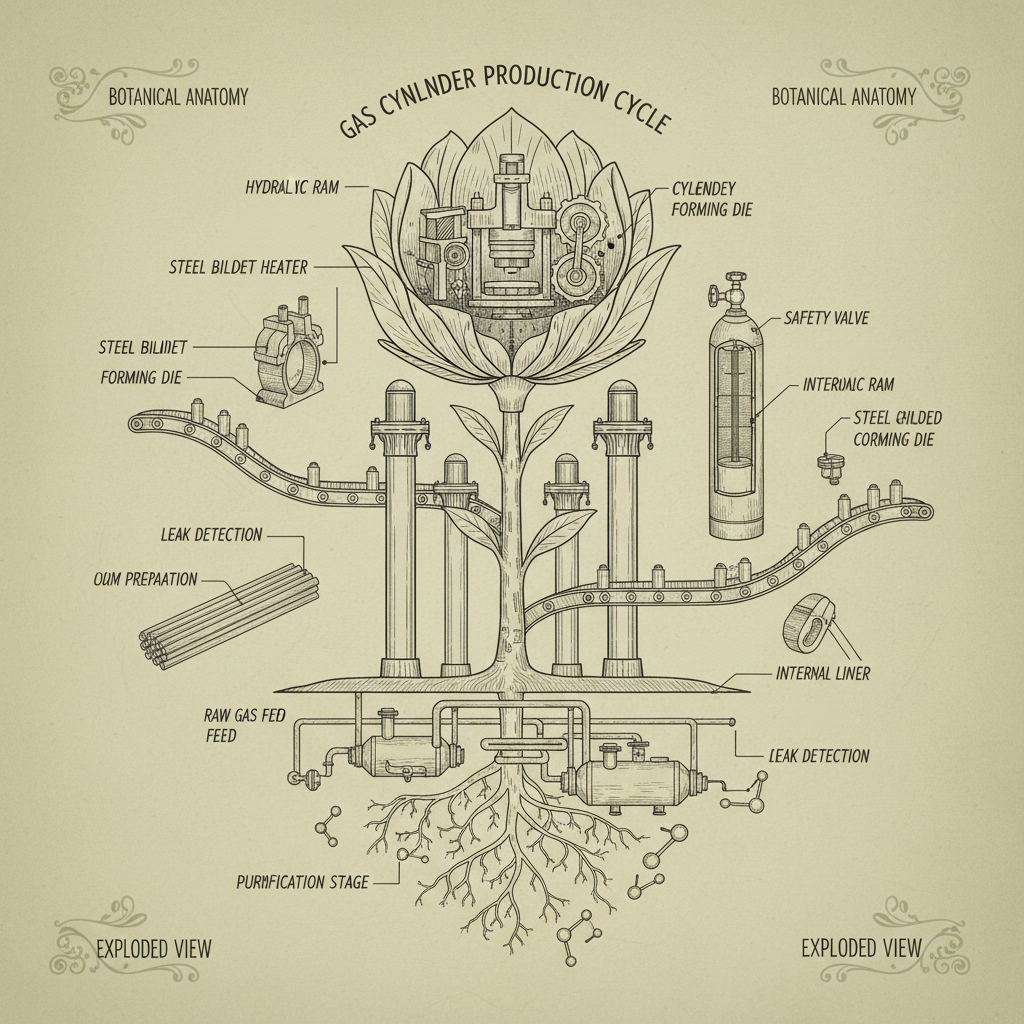
To be honest, things in this industry are moving fast. Last year everyone was talking about miniaturization, right? Now it's all about robustness and how to make things last in harsh environments. It's a cycle, I tell ya. A cycle.
Have you noticed how everyone designs these things looking perfect on CAD, but then you get to the site and realize it’s totally impractical? I encountered this at a factory in Jiangsu last time, they had this new valve design… looked beautiful, but the guys couldn't even get a wrench on it without hitting something else.
It’s always the little things. Anyway, I think we’re finally getting a handle on materials.
The Current Landscape of Gas Cylinder Factories
The gas cylinder factory scene is…well, it's global. Big players in China, Europe, and the US dominating, naturally. But there's a lot of smaller regional factories popping up, especially to serve niche industries. Strangely, the biggest change I've seen isn’t in the manufacturing process itself, it’s the demand for traceability. Everyone wants to know where their cylinder came from, who inspected it, what batch it’s from. It’s all about accountability now, especially after some of those incidents a few years back.
ISO standards are the baseline, of course. But increasingly, customers are demanding even stricter certifications and independent verification. It's getting expensive, let me tell ya.
Design Pitfalls in Gas Cylinder Manufacturing
Oh boy, design. Don’t even get me started. So many engineers who’ve never stepped foot in a factory. They design these things for perfect conditions, perfectly skilled technicians, perfectly clean environments. It's not real. One big pitfall is over-complication. I've seen cylinders with so many fittings and sensors they’re a nightmare to inspect and maintain. Keep it simple, I say.
Another thing is wall thickness calculations. Everyone tries to shave off a few grams to save on material costs, but you push it too far and suddenly you’ve got a structural integrity issue. I’ve seen too many failures traced back to someone trying to be too clever with the design.
And the threads! The threads are always a problem. Getting the right tolerance, the right coating, the right tightening torque… it’s a constant battle.
Materials Used in Gas Cylinder Factories
Steel, obviously. High-strength alloy steel is the workhorse. Smells like…well, steel. A bit oily. You can feel the quality just by tapping it. Then you've got composite materials – carbon fiber wrapped cylinders are becoming more common, lighter weight, but they're a different beast entirely. You gotta be real careful with those. They don’t dent like steel, they…delaminate. A quiet failure, which is the scary part.
The liners inside the cylinders are often stainless steel or specialized alloys, depending on the gas they're holding. I remember one time at a plant in Korea, they were using this new titanium alloy. It felt…different. Lighter, smoother. But it was a pain to weld. The welders were constantly having to adjust their settings. It's all about finding the balance between performance and manufacturability.
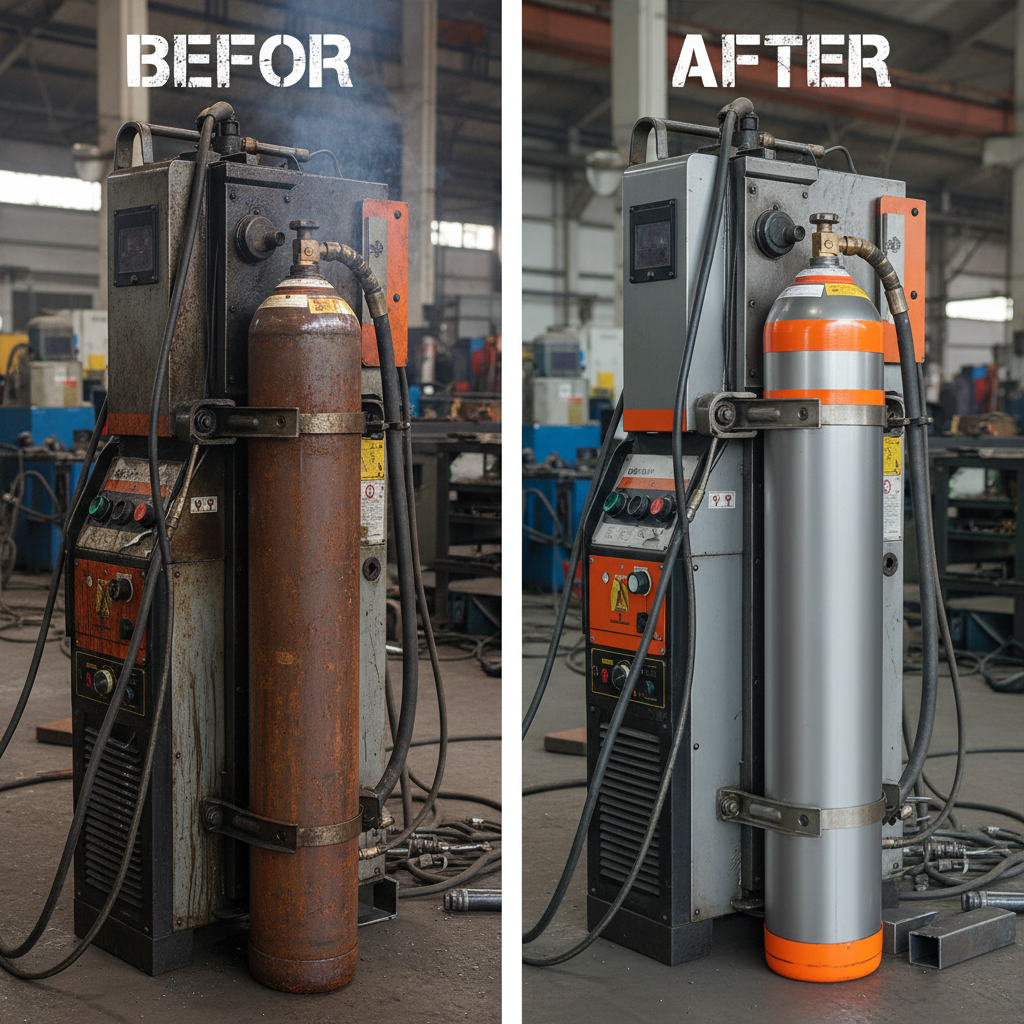
And let’s not forget the coatings! Zinc plating, epoxy coatings, powder coatings… all to prevent corrosion. Some of the newer coatings are self-healing, which is pretty cool. But they’re expensive. Later… Forget it, I won't mention the cost of everything these days.
Real-World Testing of Gas Cylinders
Lab tests are fine, but they don’t tell you everything. I like to see cylinders tested in the field, under real conditions. Hydrostatic testing, obviously. That’s where they pressurize the cylinder to a significantly higher pressure than it's rated for and look for leaks or deformation.
But I also like to see drop tests, impact tests, even corrosion tests. We once had a customer who used cylinders on offshore oil rigs. They wanted to know how they'd hold up in saltwater and extreme weather. We submerged them in the ocean for six months. It wasn't pretty.
Gas Cylinder Failure Rate by Testing Method
How Gas Cylinders are Actually Used
This is where it gets interesting. You design a cylinder for a specific application, but then users find ways to repurpose it. I've seen cylinders used as boat fenders, as counterweights, even as makeshift furniture! It's always surprising.
And the handling… people aren’t always careful. Dropping them, banging them around, leaving them exposed to the elements. It’s a tough life for a gas cylinder.
Advantages and Disadvantages of Current Gas Cylinder Factories
The advantages are obvious: they're efficient, they're relatively cheap, and they can store a lot of gas in a small space. They've revolutionized industries from healthcare to welding. But the disadvantages? Well, safety is always a concern. A ruptured cylinder can be catastrophic.
And the cost of compliance is rising. All these new regulations and certifications are making it harder for smaller factories to compete. Then there’s the issue of obsolescence. Once a cylinder reaches its lifespan, it needs to be properly decommissioned. That’s another expense.
Honestly, it’s a constant trade-off between cost, performance, and safety.
Customization Options in Gas Cylinder Production
Customization is becoming more common. People want cylinders tailored to their specific needs. Last month, that small boss in Shenzhen who makes smart home devices insisted on changing the interface to , and the result was a three-week delay and a lot of headaches. He said it was "for the aesthetic." You can't argue with that.
We can customize everything from the size and shape to the materials and coatings. We’ve done cylinders with integrated pressure regulators, cylinders with RFID tags for tracking, even cylinders with custom paint jobs.
The key is to find a balance between customization and standardization. You want to meet the customer’s needs, but you don't want to create a logistical nightmare.
Summary of Customization Parameters for Gas Cylinders
| Parameter |
Cost Impact |
Lead Time Impact |
Complexity Level |
| Valve Type |
Low |
Minimal |
Low |
| Coating Material |
Medium |
Moderate |
Medium |
| Cylinder Dimensions |
High |
Significant |
High |
| Material Composition |
Very High |
Extended |
Very High |
| Integrated Sensors |
Medium-High |
Moderate-Significant |
Medium-High |
| Surface Finish |
Low-Medium |
Minimal-Moderate |
Low-Medium |
FAQS
It varies massively depending on usage and the gas stored. Generally, they need hydrostatic testing every 5-10 years. But realistically, a well-maintained cylinder can last decades. We've seen some old ones come back for re-testing that were still in surprisingly good shape. It really comes down to proper handling and regular inspection.
Definitely damage. Dents, corrosion, valve issues – those are the biggest problems. Improper storage is also a major issue. They need to be stored upright, secured, and away from heat sources. And of course, always handle them carefully and never drop them. People forget these things. It's always the little things.
Steel is more durable, cheaper, and easier to repair. Composite is lighter weight, corrosion-resistant, but more expensive and harder to fix if damaged. Composite requires specialized training for inspection and repair. It depends on the application. If you need something that can take a beating, steel is the way to go. If weight is a critical factor, composite is better.
It’s a multi-stage process. Non-destructive testing (NDT) is crucial – radiography, ultrasonic testing, magnetic particle inspection. We also do dimensional checks, material analysis, and hydrostatic testing on every cylinder. It’s tedious, but it’s essential. The devil's in the details, you know?
Definitely smart cylinders with integrated sensors that track pressure, temperature, and location. That's a big one. Also, lighter-weight materials are always in demand. And there’s a lot of research going into new coatings that offer better corrosion resistance. It's all about making cylinders safer, more efficient, and more reliable.
Steel cylinders are relatively easy to recycle. Composite cylinders are more challenging because of the mix of materials. There’s a growing emphasis on sustainable manufacturing and responsible end-of-life management, though. It’s becoming increasingly important to have a plan for recycling cylinders when they reach the end of their lifespan.
Conclusion
Ultimately, gas cylinder factories have evolved dramatically, driven by safety concerns, technological advancements, and evolving customer needs. From material selection to rigorous testing and customization options, the industry constantly strives for improvement. It's a complex field, requiring expertise in materials science, engineering, and manufacturing.
But at the end of the day, whether this thing works or not, the worker will know the moment he tightens the screw. That's the bottom line. It's a hands-on business, and you can't replace experience and common sense with fancy software or certifications. Now, if you'll excuse me, I need a cup of coffee. And maybe a nap. Visit our website: www.whipways.com