Look, I’ve been running around construction sites for fifteen years, and let me tell you, things are changing fast. Everyone's talking about prefabrication now, right? Modular stuff, things assembled offsite and shipped in. It’s not new, but the scale is…different. A lot more is happening that way. To be honest, it’s driven by labor shortages, mostly. Finding skilled trades is a nightmare. Anyway, I think it’s forcing a rethink on materials, too. Not just about cost, but also about ease of use, speed of install.
You wouldn't believe the number of designs I see that look great on paper but are a total pain in the neck to actually build. Have you noticed how architects love these super-complex angles? Beautiful, sure, but when you're trying to get a steel beam into place, it's just… frustrating. And it adds cost. A lot of cost. Later… forget it, I won’t mention it.
The Current Landscape of Gas Cylinder Manufacturing
I mean, you've got the big players, the established gas cylinder manufacturers who supply the industrial gases, medical facilities, the usual. They're always focused on volume, efficiency, and meeting the stringent safety standards – ISO, DOT, all that stuff. It’s pretty regulated, which is good. But then you’ve got these smaller guys popping up, specializing in niche applications – portable oxygen for welding, helium for balloons (seriously, still a market!), and more recently, the increased demand for cylinders for alternative fuels. It's a surprisingly diverse field, really.
Strangely, the biggest shift I’ve seen in the last couple years isn't a new material or process, but a focus on traceability. Everyone wants to know where their cylinders have been, how they’ve been handled, and what they’ve contained. It’s all about risk management, I guess.
Design Pitfalls and Common Mistakes
Oh boy, where do I start? One thing I encountered at a factory in Ohio last time, they were designing these high-pressure cylinders with really tight tolerances. Looked beautiful in the CAD drawings, but when it came to manufacturing, it was a disaster. The machining costs were through the roof, and the rejection rate was insane. You have to design for manufacturability, folks! It's not just about making it look good.
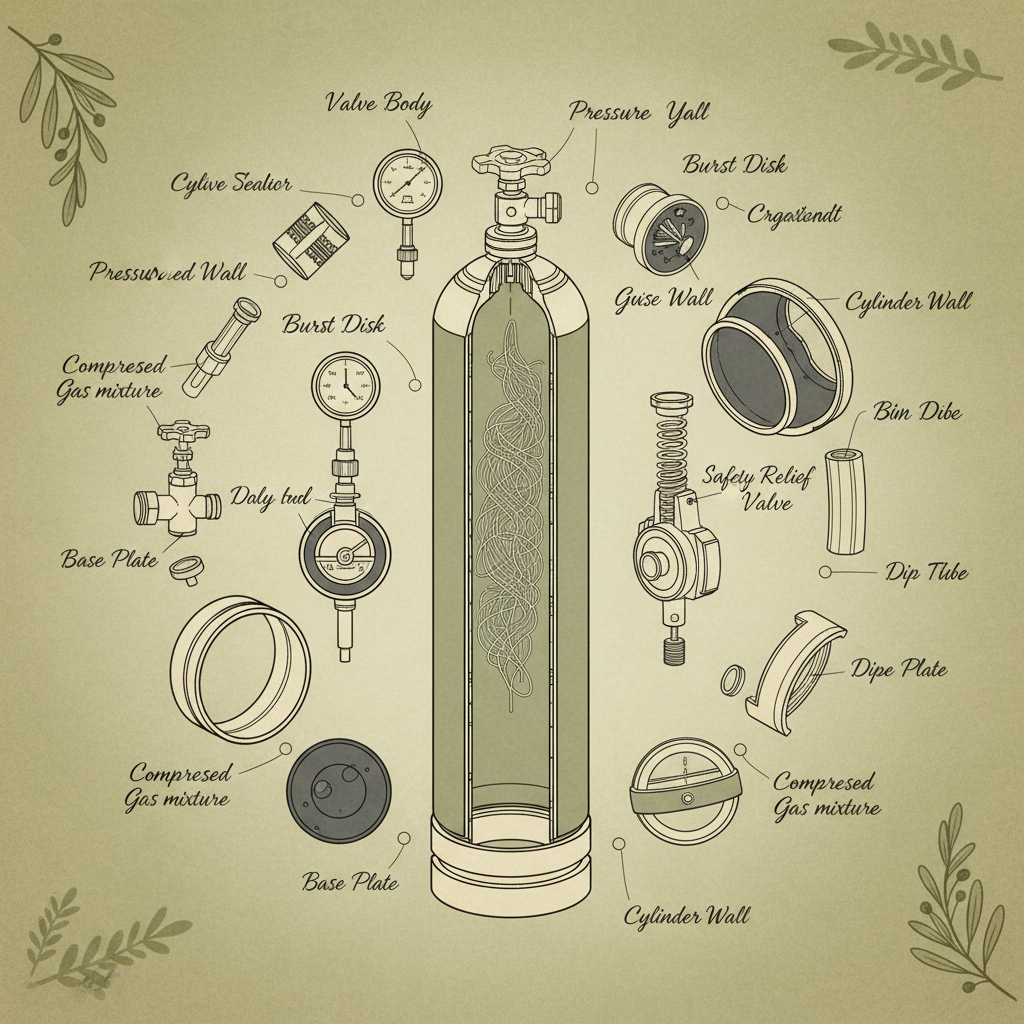
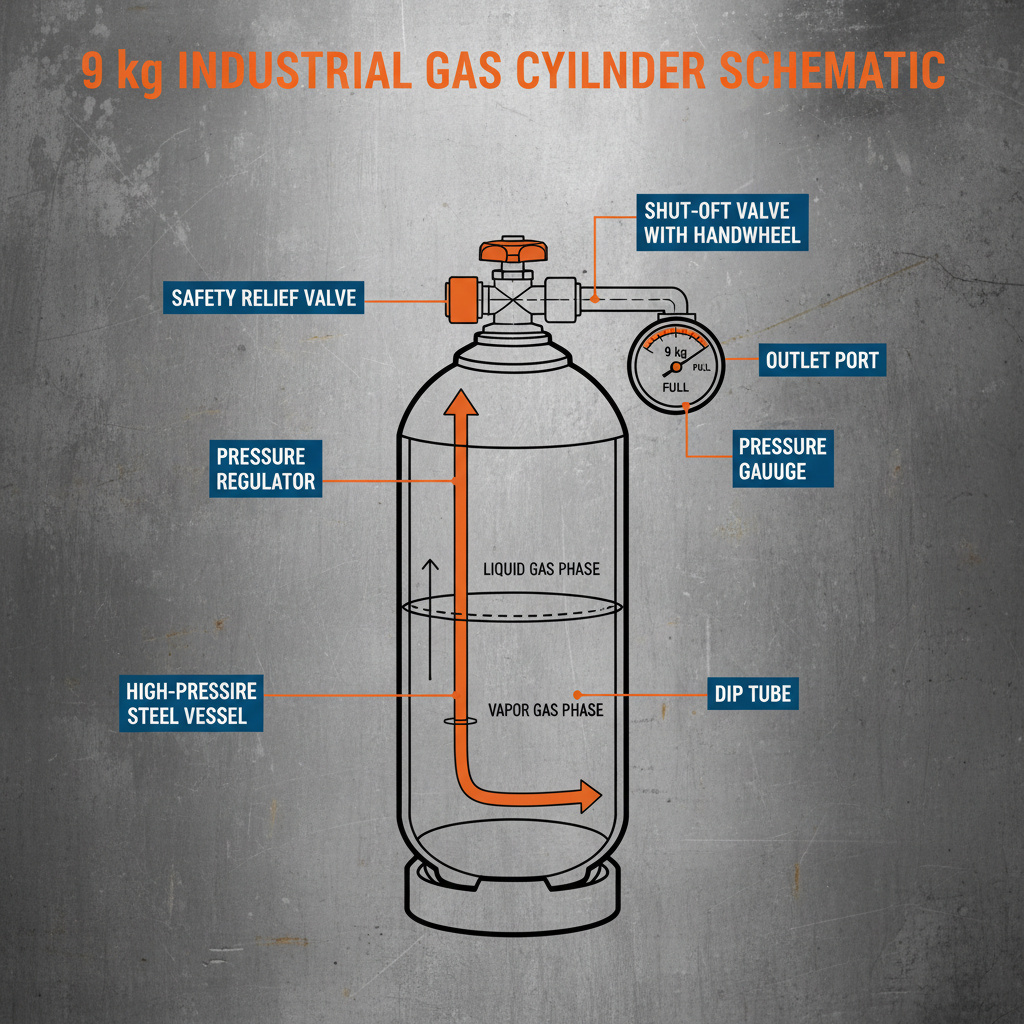
Another thing – valve connections. Seems simple, right? It's not. I've seen so many designs where the valve is awkward to access, or the handwheel is too small to grip with gloves on. Think about the poor guy who has to operate this thing in freezing temperatures!
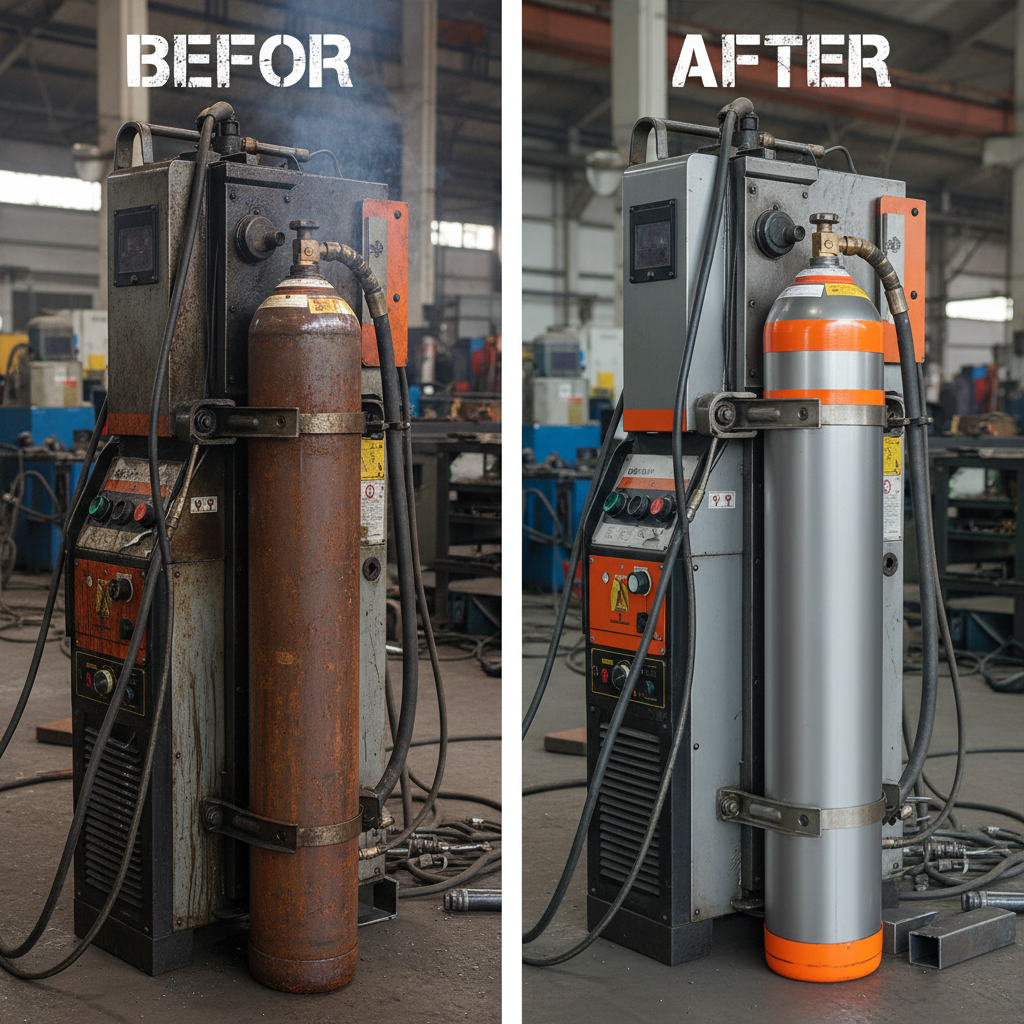
And the paint! Seriously. Cheap paint chips, rust sets in… it's a constant battle. You need a robust coating that can withstand the elements and repeated handling.
Materials: Beyond the Spec Sheet
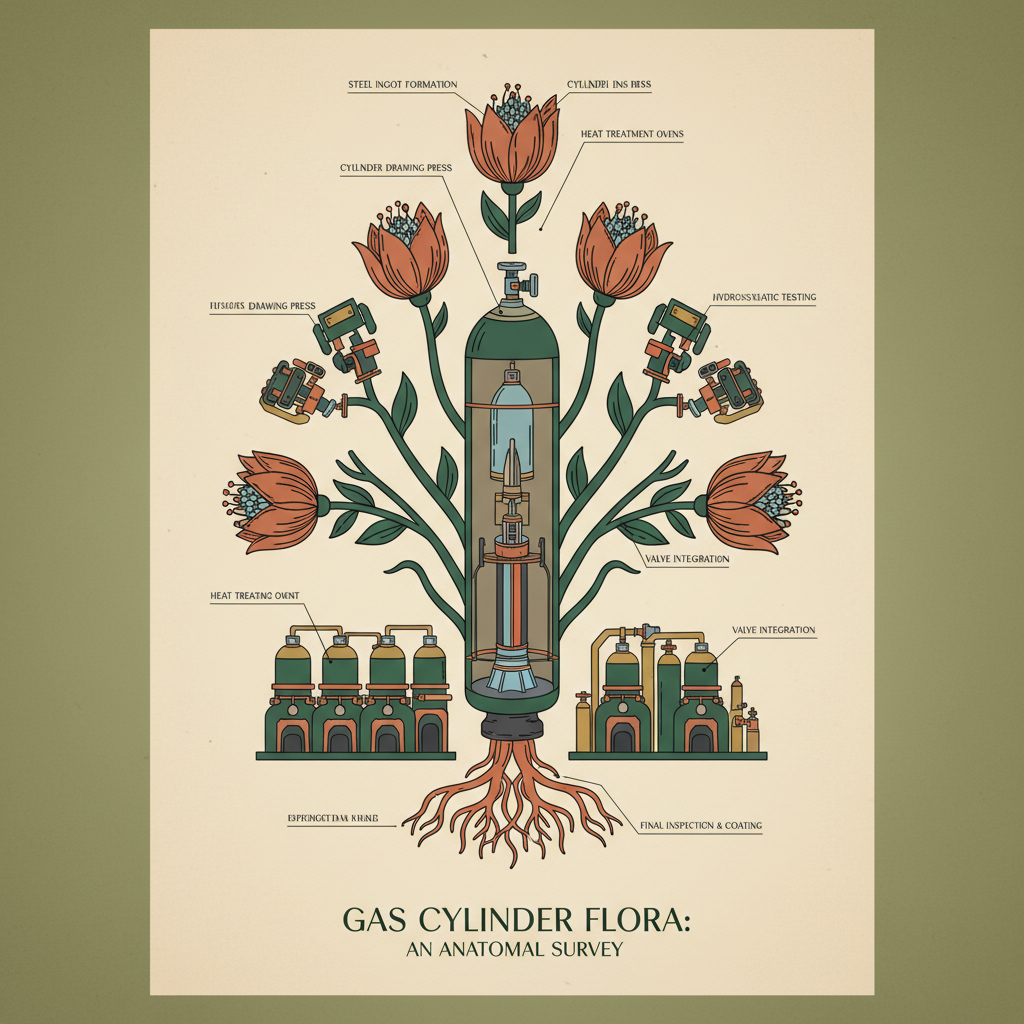
Everyone talks about high-strength steel alloys – 300M, 4140, that sort of thing. And yeah, they're essential. But it’s not just about the grade of steel. It's about how it's processed, the heat treatment, the surface finish. I’ve smelled bad steel, believe it or not – a metallic, almost sour odor. It's a sign of poor manufacturing practices.
Then you've got composite materials – carbon fiber wrapped cylinders. They’re lighter, obviously, which is a huge advantage for portable applications. But they’re more expensive and require specialized handling and inspection. They also don't feel the same. Steel feels… solid. Reliable. Carbon fiber feels… fragile, somehow, even though it isn’t necessarily.
And don’t underestimate the importance of the liner. The inside of the cylinder needs to be compatible with the gas it’s going to contain. Some gases are corrosive, some react with certain materials. You get that wrong, and you’re asking for trouble.
Real-World Testing and Performance
Look, lab testing is important, sure. Burst pressure, fatigue testing, all that jazz. But the real test is out in the field. I remember one time, a manufacturer was bragging about their new cylinder design. They said it could withstand anything. So, I asked them, “Have you ever seen what happens when a forklift accidentally runs over one?” They hadn’t.
We've started doing more drop tests, impact tests, even simulated corrosion tests – leaving cylinders outside in salt spray for months. And we get the guys who use these things – welders, medics, gas delivery drivers – to give us feedback. That's the gold right there.
Gas Cylinder Manufacturing Testing Rigor
Actual User Applications & Unexpected Uses
You think you know how people are going to use these things, but you're often wrong. We designed a small, lightweight cylinder for portable oxygen concentrators. Turns out, a bunch of guys are using them for high-altitude rock climbing. Who knew?
And I've seen cylinders repurposed for everything from homemade beer brewing systems to DIY rocket projects. Seriously. People are inventive.
Advantages, Disadvantages, and the Honest Truth
The obvious advantage? Safety. A properly designed and manufactured cylinder is incredibly safe. And they’re durable. You can beat on these things, and they’ll keep working. The biggest disadvantage? Cost. Especially the specialized alloys and the rigorous testing.
There’s also the weight factor. Steel cylinders are heavy. That’s why composites are gaining traction, despite the higher price. And honestly, the bureaucracy can be a pain. Dealing with DOT regulations, inspections, recertification… it’s a constant headache.
Customization and Special Requests
We get a lot of requests for customization. Last month, a small boss in Shenzhen who makes smart home devices insisted on changing the interface to for his portable oxygen cylinders, he said it matched his brand aesthetic. The result? It added a ridiculous amount of cost and complexity. It worked, sure, but it was completely overkill.
But sometimes, customization is necessary. We had a customer who needed cylinders with a specific valve configuration for a remote research station in Antarctica. They couldn't use standard fittings because of the extreme cold. That was a challenging project, but we got it done.
The key is finding a balance between meeting the customer's needs and maintaining the integrity and safety of the cylinder.
Summary of Common Customization Requests
| Request Type |
Complexity Level |
Cost Impact |
Lead Time Extension |
| Valve Configuration Change |
Medium |
Moderate |
2-4 Weeks |
| Surface Coating/Color |
Low |
Low |
1-2 Weeks |
| Material Specification (Alloy) |
High |
Significant |
6-8 Weeks |
| Cylinder Size/Capacity |
Medium to High |
Moderate to Significant |
4-8 Weeks |
| Custom Labeling/Marking |
Low |
Low |
1 Week |
| Internal Liner Material |
High |
Very Significant |
8-12 Weeks |
FAQS
It varies wildly, depending on the material, the gas contained, and the frequency of testing and maintenance. Generally, steel cylinders have a lifespan of 20-30 years with regular hydrostatic testing. Composite cylinders tend to have a shorter service life, around 15-20 years, because of the degradation of the resin matrix. But it’s not a hard rule. A well-maintained cylinder can last far longer.
In the US, DOT regulations require hydrostatic testing every 5 years for DOT-39 cylinders, and visual inspections annually. Other countries have similar requirements. It’s crucial to stay on top of these inspections. Ignoring them is a safety hazard and a legal liability. I’ve seen operations shut down because of non-compliance.
Right now, it’s supply chain disruptions and the increasing demand for specialized cylinders. Lead times are getting longer, and prices are going up. It's also challenging to verify the quality of cylinders coming from overseas manufacturers. You need to do your due diligence and ensure they meet all the relevant standards.
Look for obvious signs of damage – dents, corrosion, cracks, bulges. Check the valve for leaks. If the cylinder has been exposed to extreme heat or fire, it should be immediately taken out of service. And never attempt to repair a damaged cylinder yourself. Always consult a qualified professional.
Definitely. There’s a lot of research going into new composite materials that are lighter, stronger, and more durable. Also, additive manufacturing (3D printing) is starting to show promise for creating custom cylinder designs. And there's work being done on coatings that can improve corrosion resistance and reduce the need for repainting.
Beyond price and lead time, look for a supplier who has a strong quality control system, a good reputation, and a commitment to safety. Ask about their testing procedures, their certifications, and their experience with your specific application. And don't be afraid to ask for references.
Conclusion
So, where does that leave us? Gas cylinder manufacturing is a surprisingly complex field, driven by safety, regulation, and a constant push for innovation. From material selection to testing protocols, every detail matters. Ultimately, it's about providing reliable and safe containers for a wide range of gases, from life-saving oxygen to industrial essentials.
And honestly, whether this thing works or not, the worker will know the moment he tightens the screw. You can have all the fancy designs and materials in the world, but if it's a pain to use or doesn't feel right, it's not going to get adopted. That’s just how it is.