- boss@happywhip.com
- Mon - Sat at 9:00AM to 6:00PM
Look, I’ve been running around construction sites for fifteen years. Fifteen years! You see a lot, you smell a lot… mostly dust and welding fumes, to be honest. Lately, everyone’s talking about prefabricated building components, modular construction, that kind of thing. It’s not new, we dabbled with it back in the early 2000s, but the materials are getting better, the tolerances are tighter, and, crucially, the prices are finally starting to come down. People want speed, they want less waste, and they want to reduce reliance on skilled labor, which, let me tell you, is getting harder and harder to find.
It’s a good trend, I think. But there’s a lot of hype, and a lot of places where things can go wrong. Have you noticed how everyone gets fixated on the look of these things? All sleek lines and fancy renderings. That’s fine, but if the connection details aren’t rock solid, it doesn’t matter how pretty it is. I encountered this at a factory in Foshan last time, they were making these pre-fabricated bathroom pods, beautiful things. But the flanges on the water pipes were brittle plastic, just snapped during transport. Snap! A whole shipment delayed.
And it’s not just the plastic bits. We’re using a lot more high-strength steel these days, stuff like S355J2. Feels different, heavier, colder to the touch than the older grades. You can smell the oil on it when you cut it, that’s a good sign, means it’s been properly treated. Then there’s the concrete – self-compacting concrete, fiber-reinforced concrete… it’s all about reducing labor, improving strength, and making things easier to pour. But you gotta be careful with the admixtures, too much and it sets too fast, too little and it’s a soupy mess.
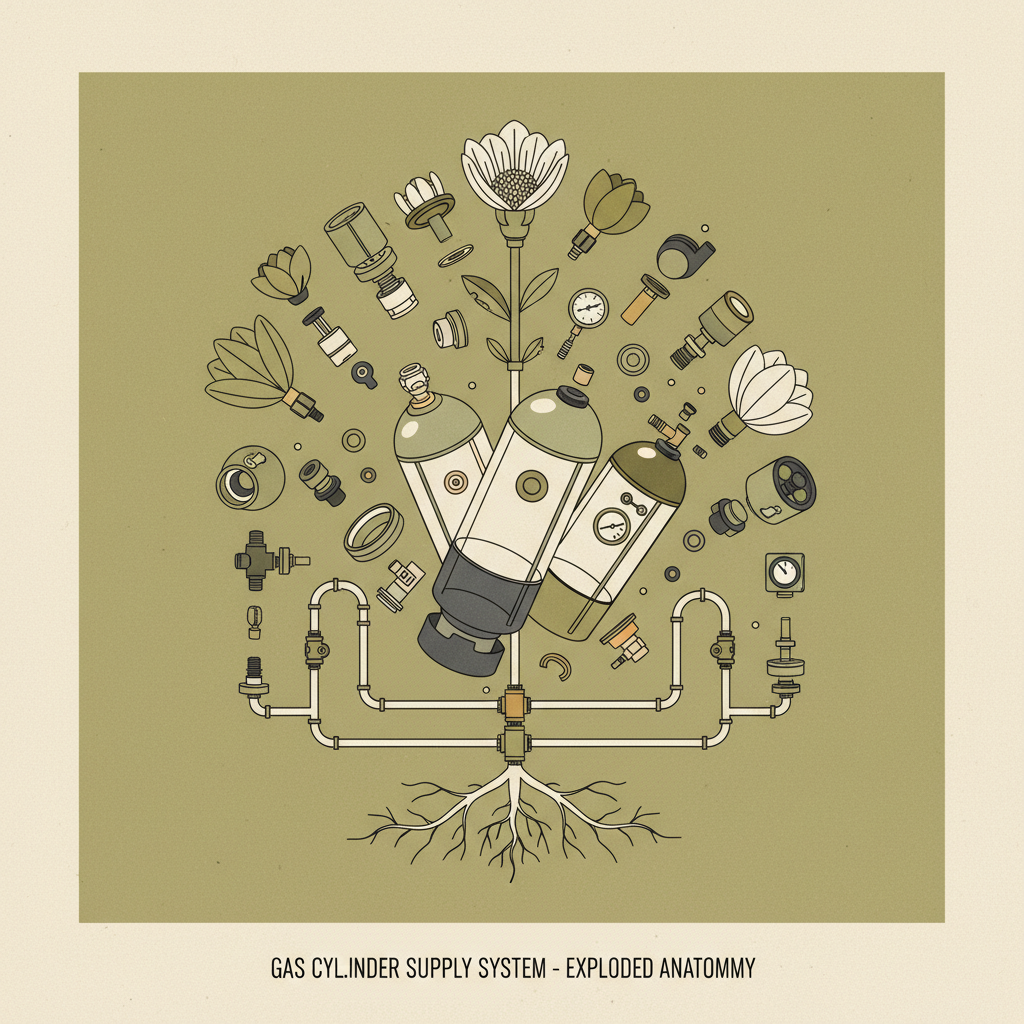
Strangely enough, the biggest problem I see isn’t technical, it’s communication. The architects design something beautiful, the engineers figure out how to make it stand up, and the fabricators are left to actually build the thing. And often, those three groups aren’t talking to each other enough. You get these designs that look amazing on paper, but are a nightmare to assemble on site. Think ridiculously tight tolerances, or interfaces that require three guys and a crane to connect. It’s a mess. Anyway, I think modular is the way forward, but we need better collaboration.
The push for sustainability is real, too. Everyone's asking about recycled materials, low-VOC finishes, and reducing carbon footprint. It's good, it's necessary, but sometimes it adds cost and complexity. You have to balance the environmental benefits with the practical realities of a project. You can’t just swap out steel for bamboo and expect everything to work perfectly.
Honestly? Mindset. Getting people to move away from traditional building methods is tough. There’s also the upfront investment – setting up a prefabrication facility isn’t cheap. And transportation logistics can be a nightmare, especially for large components. Plus, you’ve got to deal with local building codes, which aren't always geared towards modular construction. It's a lot to juggle.
Strict inspections, that’s the key. We inspect everything at every stage of the process, from the raw materials to the finished components. We use non-destructive testing methods like ultrasonic testing and radiographic testing to check for defects. And we have a team of quality control engineers who are constantly monitoring the production line. We also have a strict documentation process, so we can track every component back to its origin.
It can be, but it’s not automatic. You have to make conscious choices. Using recycled materials, reducing waste, minimizing transportation distances – all of those things contribute to sustainability. It’s also about designing for disassembly, so that the components can be reused or recycled at the end of their life. If you just build a prefab building with the same old materials and the same old methods, you're not really gaining anything.
That depends on the size and complexity of the project, but generally, it’s faster than traditional construction. We can usually get a simple project up and running in a few months, whereas a comparable traditional building might take a year or more. The key is to get the design finalized and the materials ordered early on. Delays happen, of course, but we try to minimize them.
It's a tricky question. Upfront, it can be more expensive, especially if you're doing a small project. But over the long run, it can be cheaper. You save on labor costs, you reduce waste, and you can often complete the project faster, which means you start generating revenue sooner. It really depends on the specific project and the market conditions.
It’s more challenging than with traditional construction, but it’s not impossible. You have to plan for future modifications from the beginning. Designing modular buildings with flexible connection points and standardized components makes it easier to add or remove sections. However, significant structural changes can be costly and time-consuming. It’s something to consider during the design phase.
So, where does all this leave us? Prefabricated and modular construction is gaining traction, driven by the need for speed, efficiency, and sustainability. It's not a silver bullet, there are still challenges to overcome, but the potential benefits are significant. We’re seeing better materials, smarter designs, and more sophisticated manufacturing processes. The key is to embrace collaboration, prioritize quality control, and adapt to the changing needs of the market.
Ultimately, whether this thing works or not, the worker will know the moment he tightens the screw. If it feels right, if it fits snugly, if it doesn't crack under pressure… then you know you’ve got something good. And that’s what matters, at the end of the day.