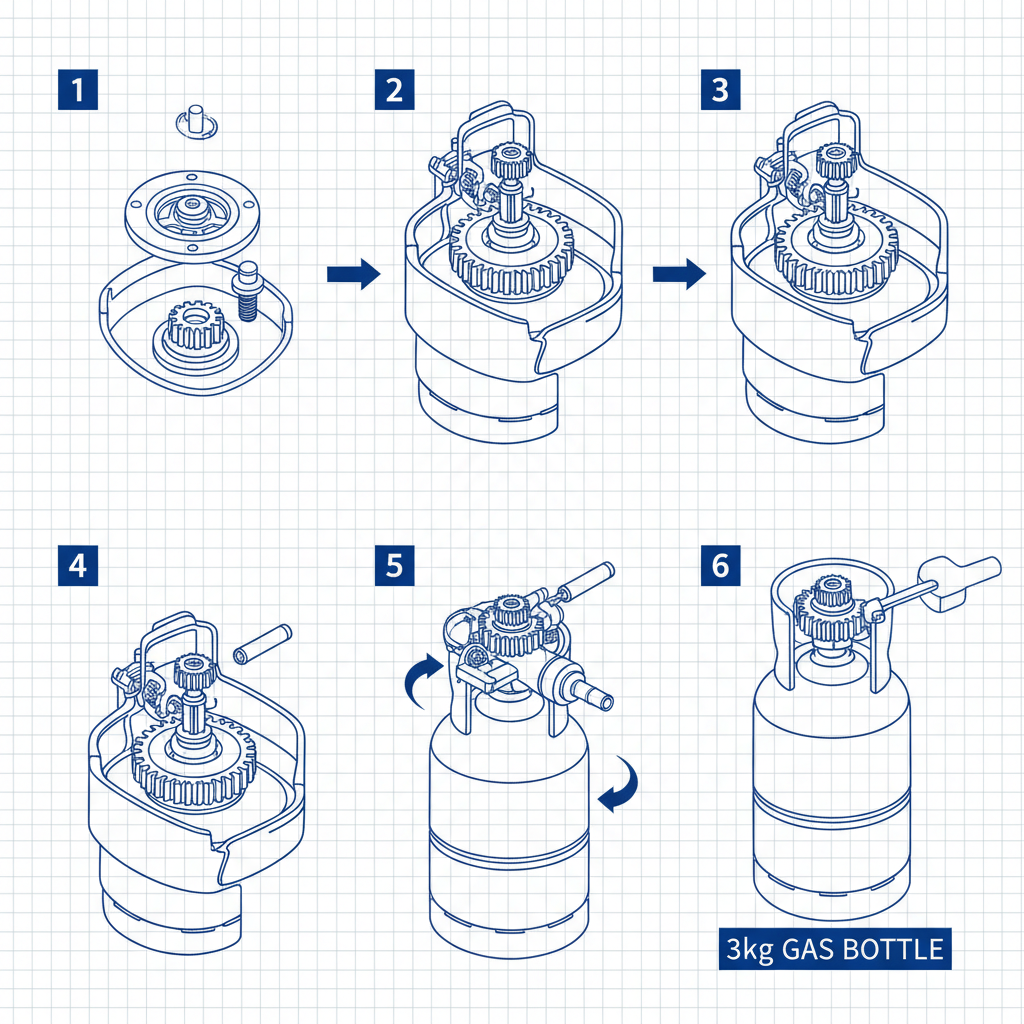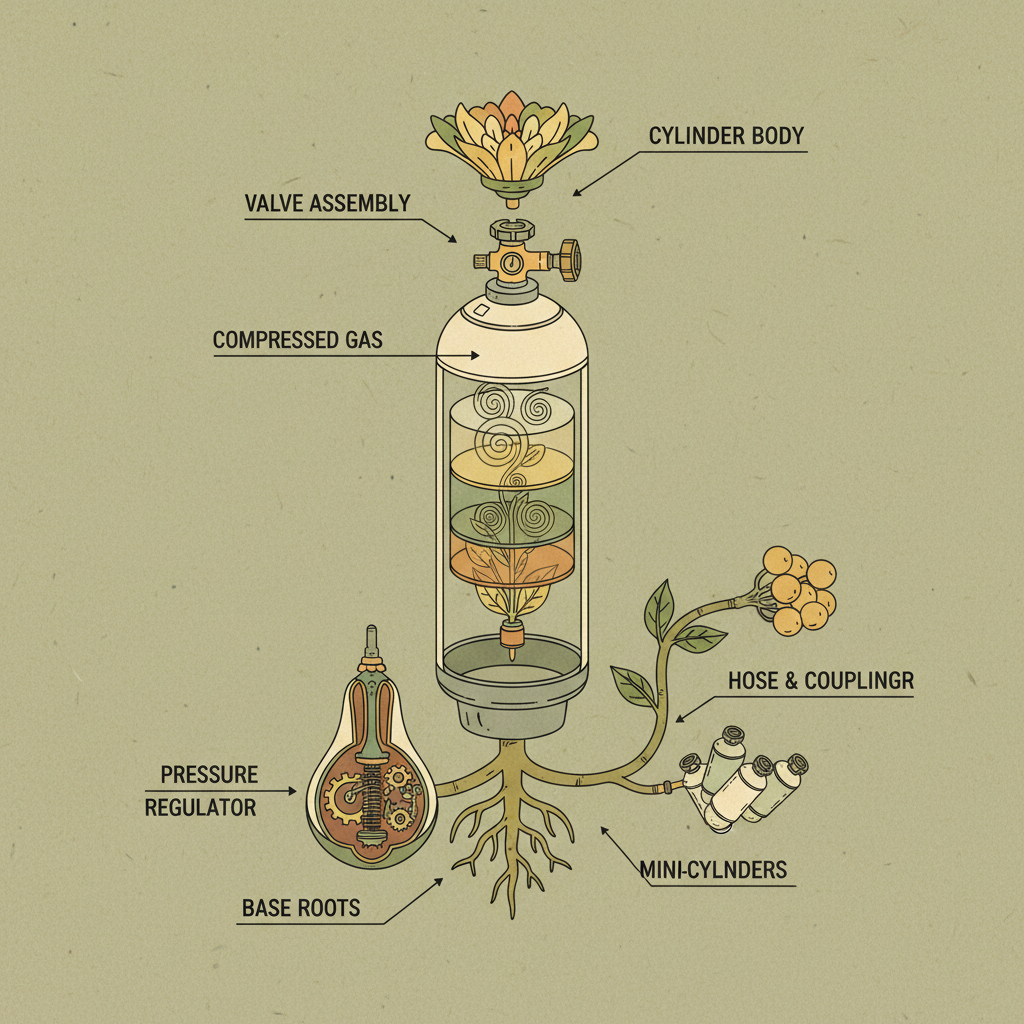
When evaluating the mini cylinder price, professional culinary and industrial users are typically looking for a balance between initial investment and long-term operational efficiency. In the context of N2O cream chargers, "mini cylinders" refer to high-capacity refillable tanks—such as the 3.3L carbon steel model—that replace hundreds of small, single-use cartridges to lower the cost per serving.
For high-volume businesses like bakeries, coffee shops, and catering services, the procurement of gas cylinders is not just about the unit price, but about reducing downtime and minimizing waste. The shift toward larger, refillable carbon steel cylinders represents a strategic move to optimize supply chains in the food and beverage grade gas industry.
This comprehensive analysis will explore the factors influencing mini cylinder pricing, the technical specifications of heavy-duty carbon steel chargers, and how to determine the best return on investment for your specific business scale. Readers will gain insights into selection criteria, safety standards, and cost-saving strategies for gas procurement.

1Understanding the Value of High-Capacity Mini Cylinders

A high-capacity mini cylinder, such as the 3.3L carbon steel version, is engineered for industrial-scale culinary applications. Unlike the standard 8g disposable chargers, these cylinders act as a centralized gas reservoir, delivering a massive amount of Nitrous Oxide (N2O) through a pressure regulator. This design fundamentally changes the cost structure for the user, shifting the focus from "cost per cartridge" to "cost per liter of gas."
The primary value lies in the reduction of logistical overhead. For a busy restaurant, replacing a single 3.3L cylinder is significantly faster than managing hundreds of small cartridges. This improves the overall kitchen workflow, especially during peak hours where speed and consistency in whipping cream or creating foams are critical.
Furthermore, the use of carbon steel ensures that the cylinder can withstand high internal pressures safely. By utilizing a refillable system, businesses can secure bulk gas pricing from suppliers, further driving down the operational costs associated with food-grade N2O.
2Technical Specifications of Carbon Steel Chargers
The performance of a mini cylinder is dictated by its material and build quality. A standard 3.3L professional charger typically features a diameter of 118mm and a height of 367mm. Constructed from high-strength carbon steel, it is designed to hold a gas filling weight of approximately 2000g of food-grade N2O with a purity level of 99.9% (E942 standard).
The integrity of the cylinder is maintained through strict pressure testing and ISO9001 quality management systems. Essential accessories, such as safety valves and muffle nozzles, are integrated to prevent accidental leaks and ensure a controlled release of gas when connected to a dispenser.
Customization options often include branding (OEM/ODM) and specialized flavors, allowing enterprises to align the product with their own brand identity. The carbon steel body provides the necessary durability for transport and repeated refills, making it a long-term asset rather than a disposable expense.
3Industrial Applications and Workflow Integration
In professional pastry shops and bakeries, the 3.3L mini cylinder is indispensable for whipping large volumes of cream for cakes and tarts. The ability to maintain a consistent flow of N2O ensures that the texture of the cream remains uniform across hundreds of servings, which is nearly impossible to achieve with small cartridges during a high-volume shift.
Fine dining establishments utilize these cylinders to create complex molecular gastronomy foams and emulsions. Because the gas is delivered via a regulator, chefs have precise control over the aeration process, allowing for the creation of delicate mousses that enhance both the presentation and flavor profile of the dish.
Beyond the kitchen, bartenders use these systems for rapid alcohol infusions and cocktail foams. For catering companies managing weddings or festivals, the large capacity ensures uninterrupted service, reducing the need for frequent cylinder swaps and minimizing the risk of running out of gas during a critical event.
4Comparative Performance and ROI Analysis
When analyzing the return on investment (ROI), the mini cylinder price must be compared against the cumulative cost of disposable chargers. While the initial purchase of a 3.3L carbon steel tank is higher, the cost per gram of N2O is substantially lower. This creates a "break-even point" that is typically reached very quickly in high-volume environments.
Operational efficiency also contributes to ROI. The reduction in labor time spent replacing small cartridges and the decrease in storage space required for bulk boxes of disposables lead to indirect cost savings that are often overlooked during initial procurement.
mini cylinder price Performance Metrics
As shown in the performance metrics, the shift to a high-capacity system significantly boosts capacity and cost-efficiency. By optimizing the gas delivery chain, businesses can reduce their overall expenditure on consumables while increasing their output capacity, which is vital for scaling operations.
5Procurement Guide: Factors Affecting Unit Price
Several variables influence the mini cylinder price. First is the material quality; high-grade carbon steel is the industry standard for balancing strength and cost. Second is the certification level; cylinders complying with COA, MSDS, and Food-Grade certifications may carry a premium but are essential for legal compliance in food service.
Order volume is another critical factor. Source factory direct supply, such as that provided by Zhuzhou XingYe Chemical Co., Ltd, allows businesses to bypass intermediaries and obtain competitive pricing through OEM/ODM solutions. Bulk orders often trigger significant discounts on both the cylinder and the gas refills.
Finally, the inclusion of accessories—such as bottom holders, safety valves, and customized branding—will affect the final quote. Procurement teams should request a comprehensive breakdown of costs to ensure they are receiving a complete, ready-to-use solution rather than just a bare tank.
6Safety Compliance and Environmental Sustainability
Safety is the highest priority when dealing with pressurized gases. Professional mini cylinders are engineered with safety valves to prevent over-pressurization. Users must store these cylinders in cool, dry environments and avoid exposure to direct heat to maintain the structural integrity of the carbon steel.
From an environmental perspective, the refillable 3.3L model is a sustainable alternative to the "throw-away" culture of 8g cartridges. A single large cylinder replaces hundreds of small steel pieces, drastically reducing the amount of metal waste entering landfills and lowering the carbon footprint associated with shipping thousands of small units.
Compliance with international safety standards, including ISO9001, ensures that each unit has undergone rigorous pressure testing. By choosing certified manufacturers, businesses mitigate the risk of leaks or ruptures, ensuring a safe working environment for their staff and customers.
7Selection Matrix: Choosing the Right Cylinder Size
Selecting the right cylinder depends on the daily volume of cream or foam produced. While 8g chargers are suitable for home use, and 600g tanks are good for small cafes, the 3.3L (2000g) model is specifically designed for industrial-scale output. The decision should be based on the frequency of refills your staff can manage.
A comparison of different capacities reveals that as the cylinder size increases, the cost-per-serving decreases, but the physical footprint and handling requirements increase. For most professional kitchens, the 3.3L model provides the optimal balance of capacity and portability.
| Cylinder Type | Best Use Case | Main Strength | Primary Limitation |
|---|---|---|---|
| 8g Cartridge | Home/Small Cafe | Ultra-portable | High cost per serving |
| 600g Series | Medium Cafe | Balanced size | Frequent refills needed |
| 2000g (3.3L) | Industrial Bakery | Maximum efficiency | Requires regulator |
| Carbon Steel | Heavy Duty | High durability | Heavier weight |
| Aluminum | Light Duty | Corrosion resist | Lower pressure limit |
| Custom OEM | Brand Building | Market identity | Higher initial setup cost |
In summary, the 3.3L carbon steel charger is the most cost-effective solution for enterprises prioritizing high output and reliability. When evaluating the mini cylinder price, consider the total lifecycle of the product, including refill costs and the reduction in labor time.
Frequently Asked Questions
Conclusion
Optimizing the mini cylinder price is about moving beyond the initial purchase cost and focusing on the total cost of ownership. For professional culinary operations, the 3.3L carbon steel cream charger offers an unmatched combination of high capacity, safety, and environmental sustainability, making it the superior choice for those seeking to scale their production without increasing their per-unit costs.
By integrating these high-capacity systems, businesses can streamline their workflow and reduce their environmental impact. For procurement teams evaluating suitable gas solutions and cylinder specifications, detailed product information and competitive pricing can be reviewed at www.whipways.com.