- boss@happywhip.com
- Mon - Sat at 9:00AM to 6:00PM

Understanding Compressed Gas Cylinder Dimensions for Safe and Efficient Operations
Understanding Compressed Gas Cylinder Dimensions
Compressed gas cylinders are integral to numerous industries, from healthcare and manufacturing to research and beyond. Choosing the right cylinder involves understanding its various dimensions, including length, diameter, and wall thickness. These dimensions are crucial for safety, portability, and compatibility with equipment. This article will delve into the intricacies of compressed gas cylinder dimensions, helping you make informed decisions for your specific needs. Understanding these dimensions is not only about fitting the cylinder to your apparatus but also ensuring regulatory compliance and safe handling procedures.
Key Dimensions of Compressed Gas Cylinders
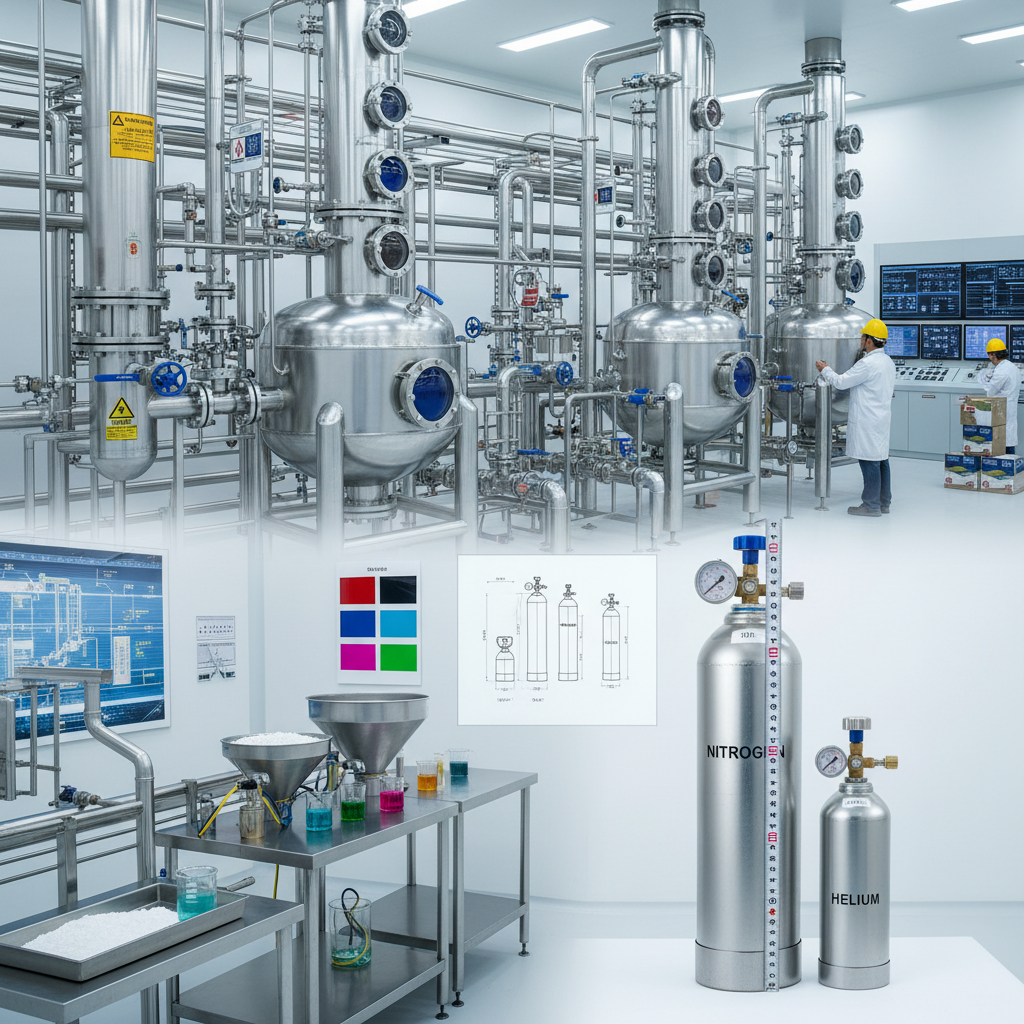
Several key dimensions define a compressed gas cylinder. The length is the overall height of the cylinder, while the diameter represents its width. The wall thickness is a critical safety parameter, influencing the cylinder’s ability to withstand internal pressure. The neck diameter and valve outlet connection are also important for compatibility with regulators and other equipment. Furthermore, cylinder weight (both tare and gross) needs consideration for handling and transportation. These dimensions, combined with the cylinder's material and manufacturing standards, determine its maximum allowable working pressure (MAWP). Accurate dimension data is paramount for safe operation and regulatory adherence, particularly when dealing with high-pressure gases.
Key Highlights: Understanding cylinder dimensions is vital for safe handling, regulatory compliance, and compatibility with equipment.
Common Compressed Gas Cylinder Sizes and Dimensions
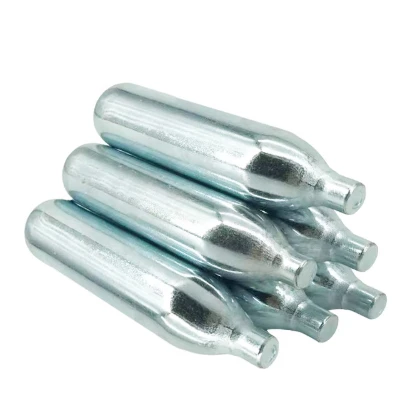
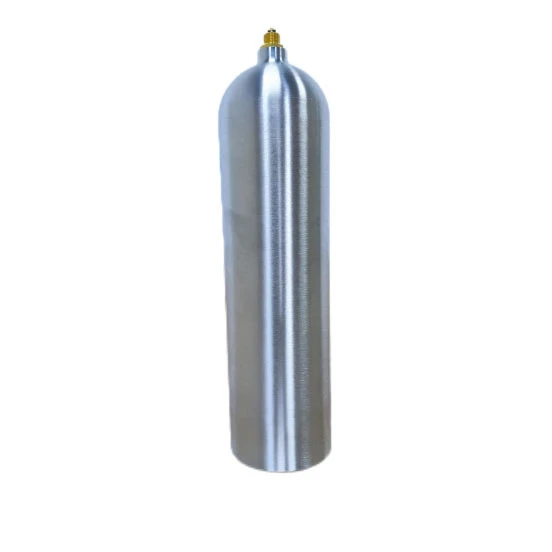
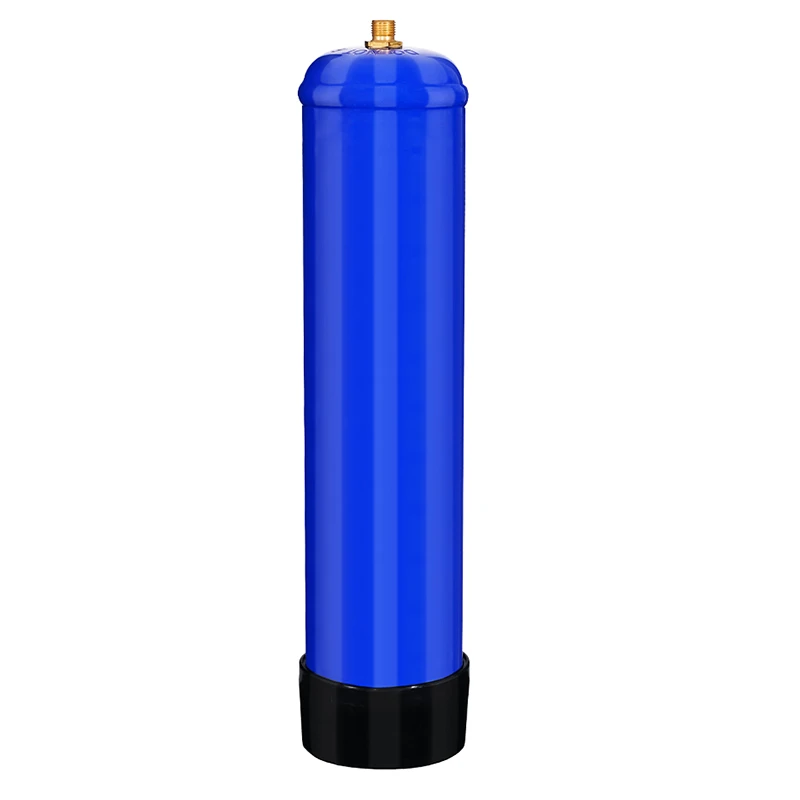
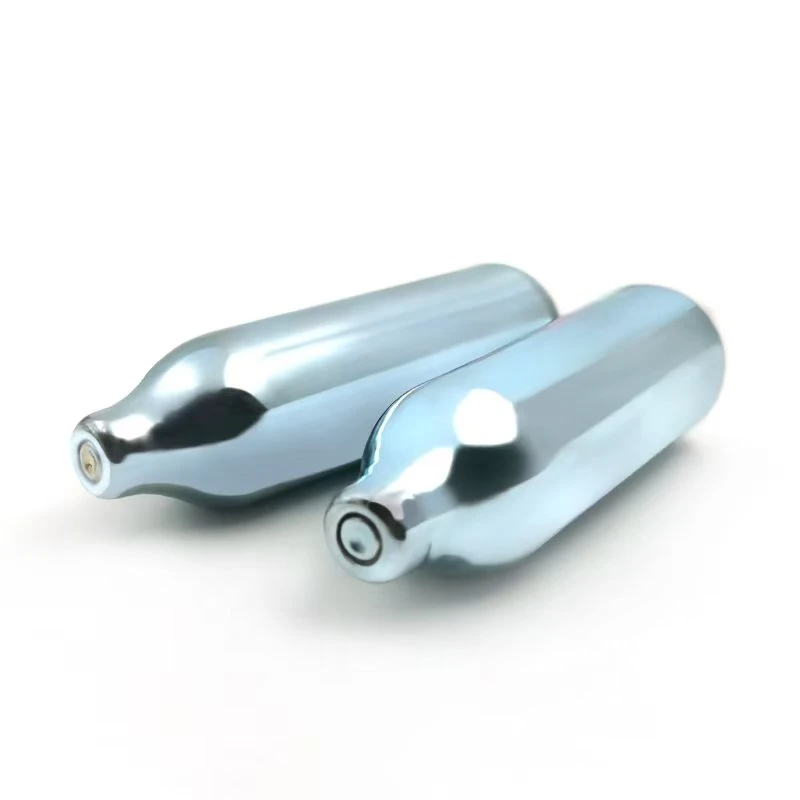
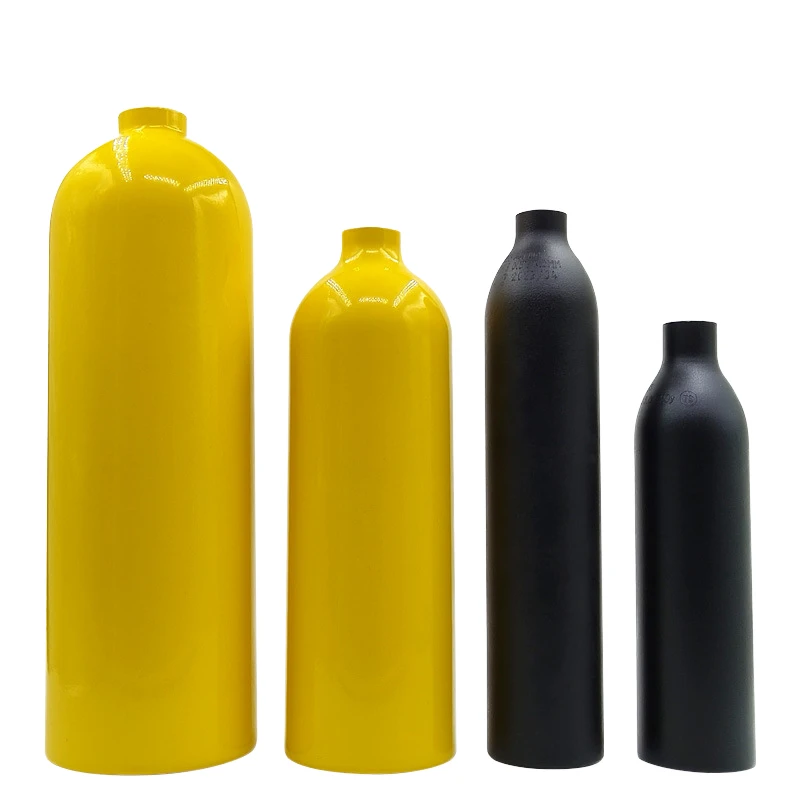
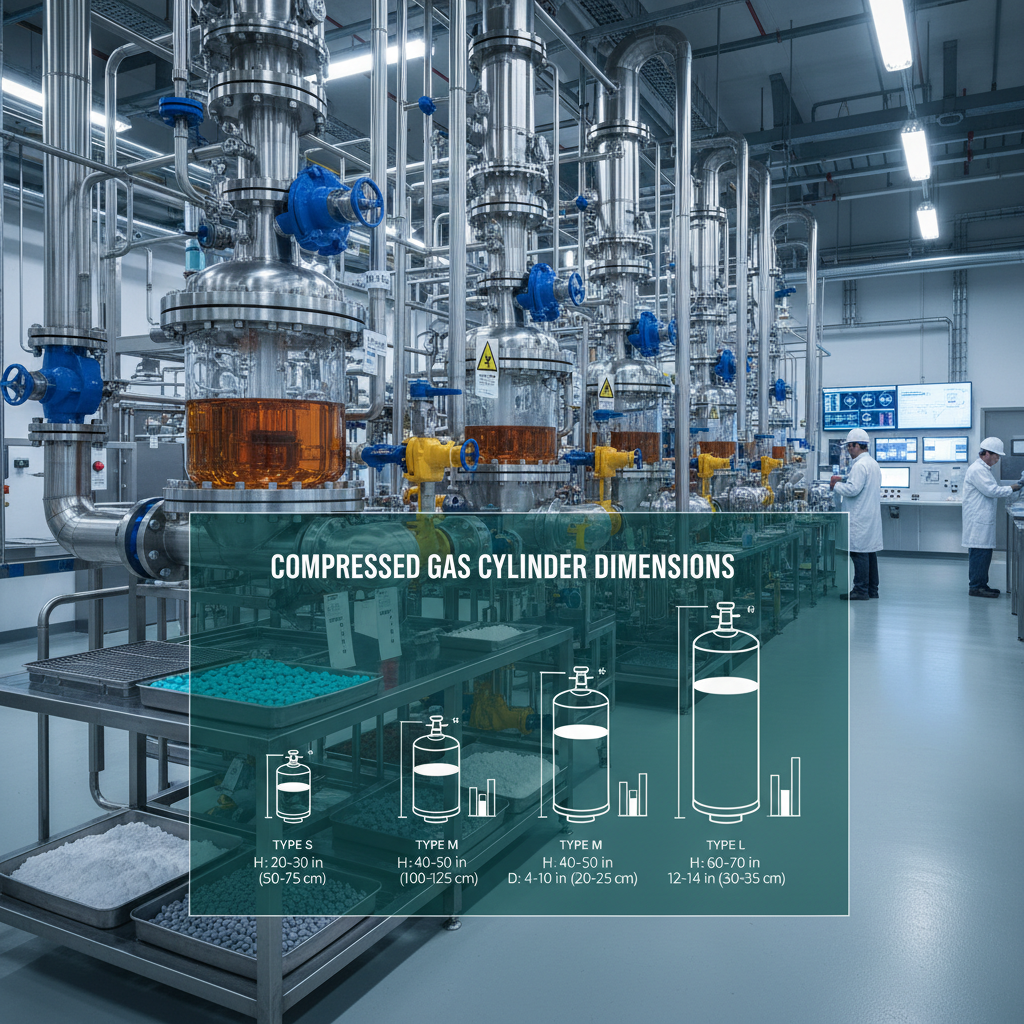
Compressed gas cylinders come in various sizes to accommodate different gas volumes and applications. Smaller cylinders, like those used for portable oxygen or welding gases, typically hold less than 100 cubic feet. Larger cylinders, commonly found in industrial settings, can contain thousands of cubic feet. Below is a table showcasing common cylinder sizes and their approximate dimensions. Please note these are approximate and can vary slightly between manufacturers. Whipway offers a comprehensive range of cylinders conforming to industry standards.
Impact of Cylinder Dimensions on Transportation and Handling
The dimensions of compressed gas cylinders directly impact their transportation and handling requirements. Larger cylinders necessitate specialized equipment for safe movement, such as hand trucks or forklifts. Smaller cylinders are more portable but may require securing during transport to prevent rolling or damage. Regulations governing the transportation of compressed gases, like those from the Department of Transportation (DOT), often specify requirements based on cylinder size and gas type. Furthermore, cylinder dimensions influence storage space requirements in facilities. Efficient space utilization is vital for maintaining a safe and organized work environment. Proper labeling and securing mechanisms are also crucial, ensuring easy identification and preventing accidental damage during handling.
Compressed Gas Cylinder Dimensions and Regulatory Compliance
Adhering to regulatory standards is non-negotiable when dealing with compressed gases. Organizations like the DOT and OSHA (Occupational Safety and Health Administration) establish guidelines for cylinder design, manufacturing, inspection, and use. These regulations often specify minimum wall thickness, maximum allowable working pressure, and required markings. Cylinder dimensions are a critical component of compliance. Regular inspections, hydrostatic testing, and adherence to proper handling procedures are essential for maintaining safety and avoiding penalties. Whipway ensures its cylinders meet or exceed all relevant regulatory requirements, providing customers with peace of mind.
Selecting the Right Cylinder Dimensions for Your Application
Choosing the appropriate cylinder dimensions involves carefully considering your application’s specific requirements. Factors to consider include the gas volume needed, the duration of use, portability needs, and available storage space. For applications requiring frequent relocation, smaller cylinders are generally preferred. For high-volume applications, larger cylinders may offer cost savings and reduced refill frequency. It’s also vital to assess the compatibility of the cylinder dimensions with your existing equipment, such as regulators and manifolds. Consulting with a gas supply specialist can help you determine the optimal cylinder dimensions for your specific needs.
Conclusion: Optimizing Safety and Efficiency with Proper Cylinder Dimension Selection
Understanding compressed gas cylinder dimensions is paramount for safety, efficiency, and regulatory compliance. By carefully considering your application’s needs and selecting the appropriate cylinder size, you can minimize risks, optimize resource utilization, and ensure a productive work environment. Prioritize safety and choose a reputable supplier like Whipway to guarantee quality and adherence to industry standards.
Frequently Asked Questions (FAQs)
What is the significance of the tare weight on a compressed gas cylinder?
The tare weight represents the weight of the empty cylinder. It's crucial for calculating the amount of gas remaining in the cylinder. To determine the net weight of the gas, you subtract the tare weight from the gross weight (the weight of the filled cylinder). Knowing the net weight is essential for accurate gas usage tracking and safety assessments. The tare weight is stamped on the cylinder itself, typically near the neck. A cylinder’s tare weight can vary based on its size, material, and construction.
How often should compressed gas cylinders be inspected?
Compressed gas cylinders should be visually inspected before each use. This inspection should include checking for dents, corrosion, damage to the valve, and proper labeling. More thorough inspections, including hydrostatic testing, are required periodically – typically every 5 to 10 years, depending on the gas and cylinder type. These hydrostatic tests verify the cylinder’s ability to withstand its maximum allowable working pressure. Recordkeeping of inspections and testing is vital for maintaining compliance.
What safety precautions should be taken when handling compressed gas cylinders?
Several precautions are vital. Always secure cylinders in an upright position using chains or straps to prevent them from falling. Never drop or subject cylinders to physical shock. Store cylinders in a well-ventilated area, away from heat sources and combustible materials. Use appropriate regulators and fittings specifically designed for the gas being used. Wear appropriate personal protective equipment (PPE), such as gloves and safety glasses. Always follow the manufacturer's recommendations and relevant safety regulations.
Where can I find more information about compressed gas cylinder regulations?
You can find comprehensive information from several sources. The Department of Transportation (DOT) publishes regulations in Title 49 of the Code of Federal Regulations (49 CFR). OSHA provides workplace safety guidelines on its website (www.osha.gov). The Compressed Gas Association (CGA) offers valuable resources and publications related to compressed gas safety and handling. Additionally, your gas supplier, like Whipway, can provide guidance and support.
-
Top Gas Cylinder Manufacturer for Industrial Safety and QualityNewsApr.16,2026
-
Sourcing High Quality Gas Cylinder China Procurement GuideNewsApr.09,2026
-
Find Reliable and Certified Gas Cylinder Suppliers for Your Business NeedsNewsApr.07,2026
-
Comprehensive Guide to Selecting Reliable Bottle Gas Suppliers for Your BusinessNewsApr.04,2026
-
Why N2O Cream Whipper Is Essential For Modern Kitchens And Dessert BusinessesNewsMar.24,2026
-
Whipped Cream Chargers: Elevating Culinary Creations with Precision and EaseNewsMar.12,2026
-
Comprehensive Guide to Chlorine Cylinder Dimensions for Safe Industrial UseNewsMar.04,2026