- boss@happywhip.com
- Mon - Sat at 9:00AM to 6:00PM

Top Gas Cylinder Manufacturer for Industrial Safety and Quality
Choosing the Right Gas Cylinder Manufacturer for Industrial Safety
Selecting a reliable gas cylinder manufacturer is one of the most critical decisions for any industrial operation. High-pressure gas storage requires precision engineering, stringent quality control, and adherence to international safety standards to prevent catastrophic failures. Whether you are in the medical, chemical, or energy sector, the integrity of your storage vessels directly impacts operational efficiency and worker safety. In this guide, we will explore the essential criteria for evaluating manufacturers and how to ensure your equipment meets the highest global benchmarks.
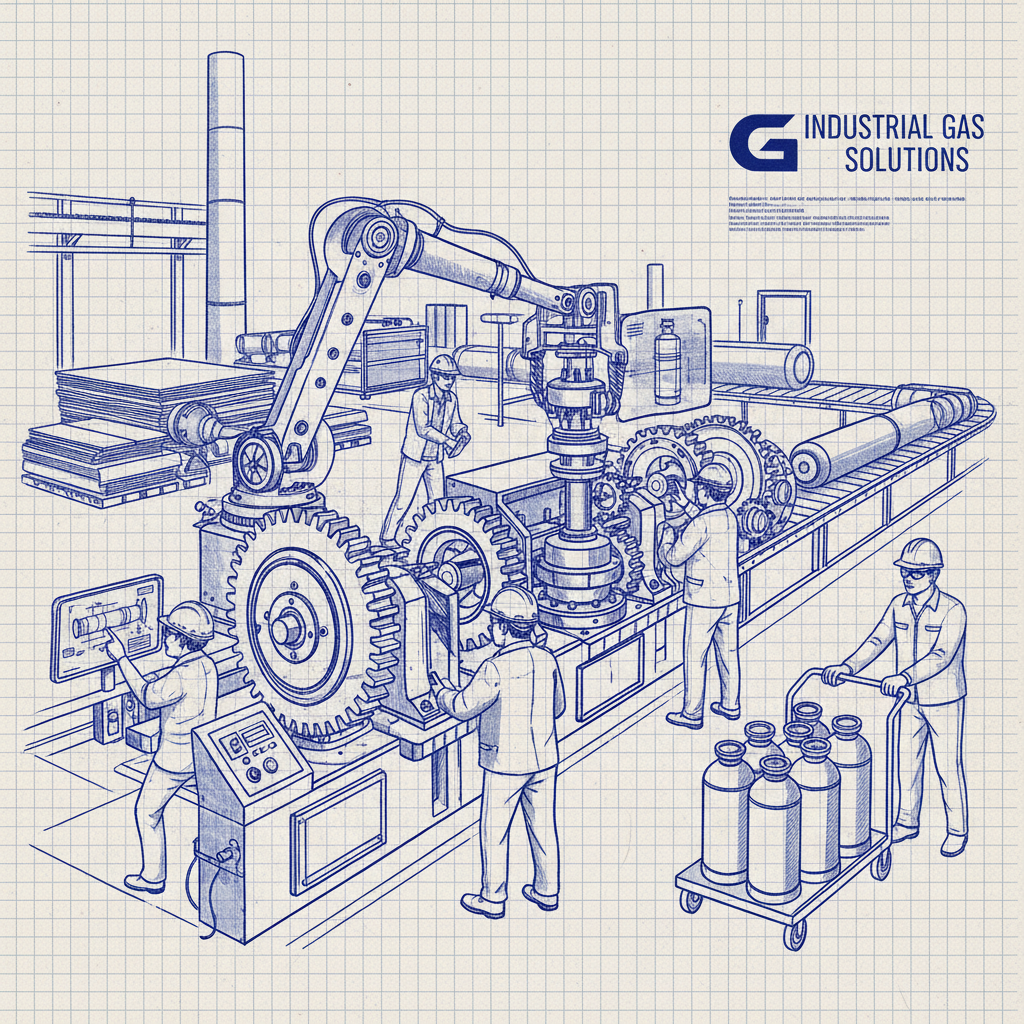
Material Excellence in Gas Cylinder Manufacturing
The foundation of a safe cylinder lies in its material. A professional gas cylinder manufacturer utilizes high-grade seamless steel, aluminum, or composite materials depending on the gas properties and environmental conditions. Seamless steel is preferred for high-pressure industrial gases due to its immense strength, while aluminum is ideal for oxygen or specialty gases where weight reduction and corrosion resistance are priorities. Advanced composites are now gaining traction for their extreme lightweight properties and fatigue resistance, reducing transport costs and improving handling safety.
Pro Tip: Always verify the metallurgical certifications of the materials used. A reputable manufacturer provides full traceability from the raw ingot to the finished product.
Essential Quality Certifications for a Gas Cylinder Manufacturer
Compliance is not optional when dealing with pressurized vessels. A top-tier gas cylinder manufacturer must adhere to global standards such as ISO 9001 for quality management and DOT (Department of Transportation) or TPED (Transportable Pressure Equipment Directive) for transport safety. These certifications ensure that every cylinder has undergone rigorous hydrostatic testing and heat treatment. Without these stamps of approval, equipment can lead to legal liabilities and severe safety hazards in the workplace.
Comparing Cylinder Types: Steel vs. Aluminum vs. Composite
Different applications require different storage solutions. When partnering with a gas cylinder manufacturer, it is vital to understand the trade-offs between materials. Steel offers durability and cost-effectiveness, while aluminum provides a balance of weight and rust prevention. Composites represent the cutting edge of technology, offering the lowest weight and highest strength-to-weight ratio, though at a higher initial cost.
Advanced Testing Processes in Production
A professional gas cylinder manufacturer doesn't just produce; they validate. Every unit must undergo Hydrostatic Testing, where the cylinder is filled with water and pressurized beyond its working limit to ensure no leaks or deformations occur. Additionally, Ultrasonic Testing (UT) and X-Ray inspection are used to detect internal flaws or wall thickness inconsistencies that are invisible to the naked eye. This rigorous approach ensures that every cylinder delivered to the client is a "zero-defect" product.
Product Specifications and Technical Range
When requesting a quote from a gas cylinder manufacturer, having a clear understanding of technical specifications is key. This includes the working pressure, water capacity, and the type of valve connection required. Below is a sample specification table for standard industrial cylinders commonly provided by leading manufacturers.
Conclusion: Ensuring Long-Term Safety with a Trusted Partner
Investing in a high-quality gas cylinder manufacturer is an investment in the longevity and safety of your business. By focusing on material quality, international certifications, and rigorous testing protocols, you can mitigate risks and ensure a seamless supply chain. Whether you need standard industrial tanks or custom high-pressure solutions, choosing a partner that prioritizes safety over cost will always pay off in the long run.
Frequently Asked Questions (FAQs)
How often should gas cylinders be re-tested?
Most international standards require gas cylinders to undergo hydrostatic testing every 5 to 10 years, depending on the gas stored and the material of the cylinder. This process ensures that the cylinder remains structurally sound and can still safely hold its rated pressure. A certified gas cylinder manufacturer will provide clear guidelines and stamping on the cylinder neck to indicate the last test date and the next due date. Ignoring these intervals can lead to dangerous leaks or vessel failure.
What is the difference between a seamless and a welded cylinder?
Seamless cylinders are manufactured from a single piece of steel, meaning there are no weld seams that could act as potential failure points under high pressure. This makes them significantly safer and more durable for high-pressure applications. Welded cylinders are generally used for lower-pressure storage or very large volumes where seamless production is impractical. For most industrial and medical gases, seamless construction is the gold standard for safety and reliability.
Can I customize the valve or size of my gas cylinders?
Yes, a professional gas cylinder manufacturer typically offers a wide range of customization options. This includes selecting specific valve types (e.g., CGA, DIN, or BS standards) to match your existing regulators, choosing from various water capacities, and specifying internal coatings for high-purity gases. Customization ensures that the equipment integrates perfectly into your existing infrastructure without requiring expensive adapters.
How do I identify a counterfeit or substandard cylinder?
Always look for the official certification stamps engraved into the metal of the cylinder shoulder. Genuine products from a reputable manufacturer will have a clear batch number, working pressure, test date, and the logo of the certifying body (such as ISO or DOT). Be wary of cylinders with uneven paint, missing documentation, or unusually low prices. A trustworthy supplier will always provide a Material Test Report (MTR) and a Certificate of Conformity with every shipment.
-
Sourcing High Quality Gas Cylinder China Procurement GuideNewsApr.09,2026
-
Find Reliable and Certified Gas Cylinder Suppliers for Your Business NeedsNewsApr.07,2026
-
Comprehensive Guide to Selecting Reliable Bottle Gas Suppliers for Your BusinessNewsApr.04,2026
-
Why N2O Cream Whipper Is Essential For Modern Kitchens And Dessert BusinessesNewsMar.24,2026
-
Whipped Cream Chargers: Elevating Culinary Creations with Precision and EaseNewsMar.12,2026
-
Understanding Compressed Gas Cylinder Dimensions for Safe and Efficient OperationsNewsMar.05,2026
-
Comprehensive Guide to Chlorine Cylinder Dimensions for Safe Industrial UseNewsMar.04,2026