- boss@happywhip.com
- Mon - Sat at 9:00AM to 6:00PM

Comprehensive Guide to Selecting Reliable Bottle Gas Suppliers for Your Business
Finding the Right Bottle Gas Suppliers: A Comprehensive Guide
Sourcing reliable bottle gas suppliers is crucial for businesses across numerous industries, from catering and hospitality to manufacturing and healthcare. Choosing the right supplier impacts not only your operational efficiency but also safety and compliance. This guide provides an in-depth look at key considerations when selecting a bottle gas supplier, exploring the different types of gases, assessing supplier credentials, and understanding pricing structures. Effective gas management contributes directly to productivity and safety standards.
Understanding Your Bottle Gas Needs
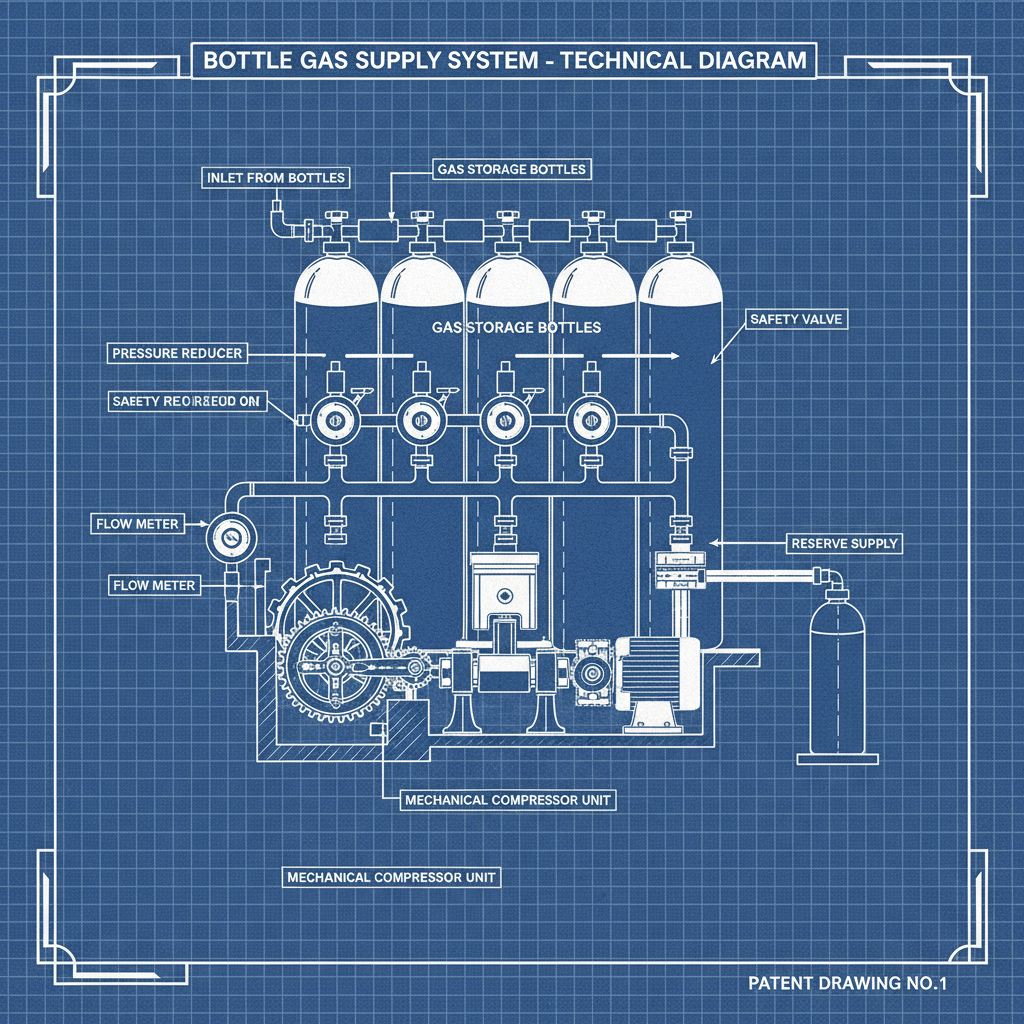
Before you begin searching for bottle gas suppliers, it’s essential to clearly define your requirements. This involves identifying the types of gases you need, the quantities, the delivery frequency, and any specific purity levels required for your applications. Common industrial gases include oxygen, nitrogen, argon, carbon dioxide, and acetylene. Consider whether you need gases for welding, cutting, food preservation, medical purposes, or other specialized applications. A thorough understanding of your needs will help you narrow down your search and select a supplier who can effectively meet your demands. Accurate forecasting reduces supply chain disruptions.
Key Factors to Consider When Choosing Bottle Gas Suppliers
Selecting the right supplier goes beyond just price. Several crucial factors need to be assessed. These include the supplier's reputation, safety record, delivery capabilities, customer service, and compliance with industry regulations. Look for suppliers who are ISO certified and adhere to stringent safety protocols. Verify their ability to provide consistent supply, responsive customer support, and reliable delivery schedules. It's also important to check if they offer services such as cylinder testing, maintenance, and gas analysis. A trustworthy bottle gas supplier will prioritize safety and reliability.
Key Considerations: Prioritize suppliers with ISO certifications, robust safety protocols, reliable delivery services, and responsive customer support.
Comparing Gas Types and Supplier Offerings
Different industries have varying needs for specific gas types. Understanding these differences is vital when evaluating bottle gas suppliers. For instance, the food and beverage industry often requires carbon dioxide for carbonation and preservation, while the medical field relies on oxygen and nitrous oxide. Welding and metal fabrication utilize acetylene, argon, and oxygen. Suppliers should be able to cater to these diverse requirements, offering a comprehensive range of gases in the appropriate purities and cylinder sizes. Reviewing a supplier's product catalog and technical specifications is crucial.
Price Comparison and Contract Terms
Obtain quotes from multiple bottle gas suppliers and carefully compare pricing structures. Consider not only the cost per cylinder but also delivery charges, rental fees for cylinders, and any potential surcharges. Pay close attention to contract terms, including minimum order quantities, payment terms, and cancellation policies. A transparent and flexible contract is essential to avoid unexpected costs. Negotiate favorable terms and ensure the contract clearly outlines all obligations and responsibilities. Long-term contracts can sometimes offer more competitive pricing.
Ensuring Safety and Compliance with Your Gas Supplier
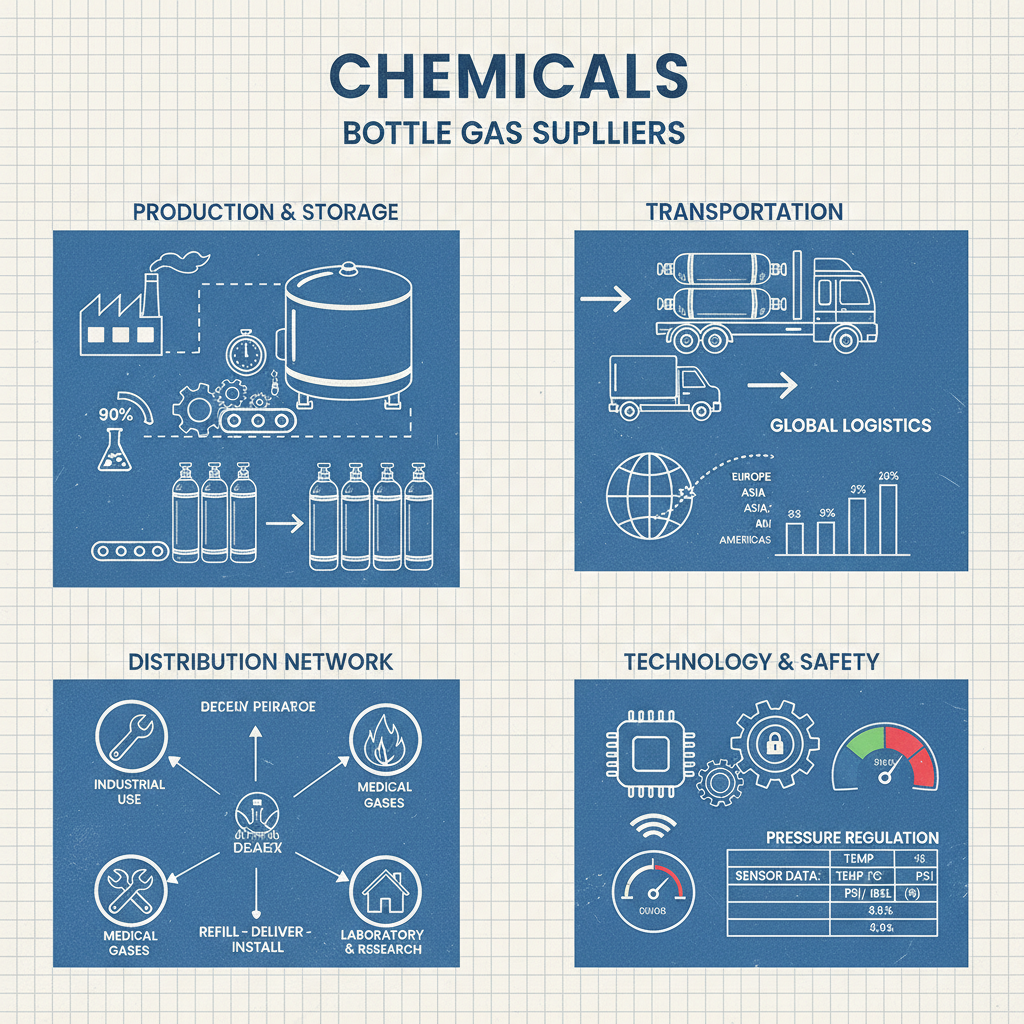
Safety is paramount when handling and storing bottled gases. Ensure that your chosen bottle gas supplier provides comprehensive safety data sheets (SDS) for all gases, along with guidance on safe handling practices, storage requirements, and emergency procedures. The supplier should also be able to provide training for your staff on proper gas handling and safety protocols. Compliance with local regulations and industry standards is non-negotiable. A responsible supplier will proactively assist you in meeting these requirements.
Conclusion: Partnering with the Right Bottle Gas Supplier
Choosing the right bottle gas supplier is a critical decision that impacts your business's efficiency, safety, and compliance. By carefully assessing your needs, evaluating supplier credentials, and negotiating favorable contract terms, you can establish a reliable partnership that supports your operational success. Don't compromise on quality and safety – choose a supplier who prioritizes both.
Frequently Asked Questions (FAQs)
What safety measures should I take when storing bottle gases?
Proper storage of bottled gases is crucial for safety. Always store cylinders in a well-ventilated area, away from heat sources, ignition sources, and direct sunlight. Securely chain cylinders to a wall or other stable structure to prevent them from falling over. Separate flammable gases from oxidizing gases. Ensure cylinders are clearly labeled with the gas type and hazard warnings. Regularly inspect cylinders for leaks or damage. Refer to the SDS for specific storage recommendations for each gas type.
How often should gas cylinders be inspected and tested?
Gas cylinders should be visually inspected before each use for any signs of damage, such as dents, corrosion, or leaks. Hydrostatic testing, a more thorough inspection, is required periodically based on regulations and the gas type – typically every 5 to 10 years. Your bottle gas supplier should be able to provide information on testing requirements and arrange for testing services.
What is an SDS and why is it important?
SDS stands for Safety Data Sheet. It’s a document that provides comprehensive information about a hazardous substance, including its properties, hazards, safe handling procedures, emergency measures, and disposal guidelines. It's crucial for ensuring worker safety and compliance with regulations. Your bottle gas supplier is legally obligated to provide SDSs for all gases they supply. Always read and understand the SDS before handling any gas.
What should I do in case of a gas leak?
In case of a gas leak, immediately evacuate the area and ensure everyone is a safe distance away. Eliminate all ignition sources. If possible, and without endangering yourself, try to stop the leak by closing the cylinder valve. Contact your bottle gas supplier and emergency services. Follow the emergency procedures outlined in the SDS for the specific gas involved. Do not attempt to repair the leak yourself unless you are properly trained and equipped.
-
Top Gas Cylinder Manufacturer for Industrial Safety and QualityNewsApr.16,2026
-
Sourcing High Quality Gas Cylinder China Procurement GuideNewsApr.09,2026
-
Find Reliable and Certified Gas Cylinder Suppliers for Your Business NeedsNewsApr.07,2026
-
Why N2O Cream Whipper Is Essential For Modern Kitchens And Dessert BusinessesNewsMar.24,2026
-
Whipped Cream Chargers: Elevating Culinary Creations with Precision and EaseNewsMar.12,2026
-
Understanding Compressed Gas Cylinder Dimensions for Safe and Efficient OperationsNewsMar.05,2026
-
Comprehensive Guide to Chlorine Cylinder Dimensions for Safe Industrial UseNewsMar.04,2026