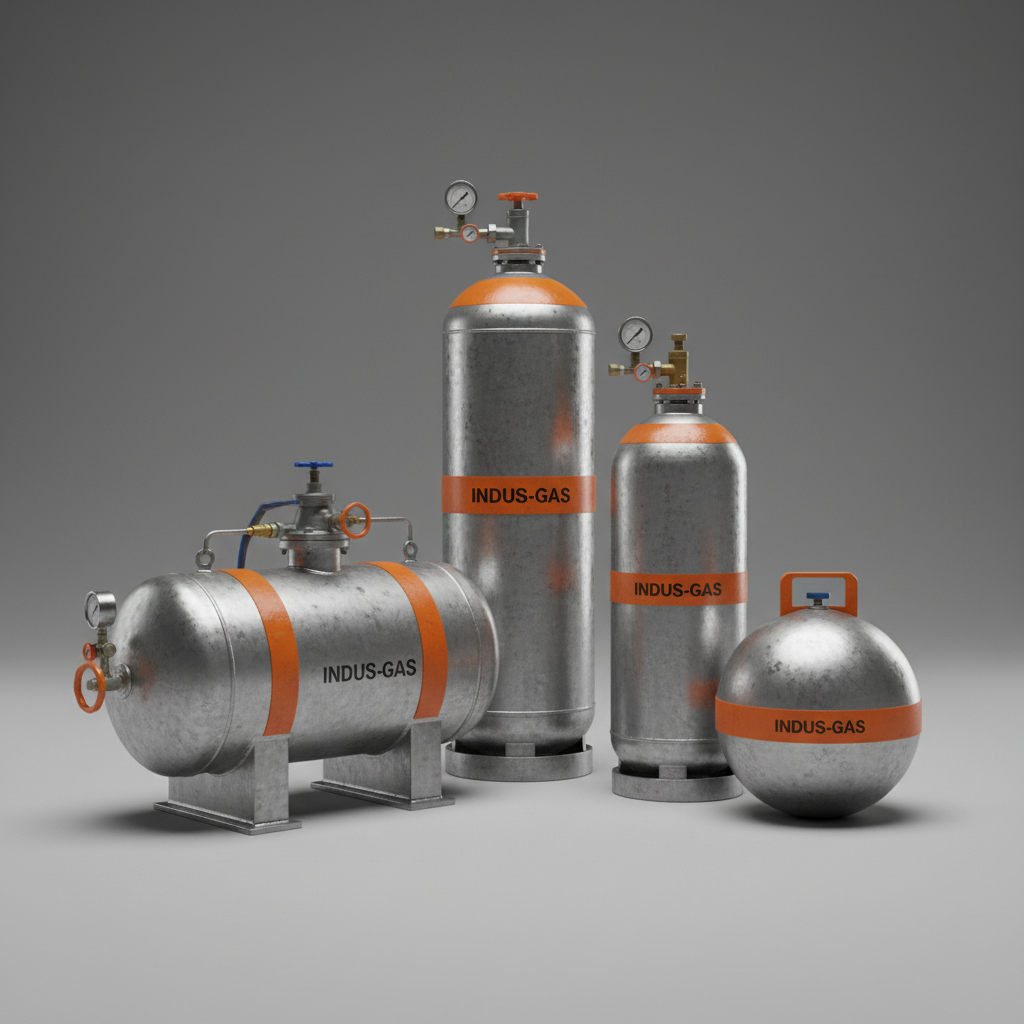
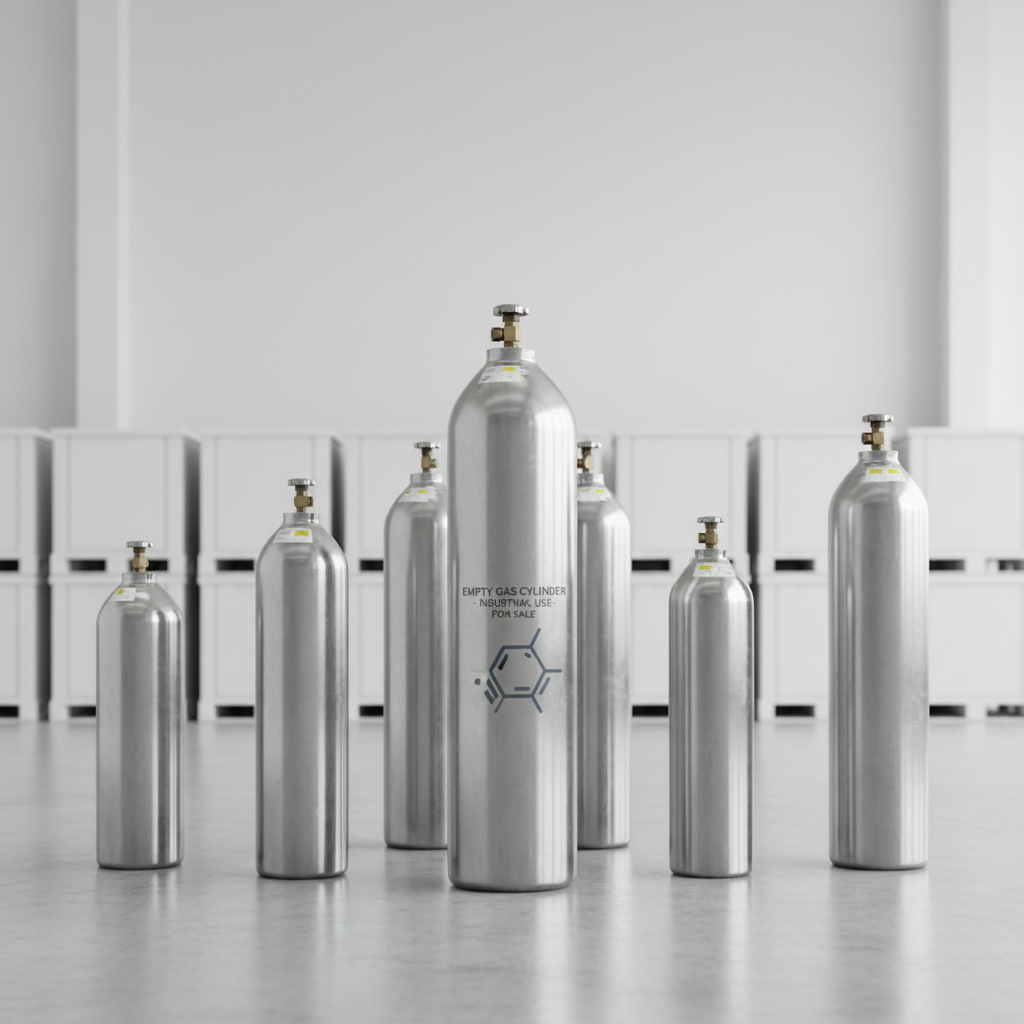
Gas bottle types are fundamental to a vast range of industries and applications, from industrial manufacturing and healthcare to food service and domestic use. Understanding the nuances of these containers – their materials, standards, and safe handling procedures – is crucial for ensuring operational efficiency, worker safety, and environmental responsibility. Globally, the demand for compressed and liquefied gases, and consequently, appropriately designed and certified gas bottles, continues to rise with industrial expansion and evolving energy needs.
The importance of gas bottle types extends beyond mere containment; it’s about maintaining the integrity of the gas itself. Different gases require specific materials and construction methods to prevent corrosion, leakage, or even explosive reactions. Stringent international standards, such as those set by ISO and regional regulatory bodies, govern the design, manufacture, testing, and maintenance of these bottles, emphasizing the critical role they play in global supply chains.
Furthermore, innovations in gas bottle technology, including lightweight materials and smart monitoring systems, are driving efficiency and safety improvements. The efficient and safe distribution of gases relies heavily on the correct selection and maintenance of appropriate gas bottle types, making this a consistently relevant and evolving field.
Introduction to Gas Bottle Types
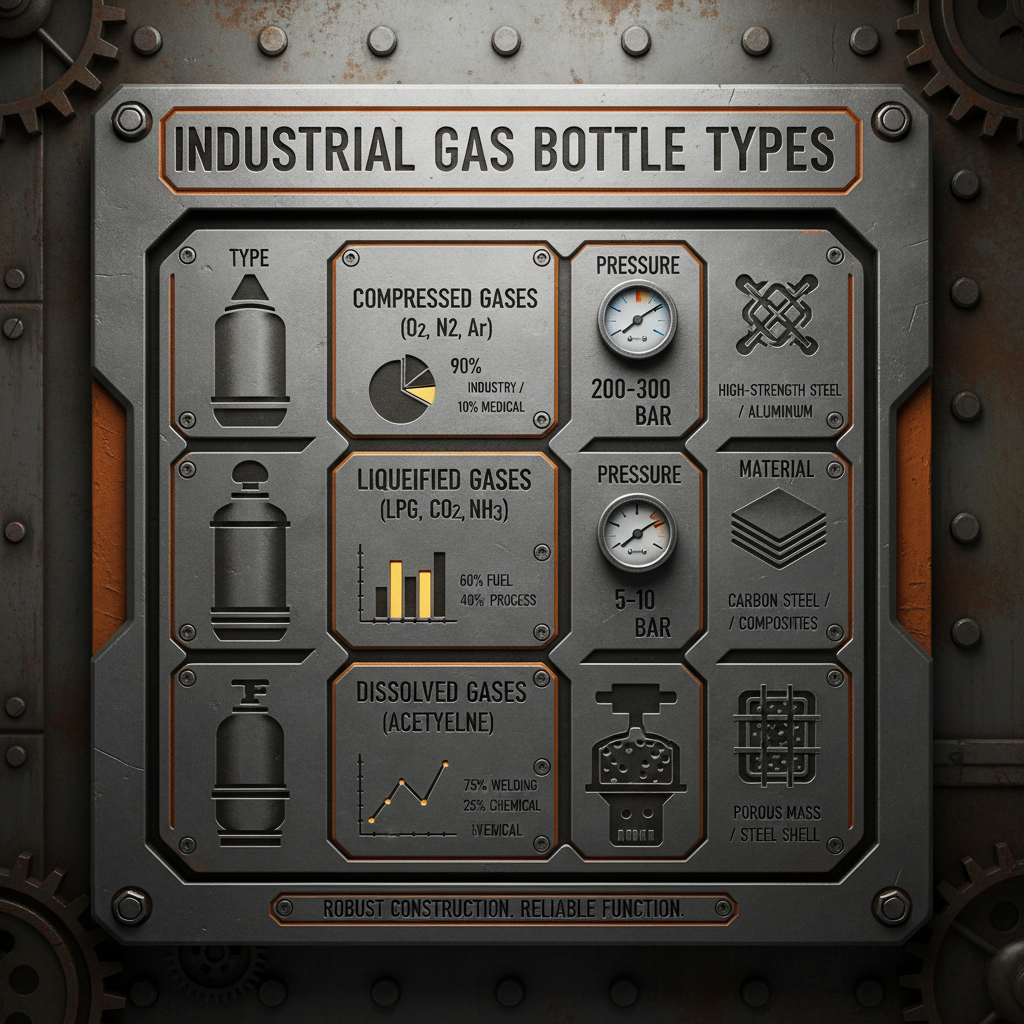
The diversity of gas bottle types reflects the wide spectrum of gases they are designed to contain, ranging from common industrial gases like oxygen, nitrogen, and argon to specialized gases used in scientific research and medical applications. Correct classification and identification are paramount, as each type is engineered with specific material properties and safety features to accommodate the unique characteristics of the gas it holds.
Understanding the distinctions between these bottle types isn't just a matter of technical compliance; it's about mitigating risks and ensuring safe handling throughout the entire gas lifecycle – from manufacturing and filling to transportation, storage, and eventual disposal. The responsible management of gas bottle types is a cornerstone of responsible industrial practice and safety protocols.
Defining Gas Bottle Types
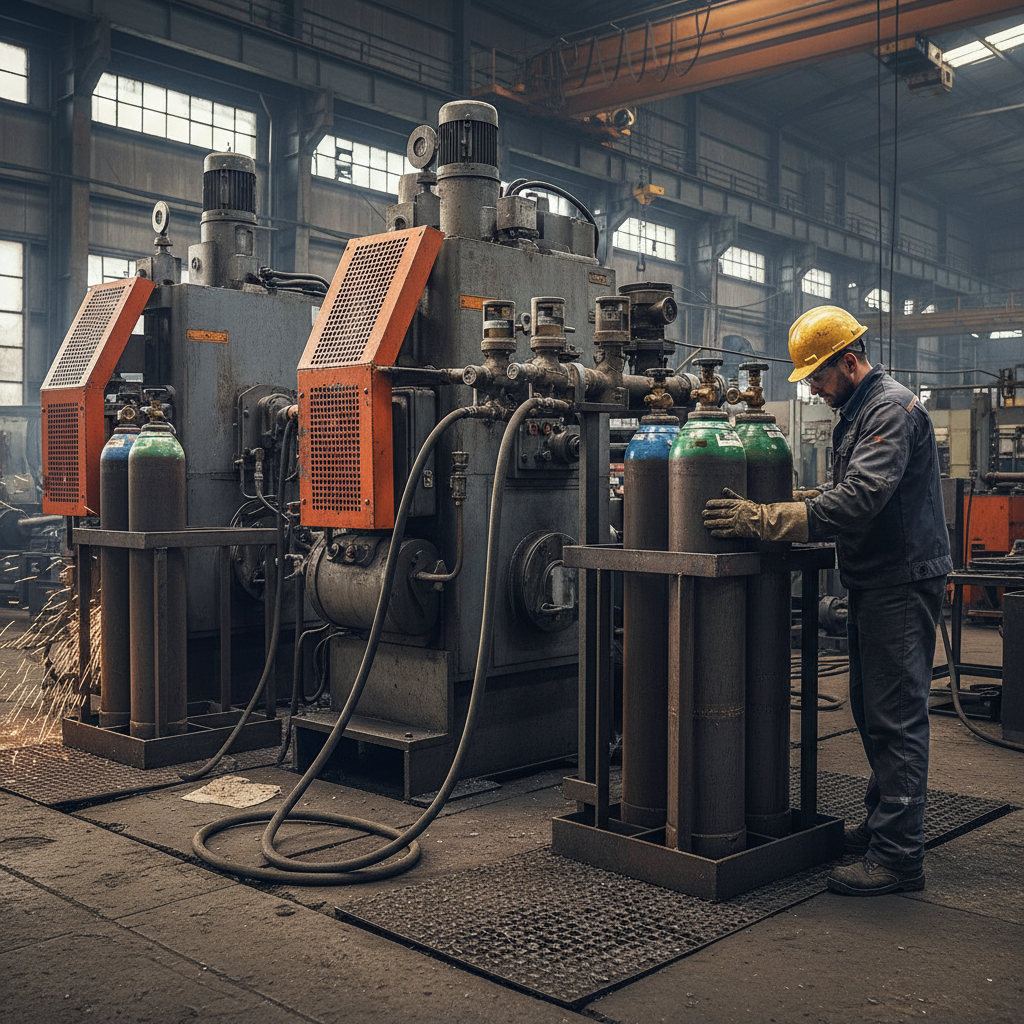
Gas bottle types, often referred to as cylinders, are pressure vessels designed to store and transport compressed or liquefied gases. These are not simply containers; they are carefully engineered systems capable of withstanding extremely high pressures, often thousands of pounds per square inch. The construction, material selection, and testing procedures are rigorously controlled by international standards and local regulations.
The definition extends beyond the physical vessel itself to include the valve assembly, protective features (like collars and foot rings), and markings that identify the gas contained, the bottle’s pressure rating, and its certification status. Different gas bottle types are designed for different pressures and volumes based on the specific gas they will contain and its intended application.
In modern industry and even humanitarian contexts, readily available and reliably supplied compressed gases are often essential, whether it's for welding, medical oxygen, or portable lighting. Safe and effective gas bottle types are the critical enabling technology for these services.
Core Characteristics of Gas Bottle Types
Durability is arguably the most critical characteristic of any gas bottle. These vessels are subjected to intense pressure and often harsh environmental conditions, so they must be constructed from materials capable of withstanding significant stress and corrosion. Materials commonly used include high-strength steel alloys and, increasingly, composite materials for lighter-weight applications.
Compliance with stringent safety standards is non-negotiable. Gas bottles must adhere to regulations set by organizations like ISO, DOT (Department of Transportation), and local governing bodies. These standards dictate manufacturing processes, testing procedures, inspection intervals, and labeling requirements, ensuring a consistent level of safety across the globe.
Traceability is crucial for maintaining a record of a gas bottle’s history, including its manufacturing date, testing results, and any maintenance or repair work performed. This allows for the identification of potential issues and ensures that bottles are taken out of service when they reach the end of their lifespan, reducing risk.
Practical Applications of Gas Bottle Types
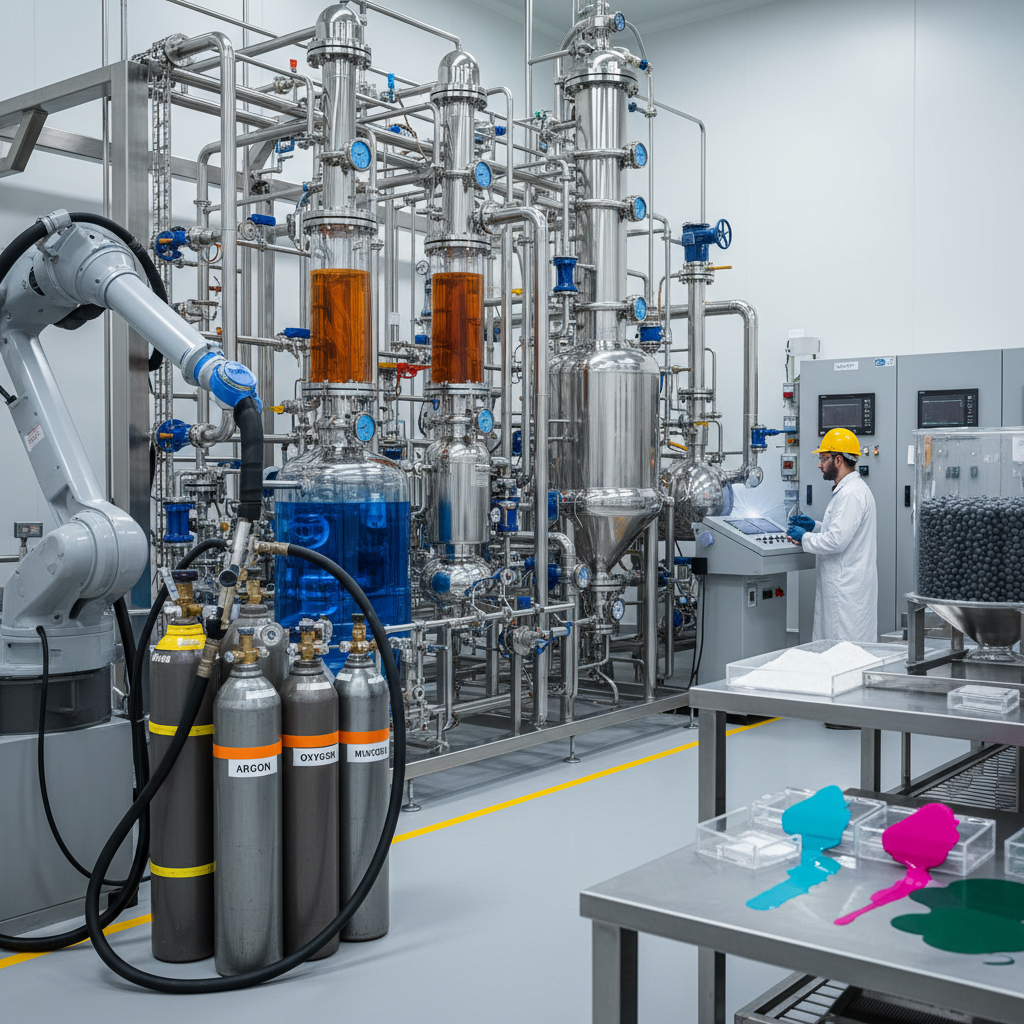
Gas bottle types are indispensable in welding and metal fabrication, providing shielding gases like argon and carbon dioxide to protect the weld pool from atmospheric contamination. Different welding processes require specific gas mixtures and flow rates, dictating the type of gas bottle and regulator used.
In the medical field, gas bottles deliver life-sustaining gases such as oxygen for respiratory therapy and nitrous oxide for anesthesia. Medical gas bottles require particularly rigorous quality control and labeling to ensure patient safety and are subject to stringent regulations.
Gas Bottle Type Performance Across Applications
Global Utilization of Gas Bottle Types
In developed nations, robust infrastructure and established safety regulations govern the use of gas bottles across various industries. This includes sophisticated tracking systems, regular inspections, and adherence to strict handling protocols. However, in developing regions, the availability of certified gas bottles and adequate safety training may be limited, posing potential risks.
The distribution of gas bottle types frequently relies on complex logistical networks, involving filling plants, transportation companies, and end-users. This network requires careful coordination to ensure a reliable supply of gases while minimizing transportation costs and environmental impact.
The Long-Term Value of Gas Bottle Types
Investing in high-quality gas bottle types offers significant long-term cost savings through reduced maintenance, extended lifespan, and minimized risk of accidents or gas leaks. Durable bottles require less frequent replacement, lowering overall operational expenses.
Furthermore, sustainable practices in gas bottle management, such as recycling and refurbishment, contribute to environmental responsibility and reduce waste. Choosing suppliers committed to eco-friendly materials and manufacturing processes demonstrates a commitment to corporate social responsibility.
Future Trends in Gas Bottle Types
The development of composite gas bottles, utilizing carbon fiber and other lightweight materials, is a major trend. These bottles offer significant weight reduction compared to traditional steel cylinders, making them easier to transport and handle.
Smart gas bottle technology, incorporating sensors and data analytics, is also gaining traction. These systems can monitor gas levels, pressure, temperature, and location, providing real-time data to optimize gas usage and improve safety.
Increased focus on hydrogen storage and transportation is driving innovation in gas bottle design, particularly for high-pressure hydrogen cylinders used in fuel cell vehicles and other applications.
Summary of Key Trends in Gas Bottle Type Development
| Material Innovation |
Technological Integration |
Regulatory Landscape |
Sustainability Impact |
| Shift towards composite materials (carbon fiber, polymers) for weight reduction. |
Incorporation of sensors for real-time monitoring of pressure, temperature, and gas levels. |
Increasingly stringent safety standards and certification requirements. |
Focus on recycling programs and reducing the carbon footprint of bottle manufacturing. |
| Development of corrosion-resistant alloys for increased durability. |
Implementation of data analytics for predictive maintenance and optimized gas usage. |
Harmonization of global regulations for easier international trade and compliance. |
Use of bio-based materials in bottle construction to reduce reliance on fossil fuels. |
| Exploration of novel materials with enhanced strength-to-weight ratios. |
Integration of RFID tags for asset tracking and inventory management. |
Emphasis on traceability and documentation throughout the bottle lifecycle. |
Development of closed-loop systems for gas recovery and reuse. |
| Advancements in polymer liners for improved gas compatibility. |
Cloud-based platforms for remote monitoring and control of gas bottle fleets. |
Stricter enforcement of inspection and testing protocols. |
Investment in sustainable manufacturing processes to minimize waste. |
| Research into self-healing materials for enhanced bottle integrity. |
Development of augmented reality applications for maintenance and repair. |
Increased collaboration between regulatory bodies and industry stakeholders. |
Promotion of circular economy principles in gas bottle management. |
| Use of nanomaterials to enhance material properties and reduce weight. |
Implementation of blockchain technology for secure and transparent tracking of bottles. |
Adoption of standardized data formats for improved interoperability. |
Development of biodegradable materials for non-critical components. |
FAQS
The most common materials used in gas bottle construction are high-strength steel alloys, owing to their durability and ability to withstand high pressures. However, composite materials like carbon fiber reinforced polymers are increasingly popular due to their lighter weight, providing advantages in transportation and handling. The specific material chosen depends heavily on the type of gas being stored, the required pressure, and the intended application, all governed by stringent safety standards.
Gas bottles require regular inspection and re-certification, typically every 5 to 10 years, depending on local regulations and the bottle’s usage history. Inspections involve visual checks for corrosion, dents, and damage, as well as hydrostatic testing to verify the bottle’s ability to withstand pressure. Re-certification ensures that the bottle continues to meet safety standards and is fit for service.
Always secure gas bottles in an upright position to prevent them from falling. Use appropriate handling equipment, such as hand trucks, and avoid dragging or dropping the bottles. Ensure proper ventilation when using gases in enclosed spaces. Never attempt to repair a damaged bottle – it should be taken out of service immediately. Always follow the manufacturer’s recommendations and relevant safety guidelines.
Yes, while there are international standards like those set by ISO, many countries have their own specific regulations for gas bottles. These can vary in terms of design requirements, testing procedures, and labeling standards. It’s crucial to ensure that gas bottles comply with the regulations of the country where they will be used to avoid legal issues and safety risks.
Disposable gas bottles are typically single-use cylinders designed for limited applications and are not intended for re-filling. Refillable gas bottles are constructed to withstand repeated filling and emptying cycles and are subject to regular inspection and re-certification. Refillable bottles are more environmentally friendly and cost-effective in the long run, while disposable bottles offer convenience for occasional use.
Store gas bottles in a cool, dry, well-ventilated area, away from direct sunlight, heat sources, and flammable materials. Keep them secured to prevent tipping and protect the valve assembly. Segregate incompatible gases and clearly label the storage area with appropriate hazard warnings. Regularly inspect the storage area for leaks or damage.
Conclusion
Understanding gas bottle types is paramount for ensuring safety, efficiency, and sustainability across a wide range of industries. From the critical material properties that determine durability to the stringent regulatory standards that govern their use, a comprehensive knowledge of these pressure vessels is essential for responsible gas handling and distribution. The evolution of gas bottle types is continuously driven by technological advancements and the pursuit of improved performance and environmental responsibility.
Looking ahead, innovations in materials science, smart monitoring systems, and sustainable manufacturing processes will further enhance the safety, reliability, and environmental footprint of gas bottles. Investing in high-quality, properly maintained gas bottles, and prioritizing operator training, are crucial steps towards building a safer and more sustainable future for the gas industry.