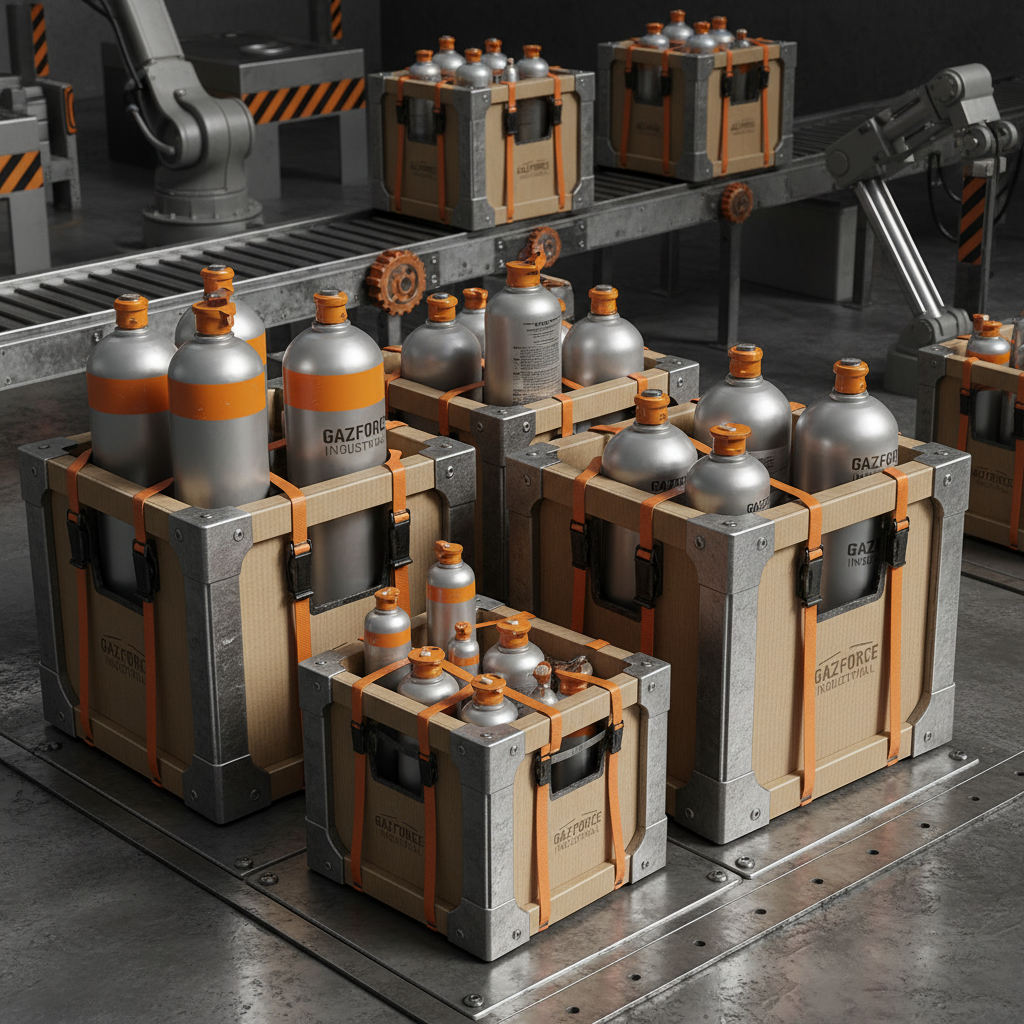
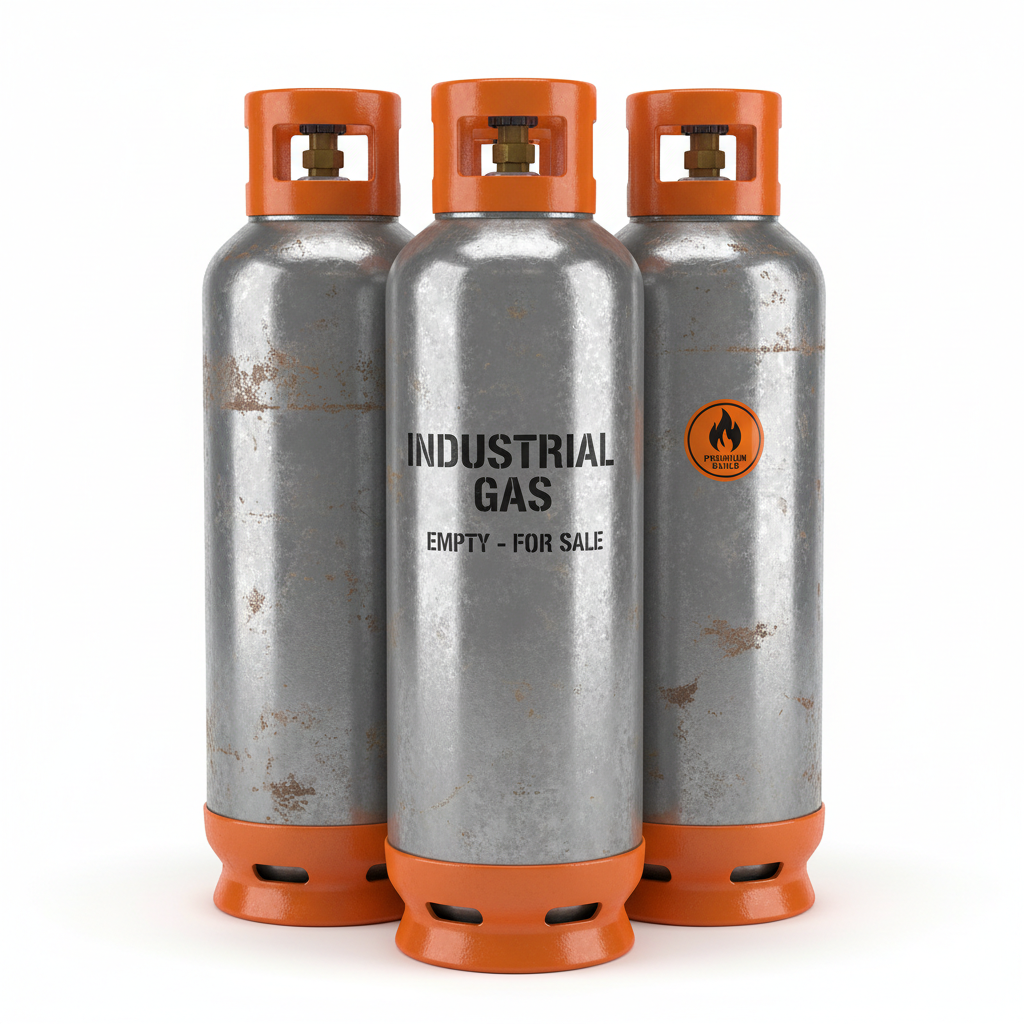
Different types of gas bottles are integral to numerous industries and everyday life, serving as vital containers for compressed and liquefied gases. From medical oxygen to propane for heating and industrial processes, the safe and efficient storage and transportation of these gases rely heavily on the design, construction, and maintenance of these bottles. Understanding the nuances of these different types is crucial for safety, regulatory compliance, and optimal performance across a wide range of applications. The increasing demand for specialized gases, alongside growing concerns for safety and sustainability, are driving innovation in gas bottle technology and materials.
Globally, the market for gas bottles is substantial and steadily growing, fueled by expansion in healthcare, manufacturing, energy, and food & beverage sectors. According to recent reports, the global industrial gas cylinders market was valued at USD 4.1 billion in 2023 and is projected to reach USD 5.8 billion by 2030, growing at a CAGR of 4.9% from 2024 to 2030 (Source: Market Research Future). This growth underscores the critical role these containers play in modern infrastructure. However, challenges remain in ensuring the safe handling, inspection, and disposal of these bottles, particularly in developing regions.
The proper selection and utilization of different types of gas bottles are not just a matter of convenience; they are fundamental to preventing accidents, maintaining product integrity, and adhering to strict safety standards. This guide provides a comprehensive overview of the various types of gas bottles available, their applications, key considerations, and future trends, empowering users to make informed decisions and ensure safe and efficient gas handling practices.
Understanding the Variety of different types of gas bottles
The world of gas bottles extends far beyond the simple propane tank used for backyard barbecues. Different types of gas bottles are engineered for specific gases, pressures, and applications. These variations encompass materials, construction methods, valve types, and safety features. Commonly, they are categorized based on their intended gas—oxygen, nitrogen, argon, acetylene, carbon dioxide, and others—as well as their pressure rating: low-pressure, medium-pressure, and high-pressure.
Furthermore, the size and capacity of gas bottles vary significantly, ranging from small, portable cylinders for medical use to large, stationary tanks for industrial processes. Different types of gas bottles are also classified by their construction: fully welded, seamless, or composite. Understanding these distinctions is critical for ensuring compatibility, safe handling, and optimal performance of the gas delivery system.
Defining different types of gas bottles and Their Importance
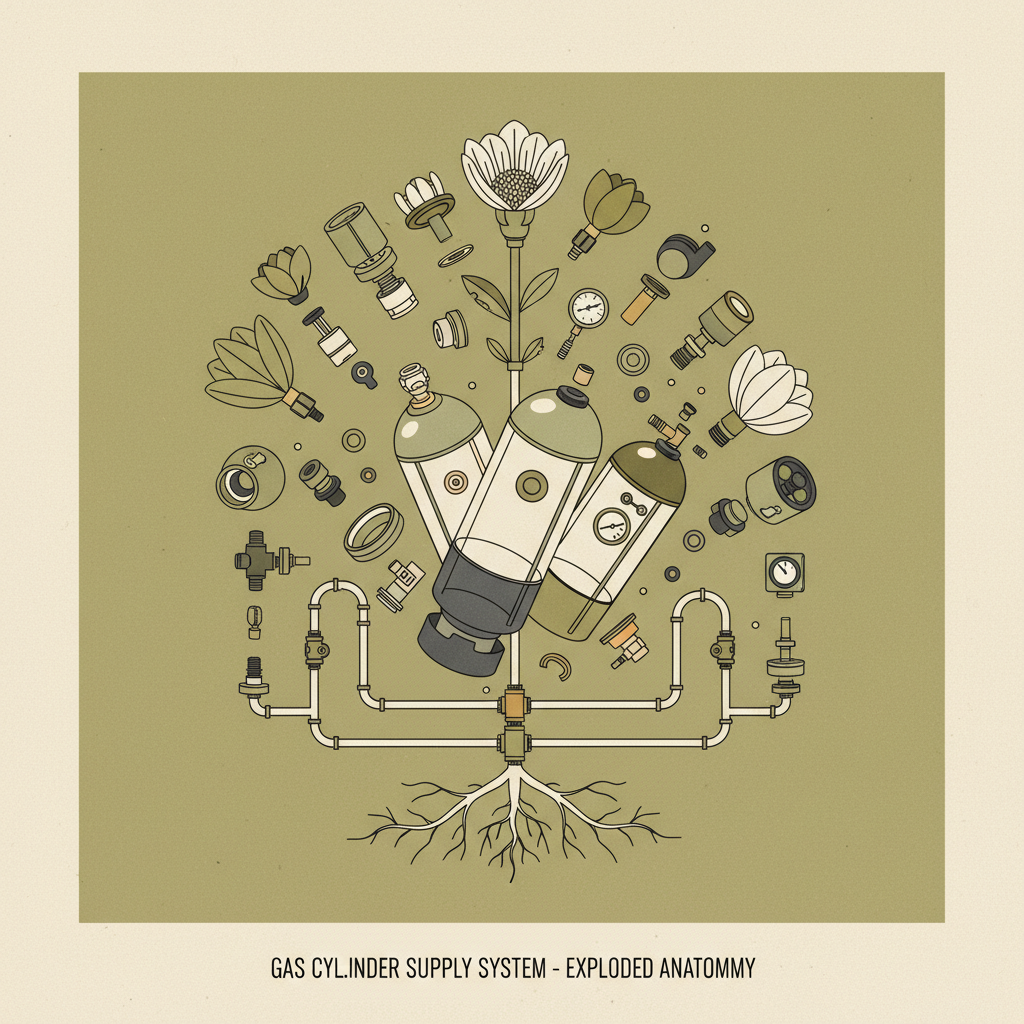
Different types of gas bottles are pressure vessels designed to safely contain and transport various gases in compressed or liquefied form. They are essential components in countless industries, providing a reliable and controlled supply of gases for diverse applications. A gas bottle is not merely a container; it’s a carefully engineered system comprised of the vessel itself, a valve assembly to control gas flow, and often safety devices such as pressure relief valves.
Their importance stems from the hazardous nature of many gases. Without robust and properly designed gas bottles, the risk of leaks, explosions, and exposure to harmful substances would be significantly increased. They facilitate the precise delivery of gases needed for critical processes, from welding and cutting to medical treatments and scientific research.
Properly defining the specific type of gas bottle needed for a given application is paramount. Choosing the wrong bottle – based on material, pressure rating, or gas compatibility – can lead to catastrophic failure and severe consequences. Regulatory standards, such as those established by the Department of Transportation (DOT) in the US or ISO internationally, dictate the requirements for design, testing, and maintenance of these critical vessels.
Key Characteristics of different types of gas bottles
Several key characteristics define the suitability of different types of gas bottles for specific applications. Material is paramount – steel is the most common due to its strength and cost-effectiveness, but aluminum is preferred for lighter-weight applications and some specialty gases, while composite materials offer further weight reduction and corrosion resistance.
Pressure Rating dictates the maximum safe working pressure of the bottle and must be carefully matched to the gas being stored. Low-pressure bottles are suitable for gases like propane, while high-pressure bottles are necessary for oxygen or nitrogen. Valve Type influences flow control and safety features, with variations including pin index safety systems and quick-connect couplings. Capacity determines the amount of gas the bottle can hold, influencing portability and operational duration.
Finally, Compliance with Standards is non-negotiable. Gas bottles must meet rigorous testing and certification requirements (e.g., DOT, ISO) to ensure safety and reliability. Regular inspection and re-certification are also crucial for maintaining their integrity over time. Different types of gas bottles also exhibit varying levels of corrosion resistance depending on the gas stored and the bottle’s construction.
Applications of different types of gas bottles Across Industries
The applications of different types of gas bottles are remarkably diverse, spanning a vast array of industries. In healthcare, medical oxygen bottles are crucial for patient care, while nitrous oxide bottles are used in anesthesia. Industrial manufacturing relies heavily on gas bottles containing argon for welding, acetylene for cutting, and nitrogen for purging and blanketing processes.
The food and beverage industry uses carbon dioxide bottles for carbonation and preservation. Scientific research utilizes a wide range of specialty gases stored in specialized bottles for analytical instrumentation and experiments. Energy sector employs gas bottles for fuel mixtures and pipeline testing.
In post-disaster relief operations, portable oxygen bottles are life-saving resources for emergency medical teams. In remote industrial zones, larger capacity gas bottles provide a continuous supply of gases for operations where on-site gas generation is impractical. The specific type of gas bottle utilized will always depend on the unique demands of the application.
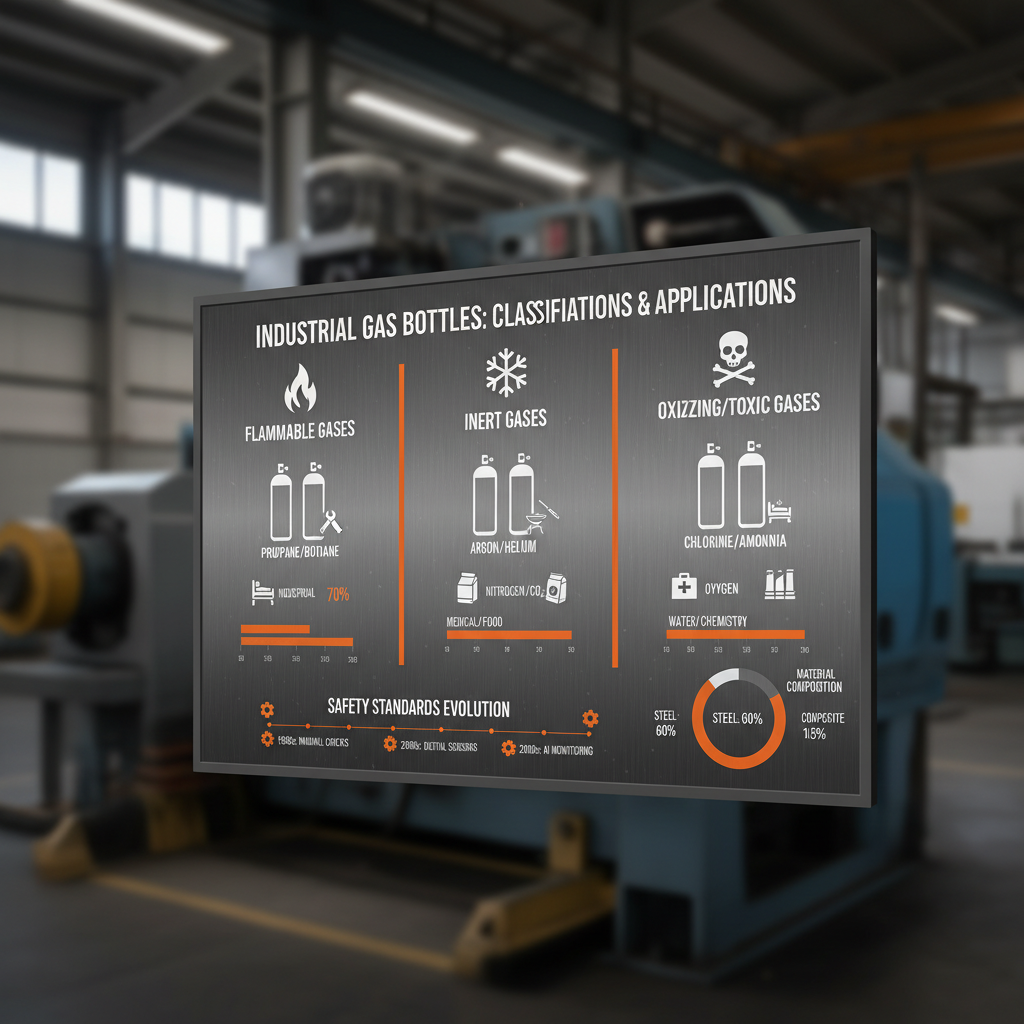
Comparative Usage of different types of gas bottles in Various Sectors
Advantages of Using different types of gas bottles
Utilizing the correct different types of gas bottles offers a multitude of advantages, impacting safety, efficiency, and cost-effectiveness. The primary benefit is enhanced safety, as properly designed and maintained bottles minimize the risk of leaks, explosions, and hazardous exposure. They enable precise gas delivery, optimizing process control and reducing waste.
Different types of gas bottles facilitate portability and on-demand gas supply, eliminating the need for complex and expensive on-site gas generation systems. They contribute to environmental sustainability by minimizing gas loss and promoting responsible gas handling practices. Choosing the correct gas bottle ensures compliance with stringent regulatory requirements, avoiding costly fines and legal issues.
Future Trends in different types of gas bottles Technology
The future of different types of gas bottles is marked by exciting innovations focused on safety, sustainability, and efficiency. Research is actively underway to develop lighter-weight composite materials that offer enhanced strength and corrosion resistance. Smart gas bottles equipped with sensors and IoT connectivity are emerging, providing real-time monitoring of pressure, location, and gas levels.
Digital technologies, such as blockchain, are being explored to enhance traceability and improve cylinder management throughout the supply chain. Green gas technologies, including hydrogen storage, are driving demand for specialized high-pressure bottles and novel materials. Automation in filling and handling processes is also increasing, improving safety and reducing operational costs.
Challenges and Solutions in different types of gas bottles Management
Despite advancements, challenges remain in the effective management of different types of gas bottles. Corrosion, particularly in harsh environments, remains a significant concern, requiring regular inspection and protective coatings. Maintaining accurate cylinder tracking and ensuring timely re-certification pose logistical hurdles.
Lack of standardized labeling and identification can lead to confusion and potential misuse. Developing robust cylinder tracking systems utilizing RFID or barcode technology offers a solution. Implementing preventative maintenance programs, including hydrostatic testing and valve inspections, is crucial.
Investing in training programs for personnel handling gas bottles can significantly reduce the risk of accidents. Adopting digital platforms for cylinder management can streamline the process, improve traceability, and enhance safety compliance.
Core Challenges and Solutions in different types of gas bottles Management
| Challenge |
Impact |
Solution |
Implementation Cost (1-10) |
| Corrosion |
Reduced cylinder lifespan, potential leaks |
Protective coatings, regular inspection |
4 |
| Cylinder Tracking |
Lost cylinders, difficulty with re-certification |
RFID/Barcode Tracking System |
6 |
| Re-certification Delays |
Out-of-service cylinders, operational disruption |
Proactive maintenance schedule, authorized testing centers |
5 |
| Lack of Standardization |
Misidentification, incompatible connections |
Industry-wide labeling standards |
3 |
| Human Error |
Improper handling, damaged valves |
Comprehensive training programs |
2 |
| Supply Chain Disruptions |
Cylinder shortages, increased costs |
Diversified sourcing, strategic inventory management |
7 |
FAQS
The lifespan of a steel gas bottle isn’t a fixed number of years, but rather a function of its condition and adherence to re-certification schedules. Regulations typically require hydrostatic testing every 5-10 years (depending on the region and gas type) to verify its structural integrity. With proper maintenance and passing these tests, a steel gas bottle can remain in service for several decades. However, corrosion, physical damage, or repeated high-pressure cycles can shorten its lifespan.
Gas bottle identification relies on a standardized color-coding system and clear labeling. The bottle’s shoulder will typically have a color indicating the gas family (e.g., green for oxygen, grey for nitrogen). Additionally, a metal label or stamping will clearly state the specific gas it’s designed to contain. Never assume a bottle’s contents based solely on color; always verify the label before use. Using a bottle for the wrong gas can create dangerous and potentially explosive situations.
Prioritize safety when handling gas bottles. Always secure cylinders upright with a chain or strap to prevent them from falling. Use a hand truck designed for cylinder transport. Never drop or impact a cylinder. Ensure the valve protection cap is in place when not in use or during transport. Store cylinders in a well-ventilated area, away from heat sources and flammable materials. Never attempt to repair a damaged cylinder; contact a qualified professional.
Hydrostatic testing is a crucial safety inspection performed on gas bottles to verify their structural integrity. It involves filling the cylinder with water and pressurizing it to a level significantly higher than its working pressure. This pressure is held for a specified period, and the cylinder is meticulously examined for any signs of leaks, bulges, or other defects. Passing this test confirms the cylinder can safely withstand its intended operating pressure.
Unlike steel bottles, composite gas bottles typically cannot be repaired if damaged. The complex construction and the potential for hidden internal damage make repairs unreliable and unsafe. Any visible cracks, delamination, or impact damage to a composite bottle necessitate its immediate removal from service and proper disposal by a qualified recycling facility. Attempting to repair a composite bottle compromises its structural integrity.
Disposing of expired or unusable gas bottles requires careful attention to environmental regulations. Never simply discard a gas bottle as scrap metal. Contact a licensed gas cylinder disposal specialist. They will safely empty any remaining gas, render the bottle unusable, and recycle it responsibly. Improper disposal can pose significant environmental and safety hazards.
Conclusion
In conclusion, different types of gas bottles are fundamental to modern industry, healthcare, research, and countless other applications. Understanding their diverse types, key characteristics, and proper handling procedures is essential for ensuring safety, efficiency, and regulatory compliance. From the materials used in construction to the rigorous testing and certification standards, every aspect of gas bottle design and management plays a critical role in protecting people and the environment.
Looking ahead, the future of gas bottle technology is poised for innovation, with advancements in materials, smart sensors, and digital tracking systems. Embracing these developments will not only enhance safety and efficiency but also contribute to a more sustainable and responsible gas handling ecosystem. For expert advice on selecting the right gas bottle for your needs and ensuring safe operation, visit our website today.