- boss@happywhip.com
- Mon - Sat at 9:00AM to 6:00PM

Comprehensive Guide to C Size Gas Bottles for Versatile Applications
Understanding C Size Gas Bottles: A Comprehensive Guide
When considering gas for various applications – from camping and caravanning to industrial uses – understanding the different bottle sizes is crucial. A C size gas bottle represents a popular and versatile option. This article will explore everything you need to know about C size gas bottles, including their capacity, common uses, safety considerations, and how they compare to other sizes. Whether you’re a seasoned outdoor enthusiast or new to gas appliances, this guide will provide the information you need to make informed decisions. Proper gas bottle selection is essential for efficient and safe operation of your equipment.

What Exactly is a C Size Gas Bottle?
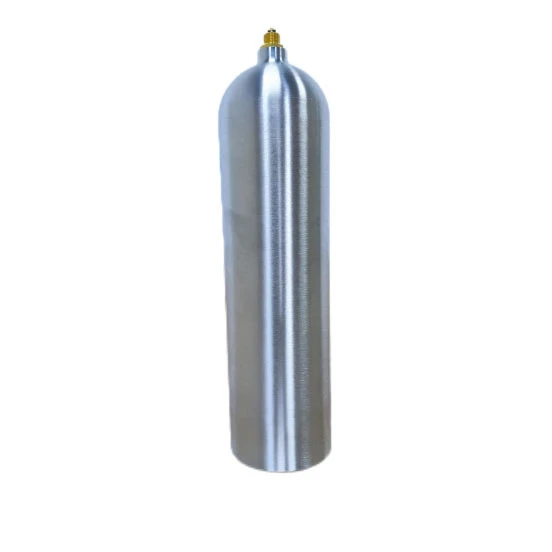
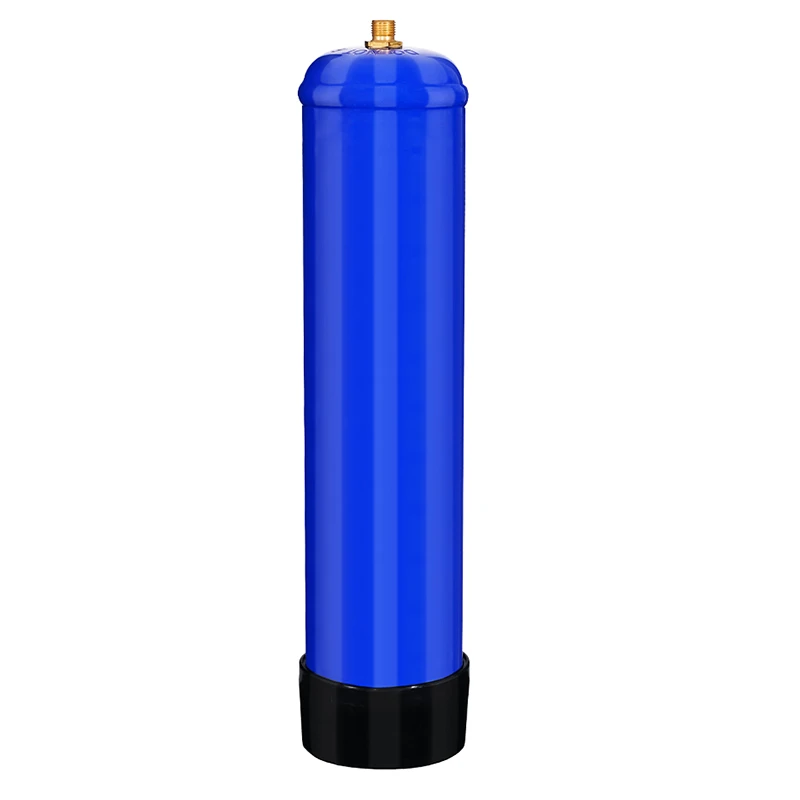
A C size gas bottle, also commonly known as a 4.5kg gas bottle, is a portable gas container used for a wide range of applications. It typically holds approximately 4.5 kilograms (roughly 9.9 pounds) of propane or butane gas. These bottles are designed to be easily transportable and are often used with gas barbecues, patio heaters, camping stoves, and other portable gas appliances. They are a convenient and cost-effective solution for those who need a reliable gas supply without the bulk of larger bottles. The portability of a C size gas bottle makes it an ideal choice for many users.
Key Highlights: C size gas bottles are a portable, convenient, and cost-effective gas supply solution for various applications, holding approximately 4.5kg of propane or butane.
Common Uses for C Size Gas Bottles
The versatility of C size gas bottles makes them suitable for numerous applications. One of the most popular uses is powering gas barbecues, providing a consistent heat source for outdoor cooking. They are also frequently used with patio heaters, extending the enjoyment of outdoor spaces during cooler months. Camping enthusiasts rely on C size bottles for their cooking stoves and lanterns. Beyond recreational use, they also find applications in smaller industrial settings, such as powering portable welding equipment or providing gas for specialized tools. Whipway offers a reliable source for these essential gas supplies.
Common Applications:
• Gas Barbecues
• Patio Heaters
• Camping Stoves & Lanterns
• Portable Welding Equipment
C Size Gas Bottles: Propane vs. Butane
C size gas bottles can be filled with either propane or butane, each with its own characteristics. Butane is generally preferred for indoor use, as it has a higher calorific value and burns more cleanly. However, it is less effective in colder temperatures. Propane, on the other hand, performs well in colder weather and is often used outdoors. The choice between propane and butane depends on the intended application and the ambient temperature. Consulting with Whipway can help determine the best gas type for your needs.
Safety Considerations When Using C Size Gas Bottles
Safety is paramount when handling gas bottles. Always store C size gas bottles in a well-ventilated area, away from direct sunlight and sources of ignition. Regularly check the bottle and hose for leaks using a soapy water solution. Never attempt to repair a leaking bottle or hose yourself; contact a qualified gas engineer. Ensure that all gas appliances are properly installed and maintained. Whipway provides information and resources on safe gas handling practices.

Comparing C Size to Other Gas Bottle Sizes
C size gas bottles are a mid-range option. Smaller ‘P’ size bottles (approx. 3.9kg) are more portable but offer less runtime. Larger bottles, such as the F size (approx. 13kg), provide a longer gas supply but are less convenient to transport. Choosing the right size depends on your usage frequency and the power requirements of your appliances. Whipway offers a full range of gas bottle sizes to suit your needs.
Conclusion: Choosing the Right C Size Gas Bottle
Understanding C size gas bottles, their applications, and safety considerations is vital for anyone using gas appliances. From powering your barbecue to providing heat for camping trips, these bottles offer a convenient and reliable gas supply. By selecting the appropriate gas type and prioritizing safety, you can ensure a positive and efficient experience. Visit Whipway for a wide selection of gas bottles and expert advice.
Frequently Asked Questions (FAQs)
How long will a C size gas bottle last?
The duration a C size gas bottle lasts depends heavily on the appliance it’s powering and the usage rate. For a standard barbecue, a full bottle might last for 5-7 hours of moderate use. A patio heater will consume gas more quickly, potentially lasting only 3-5 hours. Smaller appliances, like camping stoves, will offer a longer runtime. It’s always best to estimate conservatively and consider having a spare bottle on hand for extended use.
Can I refill a C size gas bottle myself?
No, it is generally not safe or legal to refill gas bottles yourself. Gas refilling should only be carried out by authorized and certified gas suppliers like Whipway. Attempting to refill a bottle yourself can lead to dangerous leaks or explosions. Properly trained professionals ensure that bottles are filled to the correct pressure and are thoroughly inspected for safety.
What should I do if I smell gas?
If you smell gas, immediately extinguish any open flames or ignition sources. Do not operate any electrical switches. Open windows and doors to ventilate the area. Turn off the gas supply at the bottle valve if it is safe to do so. Evacuate the area and contact your local emergency services or a qualified gas engineer. Do not attempt to locate the leak yourself.
-
Top Gas Cylinder Manufacturer for Industrial Safety and QualityNewsApr.16,2026
-
Sourcing High Quality Gas Cylinder China Procurement GuideNewsApr.09,2026
-
Find Reliable and Certified Gas Cylinder Suppliers for Your Business NeedsNewsApr.07,2026
-
Comprehensive Guide to Selecting Reliable Bottle Gas Suppliers for Your BusinessNewsApr.04,2026
-
Why N2O Cream Whipper Is Essential For Modern Kitchens And Dessert BusinessesNewsMar.24,2026
-
Whipped Cream Chargers: Elevating Culinary Creations with Precision and EaseNewsMar.12,2026
-
Understanding Compressed Gas Cylinder Dimensions for Safe and Efficient OperationsNewsMar.05,2026