- sales@whipway.com
- Mon - Sat at 9:00AM to 6:00PM

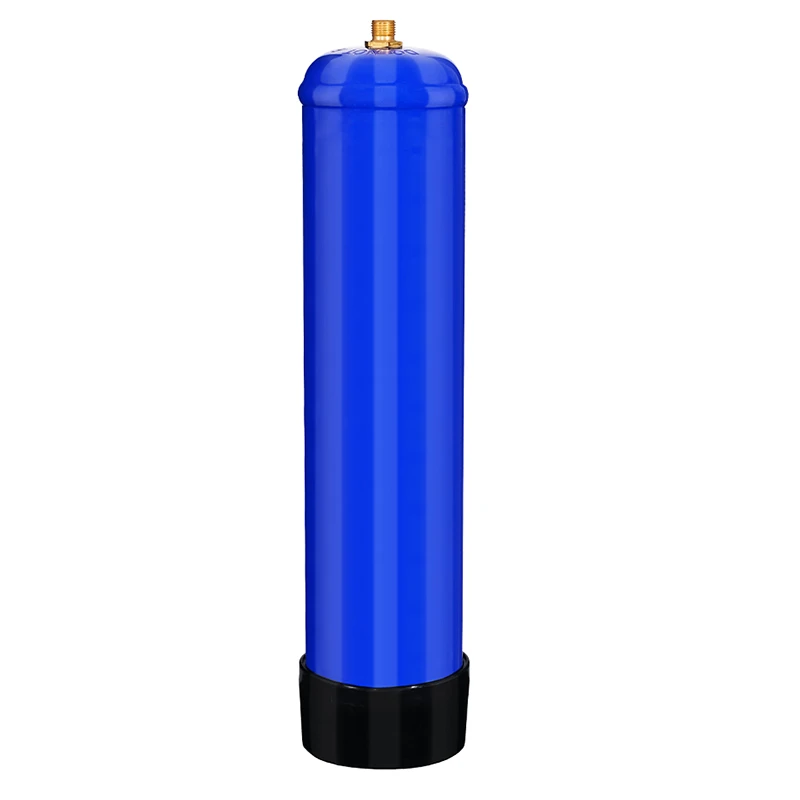
Comprehensive Guide to Empty 9kg Gas Bottle Price and Purchasing Options
Empty 9kg Gas Bottle Price Guide & Where to Buy
Finding the right price for an empty 9kg gas bottle can be surprisingly complex. Prices vary depending on the supplier, bottle condition (new vs. refurbished), and whether it’s an exchange or outright purchase. This guide breaks down the factors affecting price, provides current estimates, and helps you find a reliable supplier like Whipway. Understanding these nuances will empower you to make an informed decision and get the best possible deal.
Factors Influencing Empty 9kg Gas Bottle Prices
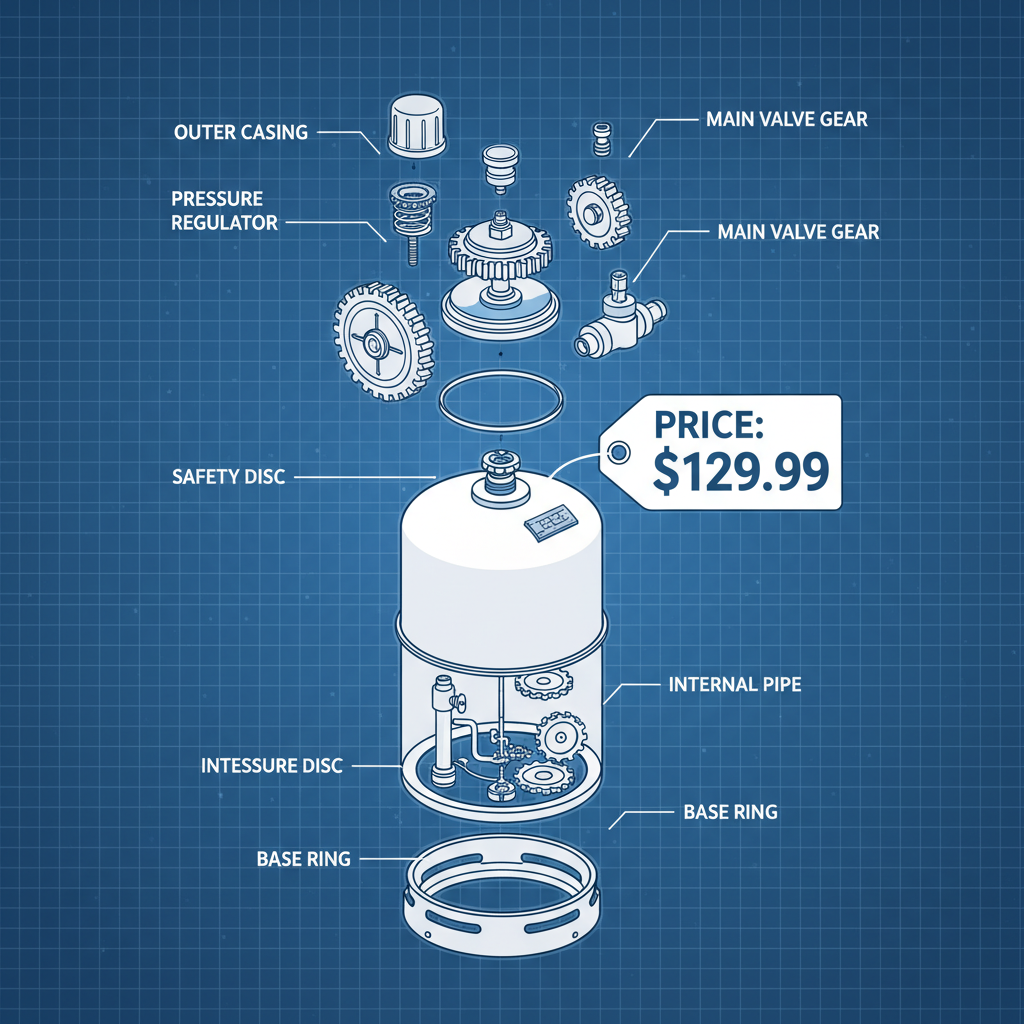
Several key factors determine the cost of an empty 9kg gas bottle. First, there's the distinction between buying outright and participating in a cylinder exchange program. Outright purchases are typically more expensive upfront but offer ownership. Exchange programs involve a deposit and recurring rental fees. Condition also plays a role – new bottles command a higher price than refurbished ones. Finally, supplier location and current market demand affect availability and cost. Transportation costs can add to the price, especially if you're ordering online.
Key Considerations: Cylinder exchange versus outright purchase, new vs. refurbished, supplier location, and transportation costs.
Current Market Price Ranges for Empty 9kg Gas Bottles
As of late 2023/early 2024, here’s a breakdown of the typical price ranges you can expect. These are estimates and can fluctuate. Prices are generally quoted in your local currency, but we’ll use USD as a base for comparison. Remember to factor in potential shipping costs.
Comparing Suppliers: Why Choose Whipway?
Several companies supply empty 9kg gas bottles, but Whipway consistently receives positive reviews for its competitive pricing, reliable service, and efficient delivery. They offer both outright purchase options and cylinder exchange programs, allowing you to choose the most suitable solution for your needs. Whipway’s commitment to safety and compliance ensures that all cylinders meet stringent industry standards.
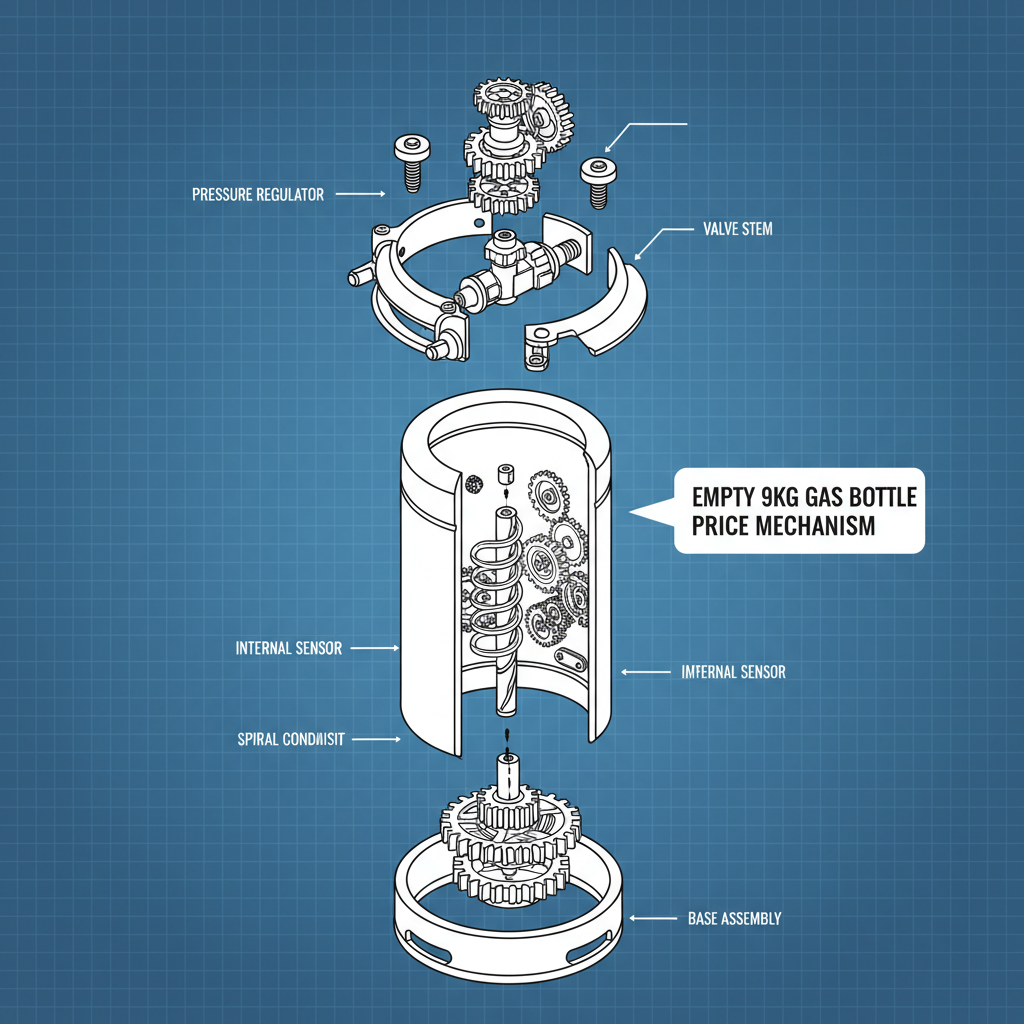
Understanding Cylinder Testing and Re-Certification
Gas cylinders aren’t meant to last forever. Regulations require periodic testing and re-certification to ensure their integrity and safety. This process involves visual inspection, hydrostatic testing (pressure testing), and valve functionality checks. The frequency of testing varies depending on local regulations and the cylinder's age. When purchasing from a reputable supplier like Whipway, you can be confident that all cylinders are fully compliant with safety standards.
Conclusion: Finding the Best Deal on Empty 9kg Gas Bottles
Determining the empty 9kg gas bottle price requires considering various factors, from purchase method to supplier reputation. By understanding these elements and choosing a trustworthy provider like Whipway, you can secure a safe, reliable, and cost-effective solution for your gas cylinder needs. Prioritize safety and compliance when making your decision.
Frequently Asked Questions (FAQs)
What is the typical lifespan of a 9kg gas bottle?
A well-maintained 9kg gas bottle can last for 10-20 years, but this depends heavily on usage, storage conditions, and regular testing. Regulations mandate periodic hydrostatic testing (usually every 10 years, but varies by region) to ensure the cylinder's structural integrity. Signs of damage, such as dents, corrosion, or valve leaks, necessitate immediate replacement or professional repair. Always prioritize safety and adhere to local regulations.
Can I refill an empty gas bottle myself?
No, refilling gas bottles yourself is generally illegal and extremely dangerous. It requires specialized equipment, training, and adherence to strict safety regulations. Improper filling can lead to over-pressurization, leaks, and potentially catastrophic explosions. Always have your gas bottles refilled by a licensed and certified gas supplier like Whipway.
What should I look for when inspecting an empty gas bottle?
Before using any gas bottle, carefully inspect it for any signs of damage. Look for dents, corrosion, cracks, or any visible wear and tear. Check the valve for leaks or damage. Ensure the cylinder's testing date is current and that the label is legible. If you notice any concerns, do not use the bottle and contact a qualified gas supplier.
Are there different types of 9kg gas bottles?
Yes, while the 9kg capacity is standard, different types of gas require different cylinder valves and materials. For example, propane, butane, and LPG (liquefied petroleum gas) each require specific cylinder specifications. It's crucial to use the correct cylinder for the type of gas you're using to ensure safety and prevent leaks or malfunctions.
-
Top Gas Cylinder Manufacturer for Industrial Safety and QualityNewsApr.16,2026
-
Sourcing High Quality Gas Cylinder China Procurement GuideNewsApr.09,2026
-
Find Reliable and Certified Gas Cylinder Suppliers for Your Business NeedsNewsApr.07,2026
-
Comprehensive Guide to Selecting Reliable Bottle Gas Suppliers for Your BusinessNewsApr.04,2026
-
Why N2O Cream Whipper Is Essential For Modern Kitchens And Dessert BusinessesNewsMar.24,2026
-
Whipped Cream Chargers: Elevating Culinary Creations with Precision and EaseNewsMar.12,2026
-
Understanding Compressed Gas Cylinder Dimensions for Safe and Efficient OperationsNewsMar.05,2026