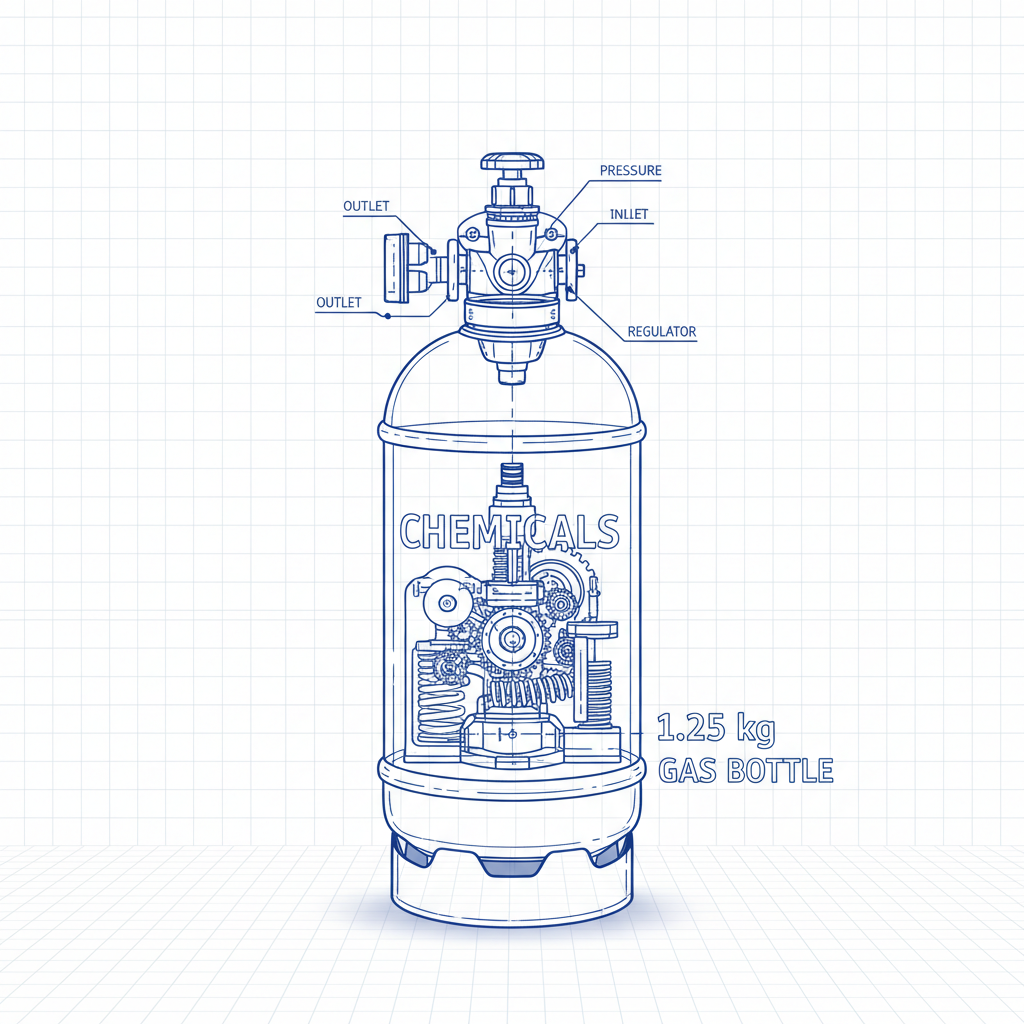
In the complex ecosystem of industrial gas distribution, the lifecycle of a pressure vessel is a critical focal point for safety and operational efficiency. An empty gas bottle is far more than just a depleted container; it represents a vital link in the circular economy of the chemical manufacturing industry, requiring stringent handling and certification protocols to ensure it can be safely refilled.
Globally, the demand for high-pressure storage solutions—ranging from Diving Oxygen Tanks to Food & Beverage Grade CO2 Gas—has surged, placing immense pressure on the logistics of returning and refurbishing cylinders. Understanding the nuances of managing an empty gas bottle is essential for businesses to reduce overhead costs, minimize environmental waste, and comply with international safety standards such as ISO and DOT.
Whether it is the rapid turnover of N2O Cream Chargers in the culinary world or the heavy-duty requirements of Ethylene Gas in industrial synthesis, the transition from a full to an empty gas bottle triggers a series of technical evaluations. By mastering the logistics and safety of these vessels, companies can ensure a seamless supply chain that prioritizes both human safety and industrial productivity.
Global Logistics and the Lifecycle of an Empty Gas Bottle
The movement of an empty gas bottle from the end-user back to the filling plant is a logistical challenge that involves strict adherence to transport regulations. Because these vessels are designed to withstand immense internal pressure, their empty state does not mean they are devoid of risk; residual gases or internal corrosion can pose significant hazards during transit if not properly vented or sealed.
In the global market, the "cylinder exchange" model is the gold standard, where the user returns an empty gas bottle to receive a full one. This system minimizes the capital expenditure for the client while ensuring that the manufacturer can maintain a controlled inventory of high-quality, tested vessels that meet the rigorous demands of food-grade CO2 or industrial oxygen applications.
Material Composition and Structural Integrity
The durability of an empty gas bottle depends primarily on the metallurgy used during its fabrication. High-grade seamless steel and aluminum alloys are the industry standards, chosen for their ability to resist fatigue and withstand thousands of refill cycles without developing microscopic fractures. The choice of material is often dictated by the gas being stored—for instance, aluminum is preferred for oxygen tanks due to its lightweight nature and corrosion resistance.
Beyond the base metal, the internal lining of the bottle plays a pivotal role. For food-grade gases or N2O Cream Chargers, the interior must be non-reactive to prevent contamination. An empty gas bottle undergoes a rigorous inspection process where the inner walls are checked for pitting or scaling, ensuring that no chemical residue from previous fills compromises the purity of the next batch.
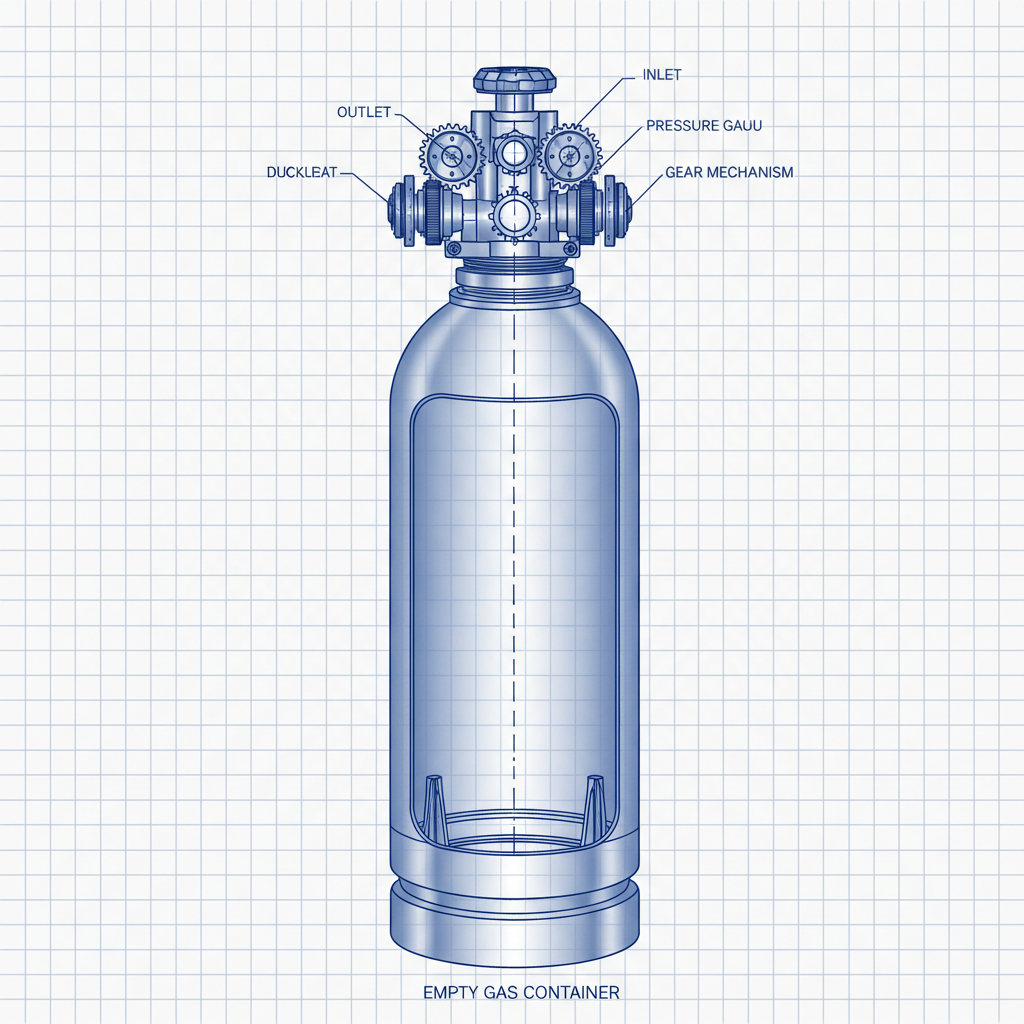
Structural integrity is further reinforced by the neck design and valve assembly. The valve is the most vulnerable point of an empty gas bottle; a damaged thread or a leaking seal can render the entire vessel useless. Therefore, professional refurbishing involves not just cleaning the tank, but a comprehensive overhaul of the valve system to maintain a hermetic seal under extreme pressure.
Safety Standards and Certification Protocols
Ensuring the safety of an empty gas bottle begins with strict adherence to international certification bodies. Every cylinder must be stamped with its manufacture date, working pressure, and test date, allowing inspectors to determine if the vessel is due for a hydrostatic test.
Hydrostatic testing is the cornerstone of safety for any empty gas bottle. By filling the cylinder with water and applying pressure significantly higher than the working limit, technicians can measure the "permanent expansion" of the metal. If the vessel expands beyond a specific percentage, it is decommissioned to prevent catastrophic failure during future use.
Furthermore, color-coding standards help operators instantly identify the contents of a bottle, even when it appears to be an empty gas bottle. This prevents the dangerous mistake of filling a tank designed for inert gases with reactive or flammable substances, thereby safeguarding the entire production line.
Economic Impact of Cylinder Rotation
The efficiency of the "turnaround time"—the period between when a bottle becomes an empty gas bottle and when it is returned to service—directly impacts the bottom line of chemical suppliers. Slow rotation leads to "cylinder drift," where assets are stranded at customer sites, forcing manufacturers to invest in more inventory than is logically necessary.
Implementing a robust tracking system for each empty gas bottle allows companies to optimize their logistics and reduce the cost of procurement. By treating the vessel as a reusable asset rather than a consumable, businesses can shift their focus toward value-added services, such as providing specialized gas blends for diving or food preservation.
Comparison of Empty Gas Bottle Recovery Efficiency
Diverse Applications Across Industrial Sectors
In the medical and diving sectors, the transition to an empty gas bottle is a critical safety event. For a diver, an empty oxygen tank is a signal for immediate ascent, while in a hospital, it triggers an automated replacement sequence to ensure life-support systems never falter. The precision required for these applications means that the empty gas bottle must be purged and cleaned to a surgical grade before any refill.
Conversely, in the food and beverage industry, the use of CO2 and N2O requires high-frequency turnover. An empty gas bottle in a commercial kitchen or brewery is often swapped daily. Here, the focus is on the hygiene of the valve and the speed of the exchange, ensuring that the carbonation of drinks or the whipping of creams is never interrupted by a lack of pressure.
Environmental Sustainability and Circularity
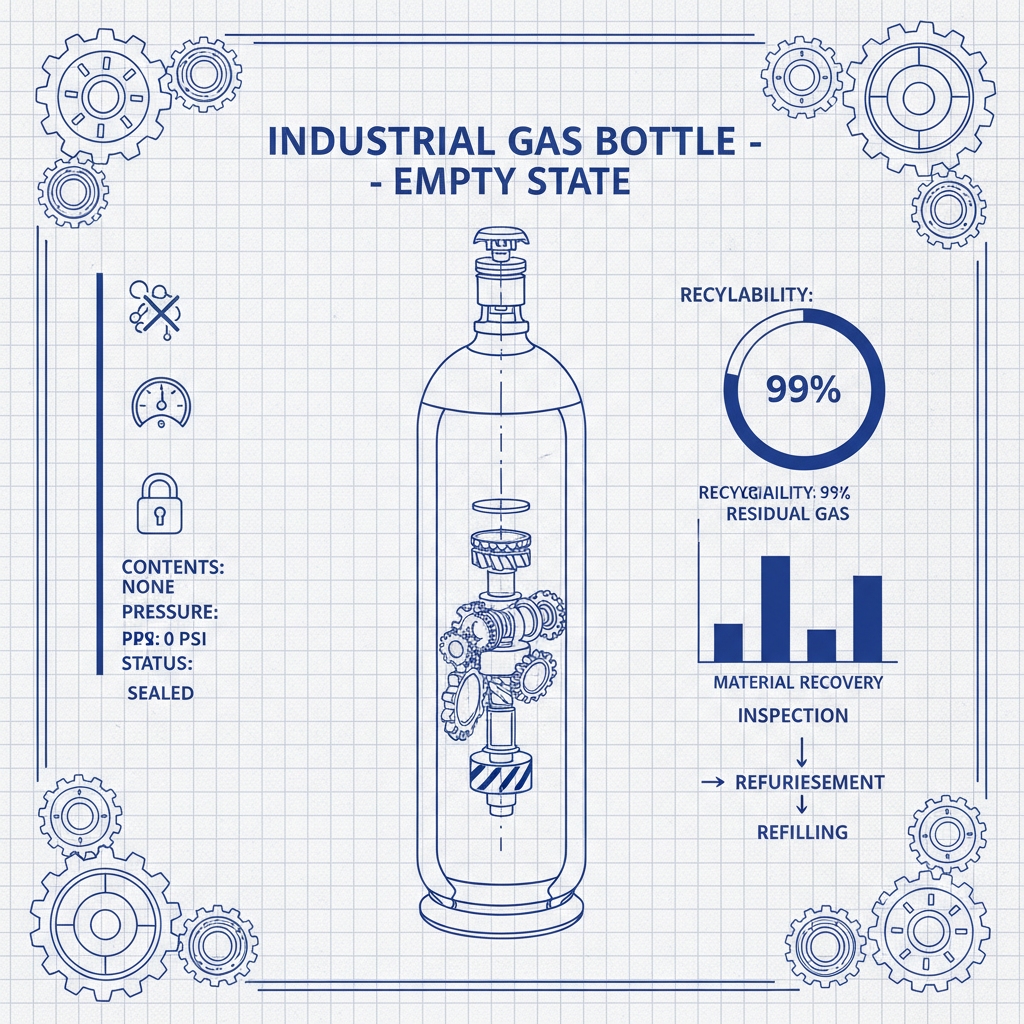
The environmental footprint of the gas industry is significantly reduced by the reuse of the empty gas bottle. By avoiding the need to manufacture a new steel vessel for every fill, the industry saves thousands of tons of carbon emissions associated with smelting and fabrication. This circular model is a prime example of sustainable industrial design.
Moreover, the recycling process for decommissioned cylinders is highly efficient. When an empty gas bottle is finally deemed unfit for pressure service, its high-quality alloy is melted down and repurposed, ensuring that the raw materials stay within the industrial loop.
Sustainability also extends to the logistics of collection. Many companies are now implementing "green routes" for the pickup of empty gas bottles, utilizing electric vehicles and optimized routing software to reduce the fuel consumption associated with the return trip to the filling plant.
Future Innovations in Pressure Vessel Monitoring
The future of the empty gas bottle lies in digitalization. We are seeing the rise of "Smart Cylinders" equipped with integrated pressure sensors and IoT connectivity. These devices can notify the supplier in real-time when a bottle is nearly empty, eliminating the guesswork and allowing for just-in-time delivery.
Advanced materials are also entering the fray. Carbon-fiber composite wraps are being applied to traditional steel cores, creating a hybrid empty gas bottle that is significantly lighter yet capable of holding higher pressures. This reduces the physical strain on workers and lowers transport costs.
Automation in the testing phase is another key trend. Robotic ultrasonic scanners are replacing manual inspections, providing a 360-degree analysis of the vessel's wall thickness. This ensures that no empty gas bottle is refilled if there is even a hint of internal degradation, pushing safety standards to unprecedented levels.
Comparison of Cylinder Material and Maintenance Cycles
| Material Type |
Avg. Lifespan (Years) |
Test Frequency |
Maintenance Cost |
| Seamless Steel |
20-30 |
Every 5 Years |
Low |
| Aluminum Alloy |
15-25 |
Every 5 Years |
Medium |
| Composite Wrap |
10-15 |
Every 3 Years |
High |
| Stainless Steel |
40+ |
Every 10 Years |
Medium |
| Low-Carbon Steel |
10-20 |
Every 2 Years |
Low |
| Titanium Grade 5 |
50+ |
Every 10 Years |
Very High |
FAQS
Check the stamped date on the neck of the cylinder. Most international standards require a hydrostatic test every 5 to 10 years. If the test date has expired, the empty gas bottle must be sent to a certified testing facility before it can be legally refilled.
While empty, these vessels should still be stored in a well-ventilated area and kept upright. Even an "empty" bottle may contain residual gas that can leak. Ensure the valve is closed tightly and the protective cap is in place to prevent damage to the threading.
A depleted empty gas bottle still contains gas at atmospheric pressure. A vacuum-empty bottle has had all air and gas removed. For high-purity applications like food-grade CO2, a vacuum purge is often performed on the empty gas bottle to remove moisture and oxygen before the new fill.
The deposit acts as a financial incentive to ensure the return of the vessel. Because the manufacturing of a high-pressure cylinder is expensive, the deposit ensures the supplier can maintain their fleet of bottles and prevents the loss of valuable industrial assets.
Always ensure the valve is fully closed and the safety cap is screwed on. Bottles should be transported in an upright position and secured to prevent rolling or tipping. In vehicles, they should be kept in a ventilated area, never in a closed trunk for extended periods.
No. Only bottles specifically designed and certified for Nitrous Oxide (N2O) should be used. Using a bottle designed for a different gas can lead to contamination or, in worst-case scenarios, structural failure due to incompatible material reactions.
Conclusion
The management of an empty gas bottle is a critical intersection of safety, logistics, and environmental stewardship. From the precise metallurgy of the vessel to the rigorous hydrostatic testing and the implementation of IoT tracking, every step in the lifecycle of the cylinder is designed to mitigate risk and maximize efficiency. By treating these vessels as reusable assets rather than disposable containers, the industrial gas sector contributes significantly to a sustainable, circular economy while ensuring the reliable delivery of essential gases for diving, food production, and medical care.
Looking forward, the integration of smart monitoring and advanced composite materials will further revolutionize how we perceive the empty gas bottle. Businesses that embrace these technological advancements will not only lower their operational costs but also enhance the safety of their workforce and customers. We encourage all industry stakeholders to prioritize certification and sustainable rotation practices to ensure a safer and more efficient future for gas distribution. Visit our website for more professional solutions: www.whipways.com