The 11kg gas bottle represents a critical intersection of portability and capacity, serving as a foundational tool for diverse industries ranging from culinary arts to specialized diving operations. By providing a standardized volume of compressed gas, these cylinders ensure that professionals can maintain consistent workflows without the logistical burden of oversized tanks or the inefficiency of frequent replacements. Understanding the technical specifications and safety protocols associated with these vessels is essential for maximizing operational uptime and ensuring workplace safety.
Globally, the demand for a reliable 11kg gas bottle has surged as emerging markets transition toward cleaner energy and more precise industrial gas applications. Whether it is the delivery of Food & Beverage Grade CO2 for carbonation or the deployment of N2O Cream Chargers in high-end gastronomy, the 11kg format offers a "sweet spot" in weight-to-volume ratio. This balance allows for easy transport via standard logistics while providing enough reserve to handle peak demand periods in commercial settings.
Beyond mere storage, the evolution of the 11kg gas bottle reflects broader trends in materials science and regulatory compliance. With the integration of high-grade alloys and advanced valve systems, these bottles now meet rigorous international ISO standards, reducing leakage risks and enhancing the purity of the contained gas. For businesses integrating Diving Oxygen Tanks or Ethylene Gas into their supply chain, the 11kg standard provides a predictable unit of measure that simplifies inventory management and cost forecasting.
Global Relevance of the 11kg Gas Bottle
The widespread adoption of the 11kg gas bottle is driven by the global need for standardized energy and chemical delivery. In regions where pipeline infrastructure is absent, these portable cylinders become the primary lifeline for hospitals, restaurants, and small-scale manufacturers. According to industry trends aligned with ISO standards, the 11kg capacity is favored because it fits perfectly into existing transport modalities, allowing for rapid deployment in disaster relief or remote industrial zones.
Furthermore, the versatility of this size makes it indispensable for specialized gases. From the precise requirements of Food & Beverage Grade CO2 in the hospitality sector to the rigorous safety needs of Diving Oxygen Tanks, the 11kg bottle ensures that users have a sufficient buffer of gas to avoid operational downtime. This global standardization reduces the cost of valve replacements and regulator compatibility, fostering a more integrated international supply chain.
Defining the Technical Scope of 11kg Cylinders
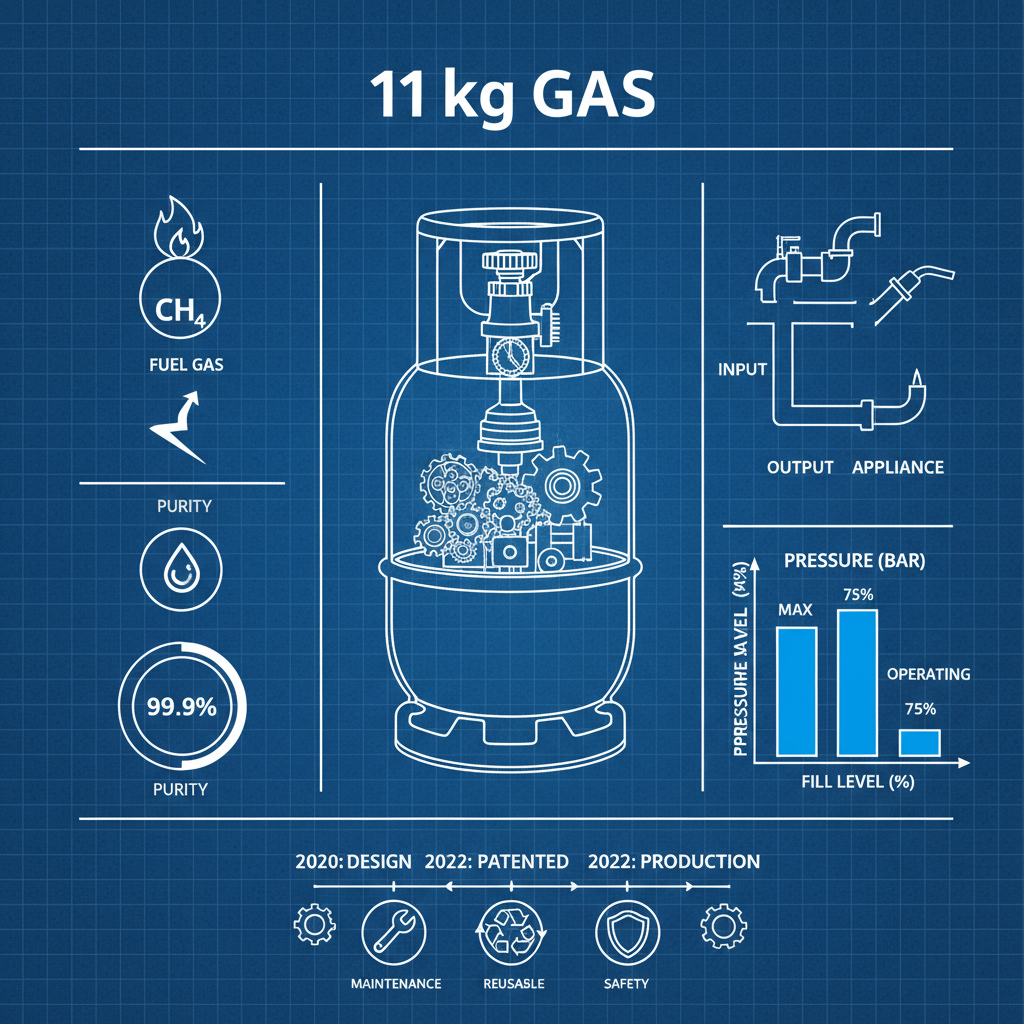
At its core, an 11kg gas bottle is a pressure vessel engineered to hold a specific mass of liquefied or compressed gas. Unlike larger bulk tanks, the 11kg variant is designed for "last-mile" delivery, meaning it is the final container that connects directly to the end-user's equipment. The "11kg" refers to the net weight of the gas content, not the gross weight of the cylinder including the steel shell.
The technical construction typically involves high-tensile seamless steel or composite materials capable of withstanding pressures far exceeding the filling pressure to provide a safety margin. This is particularly crucial for gases like Ethylene or N2O, where thermal expansion can lead to significant pressure increases. The precision of the cylinder's volume ensures that dosing and consumption rates can be calculated with mathematical accuracy.
In the context of modern industry, these bottles are more than just containers; they are precision instruments. Whether they are used for food additives or industrial catalysts, the internal lining of the 11kg gas bottle is often treated to prevent contamination, ensuring that the gas remains at the required purity level from the filling plant to the point of use.
Core Components and Safety Factors
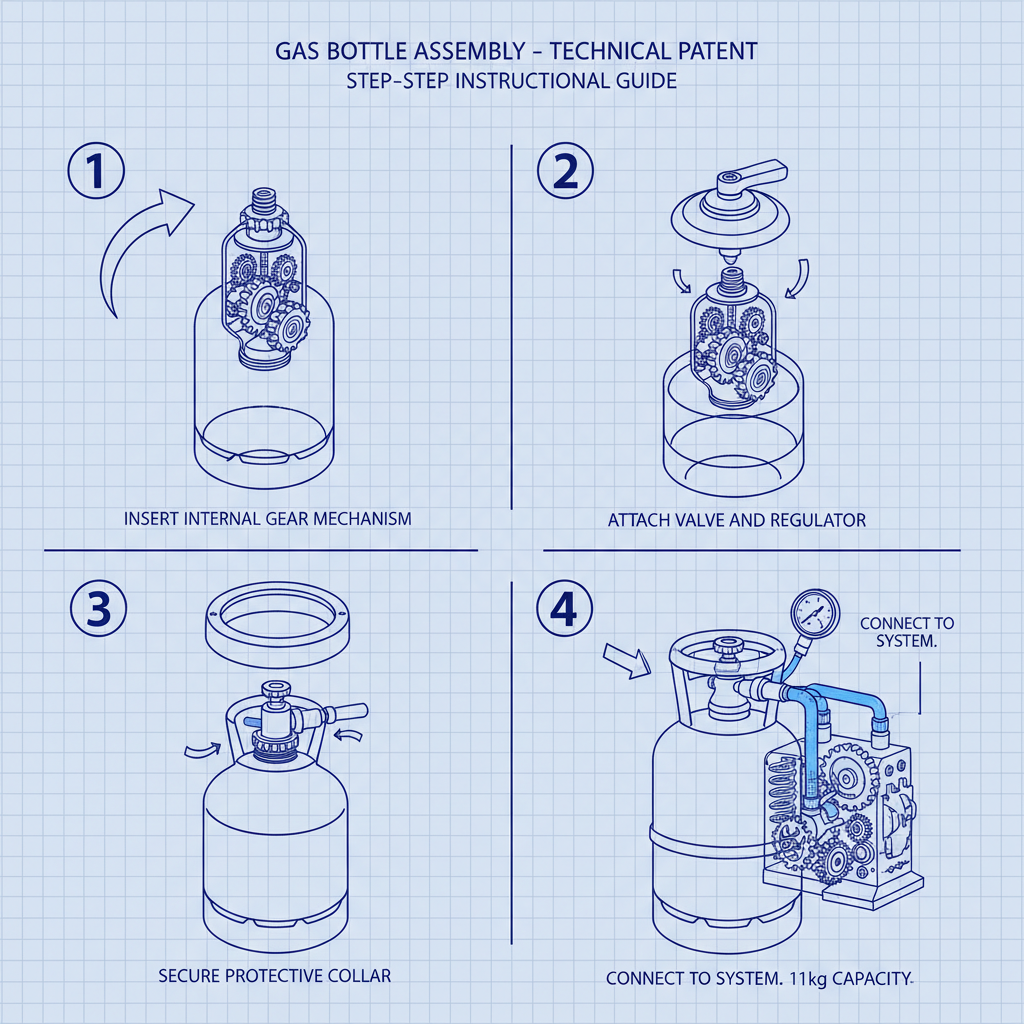
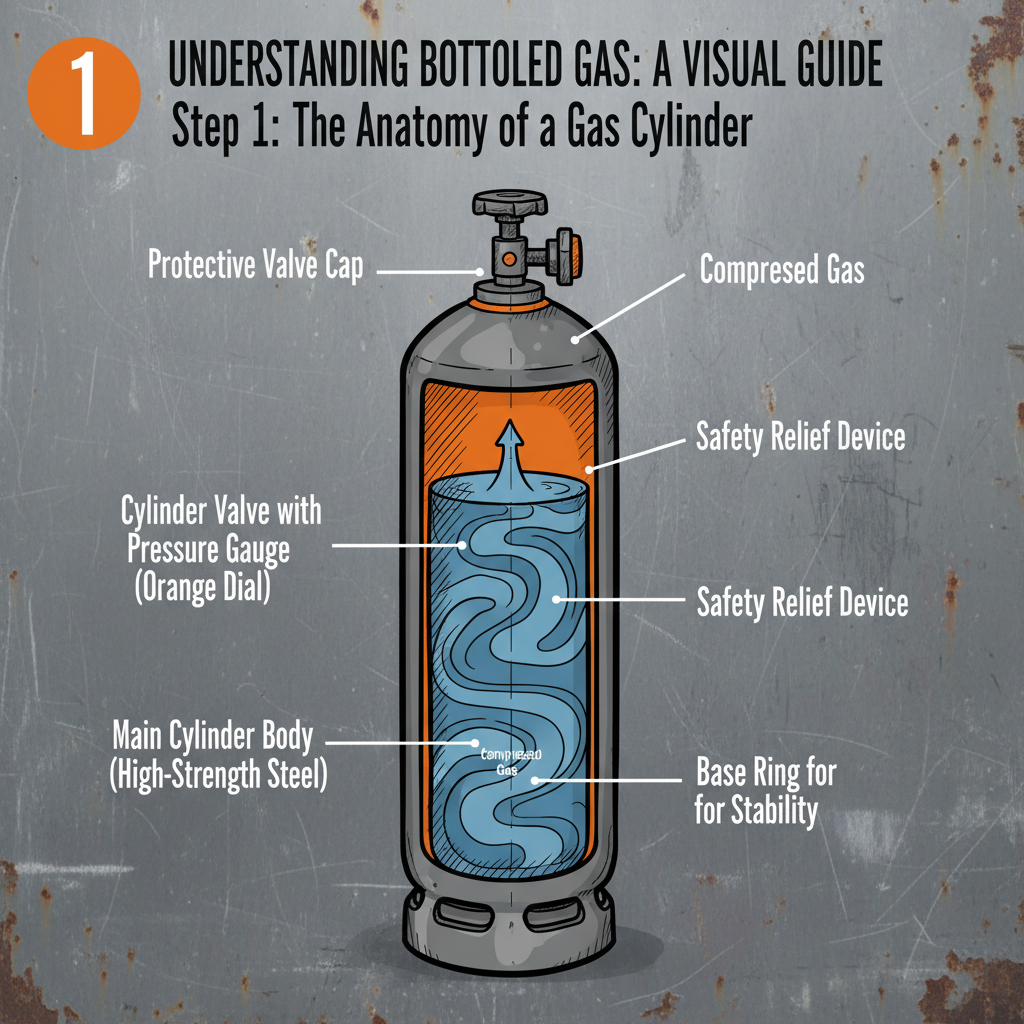
The structural integrity of a 11kg gas bottle depends on several key components, foremost being the cylinder body and the valve assembly. The body is subjected to hydrostatic testing to ensure there are no microscopic fractures in the metal, while the valve acts as the primary control mechanism to prevent accidental discharge and leakage.
Safety is paramount when handling high-pressure vessels. A high-quality 11kg gas bottle will feature a protective collar to shield the valve from impact and a clearly marked tare weight stamped into the shoulder. These markers allow operators to weigh the bottle and determine the remaining gas volume without needing expensive electronic sensors.
Moreover, the compatibility of the regulator is a critical safety factor. Using a regulator specifically calibrated for an 11kg gas bottle prevents "pressure surges" that could damage downstream equipment or lead to hazardous leaks. Regular inspection of the O-rings and seals within the valve assembly is the best practice for maintaining long-term operational safety.
Industrial Applications and Use Cases
The versatility of the 11kg gas bottle allows it to permeate various sectors. In the culinary world, these bottles are the gold standard for dispensing N2O Cream Chargers and CO2 for carbonated beverages, where a steady flow of gas is required to maintain texture and effervescence in high-volume commercial kitchens.
In more technical fields, the 11kg format is utilized for the transport of Ethylene Gas for fruit ripening in agricultural hubs or as a portable source for Diving Oxygen Tanks in emergency decompression scenarios. Because they are manageable by a single person, they are often deployed in remote research stations or post-disaster relief zones where heavy machinery cannot reach.
Performance Efficiency of 11kg Gas Bottle Variants
Economic Advantages and Long-Term Value
From a financial perspective, investing in a standardized 11kg gas bottle fleet reduces the Total Cost of Ownership (TCO). Because the 11kg size is a global industry benchmark, the cost of refills is typically lower than for non-standard sizes due to the economies of scale at filling stations.
Furthermore, the durability of high-grade steel cylinders ensures a long lifecycle, often spanning decades if maintained correctly. This longevity, combined with the ability to repurpose bottles for different gas types (following proper purging), provides businesses with a flexible asset that supports growth without requiring constant capital reinvestment in new hardware.
Future Innovations in Gas Storage
The future of the 11kg gas bottle is leaning heavily toward "Smart Cylinders." We are seeing the integration of IoT sensors in the bottle collar that can transmit real-time gas levels to a cloud platform. This allows for automated reordering and prevents the critical failure of running out of gas during a high-pressure production run.
Material science is also evolving, with a shift toward carbon-fiber composites. These new materials significantly reduce the tare weight of the 11kg bottle while increasing the pressure ceiling, allowing for more efficient transport and reducing the carbon footprint associated with shipping heavy steel containers.
Additionally, there is a growing emphasis on circular economy principles. New recycling programs are ensuring that old bottles are not just scrapped but are refurbished and re-certified, reducing the environmental impact of steel production and promoting a sustainable lifecycle for industrial gas storage.
Challenges and Expert Solutions
One of the primary challenges associated with the 11kg gas bottle is the risk of corrosion, especially in humid or coastal environments. When the outer paint is chipped, moisture can penetrate the steel, leading to pitting that may compromise the vessel's pressure rating over time.
To solve this, industry experts recommend the application of epoxy-based powder coatings and the implementation of a strict "color-coding" inspection regime. By visually tracking the last test date through color-coded rings, companies can ensure that no bottle exceeds its safety certification window.
Another common issue is the "residual gas" problem, where bottles are returned with a small amount of gas remaining, which complicates the refilling process. The solution lies in implementing precision vacuum-purging systems at the filling plant, ensuring that each 11kg gas bottle is completely cleared of old contaminants before being filled with high-purity gas.
Comparison of 11kg Gas Bottle Maintenance and Material Standards
|
Material Type
|
Durability Score (1-10)
|
Weight Efficiency
|
Maintenance Requirement
|
| Seamless Steel |
9 |
Moderate |
Anti-corrosion coating |
| Aluminum Alloy |
8 |
High |
Valve seal check |
| Carbon Composite |
7 |
Very High |
Impact monitoring |
| Stainless Steel |
10 |
Low |
Minimal cleaning |
| Low-Carbon Steel |
6 |
Moderate |
Frequent painting |
| Titanium Blend |
10 |
Extreme |
Specialized certification |
FAQS
The most accurate method is weighing the bottle. Subtract the tare weight (stamped on the bottle's shoulder) from the current gross weight. For example, if the gross weight is 20kg and the tare is 12kg, you have 8kg of gas left. While some use warm water tests for LPG, weighing is the professional standard for all industrial gases.
Yes, provided they are used with approved regulators and kept in well-ventilated areas. For Food & Beverage Grade CO2 or N2O, it is highly recommended to secure the bottle in a dedicated stand to prevent tipping and to install a CO2 leak detector if storing multiple 11kg bottles in a confined space.
This depends on the valve type and the supplier's policy. Many suppliers only refill their own branded cylinders to ensure the bottle has undergone recent hydrostatic testing. Always check that the valve thread is compatible to avoid "forced fitting," which can lead to dangerous leaks.
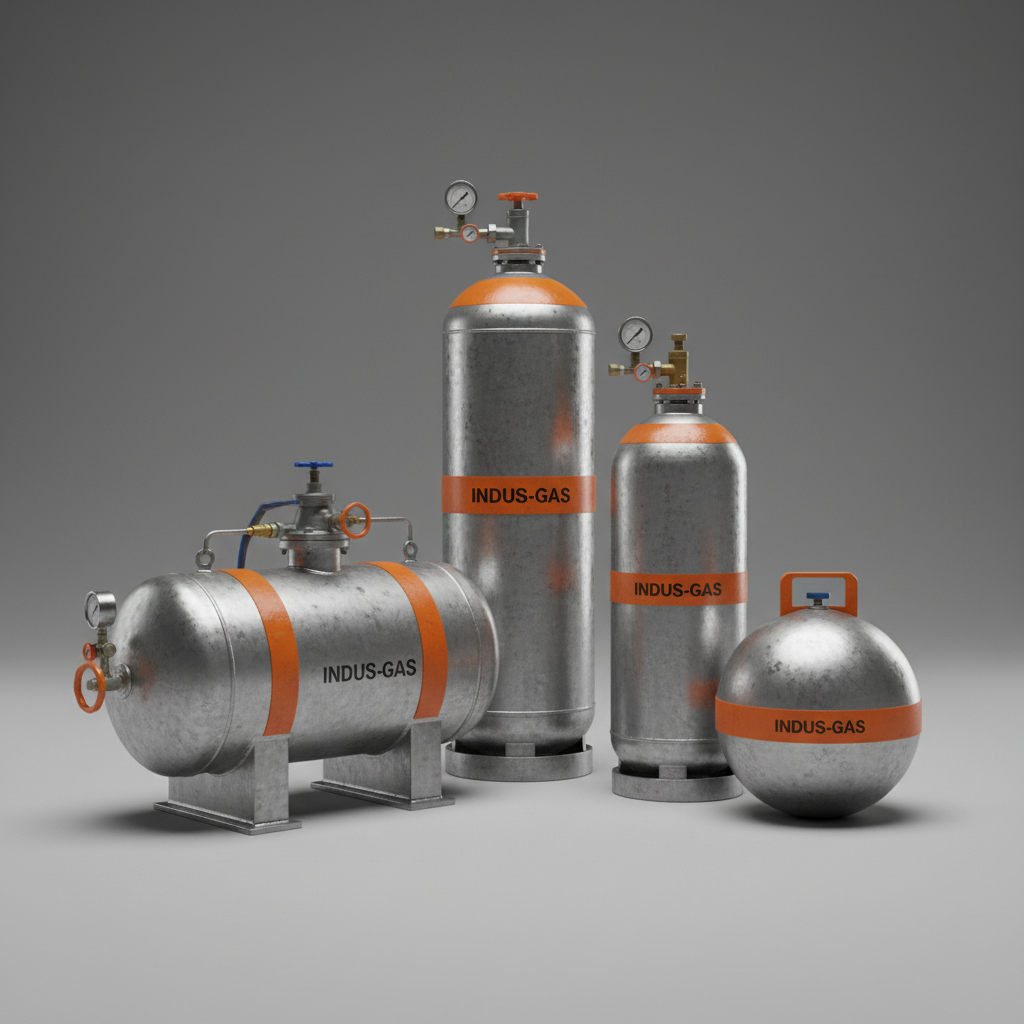
The 11kg gas bottle is a portable, interchangeable unit designed for flexibility and small-to-medium demand. Bulk tanks are stationary installations connected via permanent piping. The 11kg version is ideal for businesses that need mobility or lack the space/permits for a permanent bulk installation.
According to most international standards (such as DOT or ISO), pressure vessels should be hydrostatically tested every 5 to 10 years. Check the stamp on your bottle for the "last test date." Using an out-of-date cylinder is a safety violation and can lead to catastrophic failure under pressure.
For diving, aluminum or composite materials are preferred over steel due to their corrosion resistance in saltwater environments and their lighter weight, which improves buoyancy control. A composite 11kg bottle offers the best weight-to-strength ratio for divers needing extended bottom time.
Conclusion
The 11kg gas bottle remains an indispensable asset in the global industrial landscape, bridging the gap between bulk storage and end-point application. By combining a manageable physical footprint with a significant gas capacity, it supports critical operations in gastronomy, healthcare, and industrial manufacturing. From the precision of Food & Beverage Grade CO2 to the life-saving potential of Diving Oxygen Tanks, the standardization of this format ensures reliability, safety, and economic efficiency across borders.
Looking forward, the transition toward smart monitoring and sustainable composite materials will further enhance the utility of these vessels. For businesses looking to optimize their gas supply chain, focusing on high-quality materials and strict maintenance schedules is the key to long-term success. We encourage operators to transition toward IoT-enabled cylinders to minimize downtime and maximize safety. Visit our website for more professional solutions: www.whipways.com