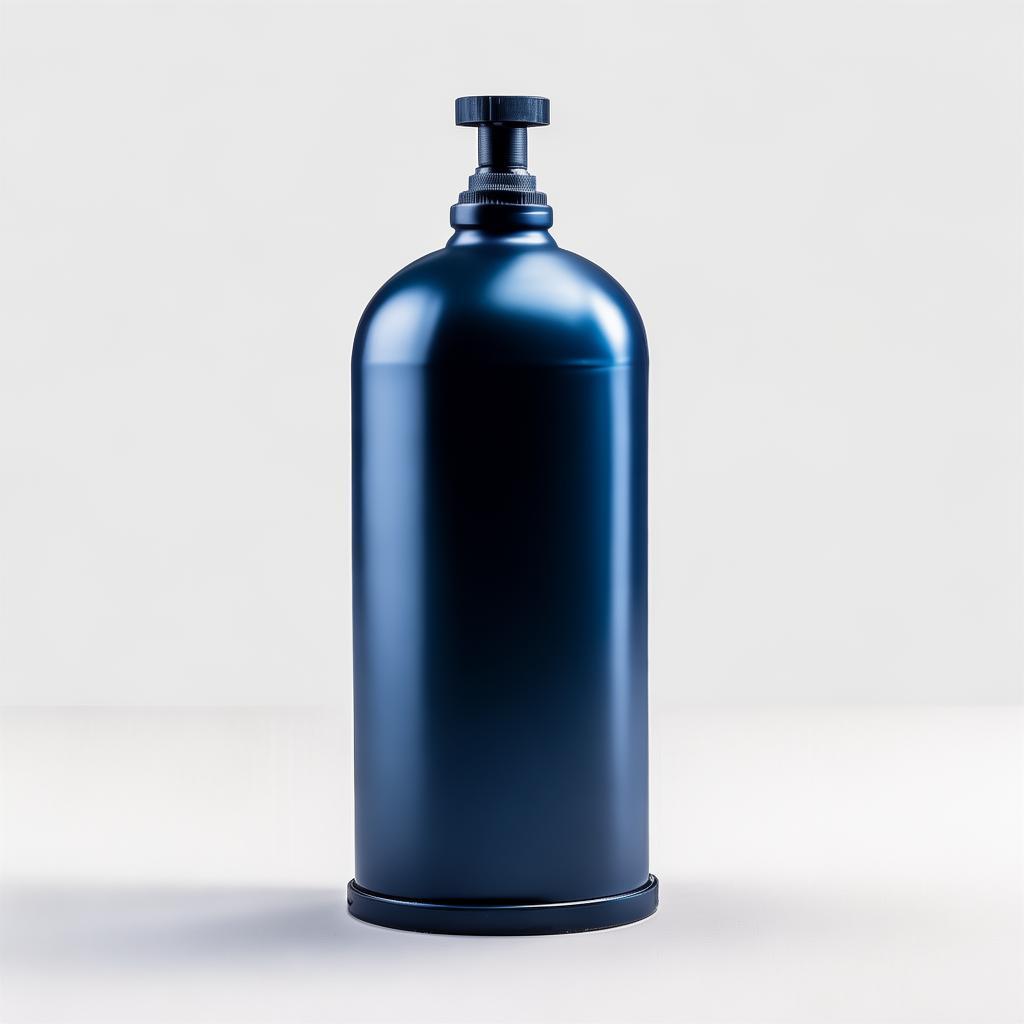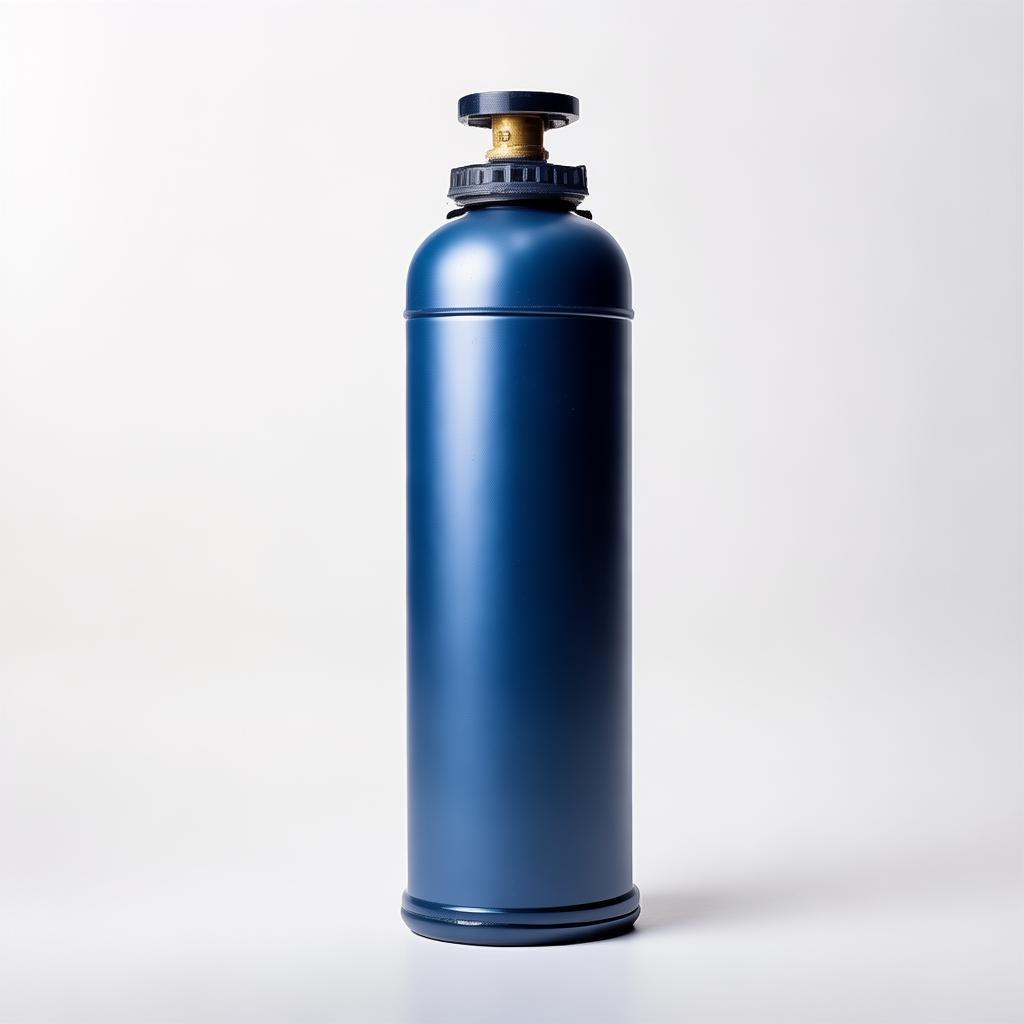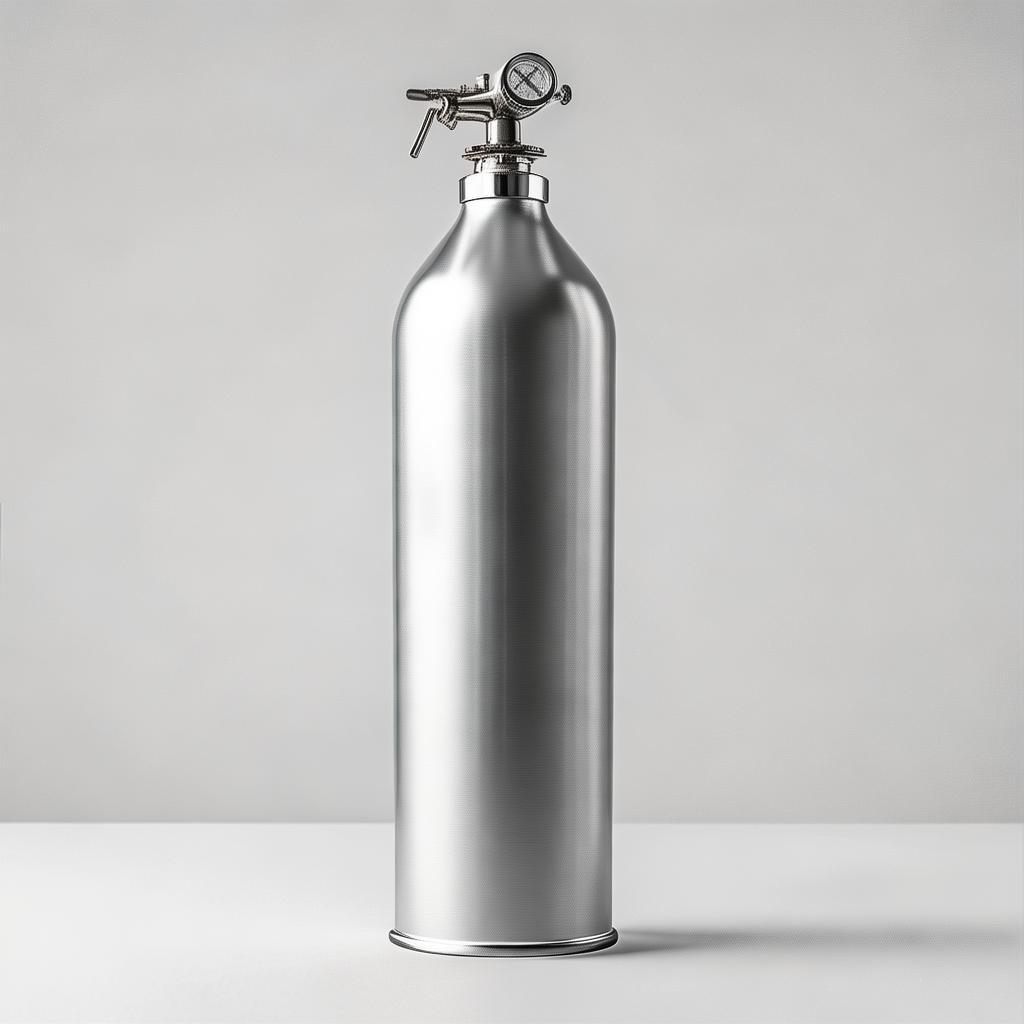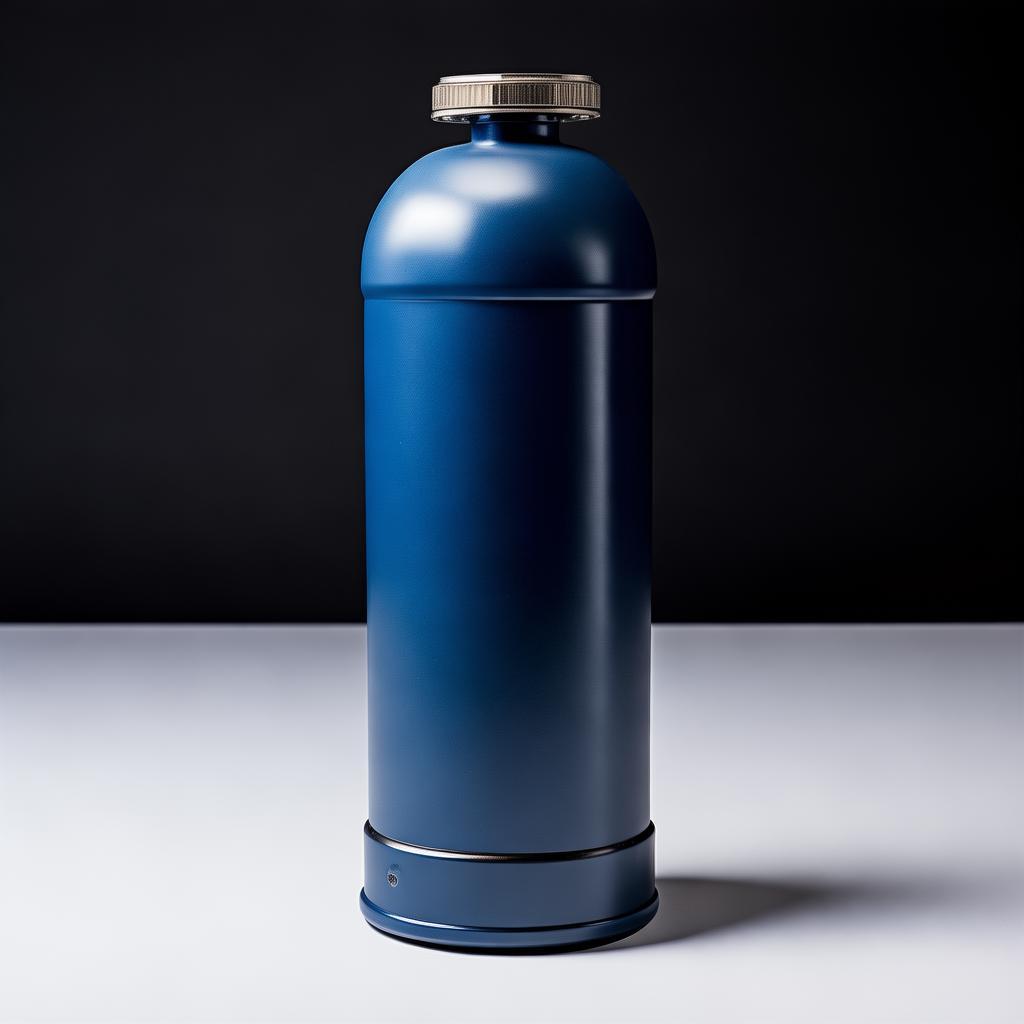

Type 3 Cylinder CNG: Lightweight Composite Solutions for Modern Natural Gas Storage & Fleet Operations
Published: January 2026 | Category: Product Guide & Buyer’s Resource
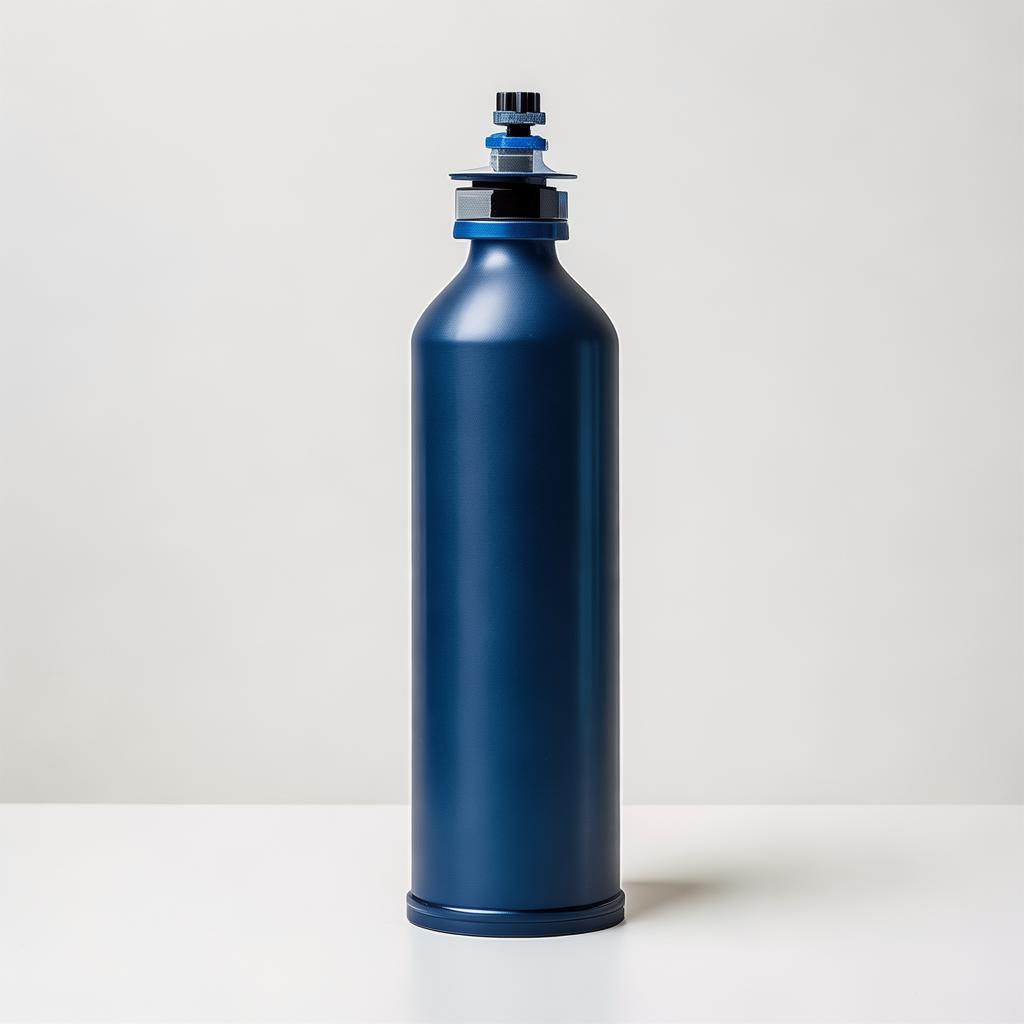
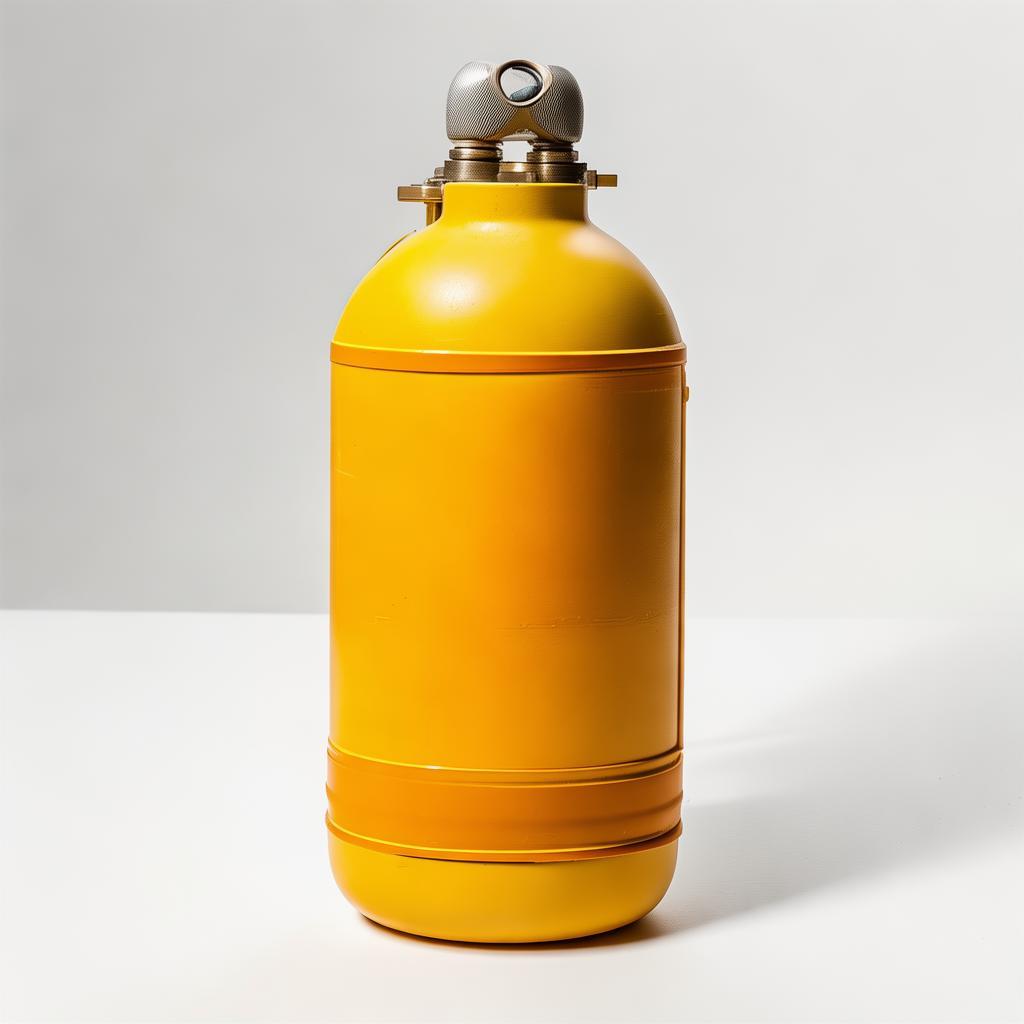
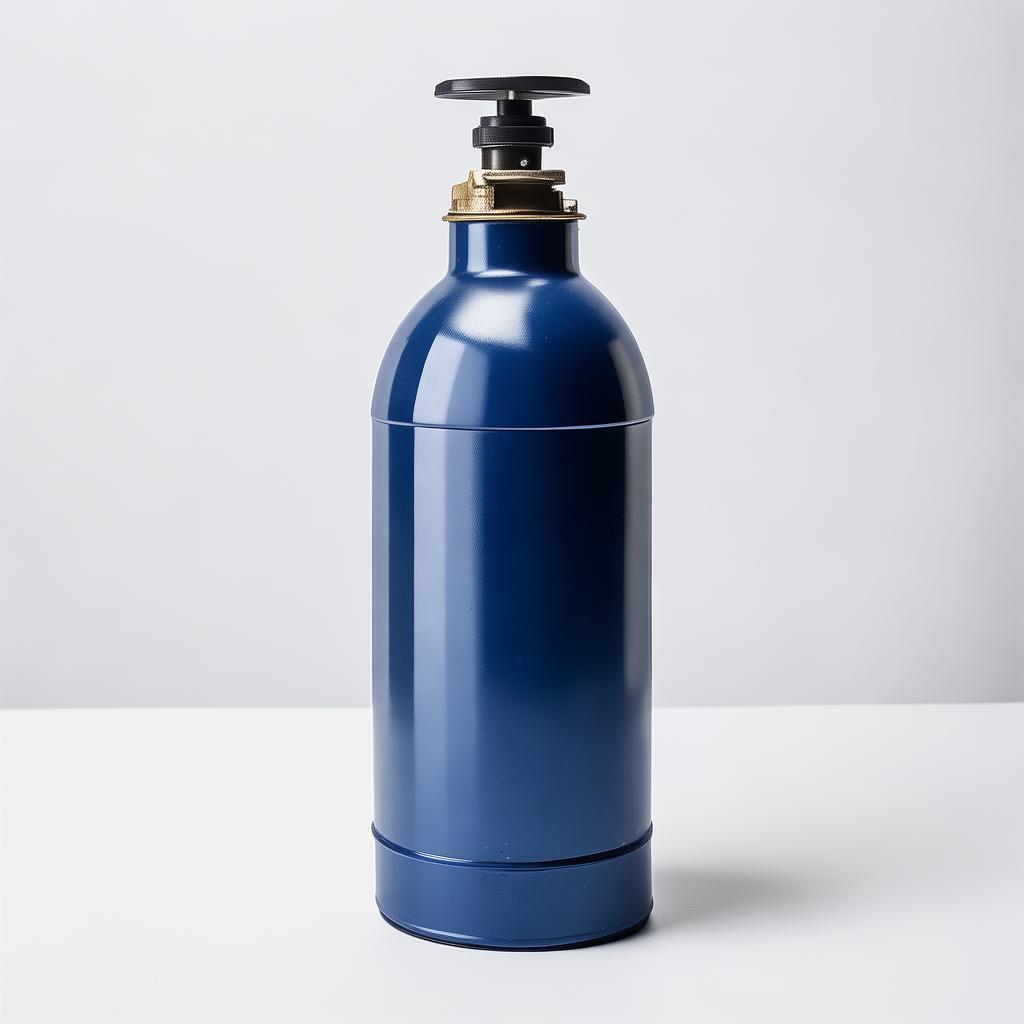
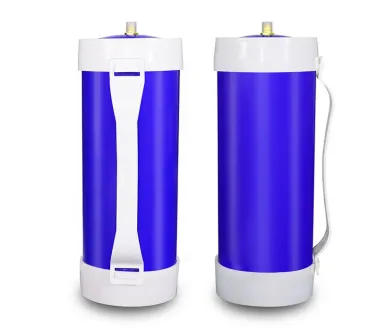
Q: What is a Type 3 cylinder CNG, and why should fleet operators and gas distributors consider upgrading from traditional steel cylinders? A Type 3 cylinder for CNG (compressed natural gas) features an aluminum inner liner fully wrapped with a carbon-fiber composite shell. This engineering design delivers a 40–60% weight reduction compared to all-steel (Type 1) cylinders, higher fatigue life, and complete corrosion resistance — making it the preferred choice for transit buses, light-duty trucks, and stationary CNG storage. At Zhuzhou XingYe Chemical, we combine over a decade of high-pressure vessel expertise with China’s advanced composite supply chain to offer certified Type 3 CNG cylinders that meet DOT, ISO 11119-2, and ECER110 standards. Whether you are sourcing for a municipal fleet or a wholesale distribution network, read on for technical specs, compliance details, and procurement terms that matter to import managers like you.

Michael Thornton
Senior Pressure Vessel Engineer & Industry Consultant | 22 years in composite cylinder manufacturing & gas equipment sourcing
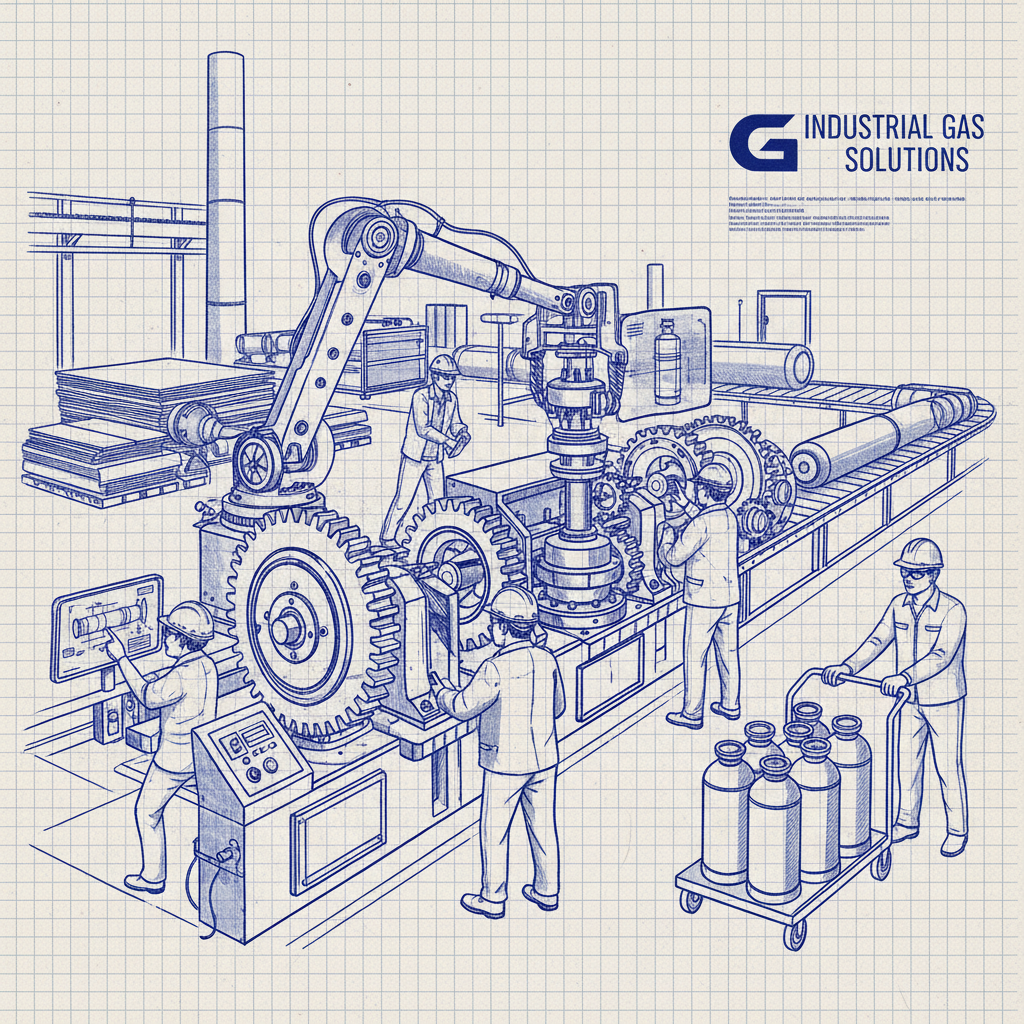
Factory view — Dedicated Type 3 composite cylinder winding & curing line at Zhuzhou XingYe Chemical, Hunan, China (2026).
Why Sourcing Managers Are Moving Away from Legacy Steel CNG Cylinders
For years, Type 1 (all-steel) cylinders dominated the CNG storage market. However, three persistent pain points have driven procurement teams to explore alternatives:
- Excessive weight — A typical Type 1 CNG cylinder for bus applications can weigh over 120 kg, reducing payload and fuel efficiency. Fleet managers report 8–12% higher fuel consumption due to dead weight.
- Corrosion & inspection cycles — Steel cylinders are prone to internal and external corrosion, especially in humid or winter-salt environments. Frequent hydrostatic retesting (every 3–5 years in the US) drives up total cost of ownership.
- Safety limitations — Steel cylinders fail by rupture rather than controlled leakage. Type 3 composite cylinders offer a “leak-before-burst” failure mode, considered a critical safety advantage by DOT and ISO standards.
In a 2025 survey of North American fleet operators, 63% stated they would prioritize lightweight composite cylinders for their next CNG vehicle procurement cycle (Source: NATSO/Cleantech Fleet Survey, 2025). For import managers and brand owners, this shift represents both a market opportunity and a sourcing challenge: finding a certified, cost-effective Type 3 cylinder manufacturer with consistent quality and reliable delivery.
The Type 3 Cylinder Advantage — Engineered for Performance & Compliance
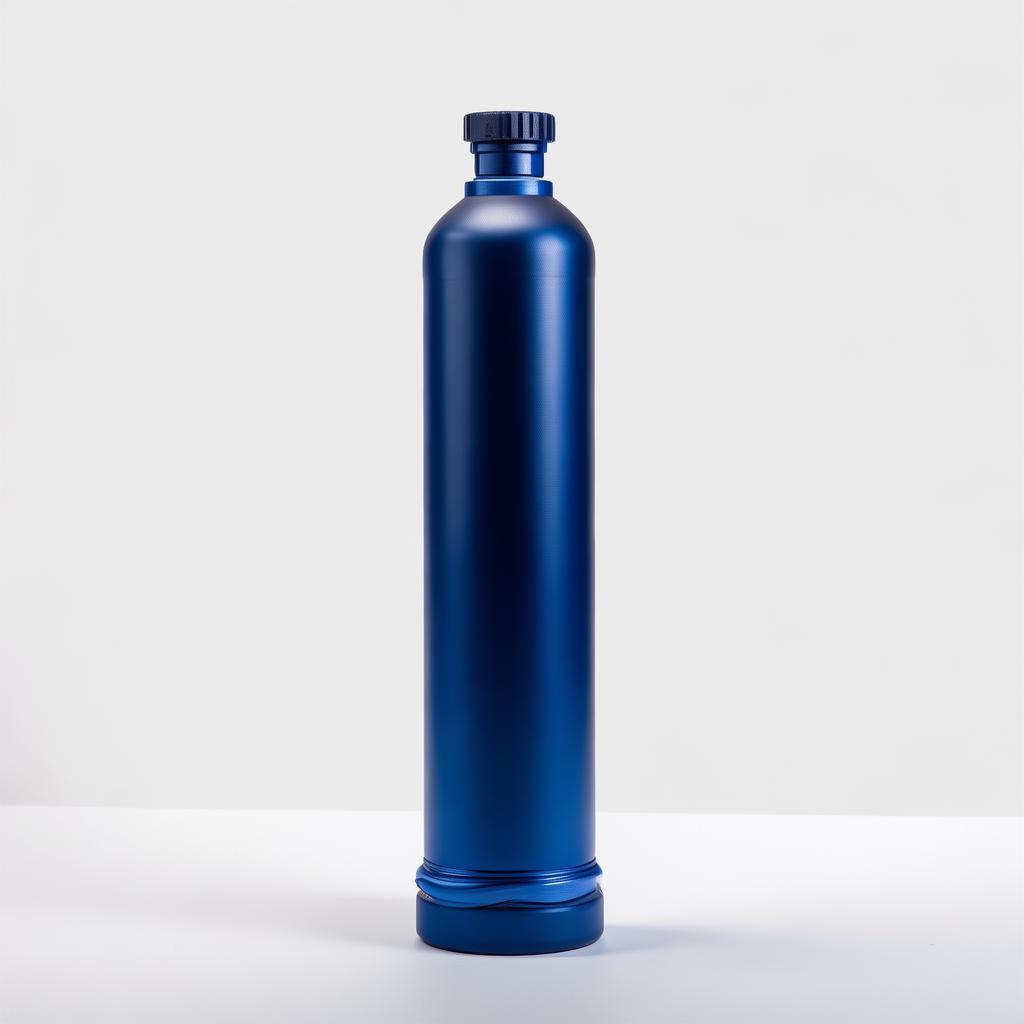
A Type 3 cylinder CNG from XingYe Chemical is built around an aluminum 6061-T6 seamless liner, overwrapped with high-tensile carbon fiber in an epoxy resin matrix. The result is a pressure vessel that delivers:
- Working pressure: 200 bar / 250 bar / 300 bar (3,000–4,350 psi) as specified.
- Weight savings: 40–60% lighter than equivalent Type 1 cylinders, enabling higher payloads and easier installation.
- Service life: 20+ years design life with 15,000+ fill/empty cycles (ISO 11119-2).
- Leak-before-burst safety: The composite wrap ensures controlled failure, reducing catastrophic rupture risk.
- Zero corrosion: Aluminum liner and composite outer eliminate rust, reducing maintenance and retesting frequency.
Each cylinder is 100% hydrostatically tested and certified with traceable serial numbers. We offer standard sizes from 30L to 300L water capacity (equivalent to 6–60 kg CNG storage), and custom geometries for OEM integration — a critical capability for brand owners developing bespoke vehicle or stationary systems.

Hydrostatic proof testing of a Type 3 CNG cylinder (250 bar) — every unit is individually validated before shipment.
Type 3 vs. Other Cylinder Types — A Side-by-Side Comparison
The table below summarizes how Type 3 cylinders compare to Type 1, Type 2, and Type 4 alternatives commonly available in the US and global markets:
| Parameter | Type 1 (All-Steel) | Type 2 (Steel + Composite Hoop) | Type 3 (Alu Liner + Full Composite) | Type 4 (Polymer Liner + Full Composite) |
|---|---|---|---|---|
| Weight (50L @ 200 bar) | ~85 kg | ~65 kg | ~38 kg | ~32 kg |
| Corrosion resistance | Low (requires coating) | Moderate | High (no rust) | High |
| Service life (years) | 15–20 | 15–20 | 20+ | 20+ |
| Fatigue cycles | ~5,000 | ~8,000 | 15,000+ | 15,000+ |
| Failure mode | Rupture | Leak-before-burst | Leak-before-burst | Leak-before-burst |
| Relative cost index | 1.0x (baseline) | 1.4–1.6x | 1.8–2.2x | 2.5–3.0x |
Table 1: Comparative analysis of common CNG cylinder types. Values are approximate and may vary by manufacturer, size, and certification. “Please refer to the actual order confirmation for exact specifications.”
Key takeaway for buyers: Type 3 cylinders offer the best balance of weight savings, safety, service life, and cost for most fleet and industrial applications. Type 4 cylinders are lighter but carry a 25–40% price premium and require specialized liner materials that can be more temperature-sensitive. For the majority of Type 3 cylinder CNG procurement RFQs we handle, the value proposition is clear — 20+ year service life, DOT compliance, and 40–50% weight reduction at a predictable cost point.
Compliance & Certification — Meeting US and International Standards
For import managers and brand owners, certification is non-negotiable. Every Type 3 cylinder CNG from XingYe Chemical is manufactured and tested in accordance with the following standards (as applicable per order):
- DOT (US Department of Transportation) — 49 CFR § 178.37 — For cylinders destined for the US market, we offer DOT-spec compliant manufacturing with third-party witnessed testing.
- ISO 11119-2 — International standard for refillable composite gas cylinders with an aluminum liner (Type 3).
- ECE R110 — United Nations regulation for CNG vehicles, recognized in European and many Asian markets.
- ISO 9001:2015 — Quality management system certification for our manufacturing facility (Certificate No. QM-2024-1039).
- COA & MSDS — Certificate of Analysis and Material Safety Data Sheet provided with every batch.
Our facility in Zhuzhou, Hunan, maintains full traceability from raw material receipt (aluminum billets, carbon fiber tow, epoxy resin) to final serial-numbered cylinder. We also support third-party inspection (SGS, Bureau Veritas, Intertek) at the buyer’s request — a standard requirement for government and municipal fleet tenders.
⚠️ Compliance Note: CNG cylinder regulations vary by country and application. For example, cylinders used in the US for over-the-road vehicles must meet DOT FMVSS 304. We recommend consulting your local authority or contacting our technical sales team to confirm the correct certification package for your target market. “Please refer to the actual order confirmation for certification details.”
Factory Strength — Why Sourcing from XingYe Chemical Gives You a Competitive Edge
With 180+ experienced employees and a dedicated production area of 15,000+ m² spanning R&D, filament winding, curing, testing, and logistics, Zhuzhou XingYe Chemical offers one of the most vertically integrated Type 3 cylinder CNG production lines in Central China. Our supply chain advantages include:
- Raw material partnerships: Long-term agreements with domestic and international carbon fiber suppliers (Toray-grade equivalent), ensuring stable pricing and traceability.
- In-house liner manufacturing: We produce our own aluminum 6061-T6 seamless liners via deep-drawing and neck-forming processes, eliminating third-party delays.
- Advanced winding technology: 6-axis robotic filament winding stations enable precise fiber placement for consistent strength and weight optimization.
- 100% lot testing: Every cylinder undergoes hydrostatic proof testing, burst testing (per batch), and leak testing (dynamic gas leak detection).
We have been in operation since 2014 (over 11 years of high-pressure gas equipment manufacturing). Our export volume has grown steadily — in 2025 alone, we shipped over 4,800 composite cylinders to 14 countries, including North America, Europe, and the Middle East.
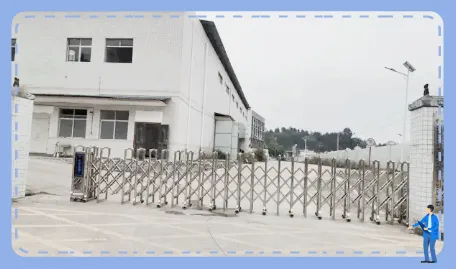
Central logistics hub at Zhuzhou — ready for container loading to FOB Shanghai or Shenzhen.
Procurement Terms — MOQ, Lead Time, OEM & Logistics
| Parameter | Standard (Non-OEM) | OEM / Private Label |
|---|---|---|
| MOQ | 50 units per size | 100 units per size/design |
| Lead Time (from deposit) | 25–30 working days | 30–40 working days |
| Payment Terms | T/T (30% deposit / 70% balance) | T/T or L/C at sight |
| OEM Support | N/A | Custom valve specification, private labeling, custom packaging, color marking, barcode/lot traceability |
| Sample Policy | 1–2 samples available (refundable with bulk order) | Custom sample produced at cost + tooling fee |
| Shipping / Incoterms | FOB Shanghai / Shenzhen; CIF available by negotiation | FOB / CIF / DAP (negotiable for large contracts) |
Table 2: Standard procurement terms for Type 3 CNG cylinders. “Please refer to the actual order confirmation for final MOQ, lead time, and payment terms.”
After-sales support: Every order includes a 12-month warranty against manufacturing defects (excluding damage from improper handling or overpressure). Our English-speaking technical support team is available via WhatsApp / email during CST business hours, and we maintain a spare-parts inventory for common valve and boss components. For long-term OEM partners, we offer annual cylinder inspection refresher training (remote or on-site) to help your team comply with local retesting regulations.
Where Type 3 CNG Cylinders Deliver the Most Value — Real-World Applications
🚌 Transit & School Bus Fleets
Weight reduction of 50–80 kg per cylinder means more passengers or cargo per route. Type 3 cylinders are standard in many new CNG bus programs across California and New York.
🚛 Light-Duty Trucks & Vans
For step vans and last-mile delivery vehicles, Type 3 cylinders allow underbody mounting without reducing ground clearance — thanks to their slim profile and corrosion resistance.
🏭 Stationary CNG Storage
Industrial facilities and fast-fill CNG stations use Type 3 cascades for buffer storage. Longer service life (20+ years) reduces capital replacement costs significantly.
⛽ Mining & Off-Road Equipment
Corrosion resistance and impact tolerance make Type 3 cylinders a strong fit for surface and underground mining vehicles operating in abrasive, humid conditions.
What Import Managers & Fleet Operators Say About XingYe Type 3 Cylinders
The following reviews are from verified buyers who have sourced Type 3 cylinder CNG units from our factory for use in their respective markets. Names and companies are used with permission.

“We trialed Type 3 cylinders from three different suppliers over 2024–2025. XingYe’s units arrived with the most consistent burst test results — less than 3% variance across our sample batch of 50. The DOT certification package was complete and accepted by our local regulator without follow-up questions. Lead time was 27 days from deposit to FOB Shanghai — 5 days ahead of their quoted schedule. We have since placed two repeat orders.”

“Switching our 42-bus CNG fleet from Type 1 to Type 3 cylinders was a capital project I’d been planning for years. XingYe provided pre-shipment samples that passed our internal hydrostatic and visual inspection. The weight difference is dramatic — our mechanics appreciated being able to handle cylinders without overhead cranes. We’ve seen a measured 7% improvement in fuel economy per bus. The 20-year design life gives our finance team confidence in the ROI.”

“We needed custom valve threads and a specific neck geometry to fit our existing manifold design. XingYe’s engineering team accommodated the modifications within the standard OEM lead time — no tooling surcharge for the small changes. The cylinder surface finish and labeling were exactly as specified. We have since listed XingYe as an approved vendor for our entire dealer network.”

“ECE R110 certification is not something every Chinese manufacturer invests in. XingYe’s Type 3 cylinders were accepted without issue by TÜV during our system homologation. Documentation was thorough — traceable from aluminum batch to carbon fiber spool. We have just initiated a 12-month framework agreement for 600 units annually.”

“For our remote CNG fueling stations, cylinder reliability in high ambient temperatures (50°C+) is critical. We commissioned an independent thermal cycling test — XingYe’s Type 3 cylinders performed within spec after 2,000 cycles at 60°C. Sales and logistics communication was clear and professional. We will be recommending them to our sister companies in the region.”
Frequently Asked Questions — Type 3 Cylinder CNG Sourcing
Q: US DOT certification — do you have valid DOT approvals for Type 3 CNG cylinders?
A: Yes. We manufacture to DOT 49 CFR § 178.37 specifications and have successfully completed third-party witnessed testing for our Type 3 product line. Each cylinder destined for the US market is marked with the applicable DOT stamp. We recommend requesting a copy of our DOT compliance dossier for your specific size and pressure class during the inquiry stage.
Q: What is the typical MOQ for a first-time OEM order?
A: For OEM/private label orders (custom branding, packaging, valve specification), our MOQ is 100 units per size/design. For standard (non-OEM) orders, we accept 50 units per size. Sample orders (1–2 units) are available for evaluation — the sample cost is refundable upon placement of a commercial order.
Q: How are the cylinders packaged for export?
A: Each cylinder is individually wrapped with moisture-proof paper and EPE foam, then packed in heavy-duty wooden crates or steel-pallet cages, depending on size and quantity. We follow ISPM 15 heat-treated wood packaging standards for shipments to the US and EU. A full packing list and photos are provided before container loading.
Q: Can you customize the valve connection (e.g., CGA 440, CGA 870, DIN 6)?
A: Yes. We offer CGA, BS, DIN, and JIS-standard valves as standard options, and can source other connection types upon request. Please confirm your required valve standard with our sales team at the quotation stage.
Q: What after-sales support do you provide?
A: Every cylinder carries a 12-month manufacturing warranty. We provide technical documentation (drawings, COA, MSDS, inspection reports) with each shipment. For longer-term OEM relationships, we offer remote training sessions on cylinder handling, inspection, and retesting procedures. Our technical team is available via WhatsApp and email during business hours (UTC+8).
Ready to Source Certified Type 3 CNG Cylinders?
Whether you need a sample for evaluation, a bulk CIF quotation, or OEM specification support — our sales and engineering teams are ready to assist.
📧 Email: boss@happywhip.com
cng type 3 cylinder type 3 cng cylinder cng cylinder type
📞 Tel / WhatsApp: +86 13787826843 / 19313298383
🌐 Web: www.whipways.com
📍 Add: Room 619-3, Henghe Industry And Trade Headquarters, No. 1099 Qingxia Road, Tongtangwan Street, Zhuzhou, Hunan, China
“Please refer to the actual order confirmation for final specifications, pricing, and delivery terms.”
About the Author — Michael Thornton
Michael Thornton is a Senior Pressure Vessel Engineer with 22 years of experience in the composite cylinder and gas storage industry. He has held technical leadership roles at pressure vessel manufacturers in Asia and Europe, and has consulted on CNG safety programs for transit agencies across North America. Michael writes regularly on high-pressure gas containment technologies, supply chain best practices, and regulatory compliance for B2B buyers. The views expressed in this article are his own and do not necessarily reflect the official policy of Zhuzhou XingYe Chemical.
© 2026 Zhuzhou XingYe Chemical Co., Ltd. All rights reserved. Product specifications and certifications are subject to change without notice. “Please refer to the actual order confirmation for all binding terms.”
For the most current product information, visit www.whipways.com