- boss@happywhip.com
- Mon - Sat at 9:00AM to 6:00PM

Comprehensive Guide to 50 kg LPG Cylinder Dimensions and Safety Standards
Understanding 50 kg LPG Cylinder Dimensions
When sourcing Liquefied Petroleum Gas (LPG) cylinders for your business, understanding their dimensions is crucial for safe handling, storage, and transportation. Whipway specializes in providing high-quality LPG cylinders tailored to meet diverse needs. This article will comprehensively cover the 50 kg lpg cylinder dimensions, including key specifications, safety considerations, and practical applications. Knowing these dimensions enables efficient logistics planning and ensures compliance with industry standards. We'll also explore the factors influencing cylinder size and common applications for this capacity.
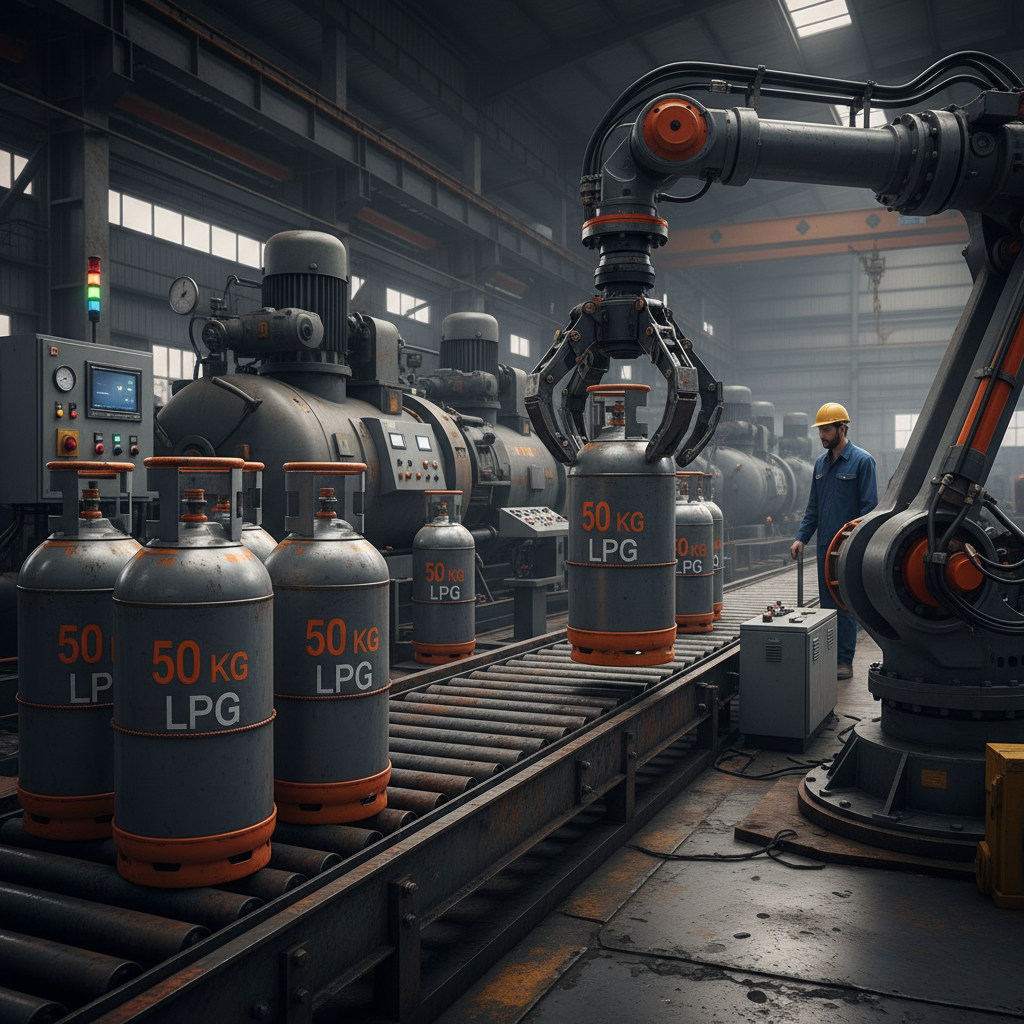
Key Specifications of a 50 kg LPG Cylinder
A 50 kg LPG cylinder isn’t filled with exactly 50kg of gas. The weight refers to the amount of LPG it can hold. Understanding the precise dimensions is vital for storage rack design, vehicle loading, and overall logistics. The standard 50kg LPG cylinder is typically made of steel, designed for high pressure, and incorporates safety features like pressure relief valves. The dimensions can vary slightly depending on the manufacturer and the specific standards adhered to (e.g., European EN 1442, or other regional standards). However, here’s a breakdown of the typical measurements you can expect:
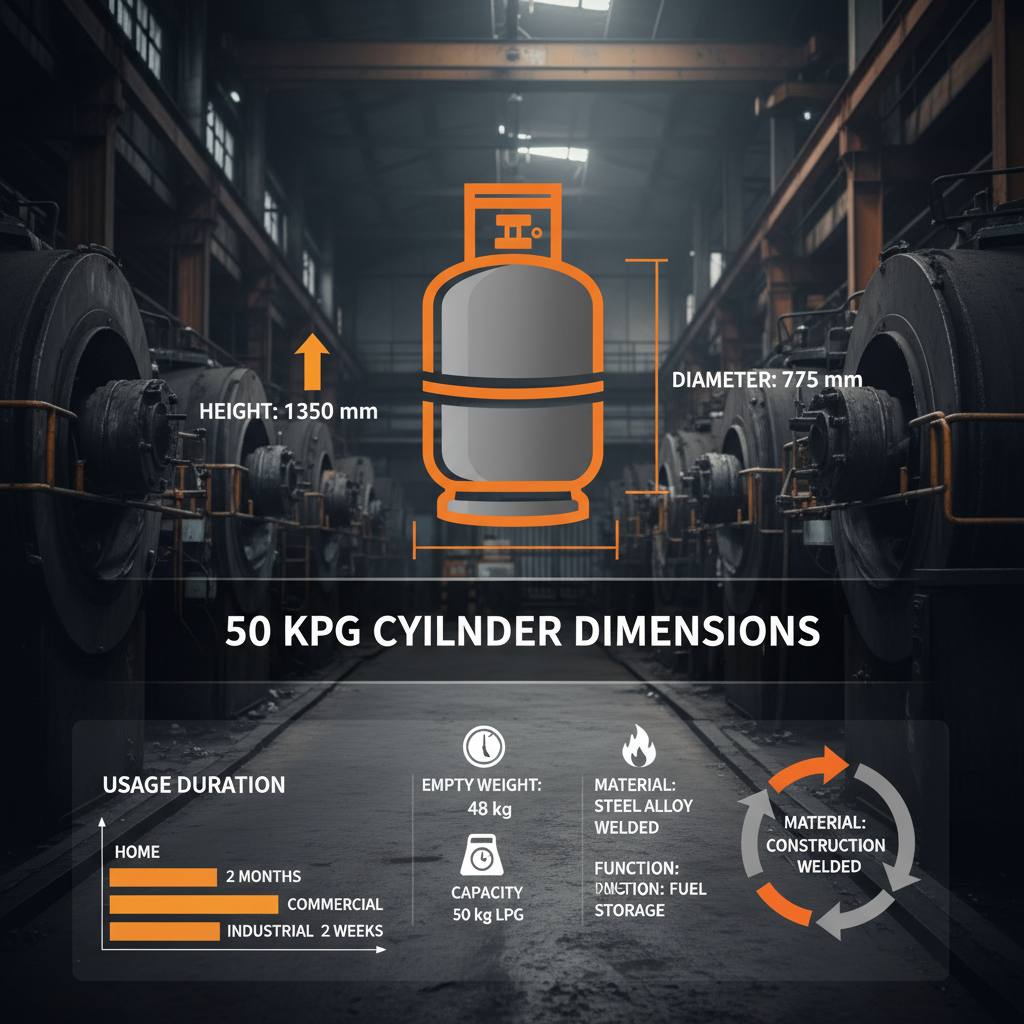
Key Dimensions at a Glance: Typical height ranges from 1400mm to 1500mm, with diameter around 300mm to 330mm. Exact values depend on cylinder wall thickness and manufacturing variations.
Detailed 50 kg LPG Cylinder Dimensions
Let's delve into the specific dimensions of a standard 50 kg LPG cylinder. This will help you determine whether it fits your storage or transportation requirements. These dimensions are generally consistent with EN 1442 standards, but it's always advisable to verify with the supplier. Proper measurements are critical for ensuring safety and avoiding logistical issues. Consider these measurements when integrating cylinders into your existing infrastructure. Contact Whipway for the most accurate specifications for our products.
Comparing LPG Cylinder Sizes
It's helpful to compare the 50 kg cylinder with other common sizes. Different capacities are suited to various applications. For instance, smaller cylinders (e.g., 11 kg) are often used for domestic cooking, while larger cylinders (e.g., 100 kg) are employed in industrial settings. Understanding these differences is crucial for selecting the right cylinder for your specific needs. Factors like storage space and consumption rate influence the optimal cylinder size.
LPG Cylinder Capacity Comparison:
• 11 kg Cylinder: Common for household use; approximately 600mm height, 300mm diameter.
• 50 kg Cylinder: Ideal for commercial kitchens, small businesses, and some industrial applications.
• 100 kg Cylinder: Used in large-scale industrial and commercial operations.
Safety Considerations with 50 kg LPG Cylinders
Handling 50 kg LPG cylinders requires strict adherence to safety protocols. These cylinders are under high pressure and pose potential hazards if mishandled. Always ensure cylinders are stored in a well-ventilated area, away from direct sunlight and heat sources. Secure cylinders to prevent them from falling or rolling. Regularly inspect cylinders for any signs of damage or corrosion. Proper training for personnel handling LPG is essential. Whipway provides detailed safety guidelines and training resources.
Applications of 50 kg LPG Cylinders
The 50 kg LPG cylinder is a versatile choice for a variety of applications. Common uses include commercial kitchens (restaurants, catering), industrial heating processes, agricultural applications (crop drying, heating greenhouses), and backup power generation. Its size offers a balance between capacity and portability, making it suitable for businesses with moderate LPG consumption. The demand for 50 kg cylinders is growing as more industries adopt LPG as a cleaner and efficient fuel source.
Conclusion: Choosing the Right 50 kg LPG Cylinder
Understanding the 50 kg lpg cylinder dimensions and safety requirements is crucial for efficient and safe LPG usage. Whipway offers a reliable supply of high-quality cylinders, ensuring compliance with industry standards. By prioritizing safety and choosing the correct cylinder size for your application, you can maximize the benefits of LPG as a cost-effective and environmentally friendly fuel source.
Frequently Asked Questions (FAQs)
What is the tare weight of a 50 kg LPG cylinder?
The tare weight refers to the weight of the empty cylinder. For a standard 50kg LPG cylinder, the tare weight is typically around 25kg to 30kg, depending on the manufacturing material and design. This means the cylinder can hold approximately 20-25kg of LPG gas. It's crucial to note the tare weight printed on the cylinder itself for accurate filling and usage calculations.
Are there specific regulations for storing 50 kg LPG cylinders?
Yes, there are strict regulations governing the storage of LPG cylinders. These regulations vary by country and region, but generally include requirements for well-ventilated storage areas, protection from direct sunlight and heat sources, secure cylinder placement to prevent falling, and appropriate signage. Consult local authorities and safety standards (e.g., NFPA in the US, EN 1442 in Europe) for detailed guidelines. Compliance with these regulations is essential for safety and legal reasons.
How often should 50 kg LPG cylinders be inspected?
LPG cylinders should undergo regular inspections, typically every 10 years, to ensure their structural integrity and safety. Visual inspections should be conducted more frequently, ideally before each refill, to check for signs of damage, corrosion, or leaks. Certified inspectors should perform the thorough 10-year inspections, verifying the cylinder meets safety standards. Maintaining a record of inspections is essential for traceability and compliance.
-
Top Gas Cylinder Manufacturer for Industrial Safety and QualityNewsApr.16,2026
-
Sourcing High Quality Gas Cylinder China Procurement GuideNewsApr.09,2026
-
Find Reliable and Certified Gas Cylinder Suppliers for Your Business NeedsNewsApr.07,2026
-
Comprehensive Guide to Selecting Reliable Bottle Gas Suppliers for Your BusinessNewsApr.04,2026
-
Why N2O Cream Whipper Is Essential For Modern Kitchens And Dessert BusinessesNewsMar.24,2026
-
Whipped Cream Chargers: Elevating Culinary Creations with Precision and EaseNewsMar.12,2026
-
Understanding Compressed Gas Cylinder Dimensions for Safe and Efficient OperationsNewsMar.05,2026