- boss@happywhip.com
- Mon - Sat at 9:00AM to 6:00PM

Understanding 50 Litre Gas Cylinder Dimensions for Safe and Effective Use
Understanding 50 Litre Gas Cylinder Dimensions for Safe and Efficient Use
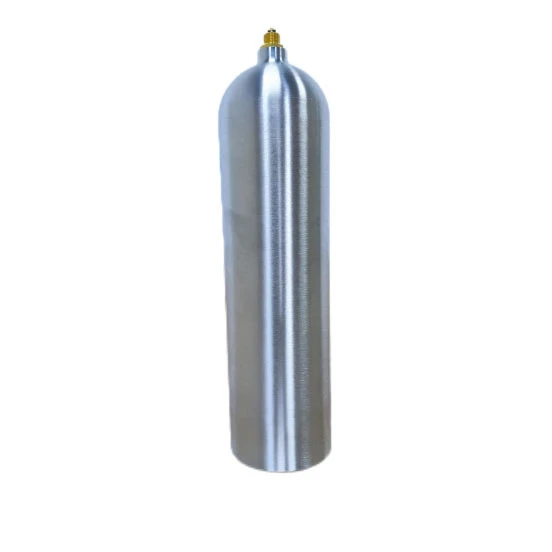
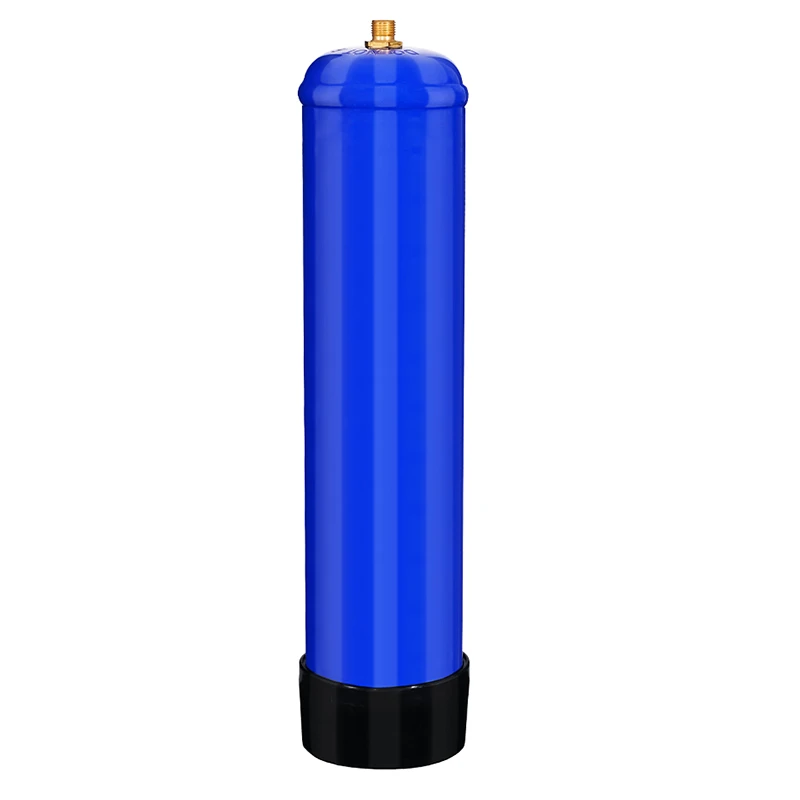
Choosing the right gas cylinder is crucial for various applications, from industrial processes to recreational activities. Understanding the 50 litre gas cylinder dimensions is paramount for safe handling, storage, and compatibility with your equipment. This article provides a comprehensive guide to these dimensions, relevant standards, and factors to consider when selecting a cylinder. Whether you're in welding, camping, or a laboratory setting, knowing these details will ensure you use the right cylinder effectively and safely. We’ll explore the key measurements and how they relate to practical applications. You can find a range of high-quality cylinders at Whipway.
Key Dimensions of a 50 Litre Gas Cylinder
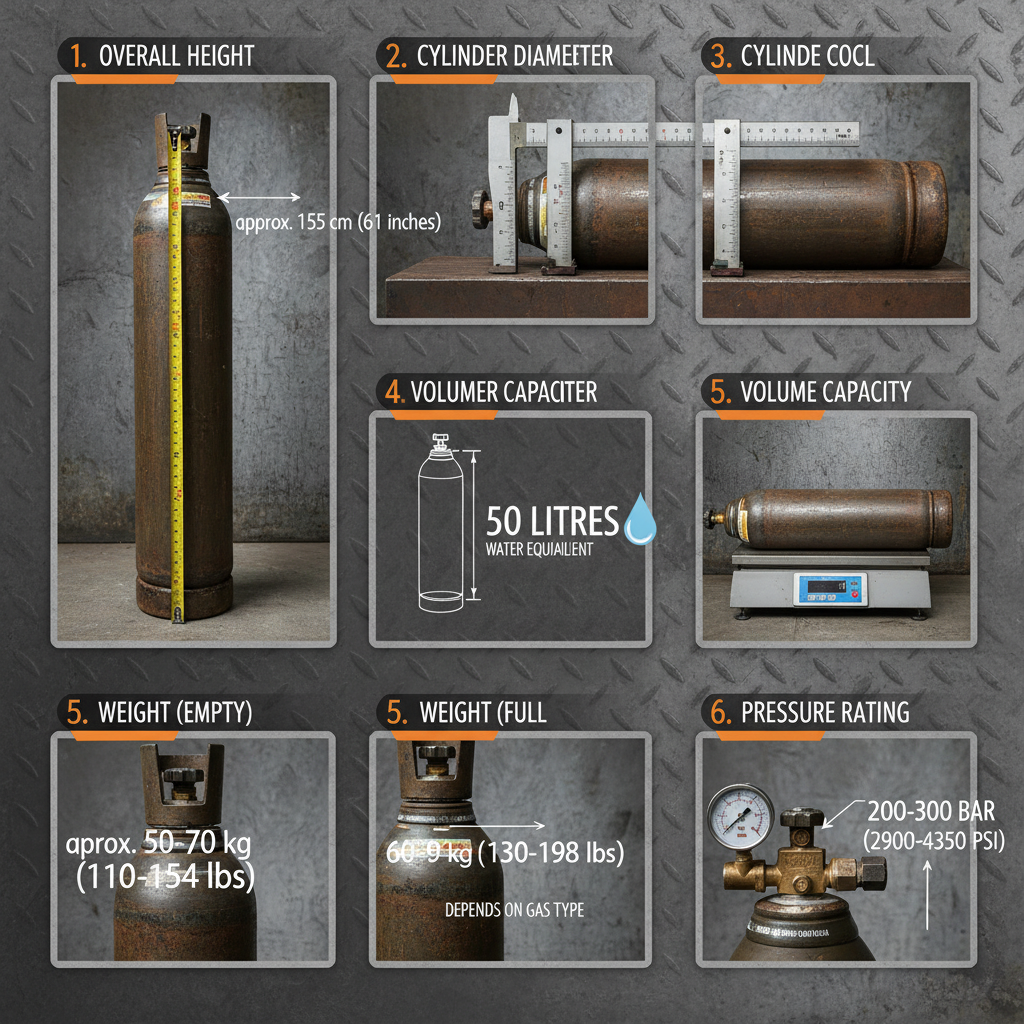
A 50 litre gas cylinder isn't a precise standard; dimensions can vary slightly depending on the gas stored and the manufacturer. However, we can define common ranges for height, diameter, and weight. Understanding these dimensions is vital for storage, transportation, and ensuring the cylinder fits within your workspace. The material of the cylinder (typically steel) also influences its weight. Knowing the dimensions helps calculate the stability of a cylinder rack and ensures appropriate lifting equipment is used.
Important Note: Always refer to the cylinder’s label for its specific dimensions and gas type. Never assume dimensions based on volume alone.
Typical 50 Litre Gas Cylinder Dimensions: A Detailed Breakdown
While slight variations exist, a typical 50 litre gas cylinder will fall within these ranges:
Factors Affecting Gas Cylinder Dimensions
Several factors influence the precise dimensions of a 50 litre gas cylinder. The type of gas being stored is a primary consideration, as different gases require varying wall thicknesses for safety. The cylinder’s working pressure also dictates its construction and therefore its size and weight. Manufacturing standards, such as those set by ISO or DOT, also play a role in ensuring consistency and safety. These standards dictate material specifications, testing procedures, and labelling requirements.
50 Litre Gas Cylinder Dimensions vs. Other Common Sizes
Understanding how a 50 litre cylinder compares to other common sizes can help you choose the best option for your needs. Here’s a quick comparison:
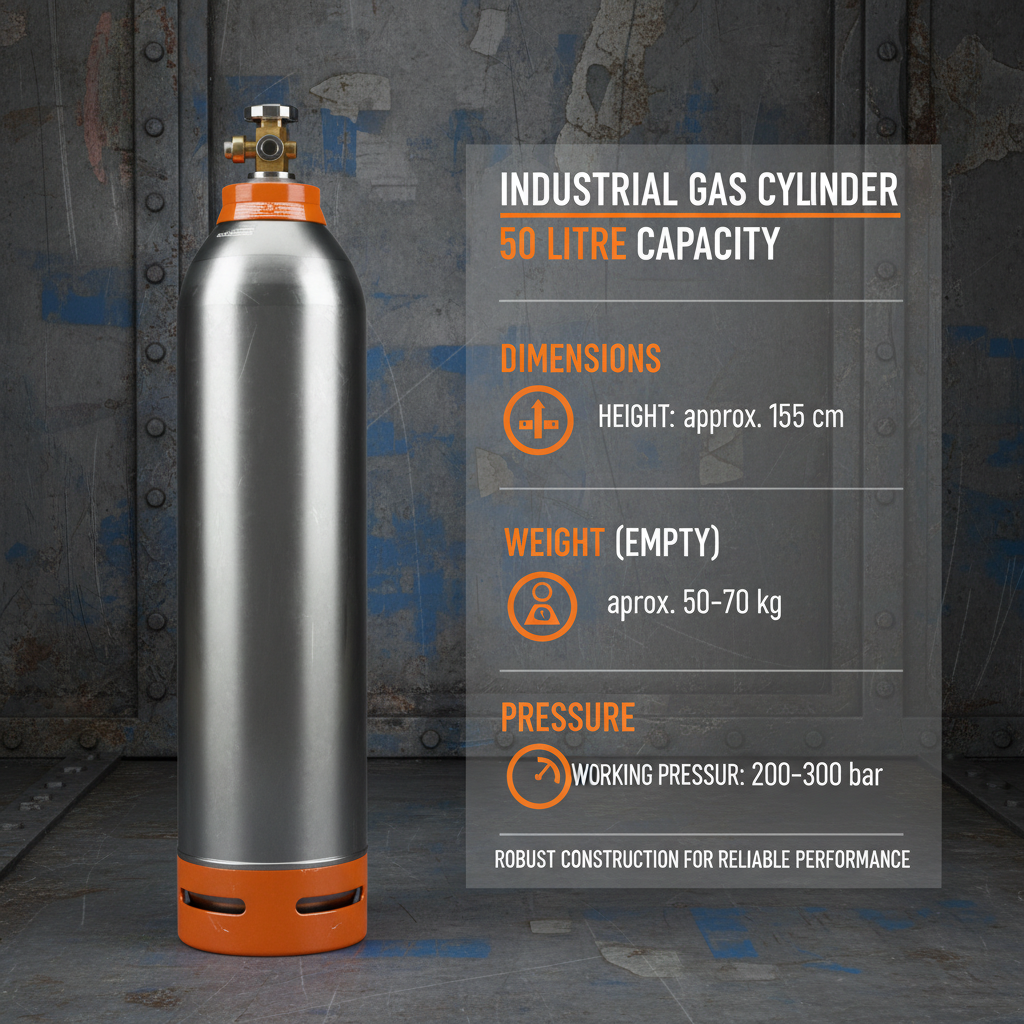
As you can see, the 50 litre cylinder provides a good balance between capacity and portability. For larger-scale applications, larger cylinders are available, while smaller cylinders are preferred for applications where weight and space are critical factors. Whipway offers a variety of cylinder sizes to meet diverse requirements.
Safety Considerations When Handling Gas Cylinders
Safe handling of gas cylinders is paramount. Always secure cylinders upright to prevent them from falling. Store cylinders in a well-ventilated area away from heat sources and ignition points. Use appropriate regulators and fittings compatible with the gas type. Inspect cylinders regularly for damage or leaks. Familiarize yourself with the Material Safety Data Sheet (MSDS) for the specific gas being stored. Proper training is essential for anyone handling gas cylinders. Remember to always comply with relevant safety regulations and guidelines.
Conclusion: Choosing and Using 50 Litre Gas Cylinders Safely
Understanding the 50 litre gas cylinder dimensions and related safety considerations is essential for efficient and secure operation. By selecting the right cylinder and following proper handling procedures, you can minimize risks and ensure optimal performance. For a comprehensive range of gas cylinders and related equipment, visit Whipway. Safety should always be your top priority when working with compressed gases.
Frequently Asked Questions (FAQs)
What gases are commonly stored in 50 litre cylinders?
50 litre cylinders are frequently used for storing a variety of gases, including oxygen, nitrogen, argon, carbon dioxide, and acetylene. The specific gas determines the cylinder's construction and color coding for easy identification. It’s essential to use the correct regulator and fittings for each gas type, as mixing gases can be dangerous. Always check the cylinder label to confirm the gas contained within and consult the MSDS for safety information.
How often should gas cylinders be inspected?
Gas cylinders should be visually inspected before each use for any signs of damage, such as dents, corrosion, or leaks. A more thorough inspection, including hydrostatic testing, is typically required every 5-10 years, depending on regulations and the cylinder’s usage. These tests are performed by qualified professionals to ensure the cylinder’s integrity and safety. Keep records of all inspections and tests.
What are the regulations for transporting 50 litre gas cylinders?
The transportation of gas cylinders is governed by strict regulations, which vary depending on the mode of transport (road, rail, sea, air) and the gas type. Cylinders must be properly secured to prevent movement during transport, and clearly labelled with the correct hazard warnings. Drivers transporting gas cylinders may require specific training and certifications. Always consult local and national regulations for detailed requirements.
Where can I find more information about gas cylinder safety?
Numerous resources provide information about gas cylinder safety. The Compressed Gas Association (CGA) offers comprehensive guidance and training materials. Your gas supplier, such as Whipway, can provide specific safety data sheets (SDS) and training resources. Regulatory agencies, such as OSHA, also offer valuable safety information and guidelines.
-
Top Gas Cylinder Manufacturer for Industrial Safety and QualityNewsApr.16,2026
-
Sourcing High Quality Gas Cylinder China Procurement GuideNewsApr.09,2026
-
Find Reliable and Certified Gas Cylinder Suppliers for Your Business NeedsNewsApr.07,2026
-
Comprehensive Guide to Selecting Reliable Bottle Gas Suppliers for Your BusinessNewsApr.04,2026
-
Why N2O Cream Whipper Is Essential For Modern Kitchens And Dessert BusinessesNewsMar.24,2026
-
Whipped Cream Chargers: Elevating Culinary Creations with Precision and EaseNewsMar.12,2026
-
Understanding Compressed Gas Cylinder Dimensions for Safe and Efficient OperationsNewsMar.05,2026